


A retractable fly screen that works perfectly on installation day and develops problems within two years isn’t a defective product. It’s a predictable outcome. The mechanism quality that causes those problems was always there. It just wasn’t visible when everything was new, factory-lubricated, and hadn’t yet been through two summers of heat, UV exposure, and daily operation cycles.
Year three reveals everything. By then, the screen has been extended and retracted hundreds of times. It has been expanded and contracted with seasonal temperature changes, and exposed to the conditions that reveal what the product was actually built to handle.
The screen that still operates smoothly was apparently built differently from the one that binds or fails to retract fully. Those differences were present before installation.
What the Cassette Housing Determines
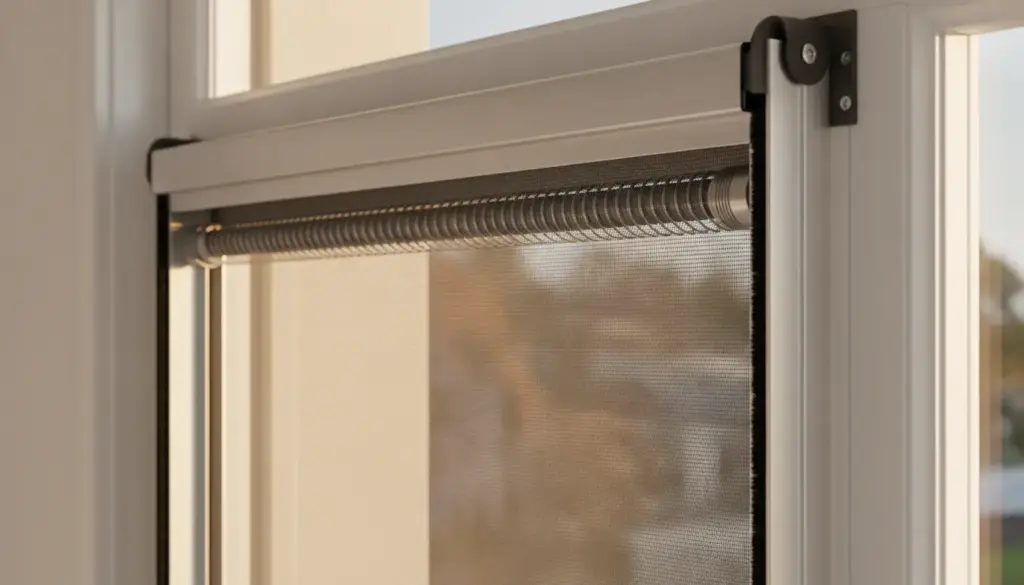
The cassette contains the spring mechanism and the rolled mesh. Its construction quality shapes long-term performance more than any other single component.
A well-built cassette uses materials that hold their shape across temperature changes. The result is consistent spring tension and consistent mesh alignment through years of operation. Meanwhile, a cheaper cassette uses materials that shift with temperature. Over time, its mesh misaligns, and the mechanisms bind. Owners notice it as the screen gradually becomes harder to pull and retract.
Australian conditions are demanding. The temperature difference between a north-facing wall in direct summer sun and the same wall on a winter morning is significant, and that cycle repeats daily across the product’s service life. Retractable window fly screens built for those conditions hold their tolerances. Those that weren’t show it by year two.
How Spring Calibration Shapes the Retraction Experience
The spring drives the mesh back into the cassette when the screen is released. When it’s calibrated correctly for the screen’s mesh weight and width, retraction is smooth and complete every time. But if not, the screen stops short of the cassette or retracts unevenly.
Springs also fatigue over time. The rate at which they lose tension depends on the material and the coil geometry. A spring specified to maintain its calibrated tension across thousands of operation cycles performs consistently for years. One that wasn’t specified that way loses tension gradually. The retraction that felt effortless in month one feels sluggish by month eighteen, and progressively worse after that.
What the Track System Contributes
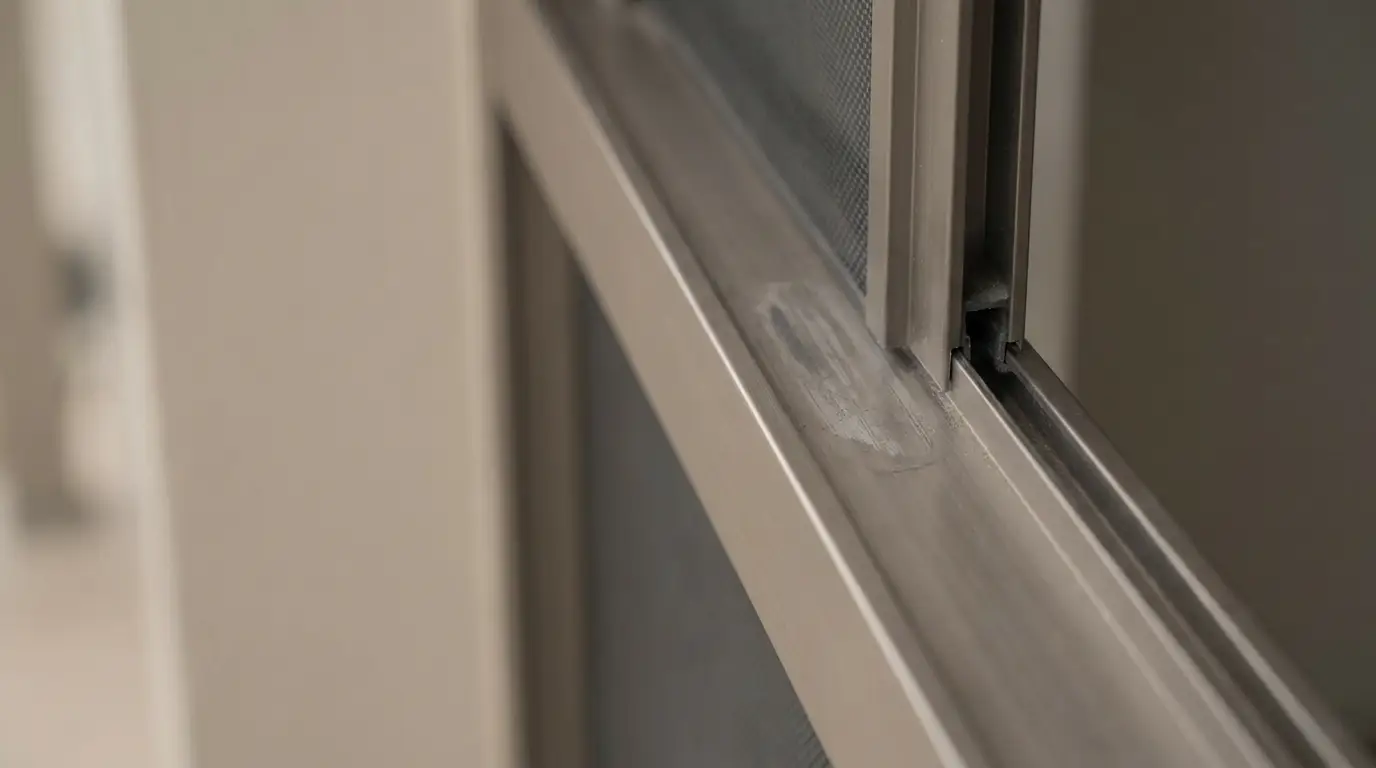
The tracks guide the screen panel as it extends and retracts. When the track geometry is correct, the screen moves cleanly from one end of its travel range to the other. The screen edge stays in contact with the brush seal and the operation feels precise.
When the track geometry is off, or when the tolerances weren’t tight enough to begin with, the screen edge lifts away from the brush seal at certain points in its travel. That creates two problems at once. Insects can enter through the gap, and the screen feels loose and imprecise to operate. Both issues trace back to the same source.
Where the Brush Seal Condition Matters More Than It Appears To
The brush seals run along the track edges and stay in contact with the screen panel as it moves. They seal the gap that would otherwise let insects through, and they provide the lateral guidance that keeps the screen tracking consistently.
A brush seal that holds its fiber density and flexibility across years of UV exposure does both jobs well at year three. Others that become brittle or compressed within the first season lose both functions at once. As a result of losing these features, insect exclusion gaps appear, and the screen starts to feel imprecise
The difference between a screen that still works properly at year three and one that doesn’t usually comes down to these four components and how well each was specified and built. None of the failure modes are dramatic. They develop gradually in ways that feel like normal wear until someone uses a well-built screen and understands what the comparison reveals.