
A home is more than a collection of furniture, walls and decorative pieces. It is where people rest after a long day, create routines, spend time with family and look for moments of comfort. Wellness is closely connected to that environment. From a calming bedroom to a brighter living room or a more organized workspace, the way a space looks and feels can influence how people experience everyday life.
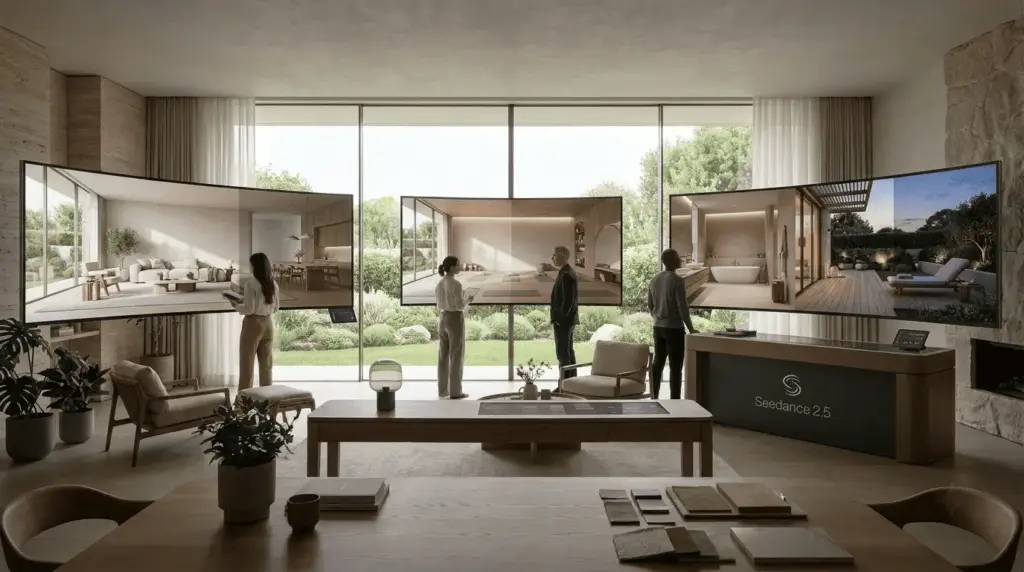
This is why visual inspiration has become such an important part of home and wellness content. People often want to see an idea before deciding whether it could work for their own space. Seedance 2.5 offers another way to explore these possibilities by giving creators tools for developing longer visual sequences, working with multiple references and experimenting with sound and scene direction.
Seedance 2.5 the all new addition inside Higgsfield gives a broader creative environment, making it possible to explore visual concepts around interiors, lifestyle, wellness routines, and home inspiration. Its current product information highlights features including up to 30 second generation, native 4K output, synchronized audio, up to 50 multimodal references and region level editing.
Why Is Visual Inspiration Important for Home Ideas?
Choosing something for a home can be difficult when the idea exists only as a description. A person might imagine a bedroom with warm lighting, natural textures, soft colors and minimal furniture. Another person may want a bright living room with plants, comfortable seating, and a more contemporary feel. Written advice can explain these ideas, but seeing a concept can make it much easier to understand. Visual content helps turn abstract ideas into something more tangible.
This is especially useful for home improvement, interior inspiration, organization, decor and lifestyle content. A visual concept can show how colors might work together, how a room could feel at different times of day, or how a particular design direction could create a certain atmosphere.
Generative technology adds another layer because creators can experiment with several interpretations of the same idea instead of settling on the first concept.
How Can Seedance 2.5 Make Home Concepts More Visual?
Traditional interior content often relies on photographs, moodboards, sketches, and design renders. These remain valuable, particularly when someone needs accurate information about a real room or product.
But there are situations where a moving visual can communicate more. For example, a short sequence could begin with a wide view of a bedroom, move toward the bed, reveal lighting details and then show how the atmosphere changes as evening approaches. That type of presentation can help viewers understand the relationship between individual elements.
Seedance 2.5 is designed for continuous visual generation, with support for clips of up to 30 seconds. It also supports different aspect ratios, allowing creators to think about how an idea could be presented across different platforms.
Higgsfield can support this type of experimentation by giving creators an environment where prompts, references and visual concepts can be developed together.
The result does not have to be a final interior design plan. It can simply be a visual starting point that helps people decide what direction they prefer.
Can Homeowners Explore Different Styles Before Making Changes?
One of the biggest challenges with home design is uncertainty. A person may like a particular style online but have difficulty imagining how it would look in their own environment. They might be interested in Scandinavian interiors, warm minimalism, traditional décor, modern farmhouse design, or another aesthetic without knowing which elements would work together. Visual experimentation can make that decision process easier.
A creator could explore several versions of the same room:
- Warm and traditional
- Minimal and contemporary
- Natural and earthy
- Bright and modern
- Soft and cozy
- Rustic and textured
The purpose is not to suggest that generated visuals perfectly predict a real renovation. Real rooms have dimensions, lighting conditions, materials, and structural limitations that generated concepts may not accurately represent.
Instead, these visuals can help people identify the feeling and direction they want. That can make conversations with designers, decorators, contractors, or family members more productive.
How Do Multiple References Help With Interior Ideas?
A good home concept often depends on several elements working together. A homeowner may already have a particular sofa, flooring, wall color, artwork, or piece of furniture. They may want to understand how additional elements could fit around what they already own. Seedance 2.5 supports up to 50 multimodal references, including faces, products, locations, wardrobe and style frames.
For lifestyle and home content, this creates interesting possibilities. A creator could use references representing furniture, room layouts, materials, colors, or a desired visual mood. Those references can establish a stronger creative direction before generating a sequence.
Higgsfield can become useful here because creators can experiment with different combinations instead of producing a completely new concept from scratch every time.
For example, the same living room could be explored with different lighting approaches or décor directions while keeping certain visual elements consistent. This can turn a simple idea into a more developed visual exploration.
Could This Help With Bedroom Inspiration?
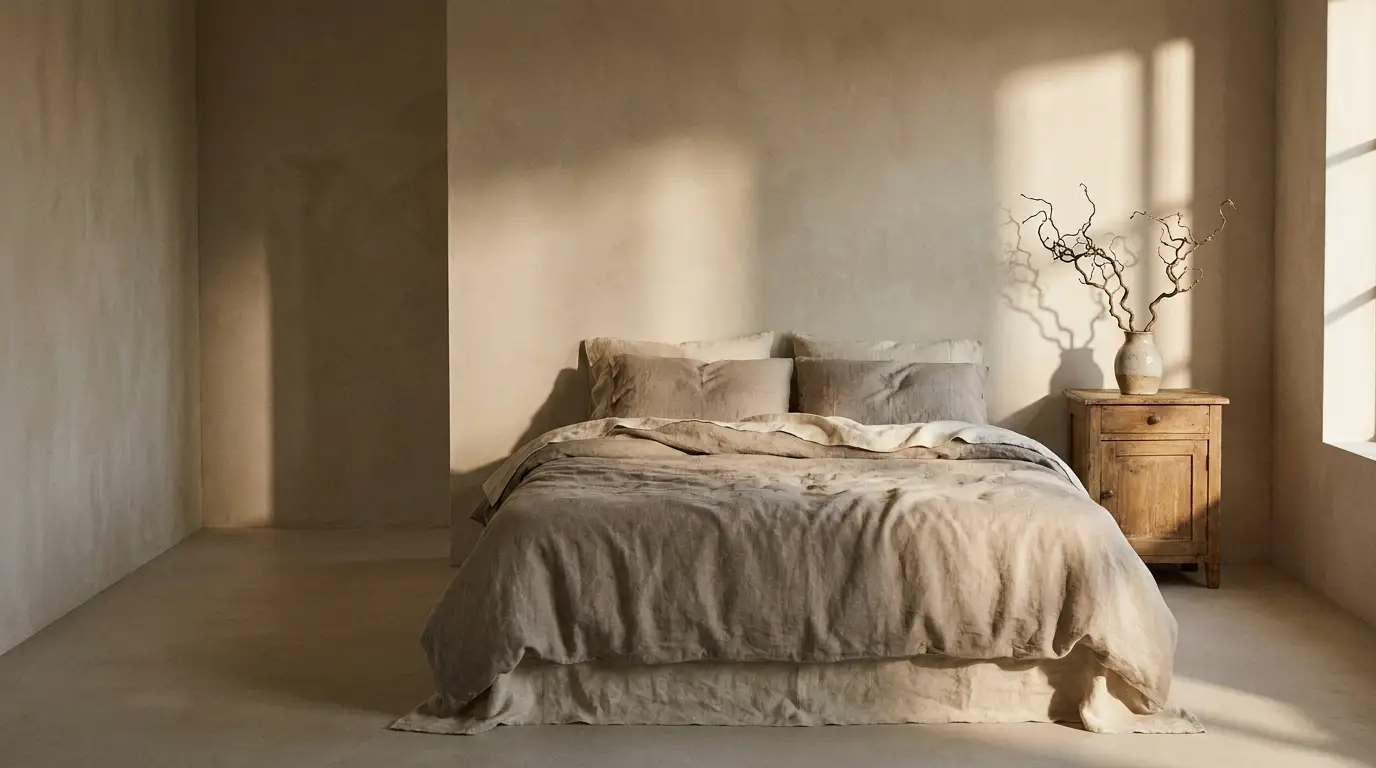
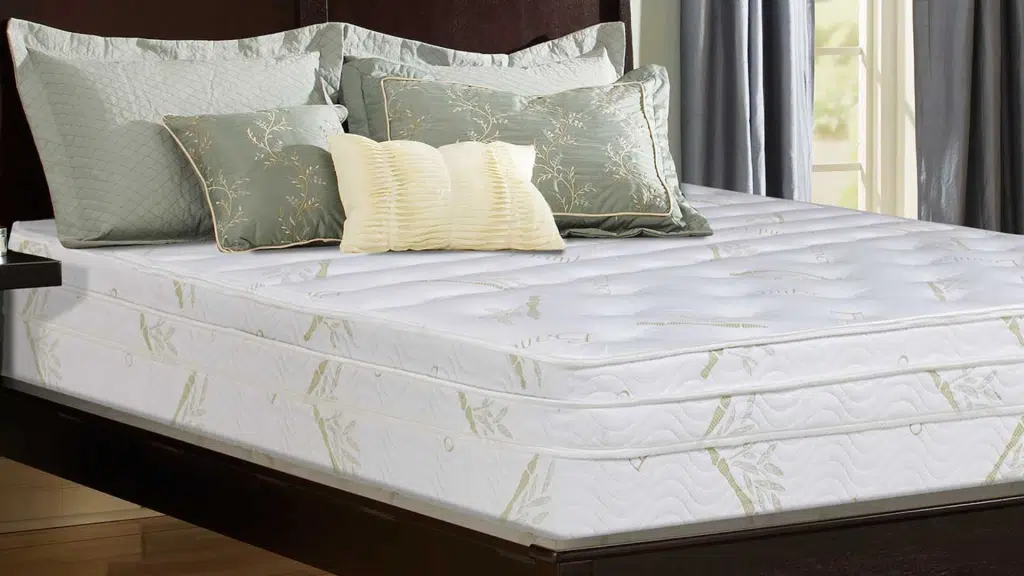
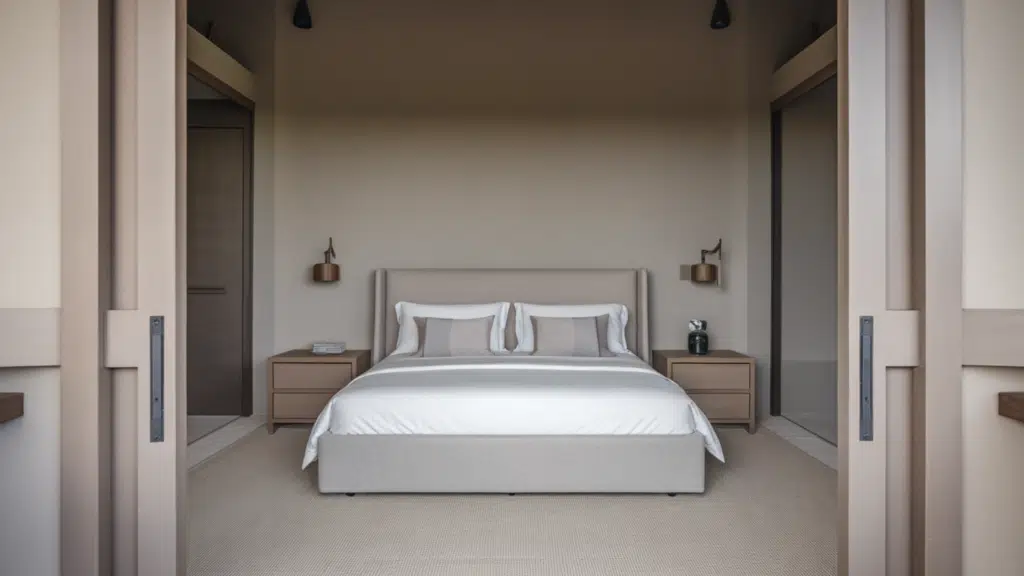
Bedrooms are one of the most natural areas for visual experimentation because comfort and atmosphere matter so much. People often look for bedroom inspiration based on specific feelings rather than technical requirements.
They may want a room that feels:
- Calm
- Warm
- Spacious
- Cozy
- Minimal
- Relaxing
- Natural
- Luxurious
A visual sequence can communicate those qualities through lighting, colors, textures, furniture arrangement and camera movement.
For example, a wellness focused bedroom concept could use soft morning light, natural materials, uncluttered surfaces, and comfortable textiles. Another version could emphasize evening relaxation through warmer lighting and deeper tones.
The important thing is that the visuals communicate an idea, rather than promising that a generated scene represents a guaranteed wellness outcome.
How Could Wellness Content Become More Engaging?
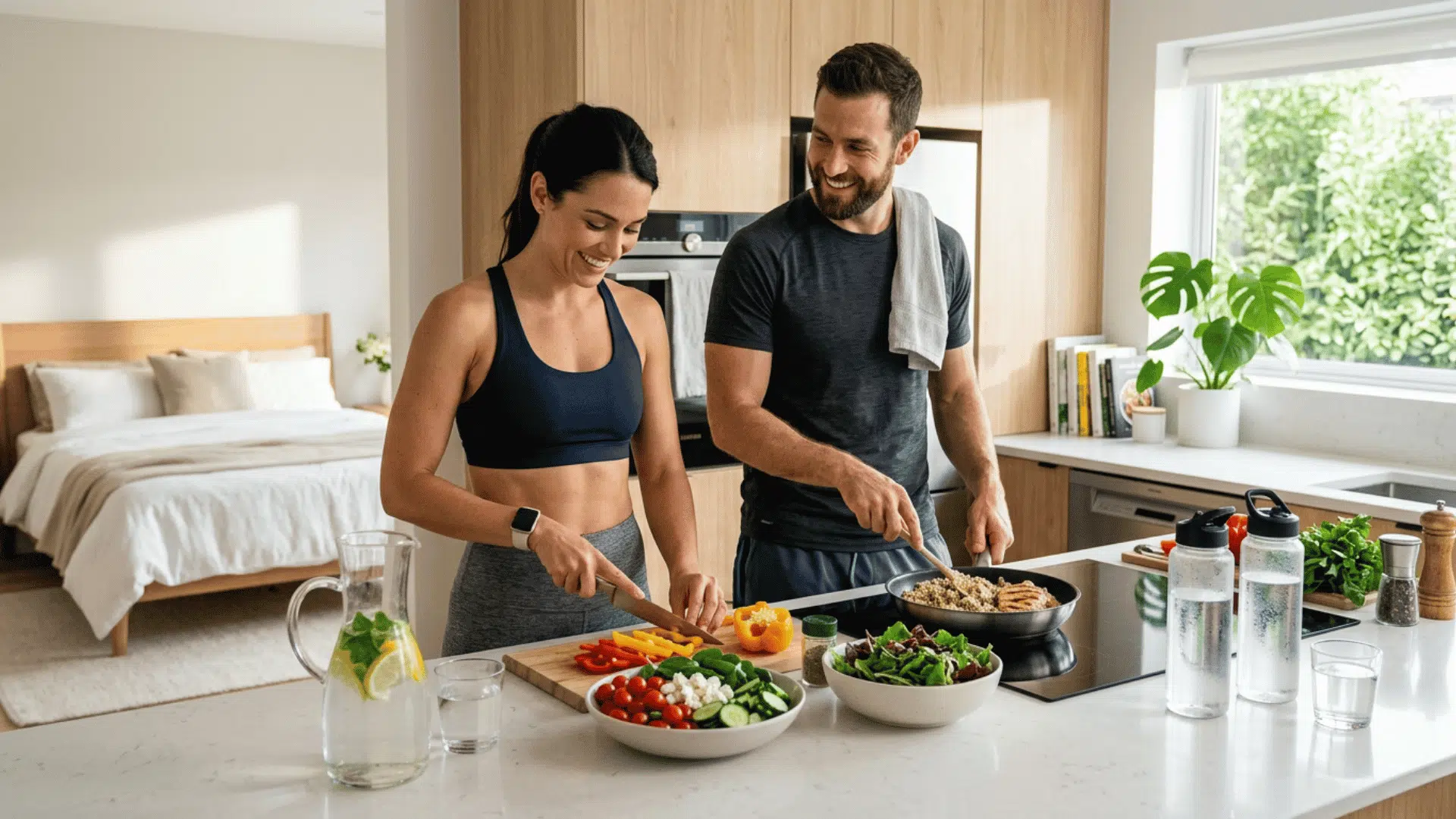
Wellness information can sometimes feel repetitive when it is presented only through written advice. Topics such as sleep routines, relaxation, mindfulness, stretching, healthy habits, hydration and creating a restful environment can benefit from visual storytelling.
A short sequence could demonstrate the atmosphere of an evening wind down routine. Another could show how a cluttered environment might be reorganized into a calmer space.
These concepts can make lifestyle articles more engaging because readers have something visual to connect with while learning.
Seedance 2.5’s synchronized audio capability can also add atmosphere. Its current product page describes audio being generated alongside the visuals, including ambience, foley, and score matched to on screen action. That could be useful for wellness oriented storytelling where sound contributes to the intended mood.
Can Sound Change the Feeling of a Space?
A room does not communicate comfort through appearance alone. Sound can influence how people perceive an environment. Rain against a window, quiet morning ambience, soft music, or the sound of nature can create very different impressions.
This gives creators another way to present home and wellness ideas. Imagine a short visual story about creating a relaxing bedroom. The scene could begin with a quiet evening environment before gradually introducing softer lighting, comfortable bedding and calming background sounds.
The result becomes more than an interior image. It becomes an experience designed to communicate a particular feeling. Higgsfield AI creative sutis can be part of this creative process when creators want to explore how visual atmosphere and sound can work together.
Of course, wellness content should avoid presenting a generated atmosphere as a medical treatment or making unsupported health claims. The strongest approach is to use visual storytelling to communicate lifestyle ideas without overstating their effects.
What About Home Organization and Practical Guides?
Home organization is another area where moving visuals can be useful. Written instructions can tell someone how to organize a bedroom, kitchen, workspace, or storage area. But seeing the transformation can make the process easier to understand.
A creator could develop a visual sequence showing:
Before → sorting → rearranging → final setup
This structure is naturally suited to practical lifestyle content.
For example, an article about creating a more restful bedroom could begin with an overcrowded space, introduce simple organizational changes and finish with a cleaner layout. The generated sequence could serve as an illustration rather than a literal representation of the reader’s own room.
That distinction matters because every home is different. The goal is to give people ideas they can adapt.
How Can Creators Develop Better Home Content?
One advantage of visual experimentation is that it can change the way content creators plan an article. Instead of writing an article first and searching for a generic image afterward, creators can think about the visual story at the beginning. Suppose the topic is creating a comfortable reading corner.
The creator could first decide:
- What should the space feel like?
- What furniture should appear?
- What lighting creates the intended atmosphere?
- What colors support the concept?
- Should the scene feel modern or traditional?
- How should the final result be presented?
Those decisions can then influence both the written article and its supporting visuals.
This creates stronger alignment between the information and the imagery. Higgsfield can help creators explore those visual directions before deciding which concept best supports the article.
Could Small Home Brands Benefit From This Approach?
Large interior brands often have access to professional photographers, designers, studios and production teams.
Smaller businesses may not have the same resources. A furniture company, home décor brand, bedding business, or wellness company may still need regular visual content for social media, blogs, product campaigns and promotional materials.
Generative tools can provide another option for early stage creative development. A brand could explore several visual campaign concepts before deciding which ones deserve professional photography or production.
This does not mean generated content should replace accurate product photography. If a customer needs to see the exact color, texture, dimensions, or construction of a product, authentic photography remains important. Generated visuals are more useful for conceptual storytelling and inspiration.
What Should Creators Be Careful About?
There is a major difference between inspiration and accuracy. A generated bedroom might look beautiful but have furniture dimensions that are unrealistic. A generated living room could show a layout that would not work in a real space. A wellness scene could communicate a feeling without proving that the activity shown provides a particular health benefit. Creators therefore need to review generated content carefully.
When discussing real products, important details should be verified. When discussing wellness, claims should be supported by reliable information. When showing a conceptual room, the content can simply be presented as inspiration. This keeps the visual experience useful without creating unrealistic expectations.
How Could This Change Home and Lifestyle Publishing?
Home and wellness websites increasingly compete for attention across websites, search engines, social media, newsletters, and mobile platforms. A single article can now be supported by multiple forms of content.
A home organization article could have a written guide, before and after visuals, a short video, a social post and a visual checklist. A bedroom article could combine practical advice with atmospheric visuals. A wellness article could use a short sequence to explain a routine.
Seedance 2.5 makes these possibilities more accessible to creators who want to experiment with moving visual content.
The bigger change is not simply the ability to create videos. It is the ability to think about an idea from multiple visual perspectives.
Can AI Replace Interior Designers or Wellness Experts?
No. A generated concept can provide inspiration, but it does not understand a home’s structural limitations in the same way a professional designer does. It also cannot replace expert advice where health, safety, accessibility, or specialized knowledge is involved.
Professionals bring experience that technology cannot simply reproduce. Interior designers understand proportions, materials, building requirements, lighting, ergonomics and practical constraints. Wellness professionals can provide context around appropriate habits and individual circumstances. Generative technology works best as a supporting creative tool.
Higgsfield can therefore be viewed as one part of a broader workflow rather than a replacement for the people who bring expertise to home and wellness projects.
What Could the Future of Home Inspiration Look Like?
The future may involve much more interactive visual exploration. Instead of browsing hundreds of static images and trying to decide what works, people may be able to start with a general idea and explore multiple directions.
They could move from:
“I want a calmer bedroom.”
to:
“Show me several ways that idea could look.”
Then they could compare different styles, colors, layouts and moods. That does not mean the technology will make every design decision for them. Instead, it could help people discover what they like.
For wellness content, the same principle could apply. People could explore different approaches to creating relaxing environments, organizing routines, or building more comfortable spaces. The human preference remains the deciding factor.
Making Inspiration More Personal
Perhaps the most interesting opportunity is personalization. A generic home design image may look beautiful but still feel disconnected from someone’s actual lifestyle.
A family with young children has different needs from someone living alone. Someone working from home has different priorities from someone who rarely works at a desk. A person who enjoys minimal spaces may have completely different preferences from someone who loves layered décor. Visual tools can help creators explore these different perspectives.
Rather than presenting one perfect room, content can show several ways an idea could be adapted. That makes home and wellness inspiration feel more accessible. It becomes less about copying a particular look and more about discovering what works for you.
Final Thoughts
Seedance 2.5 creates new possibilities for visualizing home and wellness ideas by giving creators more flexibility to explore scenes, references, movement, sound and different creative directions. Its current feature set includes longer continuous generation, native 4K, synchronized audio, up to 50 references and region level editing.
Higgsfield provides a broader creative environment for exploring these types of visual concepts, helping creators experiment before deciding which ideas deserve further development.
For EasyRest style home and wellness content, the biggest opportunity is not simply creating attractive visuals. It is making useful ideas easier to imagine.
A bedroom can become more than a list of furniture suggestions. A wellness routine can become more than a paragraph of instructions. A home organization tip can become a visual transformation. As creative technology continues to develop, people may have more ways to explore how they want their spaces and routines to feel. And sometimes, seeing an idea clearly is the first step toward making it part of everyday life.