
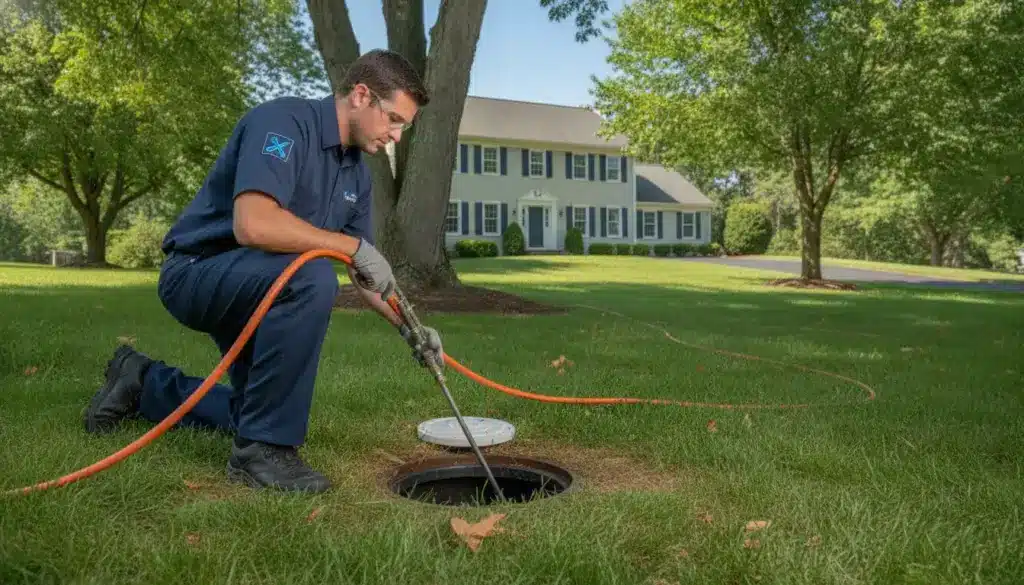
Slow drains can seem minor until wastewater backs up. A sink may gurgle, a toilet may flush poorly, or a floor drain may hold water. These signs can point to buildup farther down the line across New Jersey. Let’s explore how professional drain cleaning helps property owners address early warning signs before a sewer clog disrupts daily routines.
Early Drain Damage Signs in Bergen County
Repeated slow drains call for a closer look. 1-800-Plumber +Air | Bergen County, NJ, is one local example of a provider that handles drain and sewer work. A technician can assess whether the issue sits near a fixture or within the main line. Several slow fixtures can point to a shared blockage.
Grease, soap, hair, paper products, and roots can collect inside drain and sewer lines. A bad odor, a bubbling toilet, or water near a basement drain warrants attention. These clues can signal buildup or a developing line issue. Early action can keep the blockage from spreading through the system.
What a Drain Visit Can Find
A professional visit begins with the symptoms and their location. The plumber may inspect visible pipes, fixtures, cleanouts, and standing water. A camera can reveal grease, roots, offset pipe sections, or line damage. This helps identify the source of the clog.
For owners in Bergen County, that detail can reduce repeat service calls for an ongoing issue. It can also guide the choice between cable work and hydro jetting. Sewer systems vary by property age, pipe material, and tree cover in New Jersey. A clear diagnosis keeps the work focused on the source of the problem.
Root Causes Inside the Line
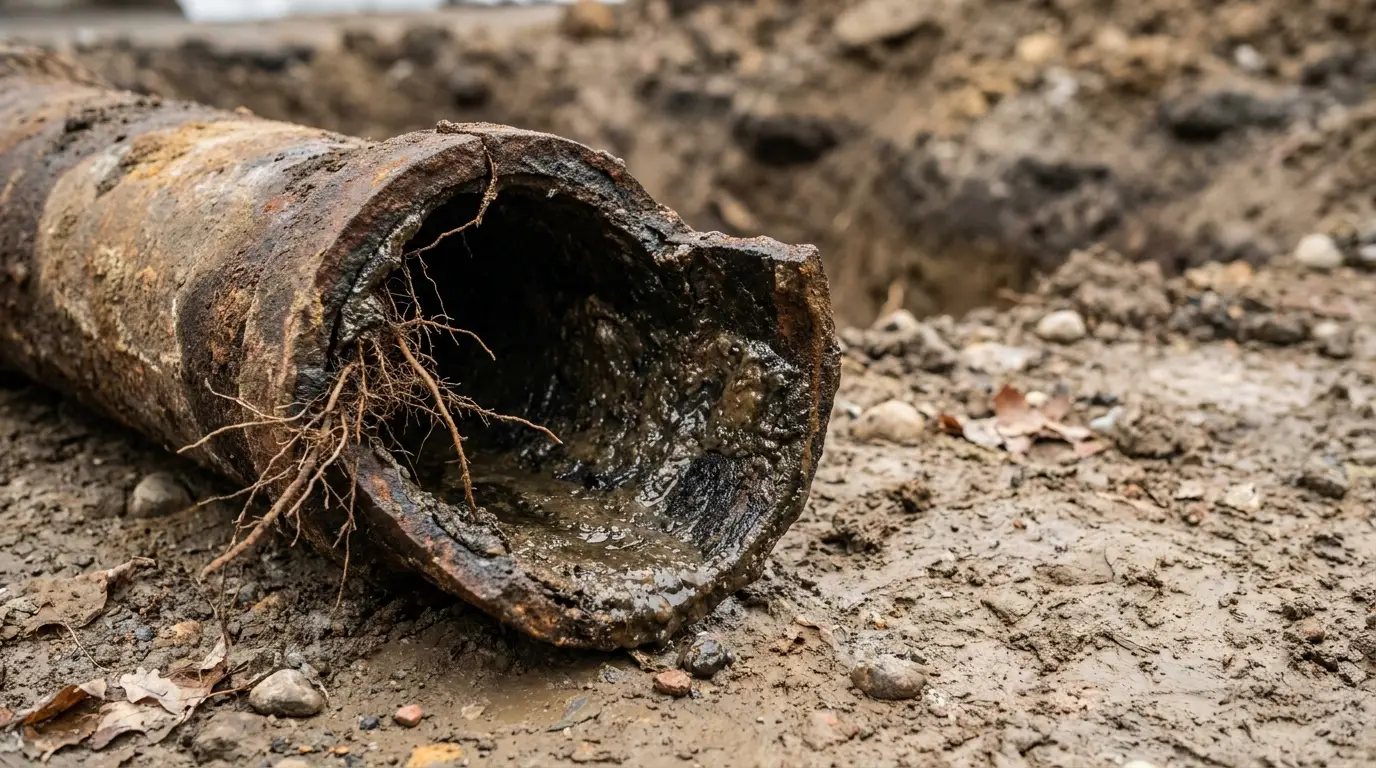
Kitchen grease can cool and cling to pipe walls. Soap residue, wipes, and paper products can catch on that layer. In older properties in Bergen County, roots may enter through weak joints or cracks. The result can be a partial blockage that worsens after heavy use.
Some clogs come from daily habits, while others relate to pipe wear. A professional service can remove buildup and identify structural concerns. That record helps an owner decide if cleaning or repair fits the situation. The goal is to clear the source of the blockage and restore steady flow.
Signs to Note
- Drain trouble at several fixtures
- Sewage odor near a floor drain
- Water return in a tub or shower
- A clog that returns soon after service
A Clear Plan for Repeat Clogs
A repeat clog calls for a record of what happened. Note the fixtures, time of day, symptoms, and length of each episode. Share these details with the plumber during the visit. At a Bergen County rental or commercial site, staff can add notes from each report.
New Jersey property managers may need to separate a tenant drain issue from a shared line concern. Clear notes support decisions about access, repairs, and resident updates. A local provider such as 1-800-Plumber +Air | Bergen County, NJ may review the record and explain the next step. A written scope shows what the visit found.
Routine Checks That Make Sense
Simple habits can reduce material inside drain lines. Keep cooking grease out of sinks, use strainers, and keep wipes out of toilets. Households in New Jersey may benefit from a sewer check after unusual backup symptoms or major root growth. The right interval depends on pipe history and prior issues.
For a business in New Jersey, assign one person to report faults and approve service. Staff can log slow drains, odors, and repeat backups in one place. This gives the plumber a clearer view of patterns across the site. It can also support a practical maintenance plan for kitchens and restrooms.
Major sewer clogs can begin with smaller warning signs. Professional drain cleaning gives owners a way to inspect the line, remove buildup, and document the cause. The findings from a visit can guide repair or maintenance decisions. Early attention can reduce water damage, sanitation concerns, and service disruption.