
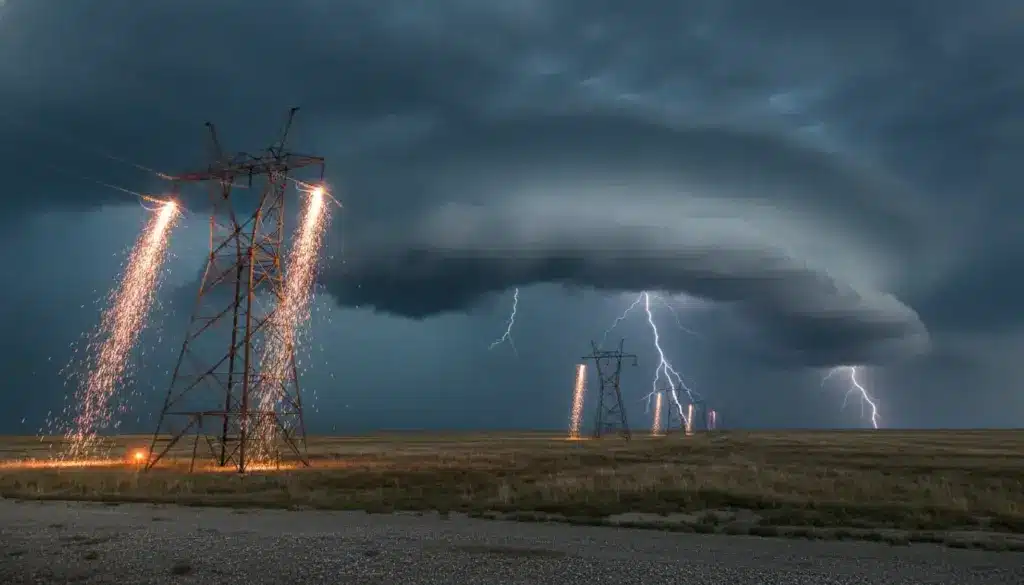
In recent years, Americans have witnessed a growing number of large-scale power outages caused by hurricanes, winter storms, heat waves, and severe thunderstorms. Events like the Texas freeze of 2021, Hurricane Ian in 2022, and countless regional storms have left millions without electricity, sometimes for days at a time.
Decades-old equipment, increasing electricity demand, extreme weather, and evolving security threats are all placing new pressure on the system. At the same time, modern life has become more dependent on electricity than ever before. From remote work and internet access to medical equipment and climate control, even a short outage can create significant disruptions.
So, how vulnerable is the grid really? Understanding the strengths and weaknesses of the nation’s power infrastructure can help explain why grid reliability has become such an important issue and why so many homeowners are considering installing a whole house generator.
America’s Power Grid Is Showing Its Age
The United States relies on one of the largest and most complex electrical systems in the world. The problem is that much of the infrastructure that keeps electricity flowing was built decades ago.
Many transmission lines, substations, and transformers are operating well beyond their original intended lifespan. While utilities have invested heavily in maintenance and upgrades, aging equipment can be more susceptible to damage, especially during extreme weather events.
At the same time, demand continues to grow. Modern households consume more power than ever before, and the rapid expansion of electric vehicles, smart home technology, and energy-intensive data centers is placing additional strain on the grid. In many areas, infrastructure upgrades haven’t always kept pace with these changing demands.
Why More Homeowners Are Preparing for Extended Outages
As concerns about grid reliability grow, homeowners are becoming more proactive about preparing for potential power disruptions. Extended outages can affect far more than lighting and entertainment. Refrigerators stop working, heating and cooling systems shut down, internet access disappears, and medical devices may become difficult to operate.
To help maintain normalcy during emergencies, many homeowners are turning to backup power solutions. One increasingly popular option is a whole house generator, which can automatically provide electricity when utility power is interrupted. These systems can help keep essential appliances, HVAC equipment, and other critical household systems running.
Storms Are Getting Stronger
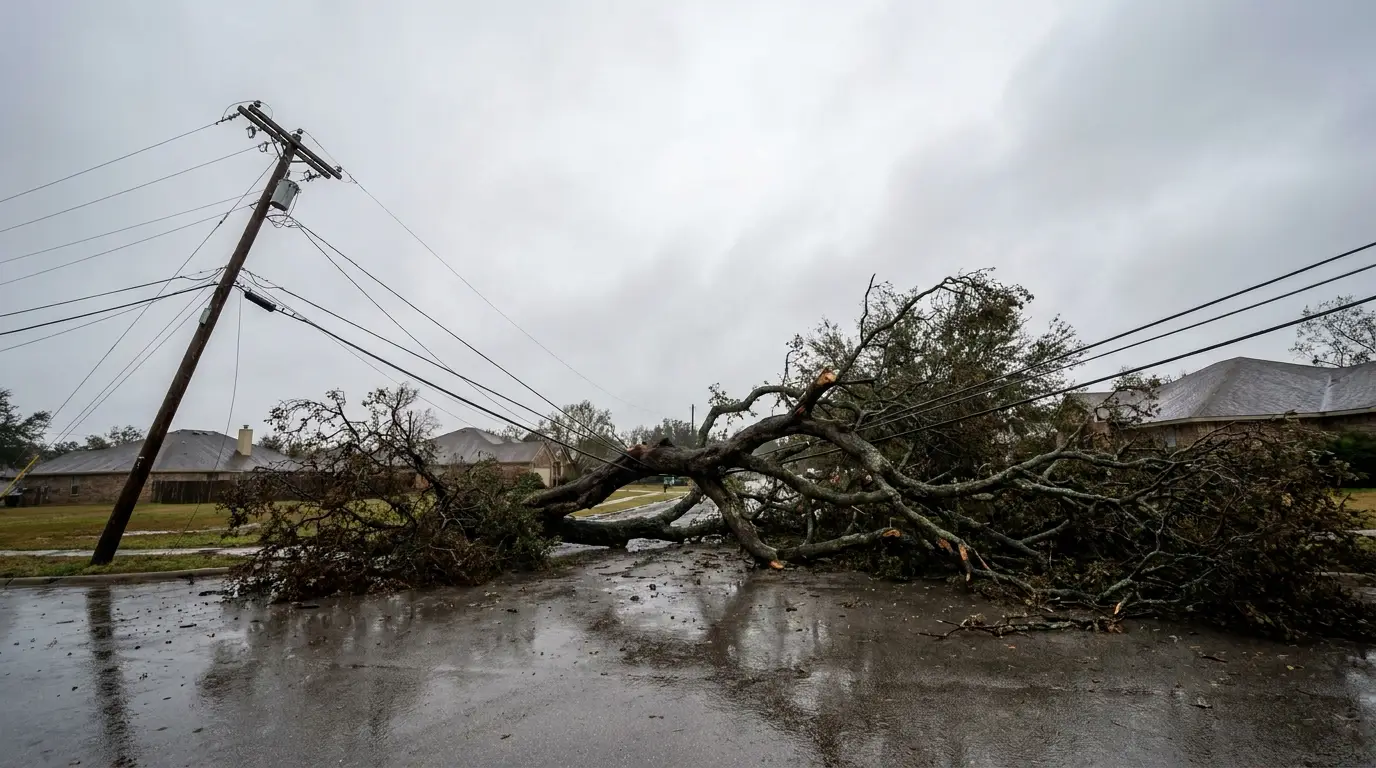
Storms have always knocked out power. What has changed is the scale of the problem. A line of severe thunderstorms, a hurricane, a winter freeze, or a major heat wave can now push parts of the grid to their limits in a matter of hours.
When high winds bring down trees and power lines, crews may need days to restore service. When ice coats equipment, transformers, and lines, they can fail under the added weight. During extreme heat, millions of air conditioners running at once can send electricity demand soaring.
The Hidden Weak Points Most People Never Think About
Most people think of the power grid as the poles and wires outside their homes. In reality, it is a massive web of power plants, transmission lines, substations, transformers, and control systems. When one part breaks, the effects can ripple outward.
Transformers are a major concern because they are not always easy to replace. Some are large, specialized pieces of equipment that may take time to manufacture, transport, and install. Transmission bottlenecks can also make recovery harder, especially when power needs to be moved from one region to another.
Then there is cybersecurity. While storms are the most obvious threat, the grid also depends on digital systems that must be protected from attacks. It is a lot to manage, and every weak point adds another layer of risk.
Could a Single Storm Trigger a Larger Crisis?
America isn’t exactly verging on failure, but the risk isn’t imaginary.
The grid is designed with safeguards, backup systems, and regional controls to help prevent a single outage from spreading across the entire system. Utility crews are also highly experienced at restoring service after severe weather.
However, no system is perfect. A powerful storm hitting the wrong place at the wrong time could cause cascading problems, especially if equipment is already strained by heat, high demand, or deferred maintenance.
The Growing Importance of Home Power Security
America’s power grid is not collapsing overnight, but it is being tested in ways that are harder to ignore. Aging infrastructure, extreme weather, rising electricity demand, and supply chain challenges are all putting pressure on a system that millions of people depend on every minute of every day.
For homeowners, the smartest approach is preparation. Whether that means emergency supplies, a family outage plan, or backup power, being ready can make a difficult situation far easier to manage. The next big storm may not bring catastrophe, but it may reveal just how prepared you really are.