


There’s a reason your grandmother probably had a bedtime routine and you probably don’t. Somewhere between endless scrolling and “I’ll just finish this one episode,” the evening wind-down got replaced by a mad dash to unconsciousness. And it shows – in our skin, in our sleep quality, and in how we feel the next morning.
Here’s something most people don’t realize: your skin and your sleep are more connected than they seem. Cortisol, the stress hormone that keeps you wired at 11pm, also breaks down collagen and disrupts your skin barrier. Poor sleep shows up on your face – and a rushed, stressful bedtime routine (or none at all) can quietly sabotage both.
The good news is you don’t need a 10-step Korean skincare routine or expensive serums to fix this. You need a few intentional minutes and the right approach. Here’s how to build a nighttime ritual that actually helps you sleep better, not just look like you’re trying to.
Why Your Evening Routine Matters More Than Your Morning One
Most skincare marketing is obsessed with mornings – SPF, primer, “glass skin” by 9am. But dermatologists will tell you the real repair work happens at night. Skin cell turnover, collagen production, and hydration recovery all ramp up while you sleep. Your evening routine isn’t just about removing the day; it’s about setting up the biological process that happens next.
The same logic applies to sleep itself. Your body needs a transition period – a set of cues that tell your nervous system “we’re done, it’s safe to wind down now.” Without that transition, you’re asking your brain to go from scrolling Instagram to deep sleep in under five minutes. That almost never works.
Step One: Wash Away More Than Makeup
The physical act of washing your face is doing double duty. Yes, it removes dirt, oil, and the day’s pollution – but it’s also a sensory signal. Warm water, a pleasant scent, the ritual of it: these are small cues that tell your body the day is closing out.
This is where what you’re washing with actually matters. A lot of commercial cleansers are loaded with sulfates and synthetic fragrance that strip your skin barrier, which can leave your face feeling tight or irritated right before bed – not exactly relaxing. Choosing a gentler, plant-based option, like the natural bar soaps from Crate 61, keeps the ritual simple without the harsh chemical trade-off. Fewer ingredients, fewer surprises, and a routine that feels more like self-care than a chore.
Step Two: Give Your Skin (and Brain) a Few Minutes of Quiet

Skip the rush. This is the part most people cut out entirely, and it’s the part that matters most.
After cleansing, spend two or three minutes actually applying moisturizer or oil with slow, deliberate movements instead of slapping it on while checking your phone. This sounds small, almost silly, but it works on the same principle therapists use for grounding exercises – a slow, repetitive physical action pulls your nervous system out of “alert” mode and into “rest” mode.
If you want to take it further, a short facial massage with a gua sha tool or just your fingertips can help release tension held in your jaw and forehead – areas most of us don’t realize we’re clenching until we stop and notice.
Step Three: Keep It Consistent, Not Complicated
You don’t need more products. You need the same few steps, done in the same order, most nights – plus a blemish spot treatment dabbed onto any active breakouts before you moisturize, if that’s something you deal with. Consistency is what turns a skincare routine into an actual sleep cue – your brain starts associating the ritual itself with the transition to rest, the same way a dog starts drooling at the sound of a can opener.
A simple version that works for almost anyone:
- Cleanse with a gentle, natural soap or cleanser
- Apply a light moisturizer or facial oil, taking your time
- Optional: a few minutes of gentle massage or stretching
- Dim the lights and put the phone away
That’s it. No 12-step routine required.
Step Four: Pay Attention to What Touches Your Skin All Night
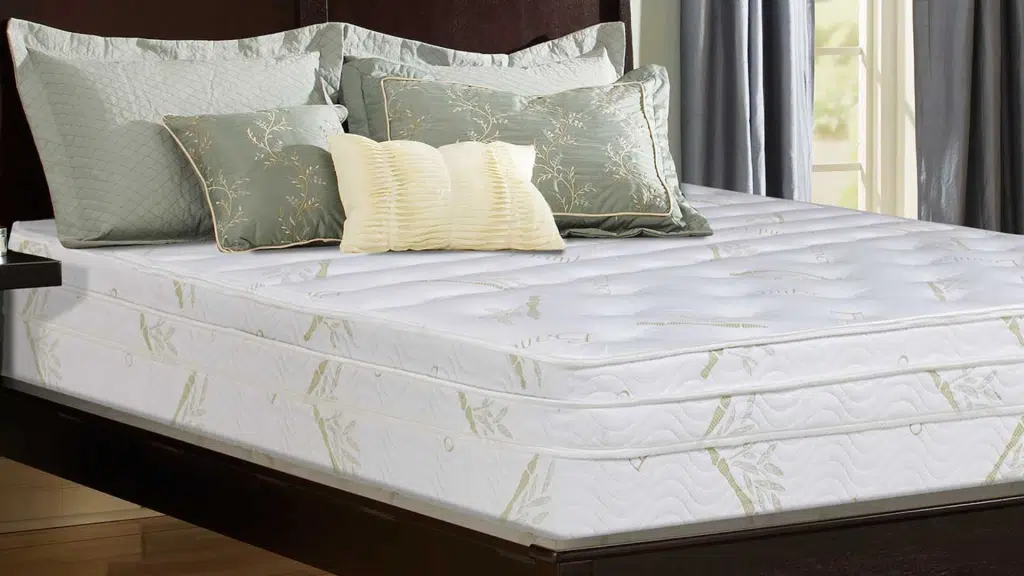
Skincare doesn’t end when you finish your routine – your pillowcase and sheets are in contact with your face for seven or eight hours. Synthetic fabrics can trap heat and bacteria, which isn’t ideal for skin that’s trying to repair itself overnight. Breathable, natural fibers like cotton or bamboo help regulate temperature, which also happens to be one of the biggest factors in sleep quality itself.
Small Ritual, Real Results
None of this requires a skincare overhaul or a drawer full of new products. It requires slowing down for ten minutes before bed and treating that time as non-negotiable, the same way you’d treat brushing your teeth. The compounding effect – better skin recovery, a calmer nervous system, a clearer signal to your body that it’s time to sleep – adds up faster than people expect.
If you’ve been chasing better sleep through supplements, blackout curtains, and white noise machines (all worth having, to be fair), it might be worth starting somewhere simpler: the last ten minutes before you turn off the light.
Looking for a gentler way to start your nighttime routine? Crate 61 makes plant-based, zero-waste bar soaps free from synthetic additives — a small swap that makes the ritual easier to stick with.