If you’ve come across the term nap check and aren’t sure what it really means, you’re not alone. I’ve seen many people assume it’s just a simple daytime nap, but it actually plays a key role in diagnosing serious sleep issues.
If you often feel sleepy even after a full night’s rest, this test can help explain why. A nap check, or Multiple Sleep Latency Test (MSLT), measures how quickly you fall asleep and how your body behaves during short naps.
I’ve worked with people referred for MSLT testing, and the confusion before they enter the sleep lab is common. Many expect a casual rest session but quickly realize how structured and medically precise the process is.
Here, I’ll explain how it works, what the results mean, and how to prepare.
What Does a Nap Check Test (MSLT) Actually Measure
A nap check test, medically known as the Multiple Sleep Latency Test, is a daytime sleep study used to measure how quickly you fall asleep in a quiet setting.
It is usually done after an overnight sleep study, where you must get at least six hours of sleep for accurate results.
The test mainly measures sleep latency, or how fast you fall asleep, and tracks REM sleep during short naps. It also helps distinguish sleepiness from fatigue, since sleepiness means your body wants to sleep, while fatigue is just feeling tired.
A key marker is SOREMP, where REM sleep begins unusually fast. Two or more SOREMPs during the test can strongly indicate narcolepsy.
Why Doctors Recommend a Nap Check
Doctors recommend a nap check when you experience excessive daytime sleepiness that doesn’t improve with rest.
If you find yourself struggling to stay awake during everyday activities, this test can help identify the root cause. It is commonly used to diagnose conditions like narcolepsy, idiopathic hypersomnia, and other sleep-related disorders.
You might need this test if you notice real-life symptoms such as falling asleep during meetings, sudden sleep attacks, or constant brain fog that affects your focus. These signs often go ignored, but they can indicate deeper sleep issues.
A nap check provides clear data so the right cause of your sleepiness can be identified.
Your doctor may also ask you to complete the Epworth Sleepiness Scale before ordering the test. This short questionnaire measures how likely you are to fall asleep in everyday situations, such as sitting quietly or riding in a car, and helps determine whether an MSLT is appropriate for you
How the Nap Check (MSLT) Works
This test follows a structured daytime schedule with repeated naps to measure sleep patterns, latency, and abnormal REM sleep behavior.
Step-by-Step Test Process
Before starting, you complete an overnight sleep study to confirm proper sleep.
- The test happens during the day in a controlled sleep lab environment.
- You are given five nap opportunities spaced two hours apart. The first nap begins one and a half to three hours after you wake from the overnight study.
- You are given 4–5 nap opportunities spaced two hours apart.
- Each nap session lasts around 20 minutes.
- Sensors are attached to monitor brain activity and sleep stages.
- Results are carefully recorded after every nap session.
After completing all naps, doctors calculate your average sleep latency and check for REM patterns to identify possible sleep disorders.
What Happens During Each Nap
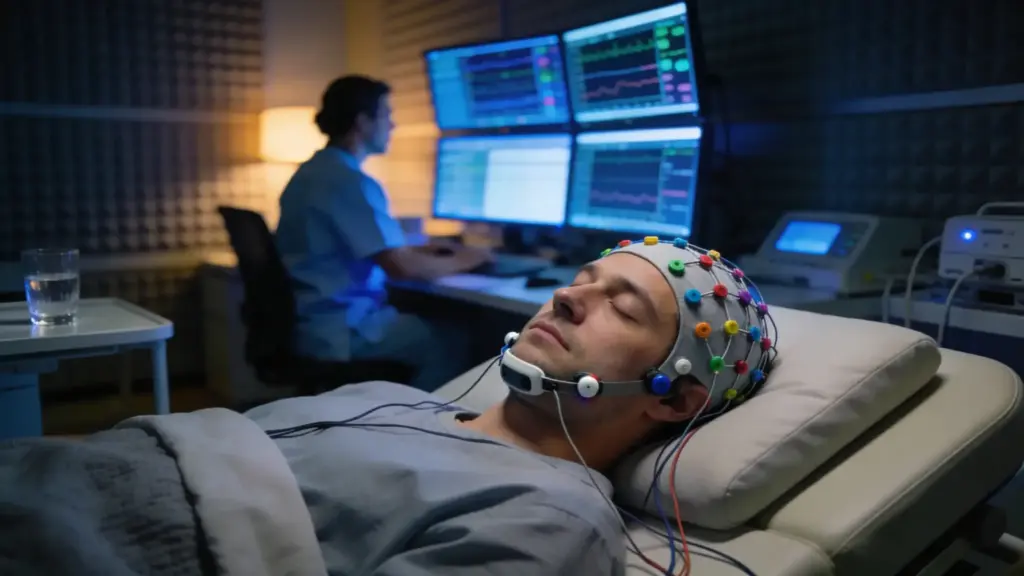
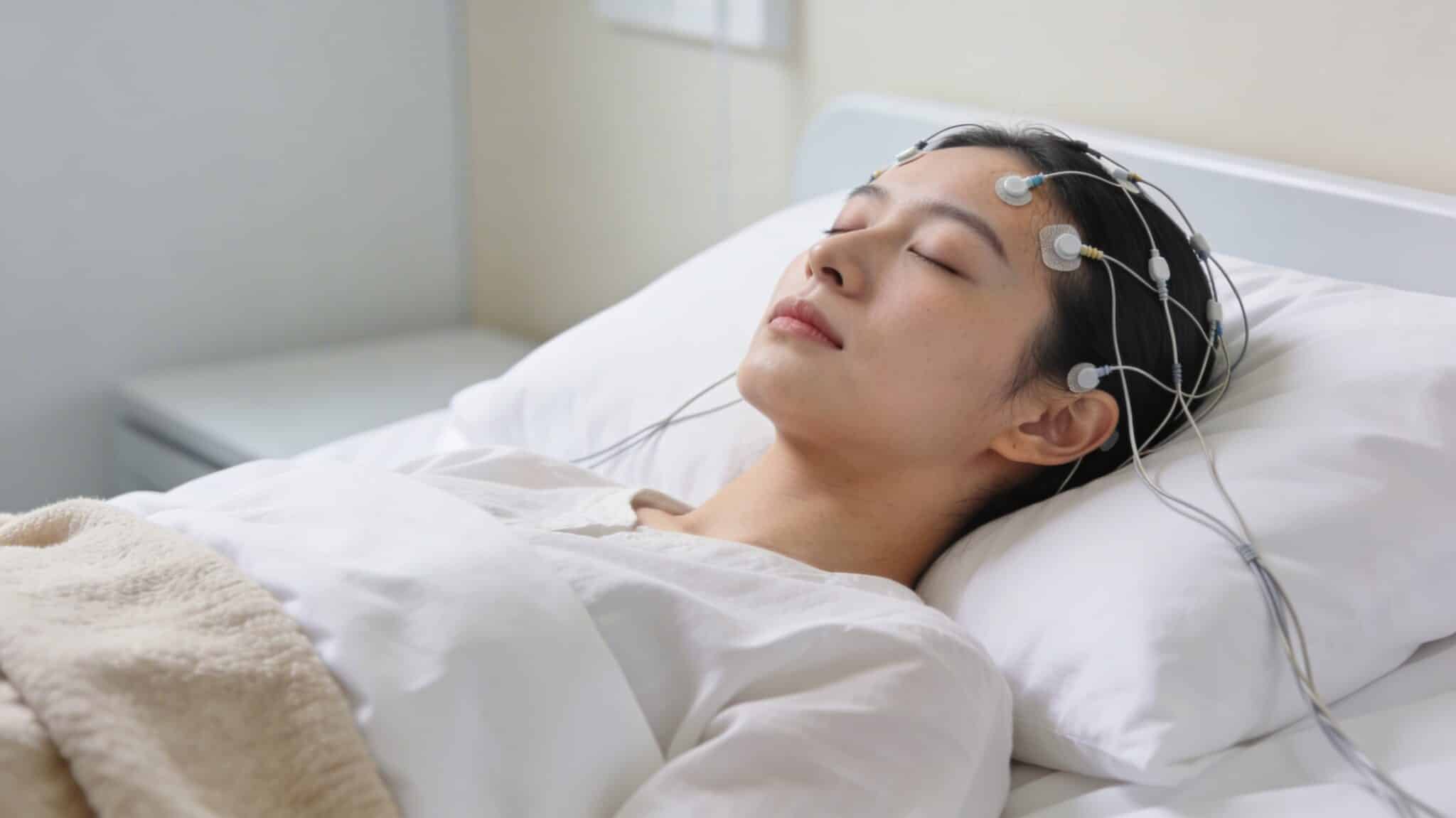
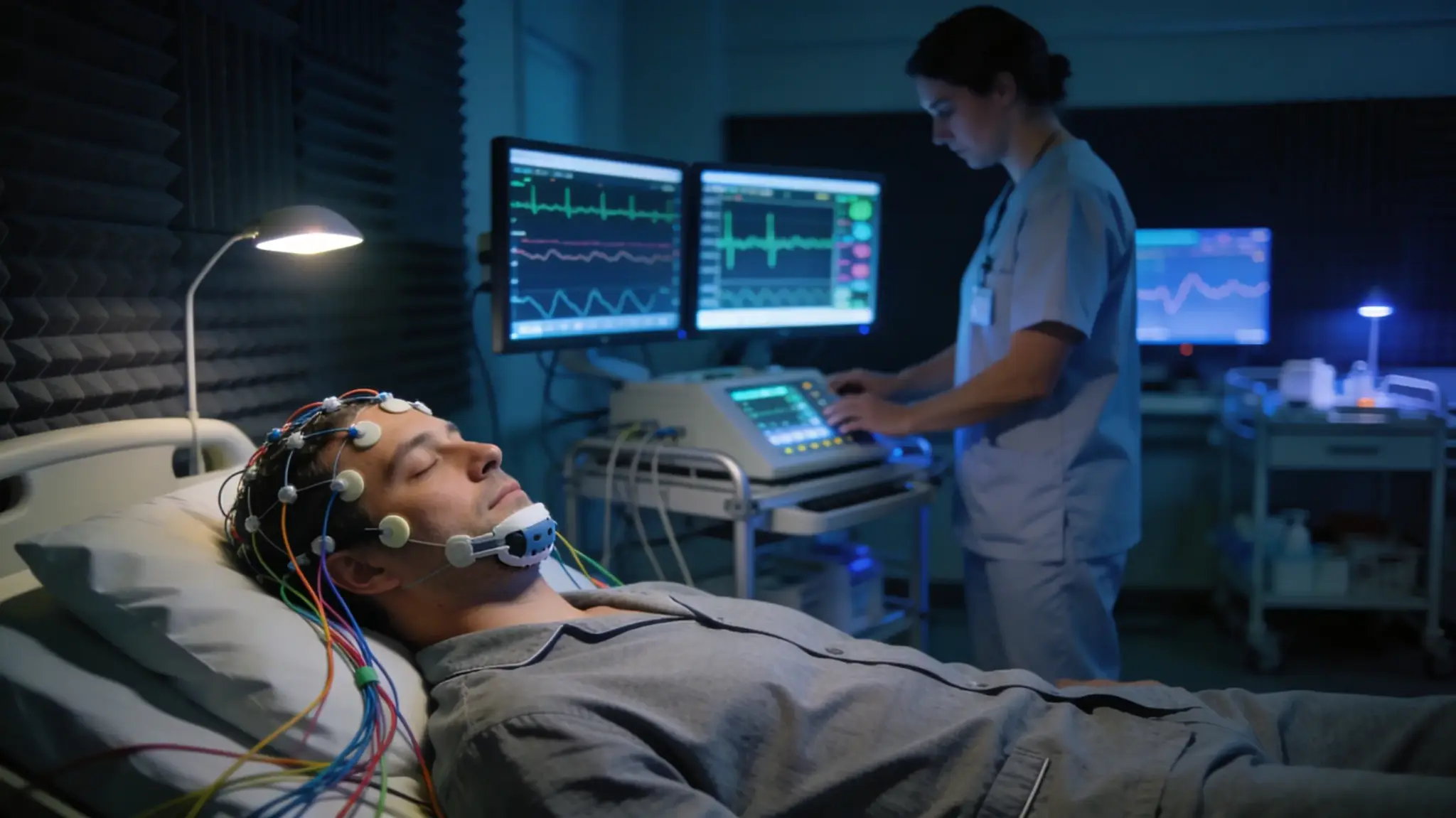
Each nap takes place in a quiet, dark room designed to help you relax and fall asleep naturally. You are asked to lie down and try to sleep while sensors monitor your brain waves, eye movement, and muscle activity.
A sleep technologist places electrodes on your head, face, and chin. These are connected to a computer and are long enough that you can turn over in bed. A low-light video camera allows the technologist to observe you from a nearby room. You can speak aloud if you need anything, and they will respond through a two-way speaker.
If you don’t fall asleep within 20 minutes, the session ends and is still recorded. If you do fall asleep, you’ll be allowed to sleep for 15 minutes before being woken up. Doctors also check how quickly you enter REM sleep, which is an important marker for conditions like narcolepsy and abnormal sleep cycles.
How to Prepare for a Nap Check Test
Proper preparation ensures accurate results by stabilizing your sleep cycle and avoiding factors that may affect your natural sleep patterns.
Before the Test
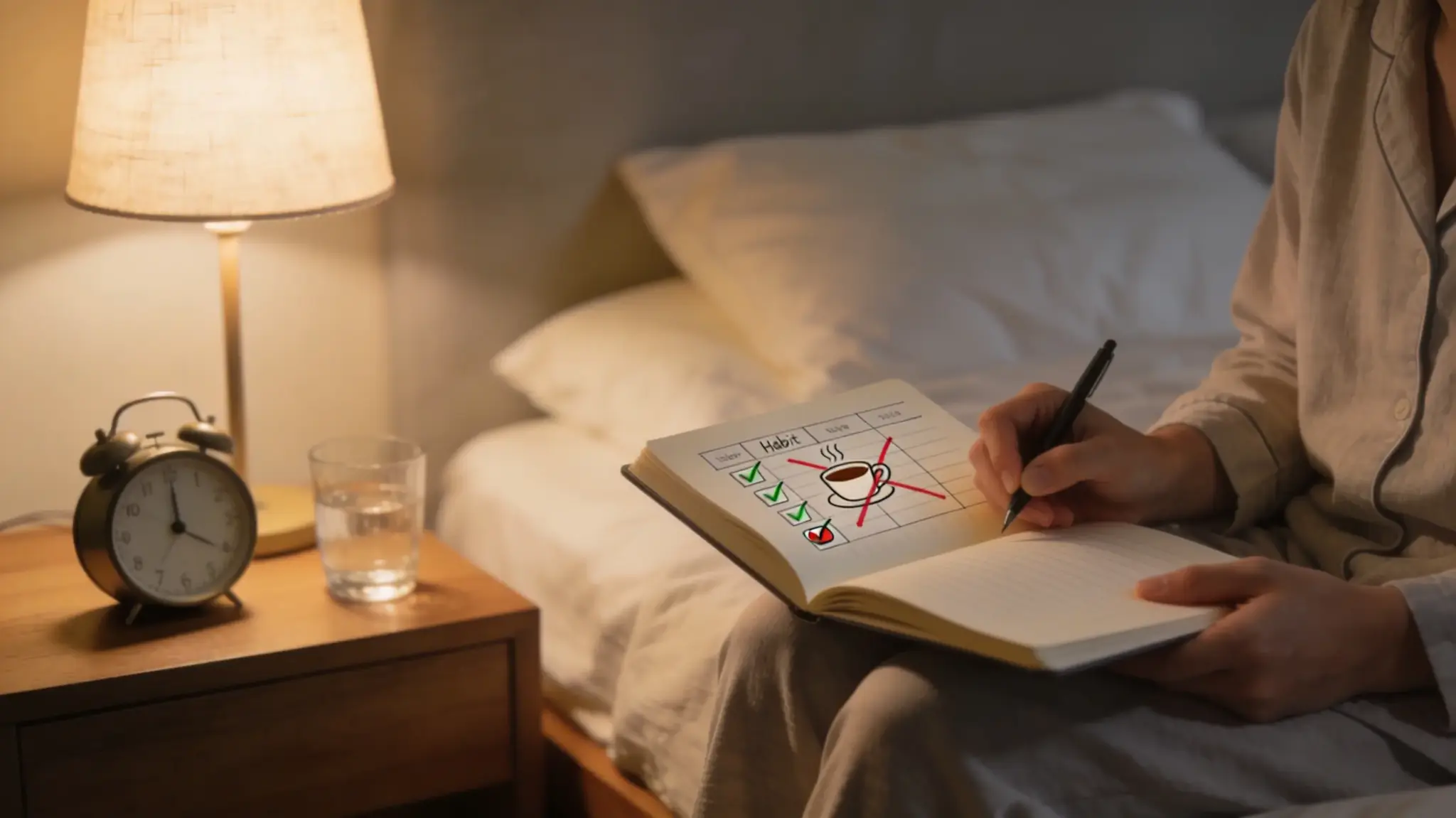
Before your nap check, you need to maintain a consistent sleep schedule for at least one to two weeks. Doctors may ask you to keep a sleep diary to track your habits.
Avoid caffeine, alcohol, and stimulants as they can interfere with results. It is also important to follow your doctor’s advice about medications, as some drugs can affect sleep patterns.
Stimulant medications and sedatives typically need to be stopped at least two weeks before the test, but never adjust or stop any medication without your doctor’s explicit approval.
Poor sleep before the test or ignoring instructions can lead to inaccurate results.
On Test Day
On the day of the test, avoid napping before arriving at the sleep center. Wear comfortable clothing to help you relax during each session. You should also avoid caffeine, nicotine, and energy drinks, as they can delay sleep onset.
Bring your own comfort items if they help, such as a familiar pillow or blanket. The room is designed to be comfortable, but being in an unfamiliar setting can make it harder to sleep, especially if you’re anxious about the test.
Follow all instructions given by your sleep specialist carefully. Small mistakes, like poor sleep the night before or taking certain medications, can affect your results and can affect your results.
Understanding Nap Check Results
Understanding your nap check results helps you see how your body handles sleep during the day. The main factor doctors look at is sleep latency, which is the average time it takes for you to fall asleep across multiple naps.
If you fall asleep very quickly, it usually means your body is very sleepy.
Another key part is REM sleep timing. Entering REM sleep too early during naps can signal conditions like narcolepsy. Doctors combine both sleep latency and REM patterns to make a diagnosis.
Here’s a simple breakdown:
| Sleep Latency | Meaning |
|---|---|
| 0–5 min | Severe sleepiness |
| 5–10 min | Moderate |
| 10–20 min | Normal |
To put these numbers in a clinical context: a mean sleep latency of under 8 minutes combined with two or more SOREMPs typically leads to a narcolepsy diagnosis. A mean latency under 8 minutes with fewer than two SOREMPs points toward idiopathic hypersomnia.
The average person without a sleep disorder falls asleep in around 11 minutes and normally does not enter REM sleep within a short nap at all.
It is worth knowing that MSLT results are not always black and white. Research published in Sleep found that while the sensitivity of two or more SOREMPs combined with a mean latency under 5 minutes was 70%, about 30% of people who met that threshold did not have narcolepsy.
This is why doctors never rely on the MSLT alone; they combine it with your clinical history, sleep diary, and overnight study before reaching a diagnosis. These results clearly show your sleep patterns and guide the next steps.
Who Needs a Nap Check Test
This test is recommended for people showing clear signs of abnormal sleepiness or suspected sleep disorders that affect daily functioning and alertness.
Ideal Candidates:
- Constant daytime sleepiness
- Suspected narcolepsy
- Poor sleep despite full rest
Who May Not Need It:
- Temporary fatigue
- Stress-related tiredness
If your sleepiness is ongoing and affects your routine, this test can provide clear answers.
On the other hand, if your tiredness is short-term or linked to stress, improving sleep habits and lifestyle changes may be enough without needing medical testing.
Benefits of a Nap Check (MSLT)
A nap check provides clear medical insight into your sleep patterns, helping doctors diagnose conditions accurately and plan effective treatments based on measurable data.
| Benefit | Explanation |
|---|---|
| Accurate diagnosis | Identifies disorders like narcolepsy with measurable data |
| Non-invasive | No pain or surgery involved |
| Treatment planning | Helps doctors create targeted treatment plans |
| Better quality of life | Leads to improved energy and daily function |
These benefits make the test a reliable tool for diagnosing complex sleep-related conditions.
Risks or Limitations of MSLT
While useful, this test has limits, and accuracy depends on preparation, sleep quality, and external factors affecting natural sleep behavior.
Limitations
It’s important to understand how preparation and external factors can influence the accuracy of your results.
- Needs proper preparation, including consistent sleep for two weeks beforehand
- Affected by medications, including antidepressants and stimulants
- Not suitable for diagnosing all sleep disorders
Your sleep schedule in the weeks before the test can affect your results. Research published in the Journal of Sleep Research found that delayed weekday sleep patterns and shorter weekday sleep duration increased the likelihood of a positive MSLT result, independent of the actual disorder.
This is one reason why following a strict, regular sleep schedule before the test is not just a recommendation but a clinical requirement. You can see that following instructions carefully plays a major role in ensuring reliable and useful test outcomes.
Possible Errors
Remember that small mistakes in routine or environment can significantly change how your body responds during the test.
- Poor sleep the night before
- Anxiety or stress
It becomes clear that managing sleep habits and stress levels is essential for getting accurate and meaningful results.
Nap Check vs. Other Sleep Tests
Understanding how this test compares with others helps you see why it is used for specific diagnoses and not general sleep evaluation.
| Test | Purpose | Best Used For |
|---|---|---|
| MSLT | Measures daytime sleepiness | Narcolepsy, idiopathic hypersomnia |
| Polysomnography (PSG) | Overnight sleep study | Sleep apnea, REM behavior disorder, and overall sleep quality |
| MWT (Maintenance of Wakefulness Test) | Measures the ability to stay awake | Assessing treatment effectiveness or safety to drive |
The MSLT and MWT are often confused because both take place in a sleep lab and involve scheduled rest periods. The key difference lies in what each test measures.
The MSLT measures how quickly you fall asleep, which helps identify excessive sleepiness and conditions such as narcolepsy. In contrast, the MWT measures how well you can stay awake in a quiet setting, which reflects your level of alertness.
If you are already receiving treatment for conditions like narcolepsy or sleep apnea, doctors may recommend an MWT instead of an MSLT to check how well your treatment is working.
Cost and Availability of the Nap Check Test
A nap check test is usually conducted in specialized sleep clinics or hospitals equipped with sleep monitoring technology. The cost can vary depending on location, facility, and whether additional tests are required. In many cases, insurance may cover part or all of the cost if the test is medically necessary.
On average, the price can range from moderate to high, especially when combined with an overnight sleep study. Accessibility depends on your area, but most major cities have sleep centers offering this test.
Booking typically requires a doctor’s referral, followed by scheduling both overnight and daytime sessions.
When searching for a sleep center, look for facilities that are accredited by the American Academy of Sleep Medicine (AASM). Accredited centers follow standardized protocols, which help ensure your results are interpreted consistently and accurately. Your primary care physician or neurologist can refer you and help determine whether your insurance covers the study.
Tips to Get Accurate Results
Following simple steps before your test ensures reliable results and prevents errors that could lead to misdiagnosis or repeated testing.
- Sleep properly before the test
- Avoid caffeine and stimulants
- Follow the doctor’s instructions strictly
- Maintain a regular sleep routine
- Track sleep habits beforehand
These steps improve accuracy and help doctors make correct decisions based on your results.
Common Myths About Nap Check Tests
Many people misunderstand how this test works, which leads to confusion and incorrect expectations about the process and results.
| Myth | Reality |
|---|---|
| It’s just a normal nap | It’s a structured medical test with sensors, timing, and controlled conditions to track sleep behavior accurately |
| Anyone can take it anytime | It requires a doctor’s recommendation and is usually done after an overnight sleep study |
| Results are instant | Doctors analyze sleep data carefully before giving results, so it takes time |
After clearing these myths, you understand nap check is a structured medical evaluation, not a casual nap or quick test.
Summing Up
Now you know what a nap check is and why it matters. I’ve seen how confusing excessive sleepiness can feel, especially when you don’t know the cause. This test helps you move from guesswork to real answers by measuring how your body responds to sleep during the day.
If you’ve been dealing with constant tiredness or unusual sleep patterns, taking this step can help you find the right solution. Talk to your doctor, follow the preparation steps carefully, and take the test seriously.
If you’ve experienced this before, share your thoughts or questions; it might help someone else going through the same situation.