A comfortable home doesn’t have to start with a major renovation. In many cases, the changes that make the biggest difference are the ones chosen with care: softer lighting, better temperature control, quieter bedrooms, smarter storage, and layouts that make daily life feel less frustrating.
The key is knowing where your money will have the most impact. A clear plan helps you avoid spending on upgrades that look nice at first but don’t change how the home feels day-to-day. With the right priorities, you can protect your budget and create a space that feels calmer, easier, and more enjoyable to live in.
Start With the Rooms You Use Most
The smartest place to begin is with the rooms that shape your daily routine. A guest bathroom may need attention at some point, but if your bedroom feels too bright at night or your living room never feels warm enough, those issues deserve priority. Comfort matters most in the spaces you rely on every day.
Pay attention to the small problems that keep repeating. Maybe the kitchen lighting feels harsh in the evening. Maybe the bedroom curtains let in too much morning light. Maybe the sofa area never stays tidy because there’s nowhere practical to store blankets, remotes, or books. These details can seem minor, but together they affect how relaxed and functional the home feels.
Starting with high-use rooms also keeps your spending focused. Instead of buying small fixes for every corner of the house, put your budget toward changes that solve real problems where they matter most.
Separate Comfort Problems From Style Preferences
A room can look refreshed and still feel uncomfortable. New decor may brighten the space, but it won’t fix drafts, uneven temperatures, poor airflow, awkward layouts, or clutter that makes the room harder to use. Before you spend, separate the upgrades that improve daily comfort from those that mainly change a room’s appearance.
Start with the problems you notice most often. If a room always feels chilly, stuffy, or expensive to keep comfortable, the better choice may be something less visible. Practical home energy upgrades, such as insulation and duct sealing, can improve comfort while reducing energy waste.
Style still has a place, but it should work with the room rather than distract from its problems. A beautiful chair that no one wants to sit in or a trendy light fixture that makes evenings feel harsh won’t do much for daily life. The best upgrades solve a real issue first, then improve how the space looks.
Choose Upgrades That Improve Sleep and Daily Rest
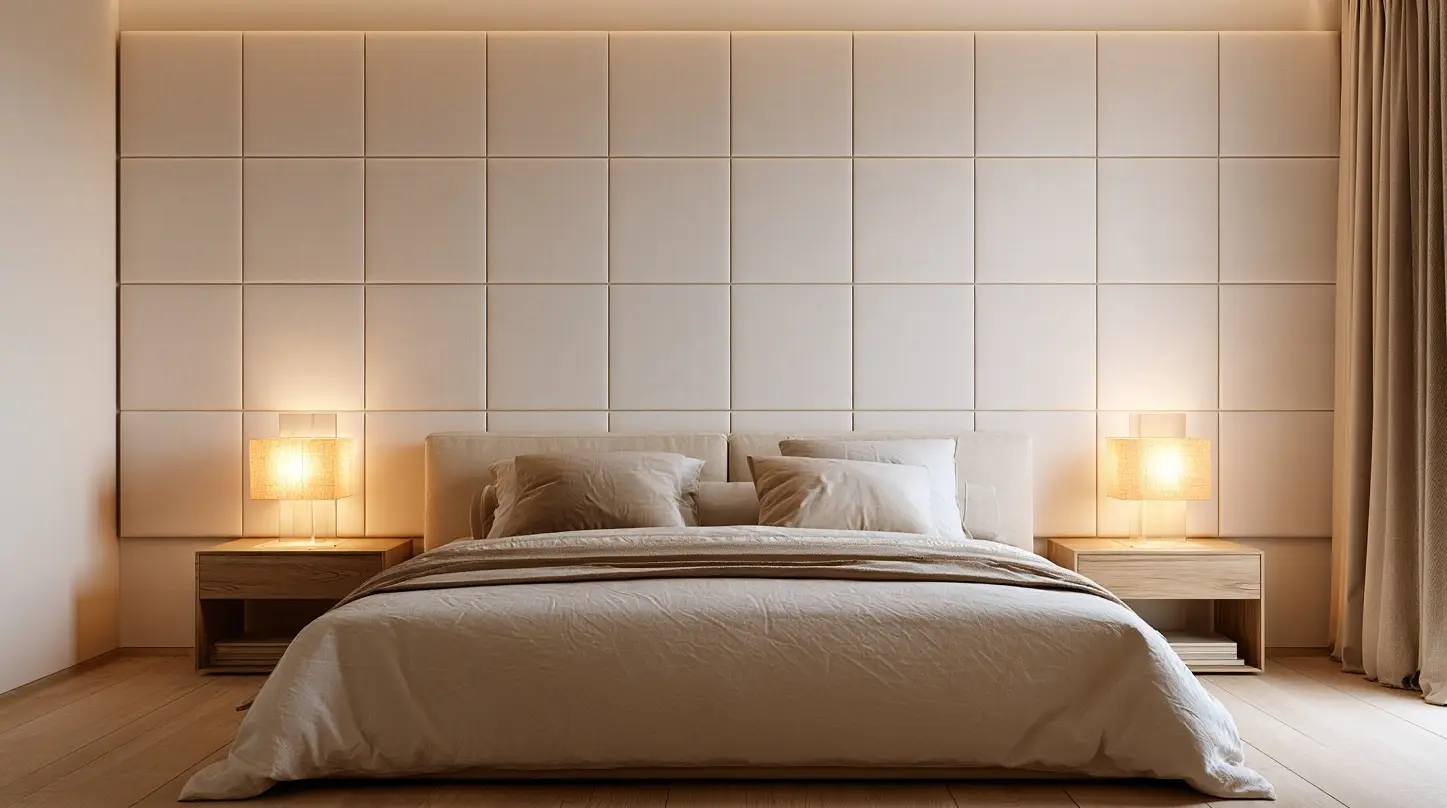
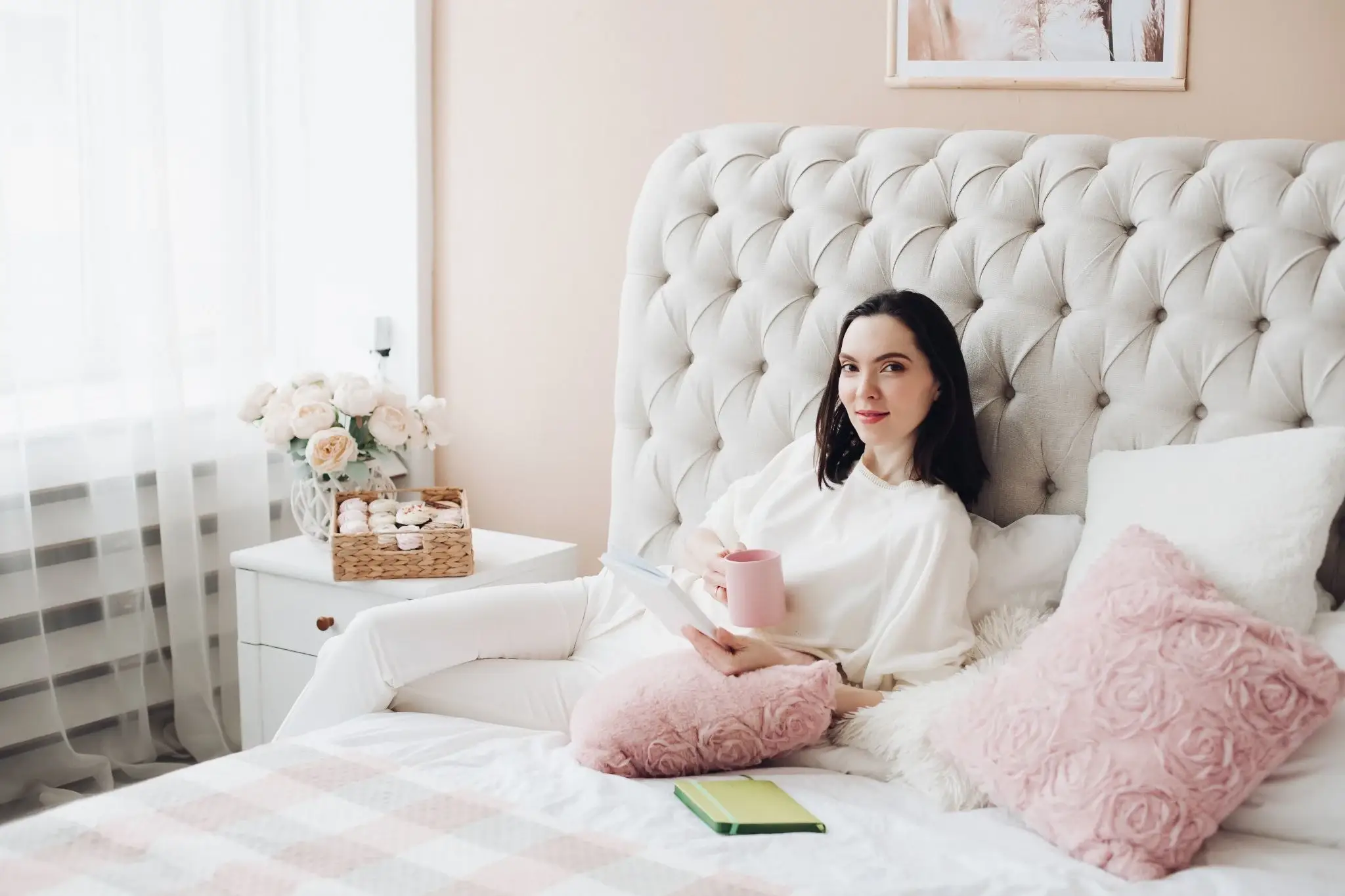
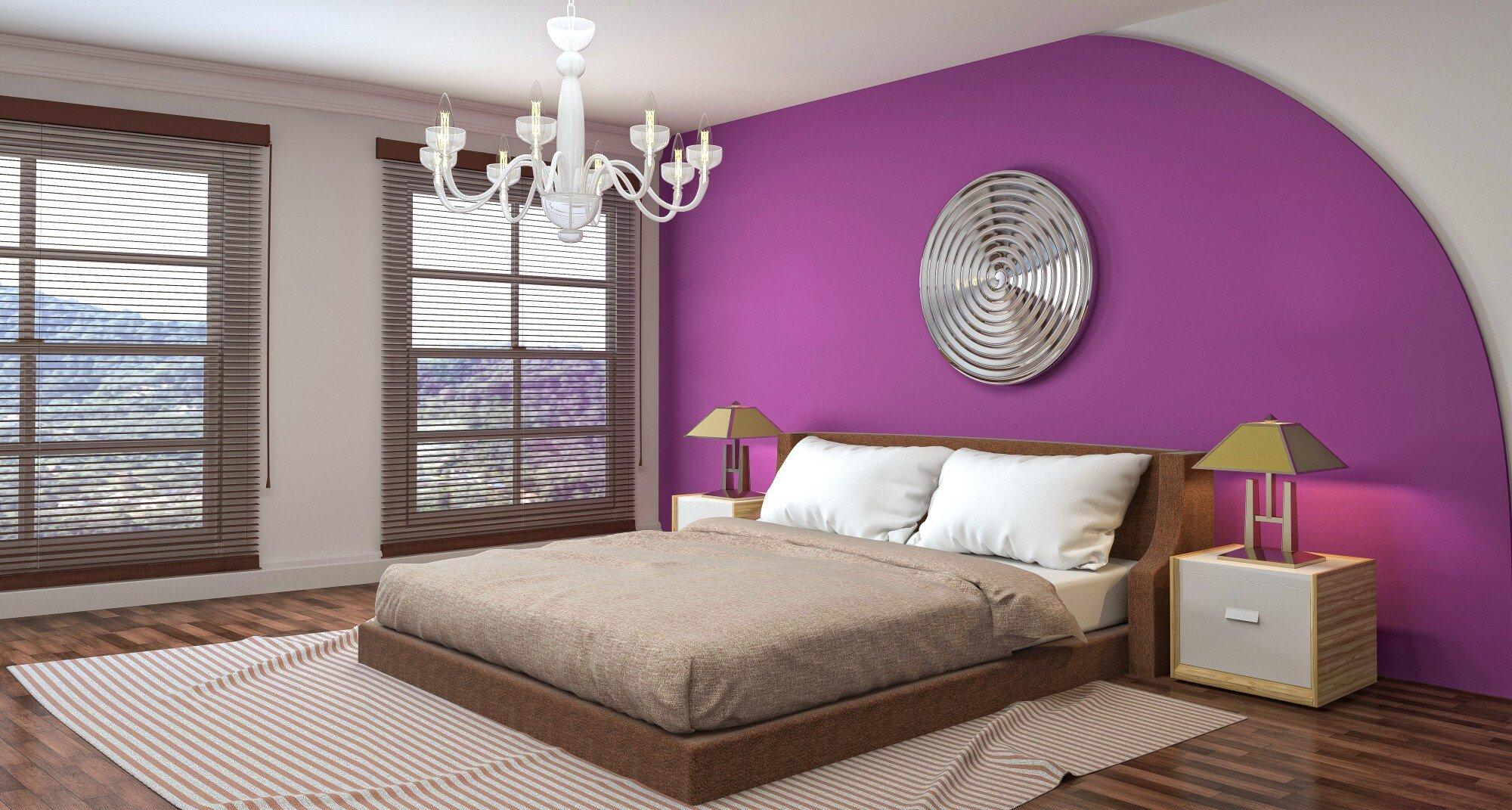
The bedroom is one of the most worthwhile places to spend carefully. It affects how you wind down, how well you sleep, and how rested you feel the next day. Better curtains, softer lighting, breathable bedding, and a more supportive sleep setup can have more impact than a decorative update in a room you rarely use.
Think about what interrupts rest. Morning light, outside noise, a room that runs too warm, or bedding that feels worn out can all make the space harder to relax in. Small changes often help when they address a problem you feel every night.
The same thinking applies throughout the home. The most useful smart home upgrades are the ones that make daily routines feel easier, whether that means steadier temperatures, better lighting, or more control over how each room works. A more comfortable home should feel calm and practical, not crowded with upgrades that compete for attention.
Match Your Budget to How the Space Will Be Used
The same upgrade can be sensible in one home and unnecessary in another. A primary bedroom may justify better window treatments, softer lighting, and higher-quality bedding because those choices affect daily rest. A family guest room might need flexible storage, easy-care fabrics, and a mattress that suits different sleepers. A home prepared for regular short-term stays brings another set of needs, since every choice has to hold up to repeated use, quick turnovers, and varying guest expectations.
That difference should shape the budget before any work begins. Rooms used lightly can often be improved with simple, lower-cost changes. Spaces used often or by different people need materials and systems that can handle wear without creating more work. Washable slipcovers, durable flooring, better ventilation, easy-clean surfaces, and reliable temperature control may matter more than decorative details.
This is where comfort planning begins to overlap with property planning. Owners may need to factor in cleaning costs, insurance, local rules, seasonal demand, replacement schedules, and investment property loans for Airbnb before deciding how much they can comfortably spend upfront.
A realistic budget should match the role the space plays. The more often a room is used and the more pressure it has to perform well, the more valuable, durable, comfort-driven upgrades become.
Prioritize Durable Changes Over Quick Fixes
A tight budget can make quick fixes tempting, especially when a room needs attention right away. The problem is that cheap changes can become expensive when they wear out quickly or need to be replaced repeatedly. A flimsy side table, thin rug, or weak storage piece may solve a short-term issue, but it can also add clutter or leave the room feeling unfinished.
Durability doesn’t always mean choosing the most expensive option. It means choosing pieces and materials that suit the way the space is used. In a busy living room, that might mean performance fabric, sturdy shelving, or lighting that works for reading, relaxing, and hosting. In a bedroom, it could mean stronger curtain hardware, a supportive mattress base, or bedding that holds up through regular washing.
The best upgrades make a home easier to live in and easier to care for. When a choice saves time, reduces repeat spending, and keeps the space comfortable for longer, it deserves a higher place on the list.
Leave Room in the Budget for Maintenance
Comfort can fade quickly when all the money goes into visible upgrades, and nothing is left for upkeep. A room may look finished, but a broken blind, a noisy fan, a loose handle, or a neglected filter can make it feel less cared for. Small maintenance issues often affect daily comfort more than people expect.
Set aside part of the budget for the practical work that keeps everything functioning well. That might include HVAC servicing, paint touch-ups, replacement bulbs, spare linens, carpet cleaning, minor repairs, or seasonal checks around windows and doors. These costs are easy to forget because they don’t feel as exciting as new purchases, but they protect the money already spent.
A good budget leaves the home feeling steady after the work is done. When there’s room for maintenance, comfort doesn’t depend on everything staying perfect. It becomes easier to keep the space clean, calm, and ready for daily life.
Conclusion
The best home upgrades are chosen with purpose. A realistic budget makes it easier to focus on changes that improve comfort, support daily routines, and hold up over time.
Start with the spaces you use most, solve the problems that affect comfort first, and choose materials that match how the home is actually used. When the plan is clear, every upgrade has a better chance of making your space feel easier, calmer, and more comfortable to live in.