
For years, travel culture focused heavily on speed. Travellers attempted to visit as many cities, landmarks, and attractions as possible within limited timeframes. Multi-country itineraries, tightly packed schedules, and rapid airport transfers became standard for both leisure travellers and organised tours.
Recently, however, a different style of travel has started gaining momentum. Slower trips, where travellers spend more time in fewer places, are increasingly associated with better rest, lower physical fatigue, and more sustainable travel habits.
This shift is not simply about relaxation. Researchers, hospitality experts, and travel operators have increasingly observed that slower travel changes how people physically experience movement, sleep, recovery, and daily routines while away from home.
Rather than rushing between destinations, slower travel creates more stable daily patterns. Travellers often walk more consistently, spend less time navigating transport systems, and reduce the physical strain associated with constant transitions.
Across Europe especially, rail journeys, extended countryside stays, river cruising, and regional travel routes are all benefiting from this growing preference for slower movement.
Constant Transit Creates Physical Fatigue
One of the main reasons slower trips feel more restorative is that rapid travel itself places considerable strain on the body.
Frequent airport transfers, irregular sleep schedules, long security queues, delayed meals, and repeated packing and unpacking all create physical disruption. Even when travellers enjoy the destinations themselves, the constant movement between places often leads to accumulated exhaustion by the end of the trip.
Travel researchers have increasingly linked intensive itineraries with poor sleep quality, elevated stress hormones, and higher fatigue levels during holidays.
Long-haul travel also disrupts circadian rhythms, particularly when travellers repeatedly cross time zones within short periods. The body requires time to adjust sleep cycles, digestion, and energy levels after travel days, yet fast-moving itineraries rarely allow sufficient recovery.
Slower travel patterns reduce these disruptions significantly. Spending multiple days or weeks in one location creates more consistent sleeping conditions, more predictable meals, and less overall transportation stress.
River Cruising And Slow European Travel
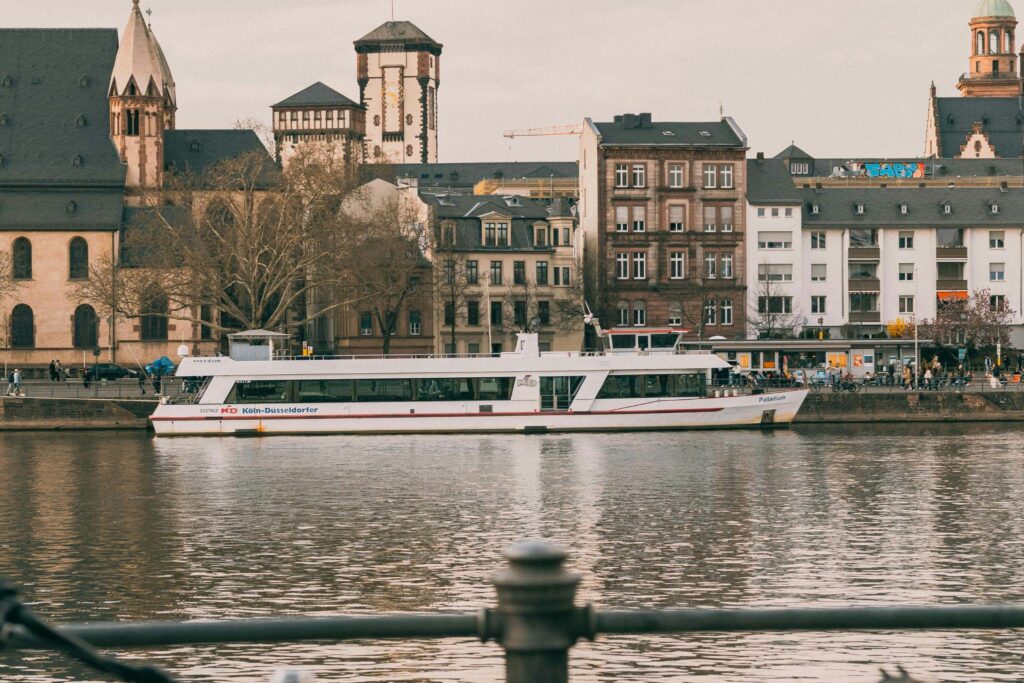
River cruising has become one of the clearest examples of this slower travel trend.
Unlike traditional travel itineraries built around airports and rapid hotel changes, river journeys allow travellers to move gradually through multiple destinations while maintaining stable accommodation, consistent routines, and lower physical strain.
European river routes in particular have gained popularity among travellers seeking quieter forms of exploration that focus more on scenery, regional culture, and manageable pacing rather than nonstop activity. Many travellers exploring slower European journeys begin researching itineraries through older cities, which combine gradual travel through historic waterways with fewer logistical disruptions than traditional multi-city trips.
River cruising also reduces several common travel stressors. Travellers do not need to repeatedly navigate train stations, repack luggage daily, or coordinate constant hotel check-ins. This stability often improves sleep consistency throughout the journey.
The design of river vessels themselves also contributes to slower pacing. Observation lounges, open decks, and uninterrupted landscape views encourage longer periods of stillness compared with faster transport systems.
Arnhem Offers A Quieter Pace Than Larger Tourist Capitals
Arnhem has increasingly become associated with slower European travel because of its calmer atmosphere compared with heavily crowded capitals. Located along the Rhine in the Netherlands, the city combines riverfront scenery, green parks, cycling routes, and walkable districts that naturally encourage slower daily movement.
Unlike destinations where visitors rush between major attractions, Arnhem allows travellers to settle into a steadier rhythm. Riverside cafés, open green spaces, and shorter travel distances between landmarks reduce the physical intensity often associated with city tourism.
Vienna Blends Urban Travel With Long Riverside Views
Vienna remains one of the most popular stops along European river routes partly because the city balances cultural activity with unusually spacious urban planning.
Wide boulevards, riverside walking areas, historic cafés, and extensive public parks help create a slower pace even within a major capital city. Travellers often spend long periods simply walking between districts rather than constantly relying on crowded transport systems.
The Danube corridor also contributes to a calmer style of travel because river arrivals avoid much of the congestion associated with airports and large train terminals.
Strasbourg Encourages Walking Rather Than Rushing
Strasbourg is another river destination where slower travel feels particularly natural.
The historic centre is highly walkable, with canals, pedestrian bridges, and compact neighbourhoods that reduce the need for intensive scheduling. Travellers often move gradually through the city over several days rather than attempting rapid sightseeing.
The combination of river scenery, smaller street networks, and café culture creates an environment where daily routines become less hurried. This slower structure often helps travellers maintain more consistent sleep and meal patterns throughout the trip.
Budapest Combines Thermal Wellness With River Travel
Budapest stands out because the city already has a long-standing connection to relaxation and recovery culture through its historic thermal bath system.
Travellers arriving through Danube river routes often experience a very different pace compared with short urban visits built around flights and packed itineraries. Time spent along the waterfront, in thermal spas, and within older pedestrian districts contributes to a more gradual daily rhythm.
The city’s riverside design also naturally slows movement. Long promenades, historic bridges, and extended waterfront views encourage walking and longer periods outdoors rather than continuous indoor tourism activity.
Why Walking-Based Travel Feels Different
Many slower trips naturally involve more walking.
Historic towns, riverside cities, coastal regions, and countryside destinations are often explored on foot rather than through continuous vehicle transport. This creates a different physical rhythm during travel.
Moderate walking throughout the day has consistently been associated with improved sleep quality and reduced physical tension.
Unlike highly intensive tourism schedules that involve rushing between attractions, slower walking-based travel tends to distribute physical activity more evenly across the day.
Travellers also spend more time outdoors during slower trips, which increases daylight exposure. Natural light plays a major role in regulating circadian rhythms and sleep timing.
In destinations across Europe, travellers increasingly prioritise waterfront promenades, small regional towns, vineyard areas, and pedestrian-friendly districts over dense sightseeing schedules.
Hotels And Accommodation Are Changing Too
The hospitality industry has started responding directly to changing traveller behaviour.
Hotels increasingly market quieter environments, longer stays, wellness-focused amenities, and reduced digital distractions. Properties that once focused heavily on nightlife access or packed activity schedules now increasingly emphasise sleep quality, spa facilities, acoustic comfort, and slower local experiences.
Travel and sleep specialists have repeatedly highlighted the importance of hotel environments in determining overall travel recovery. Noise control, mattress quality, blackout curtains, room temperature, and stable sleep schedules all strongly influence how rested travellers feel during and after trips.
Many travellers also now prefer accommodation that reduces decision fatigue. Smaller boutique hotels, countryside lodges, and river vessels often provide more predictable daily structure than fast-moving urban itineraries.
Fewer Destinations Often Lead To Better Experiences
One of the biggest misconceptions about slower travel is that travellers experience less.
In reality, spending more time in fewer locations often allows deeper familiarity with local routines, regional food culture, neighbourhood rhythms, and natural landscapes.
Travellers are more likely to revisit the same café, walk the same streets at different times of day, or notice details that are usually missed during compressed itineraries.
This also changes eating patterns. Rapid travel schedules often lead to irregular meals, airport food, or rushed dining. Slower travel typically allows more stable meal timing and more balanced eating habits.
Longer stays also reduce the pressure to maximise every hour of the trip. Instead of trying to complete exhaustive attraction lists, travellers often begin prioritising comfort, pacing, and environmental quality.
Digital Fatigue Is Influencing Travel Behaviour
Another factor driving slower travel is increasing digital exhaustion.
Modern travel planning frequently involves continuous phone use, booking management, navigation apps, ticket confirmations, and social media documentation. Fast-moving itineraries amplify this constant digital interaction.
Slower trips reduce the need for continual logistical management.
River cruises, countryside stays, and longer hotel visits create environments where travellers spend less time checking schedules and more time maintaining stable routines. Reduced transportation coordination also decreases the number of daily decisions travellers need to make.
This behavioural shift has become increasingly visible among travellers seeking trips that feel physically restorative rather than highly productive.
Transport Infrastructure Is Supporting The Shift
Across Europe, slower travel has also become more practical due to expanding rail and river infrastructure.
Many travellers are now intentionally choosing trains, ferries, and river routes over short-haul flights, partly because these forms of transport allow smoother transitions and more gradual movement between destinations.
Train travel and river cruising also expose travellers to changing landscapes continuously rather than separating destinations through airport terminals and flight cabins.
Scenic rail corridors and river systems increasingly form the centrepiece of travel itself rather than simply functioning as transportation between attractions.
Travel Is Becoming More About Recovery
The growing interest in slower travel reflects broader changes in how people think about rest and recovery overall.
Rather than viewing holidays as opportunities to maximise activity, many travellers now prioritise physical comfort, sleep quality, manageable pacing, and reduced logistical stress.
This does not necessarily mean doing less. Instead, it often means moving differently.
River journeys, extended regional stays, walking-focused destinations, and lower-intensity itineraries allow travellers to maintain steadier routines while still experiencing new environments.
As travel habits continue evolving, slower trips are increasingly being recognised not simply as a trend, but as a more sustainable and physically restorative way to experience travel itself.