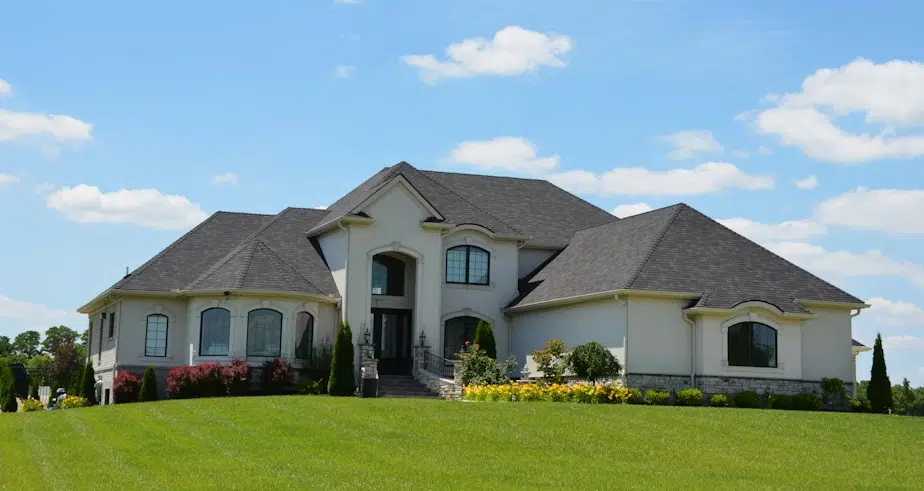
In Atlanta, homes deal with constant pressure from heat, humidity, and sudden storms. Over time, that exposure starts to show—but rarely in obvious ways at first. Many homeowners don’t realize something is wrong until they’re dealing with a leak, a repair bill, or visible damage. By that point, the issue has usually been building for months.
Knowing what to look for can help you catch problems early, keep repair costs manageable, and avoid bigger disruptions later. This guide breaks down the subtle signals your home gives when it needs attention.
Cracks That Keep Reappearing
Small cracks around walls, windows, or door frames often get patched and forgotten. The problem starts when those same cracks return in the exact spot. That usually points to movement in the structure rather than surface damage. Shifting soil and moisture changes can cause gradual movement in a home’s foundation.
These shifts don’t always lead to immediate damage, but they do create stress in certain areas. If you notice cracks widening slightly or spreading into nearby sections, it’s worth paying closer attention.
Shingles That Don’t Look Quite Right
Your roof rarely shows obvious damage right away. Instead, it starts with small changes that are easy to miss from the ground. Shingles may curl slightly at the edges, lose their color, or look uneven in certain sections. You might also notice small granules collecting in gutters after rain.
These are early signs that the material is wearing down. Constant sun exposure and storms speed up that process. If one section looks different from the rest, it usually means that area is aging faster or taking on damage. A local Atlanta roofer can take a closer look and help you understand whether it’s normal wear or something that needs attention before it leads to leaks.
Sticky Doors and Misaligned Windows
When doors start sticking or windows feel harder to open, many people blame the weather and move on. While humidity can cause wood to swell, consistent difficulty often points to something more. Frames shift when the structure around them moves, even slightly. This can happen slowly, which is why the change feels gradual. Check if gaps around the frame look uneven or if the latch no longer lines up properly.
These small changes can signal early structural movement or moisture issues inside the walls. Fixing the alignment without addressing the cause won’t last long. It’s better to understand what’s pushing things out of place before the problem spreads to other areas of the home.
Energy Bills That Quietly Climb
A steady increase in your energy bill without any major lifestyle change usually has a reason. Homes lose energy through small gaps in insulation, aging materials, or areas where air escapes without notice. The roofline, attic, and window seals are common problem spots. Your cooling system already works hard, so even a small inefficiency can raise costs over time.
If certain rooms feel warmer than others or your system runs longer than usual, it’s worth checking for hidden gaps. Many of these issues don’t show visible damage, which is why they often go unnoticed. Addressing them early can improve comfort and keep monthly expenses from creeping higher.
Lingering Musty Smells Indoors
A musty smell that doesn’t go away after cleaning usually points to moisture trapped somewhere it shouldn’t be. This could be inside walls, under flooring, or in areas like the attic or crawl space. In a humid city, moisture builds up easily, especially in poorly ventilated spaces. The smell may seem mild at first, but it often gets stronger over time.
Ignoring it can lead to damage that spreads quietly behind surfaces. Pay attention to when and where the smell appears. If it’s stronger after rain or in certain rooms, that gives you a clue about the source. Finding and fixing the moisture issue early prevents larger repairs later.
Paint That Doesn’t Hold Up
Fresh paint should last for years, so when it starts peeling, bubbling, or cracking sooner than expected, there’s usually an underlying issue. Moisture is one of the most common causes. It can come from inside the home, such as poor ventilation, or from outside due to leaks or exposure. Humidity often plays a role in breaking down paint faster than expected.
Look closely at areas where paint is failing. If it’s happening in patches rather than evenly, that points to a specific problem spot. Repainting without fixing the cause only delays the issue. It’s better to identify where the moisture or airflow problem is coming from before applying a new coat.
Soft Spots or Uneven Areas Underfoot
Flooring should feel solid and level as you walk across it. If you notice slight dips, soft areas, or a feeling of movement, something underneath may be weakening. This often happens when moisture gets into the subfloor or support structure. Bathrooms, kitchens, and areas near exterior walls are common trouble spots.
In crawl space homes, poor ventilation can trap moisture and slowly affect the wood framing. The change might feel minor at first, but it rarely stays that way. Check if the area feels worse after rain or over time. Addressing the cause early helps prevent more extensive structural repairs and keeps the flooring stable and safe.
More Dust Than Usual Around the House
If you find yourself cleaning more often but still seeing dust settle quickly, your home may have small gaps or airflow issues. Dust enters through tiny openings around windows, doors, and attic spaces. It also builds up when your HVAC system struggles to filter air properly due to leaks or poor sealing.
In older homes, worn insulation and aging ductwork often play a role. Pay attention to how quickly surfaces collect dust after cleaning. If it returns within a day or two, it’s worth checking your air system and sealing points. Improving airflow and closing gaps can make a noticeable difference in both cleanliness and indoor comfort.
Homes rarely develop major problems overnight. Most issues start small and build over time, often showing up in ways that are easy to overlook. Paying attention to these subtle signs gives you a clear advantage. You can fix problems early, avoid higher repair costs, and keep your home comfortable through every season.
A quick check now can prevent a long and expensive project later. Stay aware of changes, even minor ones, and take action when something feels off. Consistent care keeps your home in good shape and helps you avoid the stress that comes with unexpected repairs.