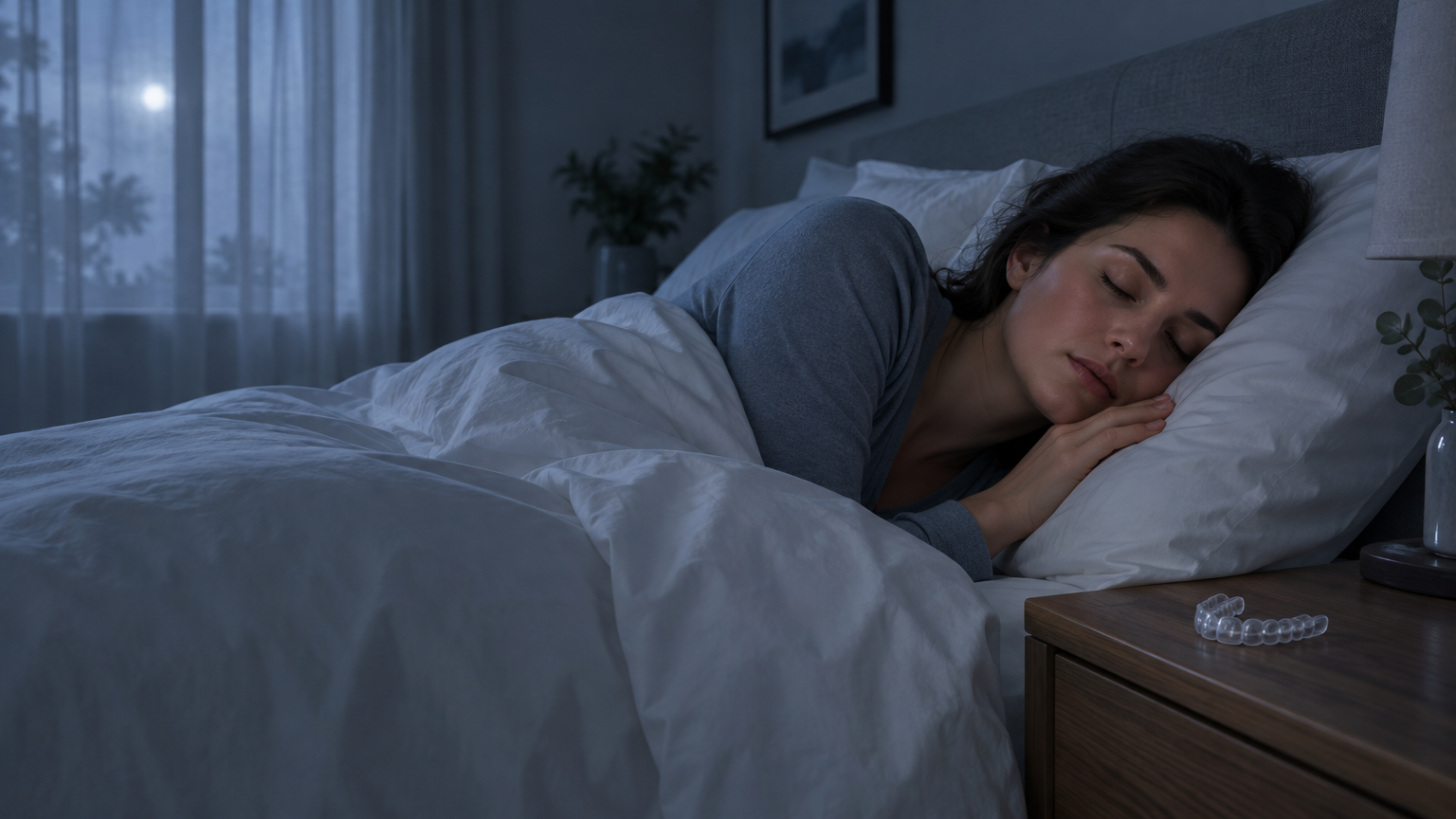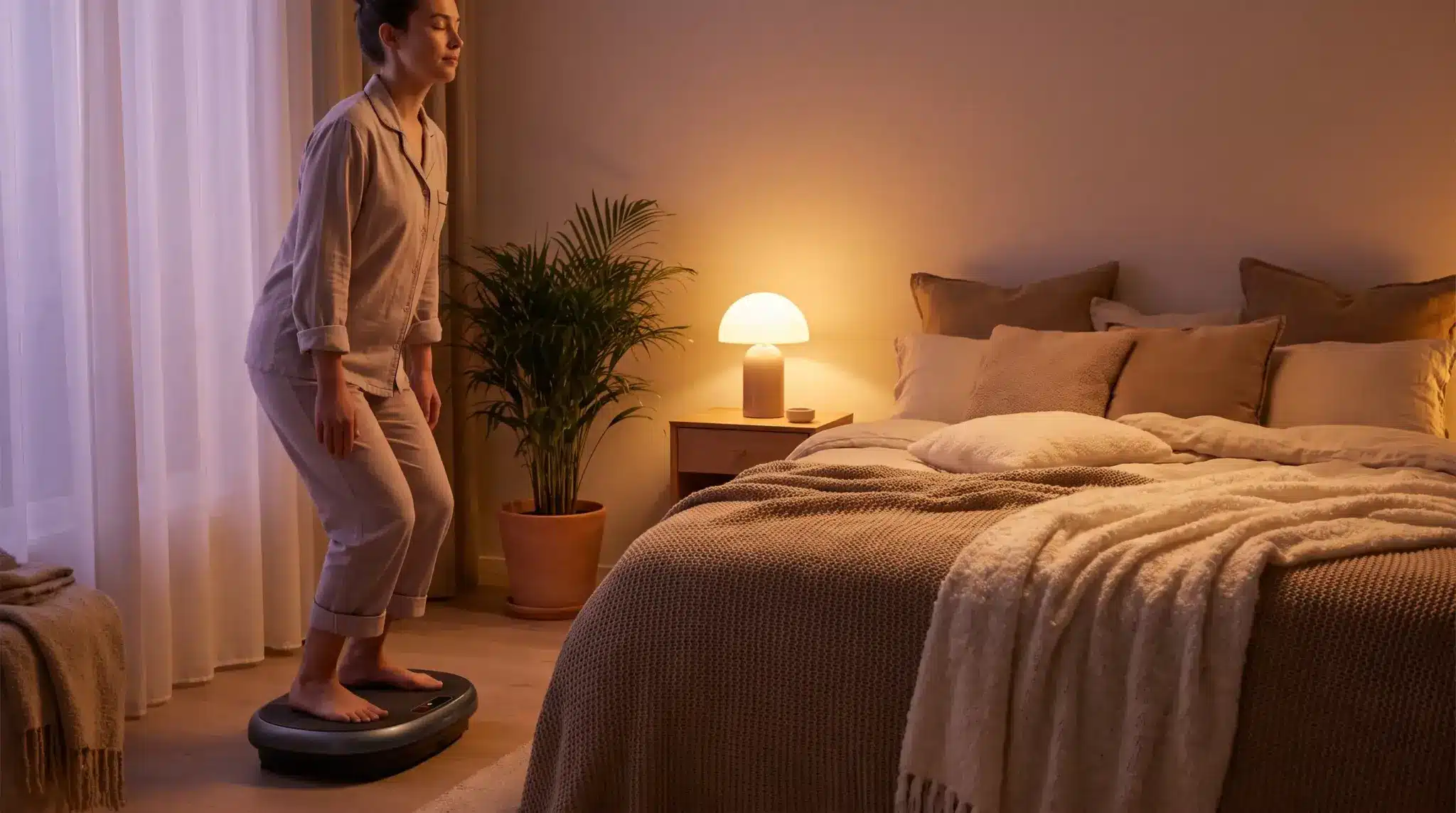
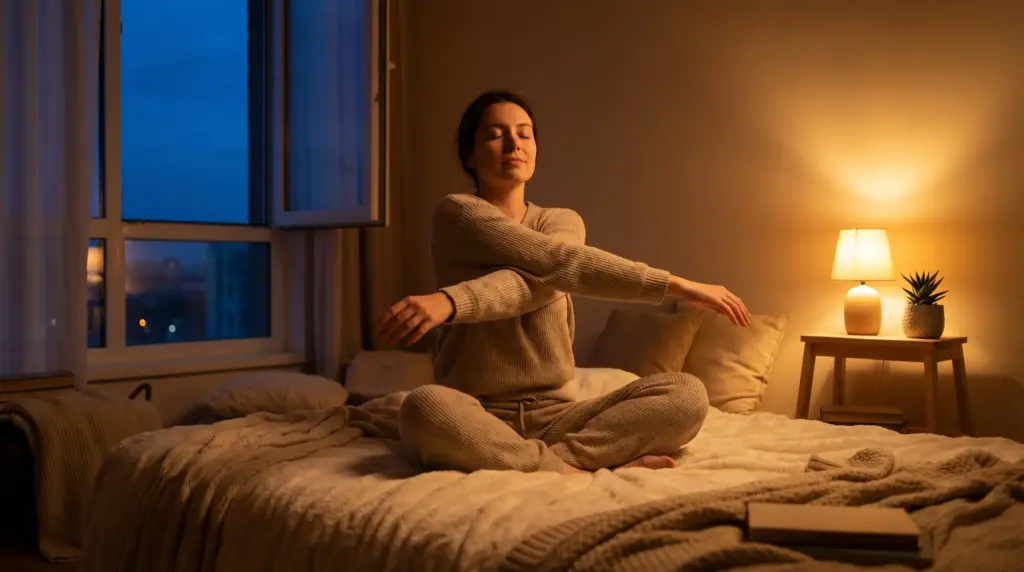
People spend almost half their lives sleeping, and this part of our lives influences our state of mind when we’re awake. Healthy sleep is important for physical and mental health, productivity, and well-being. Everything you do before bed affects its quality. Many people tend to fall asleep quickly, while others drift off within two minutes. However, everyone would benefit from learning a set of healthy habits that will help improve their ability to fall asleep and stay asleep, regardless of their life circumstances.
Adjust the Evening Lighting and Put Away the Gadgets
Limit your exposure to bright light in the evenings. Remove electronic devices at least 30 minutes before bed. Blue light from tablets, laptops, and smartphones interferes with sleep by suppressing the production of melatonin, which is an important sleep hormone. A good solution is a warm light lamp or a nightlight.
This helps the body gradually prepare for rest and natural sleep. It’s important to avoid intense mental work or watching fast-paced content before bed. Instead, you can read a paper book or simply daydream. This evening routine helps stabilize your biological rhythm and improves sleep quality.
Playing Games and Relaxing
Every person should spend the evening before going to bed in a calm atmosphere, choosing activities that help them relax after a busy day. People from New Zealand prefer light online entertainment that does not require intense concentration. Calm gaming sessions in online casinos can be a way to switch attention and distract from everyday affairs.
The main thing is to choose a moderate pace of the game and not spend too much time on it. The Casinos Analyzer website can help you choose a quality casino, where you can view available bonus deals and study the list of establishments that are legal in New Zealand. But some alternatives can be a more relaxing type of recreation:
- Light stretching or yoga;
- Meditation or breathing exercises;
- Listening to calming music;
- A warm shower or bath.
All of the above activities help reduce stress levels and gradually slow down the nervous system. Many NZ experts recommend creating your own evening ritual, which will be repeated daily. This helps to form a stable regime and signals the body that it is time for sleep. Thanks to regular relaxing practices, falling asleep can become faster, while sleep will be deeper and of better quality.
Eating Before Bed
An unhealthy diet can lead to sleep problems. This desire arises because we often start the workday without breakfast, eat a quick lunch, and only return for dinner. Dinner, which should be the lightest meal, instead becomes an excuse to overeat. Excess caffeine, overeating at night, sweets, and fast food can also impair sleep. Late and heavy meals force the digestive system to work actively when the body should be preparing for rest. This can cause:
- Discomfort;
- Heartburn;
- Difficulty falling asleep.
It’s better to choose light foods, where vegetables, yogurt, or a small portion of protein are good solutions in the evening. Refusing stimulants and big meals two or three hours before bedtime helps the body.
Air Out the Room Before Bedtime
Ventilate your room thoroughly before going to bed. Fresh air promotes sleep. Maintain a comfortable, cool temperature in the room, ranging between 17°C and 20°C. Sleeping in a stuffy room can lead to headaches later.
Research from the University of Otago in New Zealand has proven that fresh air and good air circulation in the bedroom have a positive effect on sleep and overall well-being, so it’s a good idea to open a window and door before going to bed.
This creates air circulation and reduces carbon dioxide levels, resulting in a more restful and sound sleep. However, if we are talking about autumn, winter, or early spring, it is best to close the windows during the rest period to avoid catching a cold.

Exercise Every Day
Regular physical activity promotes deeper sleep and helps regulate your internal biological clock. Aerobic exercise, walking, jogging, or cycling are ideal activities for those who want to learn how to improve sleep naturally. Avoid intense exercise within two hours of bedtime, as it can cause increased alertness and delay sleep onset.
Morning or daytime workouts are especially beneficial because they help stabilize your natural sleep-wake cycle. It’s important to be consistent and try to exercise at the same time every day.
How to Fall Asleep Quickly if you Have Insomnia?
Insomnia almost always appears because of stress, irregular schedules, excessive use of mobile devices, or incorrect evening habits. When your brain is overloaded with thoughts, it’s hard for your body to quickly fall asleep. It’s important to create the right conditions and follow simple techniques that help your body relax.
Some methods can help calm your nervous system and prepare you for sleep faster after playing in online casinos, while the website of Casinos Analyzer provides information about trusted gambling clubs and accessible promotions.
Breathing Techniques for Falling Asleep Quickly
Slow, deep breaths can assist in reducing stress levels and stabilizing your heart rate. There’s a 4-7-8 technique, which involves breathing in for 4 seconds, then holding the breath for 7 seconds, and breathing out slowly for 8 seconds. Repeating this kind of exercise two or three times will help relieve tension and distract anyone from worrying thoughts.
Regularly practicing breathing exercises before bed signals the brain that it’s time to rest. Tests show that by using this practice, anyone can fall asleep within 10 minutes.
Relaxing the Body and Reducing Tension Before Bed
Relaxing your muscles before bed helps your body to go to sleep faster. One effective way is to gradually relax your muscles from your feet to your neck. You need to tense each muscle group in turn for a few seconds to do this, and then relax them completely.
This practice reduces physical tension that accumulates during the day. Light stretching or calm eye exercises before bed can also be useful.