Remember the last time you were near the ocean? The air felt different, the sound of the waves slowed everything down, and being by the water for even a few minutes made the day feel better. People tend to remember the calm, steady rhythm of the sea.
It’s not surprising that a lot of people want to bring that feeling inside. Coastal design has become more and more popular because it makes everyday living spaces feel like they are outside with water, air, and natural textures. Rooms feel brighter and less crowded when they have light colors, soft blues, sandy tones, and natural materials.
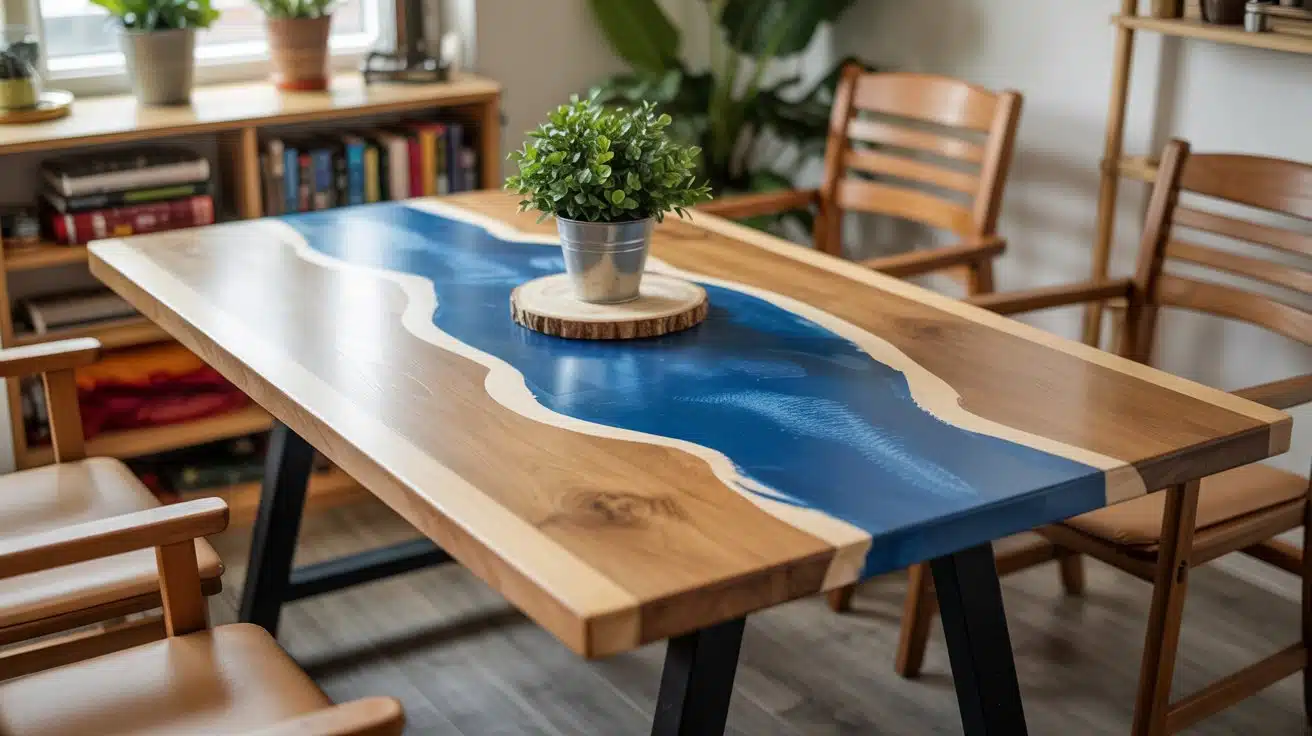
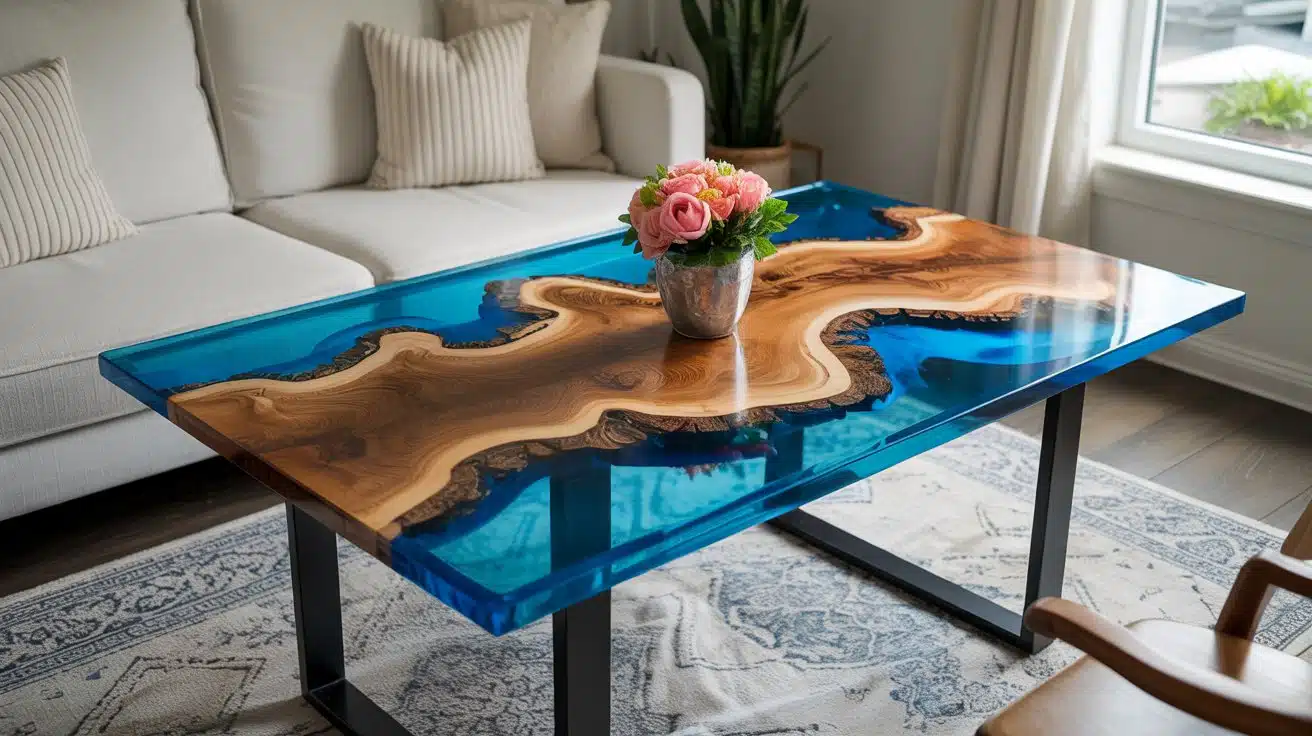
This style naturally leads to furniture that looks like ocean scenes. It’s surprising how well tables made of wood and resin can show the movement of water. In some pieces, the resin moves across the surface like a shallow tide, creating patterns similar to those seen in epoxy ocean tables, such as the designs featured at Thunderwood Studio. The effect is small but powerful, like a piece of shoreline that has been frozen in time inside the table.
These tables don’t usually blend in with the rest of the furniture in the room. People see them. Sometimes they stop for a second to figure out if what they’re looking at is wood, water, or a mix of the two.
The Concept of Epoxy Tables Inspired by the Ocean
The idea seems simple at first: wood and resin mixed together. But the end result can be surprisingly complicated.
Each wooden slab has its own grain, lines, and flaws that come from nature. Resin doesn’t hide those details; it brings them out. The resin starts to look like water when pigments are added. It can be clear and shallow or deep and almost stormy.
This mix makes a small landscape.
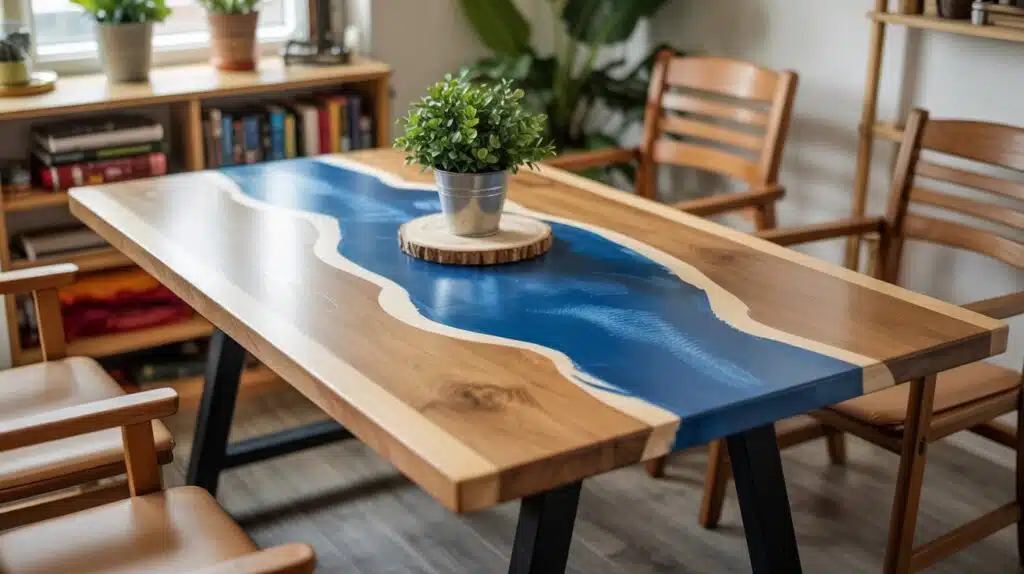
You might see: blue resin that flows like a river mouth, white swirls that look like sea foam, warm wood edges that feel like sandy shorelines, and clear layers that look like the depth of clear water.
No template decides how the end product will look. The final pattern can be affected by how the resin spreads, the direction of the wood grain, and even small air bubbles.
Because of this, two tables almost never look the same.
Why These Tables Work So Well in Coastal Homes
Balance is important in coastal interiors. Too many decorative items can make the room feel like a theme or fake. The goal is usually something softer, like a hint of the sea instead of a literal recreation.
Epoxy tables that are inspired by the ocean are great because they add to the theme of a room without taking over.
Instead of putting a lot of beach-themed things in a room, a single table can make you feel like you’re near water just by using color and texture.
This piece becomes the quiet center of attention in many rooms.
It goes well with: linen fabrics, light oak or maple furniture, woven materials like rattan, ceramic decor in neutral colors, and big windows that let in natural light.
The colors of the resin surface often change a little during the day when the sun hits it. It might look pale blue in the morning, but evening light can make the colors darker.
These little changes make the furniture look surprisingly lively.
Where Ocean-Inspired Tables Look Best
People often think of these tables as only being in living rooms, but they can be used in other parts of the house as well.
Rooms for Living
Coffee tables with ocean-style resin patterns naturally catch the eye. They make the seating area look more stable without being too heavy or bulky.
Guests often see them right away, and some even lean in to get a closer look at the patterns inside the resin.
Rooms for eating
In dining rooms, big resin tables make a big statement. The edges of the natural wood often look like a shoreline, and the resin “water” flows through the middle.
This mix gives the dining room a relaxed but classy feel.
Offices at Home
These tables are also interesting because they can be found in home offices. The flowing patterns can make the workspace feel less stiff and more like home.
Even small reminders of nature can help people who work inside for long periods of time.
The Creative Side of Resin Furniture
One reason people are drawn to epoxy tables is that they make it hard to tell the difference between art and furniture.
Most of the time, traditional tables have strict symmetry and a uniform design. Resin tables don’t do this very often. The wood slab might bend in a way you didn’t expect, or the resin might make organic patterns that no machine could copy.
The process itself usually has a few artistic steps:
adding layers of resin in stages, changing the pigments to get the right color depth, shaping wave-like textures, and sanding and polishing until the surface is as smooth as glass.
The tabletop often looks almost three-dimensional when it’s done.
Some people say it looks like a frozen wave.
How to Look Like You’re on the Coast
To make an ocean-inspired table feel like it belongs in the room, the rest of the room should be pretty simple.
Here are a few useful suggestions:
Use soft, neutral colors and natural materials like cotton, linen, or jute. Don’t put too much shiny furniture nearby. Instead of obvious beach decor, use subtle coastal textures.
Sometimes the best design choice is to hold back. The table stands out when the things around it are calm and simple.
Why Ocean Themes Keep Coming Back
Trends in interior design come and go quickly, but themes that have to do with nature don’t go away very often.
Water, in particular, is something that everyone likes. It stands for movement, openness, and peace. Even small things that remind you of water, like colors, reflections, and flowing shapes, can change how a room feels.
Epoxy tables that are inspired by the ocean bring those qualities to life in a way that is surprisingly real. They use both natural materials and modern techniques to make furniture that looks and feels both modern and timeless.
If you want to see more examples of ocean-themed epoxy furniture and similar designs, you can find more ideas here.