
I used to think that constantly struggling to keep my eyes open was just part of being busy.
But when I found myself nodding off during important conversations and fighting to stay awake even after a full night’s sleep, I knew something wasn’t right.
If you’re experiencing this too, it’s more common than you might realize, and it’s not just about being tired.
This persistent, overwhelming need to sleep can actually signal excessive daytime sleepiness or hypersomnia, conditions that deserve proper attention.
Understanding what’s happening in your body is the first step toward reclaiming your energy and feeling like yourself again.
What It Really Means When You Can’t Keep Your Eyes Open?
When you can’t keep your eyes open, it’s easy to dismiss it as simple tiredness. But there’s actually a medical term for this: excessive daytime sleepiness, or EDS.
This goes beyond feeling fatigued; it’s an overwhelming urge to sleep that persists even when you’ve gotten enough rest.
In some cases, this points to hypersomnia, a chronic condition where your body demands sleep regardless of how much you’re already getting.
It’s important to distinguish between sleepiness (a need to sleep), fatigue (physical exhaustion), and low energy (mental or emotional depletion), as each has distinct underlying causes and requires different approaches to treatment.
Symptoms that Accompany “Can’t Keep Eyes Open” Episodes
When your eyes refuse to stay open, it rarely happens in isolation. This overwhelming sleepiness typically comes with a cluster of warning signs that affect your cognitive function, safety, and daily performance.
Common symptoms include:
- Sudden Sleep Attacks: Falling asleep without warning, even during activities like eating or talking
- Brain Fog and Slowed Thinking: Difficulty processing information or making decisions that usually come easily
- Irritability or Mood Changes: Feeling unusually short-tempered, anxious, or emotionally unstable
- Microsleeps: Brief episodes of sleep lasting seconds that you might not even notice
- Poor Focus and Driving Difficulty: Struggling to concentrate on tasks or drifting while behind the wheel
- Headaches or Heaviness Around the Eyes: Physical discomfort that accompanies the constant effort to stay awake
- Dissociation-Like Feelings or Automatic Behaviors: Performing tasks on autopilot with no memory of doing them
If you’re experiencing several of these symptoms regularly, especially microsleeps or sudden sleep attacks, it’s crucial to take them seriously.
Major Causes of Hypersomnia & Extreme Sleepiness

Understanding why you can’t keep your eyes open starts with identifying the root cause.
From underlying sleep disorders to lifestyle habits and medical conditions, numerous factors can trigger excessive daytime sleepiness that disrupts your daily life.
1. Sleep Disorders
Sleep disorders are among the most common culprits behind chronic sleepiness.
Sleep apnea causes repeated breathing interruptions throughout the night, preventing restorative rest and affecting approximately 39 million American adults, according to the National Heart, Lung, and Blood Institute.
Narcolepsy involves the brain’s inability to regulate sleep-wake cycles properly, leading to sudden sleep attacks.
Idiopathic hypersomnia means excessive sleepiness without a clear cause, while Restless Legs Syndrome disrupts sleep quality through involuntary movements.
Circadian rhythm disorders like Delayed Sleep-Wake Phase Disorder throw your internal clock out of sync with your daily schedule.
2. Lifestyle & Sleep Hygiene Factors
Your daily habits play a significant role in how alert you feel throughout the day:
- Chronic Sleep Deprivation: The CDC reports that one in three adults doesn’t get enough sleep, and consistently getting fewer hours than your body needs accumulates sleep debt that manifests as overwhelming daytime drowsiness
- Irregular Sleep Schedule: Going to bed and waking at different times confuses your circadian rhythm and fragments sleep quality
- Excess Screen Time:Research shows blue light exposure before bed suppresses melatonin production and delays sleep onset
- Poor Sleep Environment: Noise, light, uncomfortable temperature, or an unsupportive mattress can disrupt sleep without you realizing it
3. Medical Conditions
Various health issues can drain your energy and make staying awake feel impossible.
Hypothyroidism slows your metabolism and causes profound fatigue that affects nearly 5% of Americans, according to the National Institute of Diabetes and Digestive and Kidney Diseases.
Anemia reduces oxygen delivery to your tissues, leaving you exhausted regardless of how much you sleep.
Diabetes and blood sugar dysregulation create energy crashes and persistent tiredness throughout the day.
Chronic fatigue conditions involve systemic exhaustion that doesn’t improve with rest, while viral infections and post-viral fatigue syndromes can leave lingering exhaustion for weeks or months after initial recovery.
4. Mental Health Factors
Mental health significantly impacts your sleep-wake patterns and energy levels:
- Depression: The National Institute of Mental Health notes that depression often manifests as hypersomnia, where you sleep excessively but still feel unrefreshed and struggle to stay awake during the day
- Anxiety: Racing thoughts and hypervigilance fragment sleep quality, leading to daytime exhaustion despite spending hours in bed
- Burnout: Chronic workplace or emotional stress depletes your mental and physical reserves, making every task feel overwhelming
- High Stress: Elevates cortisol levels that disrupt normal sleep architecture and prevent truly restorative rest
5. Medications & Substances
Certain medications and substances can significantly impair your ability to stay alert:
- Sedatives and Sleep Aids: Cause next-day grogginess and residual drowsiness that persists well into the afternoon
- Antihistamines: Even non-drowsy formulas can cause sleepiness in some people, especially older-generation versions like diphenhydramine
- Antidepressants: Certain types, like mirtazapine or trazodone, have sedating effects that extend beyond nighttime
- Alcohol and Cannabis: Disrupt REM sleep and cause rebound fatigue, while stimulant crashes from caffeine create severe energy dips
6. Nutritional Deficiencies
Lacking essential nutrients can significantly impact your energy levels and alertness.
Vitamin B12 deficiency impairs red blood cell production and nervous system function, causing fatigue and cognitive fog.
Iron deficiency prevents adequate oxygen transport throughout your body, leaving you weak and sleepy.
Vitamin D deficiency has been linked to both poor sleep quality and excessive daytime sleepiness.
These deficiencies are surprisingly common and often go undiagnosed until symptoms become severe enough to interfere with daily functioning.
7. Neurological Causes
Though less common, neurological conditions can cause persistent sleepiness that requires specialized treatment:
- Head Injury:Traumatic brain injuries disrupt sleep regulation centers and cause persistent post-concussion fatigue and sleepiness
- Brain Tumors: Can press on sleep-regulating areas of the brain, though this is rare
- Multiple Sclerosis:Damages nerve pathways that affect both sleep quality and daytime alertness
- Neurodegenerative Disorders: Conditions like Parkinson’s disease affect dopamine systems involved in wakefulness and sleep-wake regulation
When Extreme Sleepiness May Indicate a Serious Condition
While occasional drowsiness is normal, certain symptoms signal that your sleepiness may stem from a serious underlying condition requiring immediate medical attention.
Recognizing these red flags can help you seek intervention and prevent dangerous complications.
| Red Flag Symptom | What It May Indicate | Why It’s Serious |
|---|---|---|
| Falling asleep while driving or during conversations | Narcolepsy, severe sleep apnea, or extreme sleep deprivation | Risk of accidents and inability to function safely in daily activities |
| Snoring or choking during sleep | Obstructive sleep apnea | Repeated oxygen deprivation can lead to heart disease, stroke, and sudden death |
| Sudden muscle weakness (cataplexy) | Narcolepsy type 1 | Neurological condition requiring specialized diagnosis and treatment |
| Hallucinations upon waking or falling asleep | Narcolepsy or severe sleep disorders | Indicates disruption in REM sleep regulation and brain function |
| Sleeping 10–14+ hours yet still feeling exhausted | Idiopathic hypersomnia, depression, or thyroid dysfunction | Signals that sleep quality is severely compromised or an underlying medical issue |
| Frequent microsleeps | Severe sleep deprivation or neurological disorder | Dangerous lapses in consciousness that increase accident risk |
If you experience sudden inability to stay awake while driving, witness breathing pauses during sleep lasting over 10 seconds, or notice sudden collapse with muscle weakness, seek emergency care immediately.
How Doctors Diagnose Hypersomnia or Excessive Sleepiness?
Diagnosing the cause of your sleepiness begins with a thorough medical history and symptom review, where your doctor asks about sleep patterns, medications, and lifestyle factors.
A physical exam and lab tests follow, checking thyroid function, iron levels, vitamin B12, and other biomarkers.
Sleep studies like polysomnography monitor your overnight sleep, while the Multiple Sleep Latency Test (MSLT) measures how quickly you fall asleep during the day.
Actigraphy devices track your movement patterns, and the Epworth Sleepiness Scale scores your daytime drowsiness.
At home, maintaining a sleep diary and using sleep-tracking apps can provide valuable data, though their accuracy varies and shouldn’t replace professional evaluation.
Evidence-Based Treatments for Hypersomnia & Excessive Sleepiness
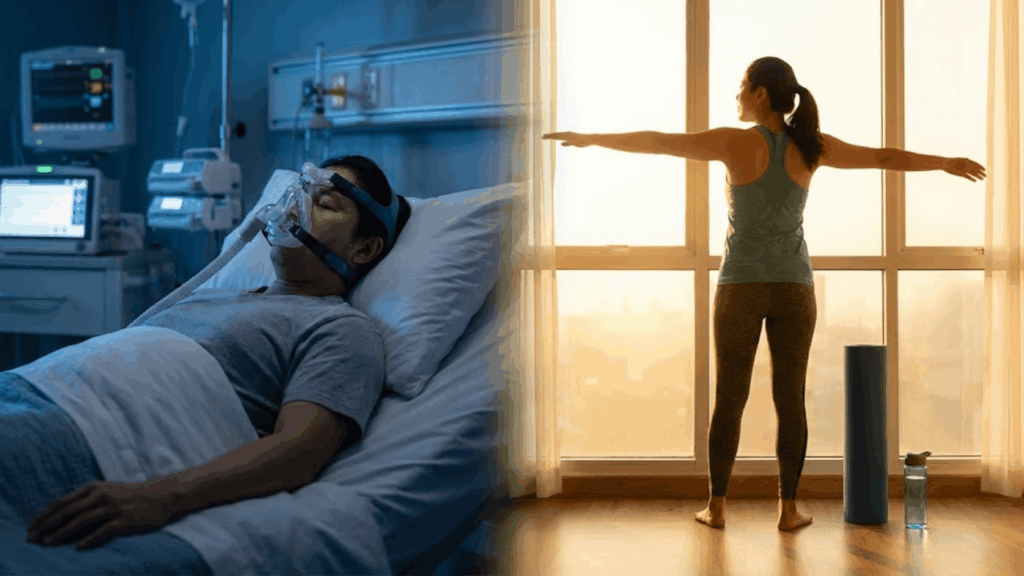
Treating excessive sleepiness requires a comprehensive approach tailored to the underlying cause.
From medical interventions and lifestyle modifications to mental health support, combining multiple strategies often yields the best results for reclaiming your alertness and quality of life.
1. Treating Underlying Sleep Disorders & Medical Interventions
If a sleep disorder is causing your sleepiness, targeted treatment is essential. CPAP therapy effectively treats obstructive sleep apnea by keeping airways open. Narcolepsy requires wake-promoting agents like modafinil or solriamfetol under specialist guidance.
Restless Legs Syndrome responds to dopamine agonists or iron supplementation. Correcting nutritional deficiencies, vitamin B12, iron, and vitamin D, and managing thyroid or diabetes issues can dramatically improve energy levels.
2. Lifestyle & Behavioral Interventions
Consistent sleep-wake times strengthen your circadian rhythm. Morning bright light exposure helps regulate your internal clock, while evening wind-down routines signal rest time.
Limit caffeine to morning hours, engage in regular physical activity, and maintain balanced meals for stable blood sugar. Strategic 20-minute power naps provide relief without disrupting nighttime sleep.
3. Mental Health Support & Workplace Strategies
Cognitive Behavioral Therapy effectively addresses depression and anxiety that impact sleep quality. Stress reduction techniques like mindfulness lower cortisol interference.
At work, schedule alertness breaks every 90 minutes and batch high-focus tasks during peak periods. Communicate with employers about accommodations like flexible start times or schedules to manage symptoms.
Natural Ways to Improve Daytime Alertness
When you’re struggling to keep your eyes open, these evidence-based natural strategies can provide an immediate boost to your alertness without relying solely on medication.
- Controlled Morning Light Exposure: Get 15-30 minutes of bright light within an hour of waking to reset your circadian rhythm and suppress melatonin production.
- Cool Showers or Cold Water Splashes: Brief cold exposure stimulates the sympathetic nervous system and increases cortisol and norepinephrine for heightened alertness.
- Caffeine-Nap Combination: Consume caffeine then immediately take a 20-minute nap; you’ll wake as the caffeine kicks in, maximizing alertness.
- Post-Lunch Walking: A 10-15 minute walk after meals increases blood flow to the brain and counteracts the natural post-meal dip in alertness.
- Breathing Exercises: Techniques like box breathing or rapid nasal breathing increase oxygen intake and activate alertness centers in the brain.
These interventions work best with proper sleep hygiene and treating underlying conditions. They’re temporary solutions to help you function during the day while addressing the root causes of your excessive sleepiness with your healthcare provider.
The Bottom Line
Finding out why you can’t keep your eyes open has been a turning point in my own journey toward better health, and I hope this guide helps you take that same crucial step.
May it be a sleep disorder, lifestyle factor, or underlying medical condition, you deserve answers and effective treatment.
Don’t let excessive sleepiness steal another day from you; talk to your doctor about your symptoms and find the solutions that fit your situation.
Have you experienced any of these symptoms? I’d love to hear what’s worked for you in the comments below.