Key Takeaways
Pet odors in rugs are often caused by bacteria and moisture trapped deep within the fibers. While surface cleaning may reduce the smell temporarily, long-term removal requires proper treatment that targets the source. The best approach combines quick action, the right cleaning method for the rug type, and, in some cases, professional deep cleaning.
Pets bring comfort and joy into a home, but they can also leave behind lingering odors that are difficult to remove—especially from rugs. Unlike hard surfaces, rugs absorb liquids and trap bacteria, making odors more persistent over time.
Even when a rug looks clean, smells can remain embedded deep within the fibers. Understanding how to properly treat and prevent these odors is essential for maintaining both cleanliness and indoor air quality.
Why Pet Odors Are So Difficult to Remove
Pet odors are not just surface-level issues. When accidents happen, moisture seeps into the rug fibers and sometimes even into the rug’s foundation or padding. This creates an environment where bacteria can grow and odors can intensify over time. According to the Environmental Protection Agency, carpets can trap dust, allergens, and microorganisms, especially when not properly maintained.
As the area dries, odor-causing compounds remain trapped inside. This is why simple cleaning methods often fail to fully eliminate the smell and may only mask it temporarily.
Immediate Steps to Reduce Pet Odors
The first and most important step is acting quickly. Fresh stains are much easier to treat than those that have already set into the rug.
Blotting the affected area with a clean cloth helps absorb as much moisture as possible without spreading it further. It’s important to avoid scrubbing, as this can push the liquid deeper into the fibers. Using a mild cleaning solution can help neutralize odors, but over-wetting the rug should be avoided, especially for delicate materials.
Why DIY Cleaning Doesn’t Always Work
Many homeowners rely on store-bought cleaners or home remedies, but these solutions often address only the surface of the problem. While they may temporarily reduce odor, they rarely remove the bacteria and residue embedded deep within the rug.
In some cases, improper cleaning methods can even make the problem worse by locking in moisture or damaging the rug’s fibers. This is especially true for wool, silk, or antique rugs that require specialized care.
When Professional Cleaning Is the Best Solution
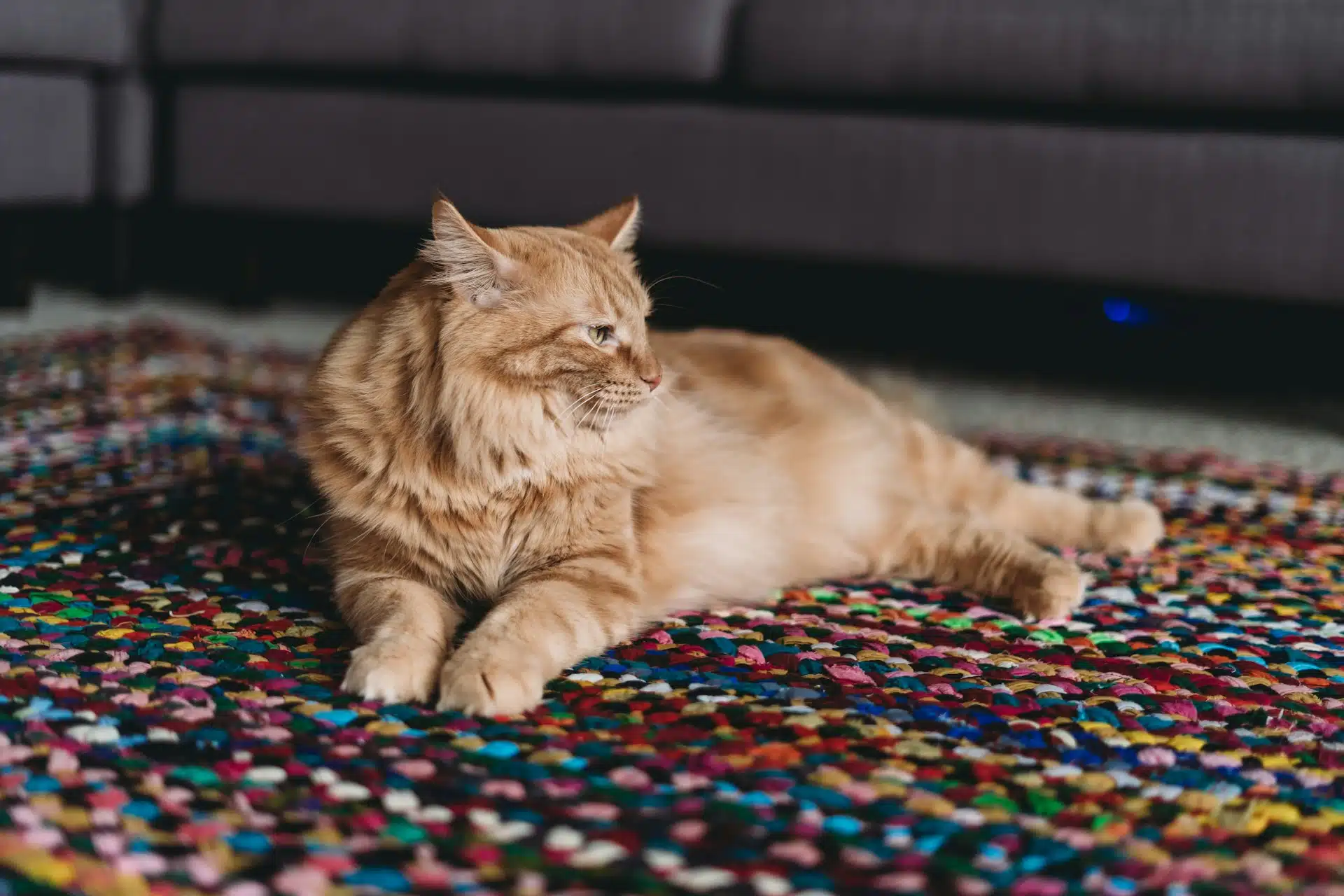
For persistent odors or repeated pet accidents, deeper treatment is usually necessary. At this stage, many homeowners choose to work with experienced professionals like Thomas Rug Cleaning, who can safely remove odors without damaging the rug.
Professional cleaning processes are designed to reach deep into the rug’s fibers, eliminating bacteria and odor at the source rather than masking it. This not only restores freshness but also helps extend the life of the rug.
Choosing the Right Cleaning Method for Your Rug
Different rugs require different cleaning approaches. Natural fiber rugs, such as wool, are more absorbent and require careful moisture control. Silk and viscose rugs are even more delicate and should not be treated with standard cleaning solutions.
Synthetic rugs are generally more resistant to stains and odors, but they can still trap bacteria if not cleaned properly. Choosing the right method based on material is essential to avoid long-term damage.
Preventing Pet Odors in the Future
Prevention plays a major role in keeping rugs fresh. Regular vacuuming helps remove dirt and hair before they settle deep into the fibers. Using rug pads can also help improve airflow and reduce moisture buildup underneath.
Training pets and addressing accidents immediately can significantly reduce long-term odor issues. Periodic deep cleaning, even when no visible stains are present, can help maintain a clean and odor-free environment.
Conclusion
Removing pet odors from rugs requires more than just surface cleaning. Because odors often originate deep within the fibers, effective treatment involves both proper technique and timely action. While minor issues can be managed at home, persistent odors usually require a deeper, more thorough approach.
By understanding the cause of pet odors and using the right cleaning methods, you can keep your rugs fresh, clean, and long-lasting—even in a pet-friendly home.