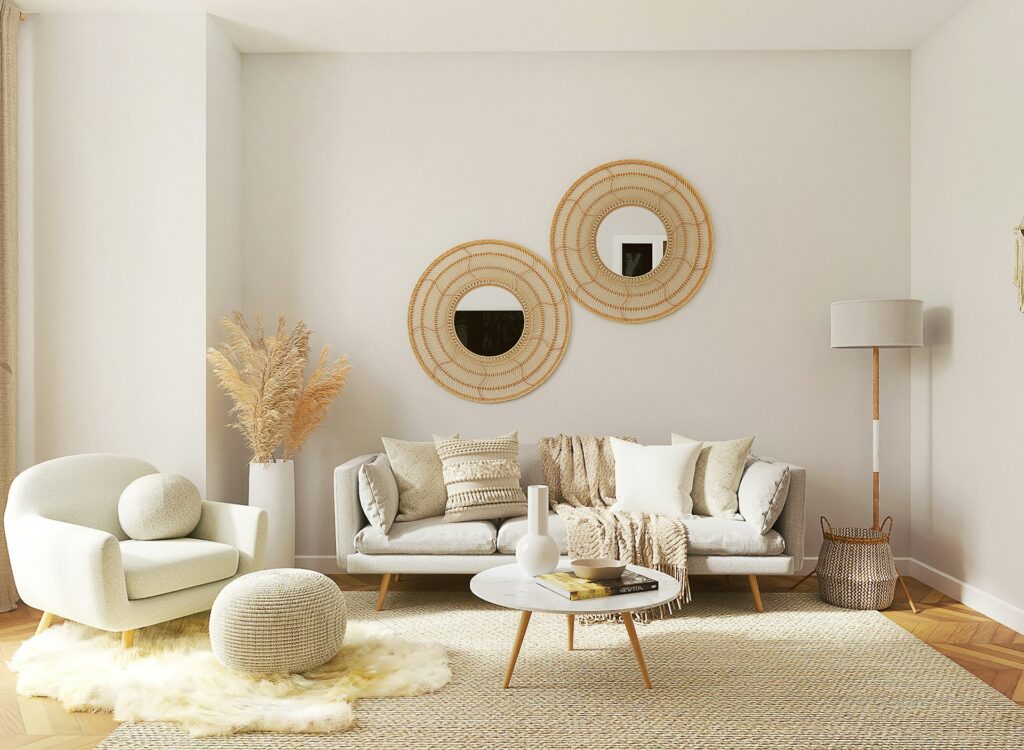
There is a difference between a living room that looks good in a photograph and one that actually feels good to be in. The first can be achieved with the right sofa, the right light, and a well-positioned camera angle.
The second takes more thought, more patience, and usually a willingness to let the space develop over time rather than assembling it in one weekend. In 2026, the gap between those two versions of a living room has become the central conversation in interior design, and the answer that keeps emerging is refreshingly unglamorous: make it feel lived in.
This shift away from showroom polish has been building for a few years. The reign of all-white walls, matching furniture sets, and carefully curated objects that no one actually touches seems to be drawing to a close.
What is replacing it is something harder to define but immediately recognizable when you walk into a room that has it. There is warmth, layering, a sense of personality, and the feeling that someone genuinely spends time there.
For anyone working with an existing living room rather than starting from scratch, the good news is that this direction favours adaptation over replacement. A sofa that has good bones but looks dated in its current upholstery does not need to be thrown out.
Finding IKEA sofa covers in the UK that fit well and come in fabrics suited to the new direction of the room is a far more considered approach, both in terms of cost and in terms of sustainability, and it aligns neatly with the broader shift toward furniture that is updated rather than discarded.
Once the sofa is sorted, the question becomes how to build the room outward from it.
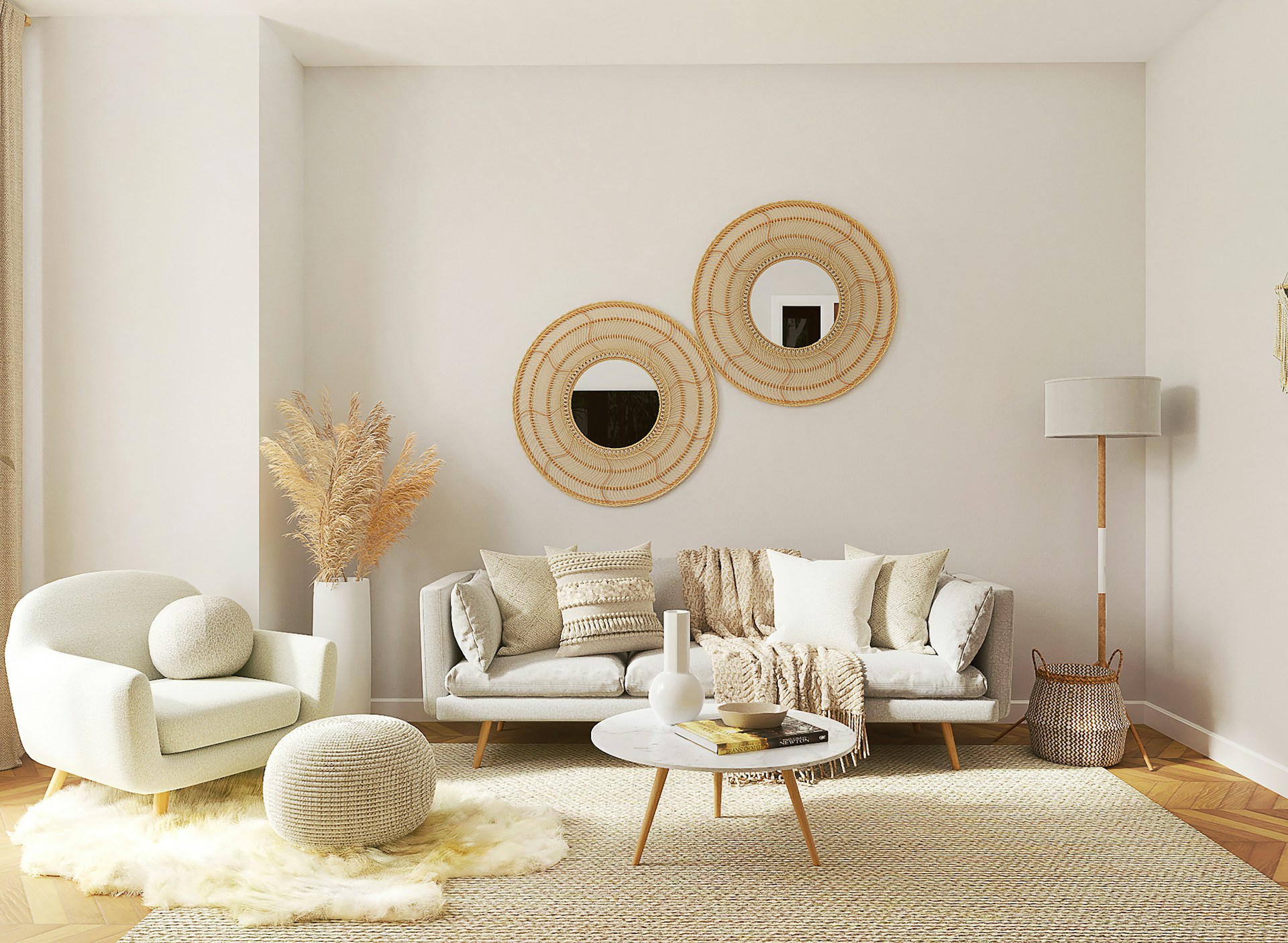
The dominant logic of 2026 interior design is texture-first thinking. Rather than leading with a single bold colour or a statement piece, the approach that designers are consistently recommending involves layering different materials to create depth and tactile richness.
Rough-hewn wood alongside soft linen, natural stone surfaces near warm wool upholstery, matte painted walls contrasted with a glossy ceramic lamp or a brass fixture: these combinations do not feel designed so much as discovered, which is exactly the point.
Colour Without Fear, Pattern With Intention
One of the clearest signs of the current mood shift is what is happening with colour. The pale, cool neutrals that dominated living rooms for much of the past decade are giving way to something with more personality.
Homes and Gardens, in its guide to living room trends for 2026, reported that designers are moving toward moody colour washing, where walls are treated in deep, saturated shades to create intimacy and warmth.
Chocolate brown, deep olive, plum, and warm terracotta are all being cited as colours that turn a room into something that feels genuinely enveloping rather than simply clean.
This does not mean that every wall needs to be repainted in a dark hue. The principle behind colour washing is about creating a sense of atmosphere, and that can be achieved even through smaller decisions.
A ceiling painted in a tonal shade deeper than the walls, curtains in a rich earthy fabric that pools gently on the floor, or a rug with a botanical print in muted greens and ochres can all shift the feeling of a room significantly without touching the walls at all.
Pattern is having a similarly confident moment. Botanical and floral motifs, tapestry-inspired prints on upholstery and cushions, and the layering of different patterns within a cohesive palette are all being embraced by designers who want rooms to feel expressive rather than restrained.
The key, as ever, is intention. A living room where every pattern was chosen because it was loved, and where the colours relate to each other even if they do not match exactly, will always feel more considered than one where patterns were avoided out of nervousness.
Furniture That Tells a Story
There is a growing preference in 2026 for living rooms that appear to have been assembled over time rather than ordered from a single catalogue. Mismatched furniture, where the sofa and the armchairs do not form a set, is being actively encouraged by designers who see it as a way to introduce character and individuality.
Vintage and secondhand pieces are a natural part of this, not because they are cheap but because they add the kind of depth and specific history that new furniture rarely carries.
A Victorian side table placed next to a contemporary modular sofa, an older print armchair re-covered in a more current fabric alongside a newly bought floor lamp: these are the combinations that create the sense of accumulation that makes a room feel personal.
It is also a more sustainable way of approaching an interior, since it prioritises the repair and reuse of existing pieces rather than wholesale replacement.
This applies directly to upholstery. Rather than buying a new sofa when an old one starts to look tired or out of step with a changing aesthetic, the option of re-covering or using well-fitted covers allows the piece to continue working in the room with a completely different visual character.
It is a form of furniture longevity that is both economical and, increasingly, in line with how thoughtful homeowners and designers are thinking about the objects they bring into a space.
Light as an Atmosphere-Building Tool
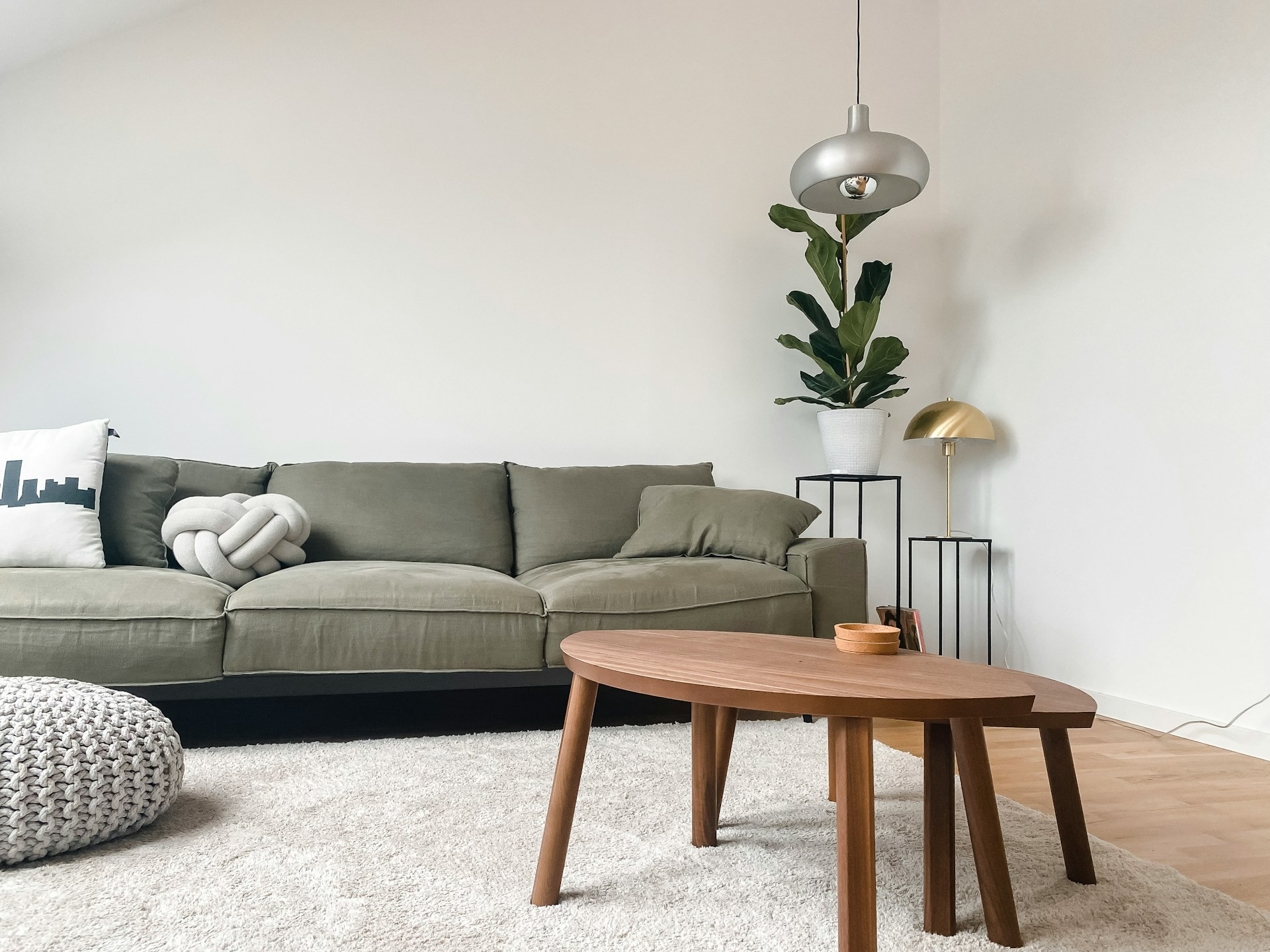
Lighting is among the most underinvested elements in most living rooms, and it is one of the most powerful levers available for changing how a room feels. A single overhead fixture, regardless of how attractive it is, produces flat, even light that makes a room look like a waiting room rather than a home. The rooms that feel most welcoming are those where light comes from multiple sources at different heights, creating pools of warmth and shadow rather than uniform brightness.
Floor lamps placed beside seating areas, table lamps on side tables or shelving, and wall lights that wash surfaces rather than beam directly downward all contribute to this effect.
The colour temperature of the bulbs matters too. Warm white light, rather than the bluer tones of cooler bulbs, will always read as more inviting in a residential context, particularly in rooms designed for relaxation and conversation.
The Sofa as a Starting Point, Not an End Point
There is a tendency to treat the sofa as the final word in a living room, the piece around which everything else is forced to make sense. In practice, the opposite approach works better. The sofa is the beginning of a conversation with the room, and it should be flexible enough to adapt as the other elements evolve.
This is why choosing a sofa in a fabric that can be changed, or investing in quality covers that shift the colour and texture of the piece without altering its structure, is a wiser long-term strategy than committing permanently to a single look.
A room that can be refreshed and updated in small, thoughtful ways is one that remains a pleasure to live in, year after year.