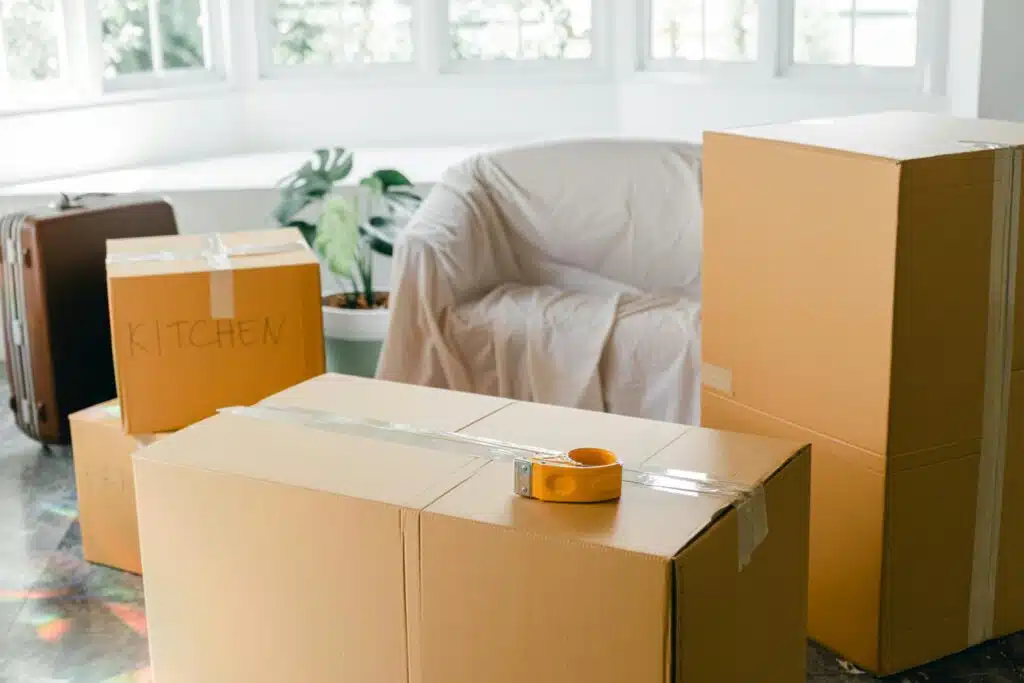
Moving into a new rental apartment is a moment of new beginnings but also a quick systems check. You want to make sure as you move in that the new place is safe, functional, and clean before you start putting things into place. The easiest and fastest priorities are:
- Documenting the condition of the unit.
- Verifying some basics about water and air.
- Jumpstarting some consumable replacements for the invisible-but-necessary stuff like filters.
The goal of this checklist is to help you get settled in a way that is super efficient and avoids unnecessary problems ahead.
Before You Unpack: 15-Min Move-in Inspection with Photos and Other Checks
Before any unpacking happens, it’s critical to document everything so you have evidence for your security deposit. The best approach is dual media: high-res photos for details, but also a narrated video walkthrough for context. For strength, make sure media is timestamped or narrate with date/time
Quick Visual Inspections (5 mins)
- Floors & carpets: Note damage with precision (“cigarette burns,” “frayed edges,” “pet stains”) not vague stuff like “worn.” If anything seems off (ripples, smells) note it because carpet can be underneath.
- Walls and ceilings: Any water stains? Bubbling paint? Cracks near windows or in corners?
- Fixtures: Take pics of sinks/tubs/faucets, and underneath sinks (water stains now might become your problem later).
Quick Functional Tests (10 mins)
- Water pressure and drainage: Run all the faucets and showers for 10-15 seconds, verify hot water comes out and nothing backs up.
- HVAC performance: If you have central AC or heat, check the delta-T (temperature difference) between the return and supply. It should fall within the recommended range.
- Fridge temp (baseline): Of course door temps fluctuate. For a baseline, place a thermometer in a cup of water inside and leave it for 24 hours, then read the temperature. You want it below 40°F.”
Note that any non-functional or unsafe items should be immediately reported in writing along with photos.
Day 1 Setup: What do you actually need that first night?
Focus on what helps with sanitation and safety, not aesthetics or glamour. There are two observations that make cleaning fast and effective: 1) Clean then sanitize (you can’t sanitize through grease and soil!) and 2) Work top down so debris falls onto the floor, not the other way around.
Checklist for the essentials:
- Broom then mop – traditional brooms pick up bigger debris than combo tools, but swiffer style tools are amazing for mopping.
- Clean all surfaces with dish soap + water first, then use your sanitizer of choice with high touch areas like switchplates and handles.
- A fire extinguisher should be readily available, especially near the kitchen.
- Glass cleaner and paper towels for mirrors and glass (not disinfecting wipes, they leave crap behind).
- Move-in toolkit – no need to go full DIY the first day. A modest toolkit can have a driver/bit set, tape measure, utility knife, and an adjustable spanner. (for example, if you want to upgrade with the plier style tool that grips but doesn’t chew up hardware like a wrench.
Utilities and household assets to confirm in the first 48h
There’s some real admin tasks here that keep things from going sideways with heat/internet/electricity/etc. Confirm and take notes on what is in your name for utilities (electric, gas, water, trash, etc), and grab all the emergency numbers for maintenance and after hours stuff.
Oftentimes landlords will supply and install CO/smoke alarms but tenants are responsible for testing them routinely, so find out what the lease and laws say, and this is a great reminder to do it on a recurring schedule.
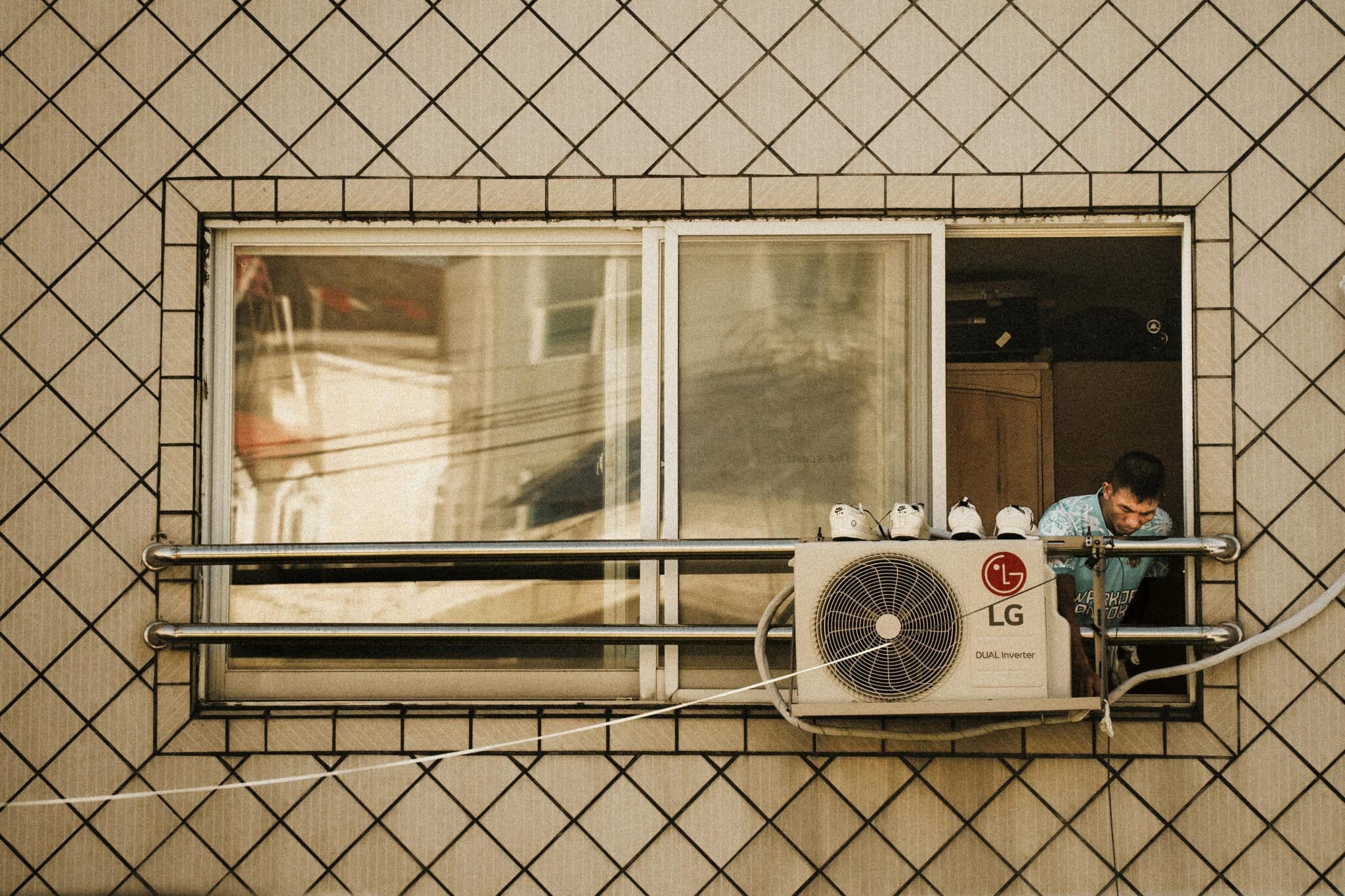
A quick physical check – if AC won’t turn on, look at the HVAC disconnect next to the outdoor AC unit. Techs often will turn off AC for safety while working and forget to turn it back on.
Kitchen and Water – what actually gets cleaned/tested/replaced in week 1
The kitchen countertops look really clean after the landlord cleans them, but they’re actually greasy. Try dragging your hand over the counter with your fingers together, including the stove top area. If it feels like drag and there’s residue, keep cleaning – the smoothness test is often more reliable than what you see.
Some quick observations for water quality that don’t require a kit:
- If a bad smell is noticed from the tap, do the following swirl test: take a glass of water from the tap, then swirl it in another room. If the bad odor dissipates away from the tap, it means it’s actually coming from the drain plumbing (organic buildup), not the water.
- The cloudy/milky appearance of some waters – let it sit over a few minutes. Typically it’s trapped air and will disappear, not an indication of contamination; this is a common municipal observation.
- An off taste – run the tap for a minute or two to flush anything out. Sometimes you’ll taste chlorine/bleach and it will vary by geographic proximity and time of day.
- Lead or health concerns – follow instructions from your county to get it tested – it can’t be detected by taste or smell.
Two fast recipes for kitchen deep cleaning:
- Microwave a bowl of water for 5 minutes, then wipe the inside to soften/clean splatter.
- Run a bunch of ice cubes in the disposal to knock off yuck, then some citrus to deodorize.
Replace the Fridge Water Filter – simple reset for new place
You just don’t know how old a fridge filter is or what it’s gotten. A quick swap/replacement of refrigerator water filters is a great reset for taste/performance/peace of mind. Manufacturers will typically recommend changing the filters every 6mo or so, but that’s an estimate and varying usage and water quality will ultimately predict replacement. If they get old enough they will clog and water/ice flow will slow, and they also may not perform as expected anymore. So this is a good task to do.
Here’s details on the variable lifespan and replacement and guidelines on what certification level to buy (NSF/ANSI 42, 53, 401) and stuff. The filter needs to be flushed for 3-5min to clear carbon bits that are typical of activated carbon filters. Just set a calendar reminder for the next time to swap. When the time comes, swap out and order on Amazon and other places, just match the certification.
Bathroom – the most effective hygiene improvement list
Bathrooms are where replacing stuff really counts and is high impact and fast. A few observations here, all of which have relevant links:
Week 1 Bathroom Priorities
- Clean aerators/shower heads if pressure seems low (common in older building is debris not bad fixture.
- Prevent dry traps of sewer gas by running water in all sinks/tubs/showers if they’re not in use.
- Check and test the exhaust fan. Confirm it actually pulls air and operates. Bad ventilation drives mold/moisture/etc.
Appliances – what to clean vs what to replace and go into repair queue (quick decision guide)
Here’s some thoughts to reduce unnecessary service requests but also understand when things need to be replaced and they’re not just cleanable.
Cleanable
- Fridge – verify the temp is right (<40F, see above method), clean the door gaskets, and behavior of keeping air pathways clear inside.
- Water Heater efficiency / noise (if accessible and allowable) – naturally sediment issues can reduce efficiency and it’s a topic to flush out periodically, I guess but check your lease/maintenance policy first in rentals.
Replace/repair (submit ticket)
- Persistent smells coming from hot water – rotten egg type smells are apparently common in this space for specific reasons in the water heater/anode rod etc and shouldn’t be ignored.
Week 1 and Month 1 General Maintenance Schedule
Week 1
- Replace/verify smoke alarms if desired/needed. (general guidance on longevity is replacing the entire detectors after 10 years. Note that they generally will get supplied/installed by landlords.
- Set reminders for fridge filter schedule, alarm test day, and other common reminders.
Month 1
- Fire extinguisher gauge check and clear access check – starting to swing my way on these things but I hate last minute chaos so this recurring check is nice.
A Short Recap Checklist (copy/paste friendly)
- Inspection (15m) with photo+video (timestamped) and tests of drains/hot water/hvac deltaT/fridge baseline temp.
- Day 1 – clean top down, sweep then mop, fire extinguisher, minimal toolkit.
- 48h – utilities/accounts confirmations+contacts, HVAC disconnect check if AC not working.
- Week 1 (kitchen/water) – swirl test for smells, cloudy settles, steam clean microwave, ice+citrus disposal, replace fridge filter and flush 3-5min.
- Week 1 (bath) – clean aerators for pressure, run water in unused drains, check exhaust fan.
- Ongoing – fire extinguisher monthly, replace smoke alarms at 10 years, calendar reminders for filters/etc.