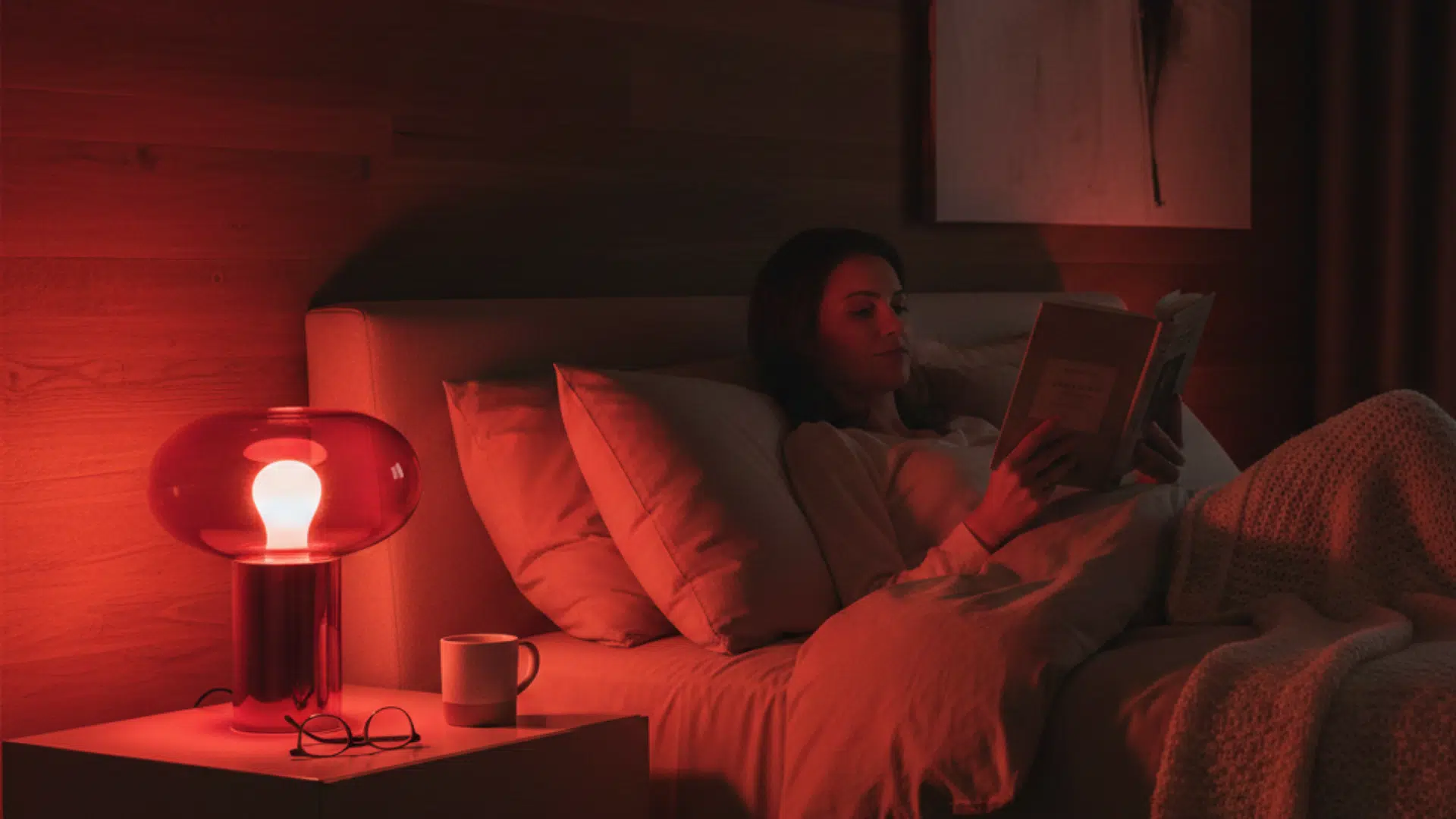


Ever walk into a hotel room and feel your shoulders drop right away? I know that feeling, and you can bring it home without copying one room exactly.
In this guide, I’ll show you how a luxury hotel room interior comes together with calm colors, soft layers, great lighting, and clean surfaces. You’ll get a quick checklist first, then simple ideas for the bed, windows, walls, and seating.
You’ll also get layout tips, easy color palettes, and common mistakes to avoid so your room stays calm. By the end, you’ll know what to change first and what to skip, so your bedroom feels more like a suite every night. I will help you pick upgrades.
Luxury Hotel Room Interior Checklist
Here’s a quick “start here” checklist you can use before you pick colors, furniture, or decor. If you handle these basics first, the whole room will already feel more high-end.
- Bed: Tall headboard + layered bedding (makes the bed the main feature)
- Lighting: 3 layers + dimmers (lets you control the mood at night)
- Windows: Floor-length drapes + blackout (blocks light, softens the room, adds privacy)
- Walls: One feature wall (adds depth without clutter)
- Floor: Big soft rug (feels quiet and comfy underfoot)
- Seating: Chair or bench (adds a “suite” feel and function)
- Surfaces: Trays + fewer items (keeps the room clean and calm)
- Materials: Wood, stone look, metal touches (adds rich texture without being loud)
Once this list is in place, you can move on to the fun part, picking a style, adding color, and choosing a few standout details without the room feeling messy.
Luxury Hotel Room Interior Ideas
These ideas give you a clear look to copy, plus one simple move that makes each idea work better in real life.
1. Tall Upholstered Headboard

A tall upholstered headboard makes the bed feel soft, quiet, and hotel-like. It also fills the wall, so the room looks more finished.
Useful tip: Pick a light neutral fabric and go taller than you think. If your headboard is short, add a padded panel behind it for height.
2. Crisp Layered White Bedding

Layered white bedding looks clean, thick, and calm, which is a big part of a luxury hotel room interior. A white base also makes accent colors stand out.
Useful tip: Use a duvet plus a coverlet, then add one throw at the foot of the bed to finish it.
3. Blackout Drapes That Touch the Floor

Floor-length blackout drapes make windows look bigger and help the room feel private and quiet. They also block early light, which supports better sleep.
Useful tip: Hang the rod close to the ceiling and let the fabric touch the floor lightly for a taller, smoother look.
4. A Statement Light (But Not Too Huge)

One statement light adds a focal point and makes the room feel planned, not random. It works best when the rest of the lighting stays simple and warm.
Useful tip: Add a dimmer so the light can shift from bright daytime use to soft evening glow.
5. Three Layers of Lighting

Hotel interior design uses layered lighting so the room never relies on one harsh ceiling light. This gives comfort, control, and better photos, too.
Useful tip: Combine ambient light, bedside task lighting, and one accent light on art or a textured wall to add depth.
6. One Feature Wall (Panels, Trim, or Texture)

A feature wall adds depth without filling the room with decor. It can sit behind the bed or behind a seating corner to anchor the space.
Useful tip: Keep the feature wall calm in color, and let texture do the work so the room stays restful.
7. A Bench at the Foot of the Bed

A bench adds function and helps the bed look like a suite setup. It also gives you a spot for a bag, pillows, or clothes.
Useful tip: Choose a bench that is slightly narrower than the bed so it looks neat and does not block walking space.
8. A Seating Corner “Mini Lounge.”

A chair corner makes the room feel like more than a sleeping space. It adds a “stay awhile” mood that luxury rooms often have.
Useful tip: Pair one chair with a small table and a lamp, so it feels usable for coffee, reading, or shoes.
9. One Oversized Rug Under the Bed

A big rug makes the room feel soft, quiet, and grounded. A small rug can look like an afterthought and break the hotel feel.
Useful tip: Make sure the rug extends past the sides of the bed so your feet land on it when you get up.
10. Two Matching Nightstands (Or a Balanced Pair)

Balance makes a room feel calm, and matching nightstands support that instantly. Even if they are not identical, similar size and shape keep the bed wall tidy.
Useful tip: Keep lamp height similar on both sides so the lighting feels even at night.
11. Trays to Keep Surfaces Clean

Trays make small items look organized instead of messy. Hotels use them to make the room feel ready and easy to use.
Useful tip: Use one tray on each nightstand for essentials, and one tray on a dresser for scent, jewelry, or hand cream.
12. Simple Art That Feels Curated

Art makes the room feel finished, but it needs to look planned. One large piece usually feels calmer than many small frames.
Useful tip: Pick art that repeats your room colors, then hang it at eye level so it feels intentional and not too high.
13. Wood + Metal Mix

Wood adds warmth and comfort, while metal adds crisp contrast. Together, they create a rich look without needing lots of decor.
Useful tip: Choose one wood tone and one metal finish, then repeat both at least three times for a connected, clean look.
14. Stone Look Details (Even Small Ones)

Stone details read as premium because they look solid and timeless. You do not need full stone walls to get the effect.
Useful tip: Add one stone-look piece like a tray, side table, or lamp base, and keep surrounding items simple.
15. A Calm Neutral Base With One Deep Accent

Many luxury rooms stay neutral and use one broad accent to add depth. This keeps the room restful, but not flat.
Useful tip: Use neutrals on big items like walls and bedding, then add a deep color through one chair, pillows, or one bold art piece.
16. Soft Textiles in More Than One Place

Luxury feels are often about touch. Hotels layer textiles in bedding, rugs, curtains, and seating so the room feels soft from every angle.
Useful tip: Aim for at least four soft layers: bedding, drapes, rug, and one upholstered piece like a chair or headboard.
17. Hidden Cords and Clean Charging

Visible cables make a room look messy fast. Hotels hide tech so the space feels calm and easy to rest in.
Useful tip: Use cable clips behind furniture and a charging setup inside a drawer. A lamp with built-in charging also keeps surfaces cleaner.
18. A Welcome Moment on the Dresser

A small styled moment makes the room feel prepared, like a guest just checked in. It also gives the eye a simple, neat focal spot.
Useful tip: Use a tray with water and a glass, and add one small bowl or book to keep it tidy.
19. Quiet Sleep Moves (Sound Control)

Quiet is a big part of luxury. Soft layers help reduce echo and outside noise, especially in rooms with hard floors.
Useful tip: Add a thicker rug, heavier curtains, and a simple door sweep. These small changes can make the room feel more private.
20. A Clean Scent Plan (Light and Fresh)

A light, clean scent can make the room feel cared for, but a strong scent can feel heavy. Hotels usually keep the scent very mild.
Useful tip: Use a gentle reed diffuser or light linen spray, and keep it away from the bed so it stays subtle.
21. A Bathroom Link That Matches the Room

When the bedroom and bathroom finishes match, the space feels planned like a real suite. Even small matches can help a lot.
Useful tip: Keep the same metal finish in both spaces and use warm lighting around the mirror to avoid a harsh, cold look.
Hotel Interior Design Rules Luxury Rooms Follow
These hotel interior design rules help a luxury hotel room interior feel calm and put-together, without looking busy or overdone.
Keep the Base Calm: Use soft neutrals on the biggest items like walls, bedding, and large furniture. This creates a quiet backdrop that feels restful. Then add small touches like a throw, cushion, or art to bring in personality without noise.
Repeat Finishes: Pick one wood tone, one metal finish, and one main fabric tone, then repeat them around the room. This makes everything feel connected and planned. It also stops the space from looking mixed or random, even with simple furniture.
Give Each Zone a Job: Divide the room into small zones, even if the space is tight. Keep a sleep zone, storage zone, sit zone, and a ready zone. When each spot has a purpose, the room feels easier to use and more like a suite.
Use Bigger Pieces, Fewer Items: Choose fewer decor items, but make them count. A large rug, one strong art piece, and a solid lamp setup often look better than many small items. This keeps surfaces clear and makes the room feel calm and high-end.
Once these rules are set, you can add extra details with less stress, since the room already has a clean base.
Lighting Plan for a Luxury Hotel Room Interior
Once your colors and materials are set, lighting is what makes the room feel calm and high-end at night.
- Ambient: Main room light (ceiling light, recessed lights)
- Task: Helps you do things (bedside lamp, reading light, desk lamp)
- Accent: Adds depth (wall sconce, art light, soft strip light)
Quick tips:
- Use warm bulbs: Choose warm light for a softer, calmer feel at night. Warm lighting also makes neutral colors and wood tones look richer, while cool bulbs can make the room feel harsh.
- Place bedside lights correctly: Keep the switch within easy reach from bed, so you do not have to get up. If you read in bed, aim for a light that points down onto the page, not into your eyes.
- Add dimming wherever possible: Dimmers help you shift from bright “get ready” light to softer “wind down” light. If you can only add one dimmer, put it on the main ambient light for the biggest change.
With this simple lighting plan, the same room can feel bright and useful in the day, then soft and relaxing at night.
Color Palettes That Work for Luxury Hotel Room Interiors
Start with a base that feels calm, then add one accent. Here are simple options.
| Palette | Base Colors | Accent Ideas | Works Best For |
|---|---|---|---|
| Warm Neutrals | cream, taupe, warm gray | olive, coffee brown, slate blue | Most bedrooms |
| Soft Pink or Peach | soft beige + blush tones | warm wood, brass, off-white | Smaller rooms, softer mood |
| “Happy” Accent | neutral base | red, yellow, mid-blue in small touches | Modern rooms that need energy |
Tip: Test colors under your actual lights at night. Colors can look very different after sunset.
Layout Tips That Make a Room Feel Like a Suite
Even if your bedroom is not large, the right layout can still feel like a luxury hotel room interior. The goal is to keep movement easy and make the bed feel like the clear center of the room.
- Keep walking paths clear: bed to door, bed to closet, bed to bathroom.
- Center the bed on the main wall if possible, with 18 to 24 inches on each side.
- Add a bench if space allows, and use one chair instead of multiple small stools.
- Use one large rug, floor-length drapes, and a tall headboard to add height.
Once these basics are set, the room feels calmer, more open, and more like a suite.
Common Mistakes That Ruin the Luxury Look
A luxury hotel room interior should feel calm and put-together, but a few common mistakes can make the space look messy or unfinished.
- Using one bright ceiling light only: This can feel harsh at night and flatten the whole room.
- Hanging curtains halfway down the window: This makes the window look smaller, and the room feel shorter.
- Picking rugs that are too small: A small rug can look accidental and leave the space feeling incomplete.
- Mixing too many metal finishes: Too many finishes can feel random instead of matched and planned.
- Filling every surface with decor: Busy surfaces create clutter and make the room harder to relax in.
- Leaving cords and chargers visible: Loose wires break the clean, tidy hotel look right away.
Once you avoid these, the room will feel cleaner, calmer, and much more high-end.
Wrap-Up
Now you know what makes a room feel calm, clean, and high-end. You started with the checklist, then moved through practical upgrades like layered bedding, better curtains, and lighting that feels good at night.
You also learned how texture, layout, and repeating finishes can pull the space together. A luxury hotel room interior vibe is really about a few smart choices, not buying everything new.
If you’re not sure where to start, I’d pick three basics first: lighting, drapes, and bedding. Once those are set, you can add one or two details and still keep the room calm.
If you want more ideas, I’d love for you to check out the other blog posts for more tips and room examples you can use right away.