Your roof is essential for protecting your home or business from rain, snow, heat, wind, and debris. But many people overlook maintenance until a leak or water stain appears on the ceiling.
In areas like OKC, with hotter summers and cold, windy winters, roof maintenance is critical, as it lowers the risk of needing total roof replacement later.
By learning to recognize early warning signs, you can address minor issues before they escalate into costly repairs.
Why Early Detection Matters
Roof damage often begins small, making it easy to overlook. However, even minor issues can quickly escalate, leading to several problems. These include:
- Costly roof replacement: If damage is neglected, it may require extensive repairs or even a complete replacement.
- Leaks and water damage: Untreated roof damage allows water to seep into your home, causing structural damage, mold growth, and weakened insulation.
- Higher energy bills: Damaged or missing shingles can destroy your home’s energy efficiency, and that increases cooling costs, especially in warm climates.
By identifying and addressing problems early, you can save money, extend the roof’s lifespan, and keep your home safer and better protected.
Signs of Roof Damage to Watch For
Roof damage isn’t always loud or obvious. In fact, many signs can be easily overlooked if you’re not paying attention. However, once you know what to look for, it becomes easier to take early action.
Missing or Cracks Shingles
Shingles are the first line of defense for your roof. When they begin to curl, crack, or go missing, water can infiltrate areas where it shouldn’t.
Even a few missing shingles can trigger a chain reaction of leaks and interior damage. After a windy day, take a moment to visually inspect your roof or use binoculars to check from the ground. This helps you spot potential problems early, and that makes them much easier to repair.
Dark Streaks or Stains
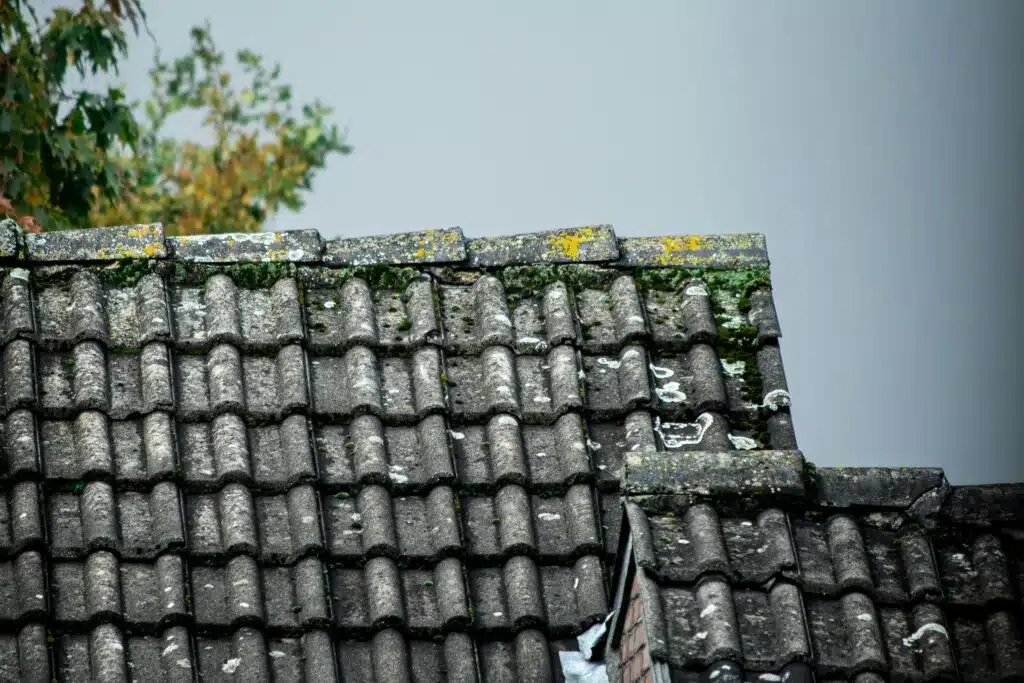
Dark streaks or stains on a roof, often seen as black or dark green lines on asphalt shingles, can be a significant indicator of roof damage or deterioration.
Though frequently dismissed as merely cosmetic issues, these stains are typically caused by algae, moss, or fungi. They can trap moisture, accelerate granule loss, and ultimately shorten the roof’s lifespan.
Blistering or Bubbling on Shingles
Blistering or bubbling on asphalt shingles can be a real sign that your roof might need some attention. This usually happens when moisture or gas gets trapped underneath the surface, causing the layers to separate.
You’ll often see these bubbles form after a lot of intense heat, and when they burst, they can lead to a loss of those important granules, or even metal roofing screws separating from the shingles. Without those granules, the shingle mat is exposed and could be at risk for leaks.
Water Stains on Ceilings or Walls
Water stains are a clear sign that your roof might be leaking. If you’re seeing discoloration, water stains, or peeling paint on your ceiling or walls, it’s time to take a look at your roof.
Leaks can start off small but can quickly escalate to damage to the wood and insulation below, but catching and fixing the leak early can save you from more trouble and expensive repairs later on. On the other hand, ignoring it can lead to mold growth and foundation issues, which can be expensive to fix.
Mold or Mildew Growth
Mold and mildew often grow in places with too much moisture. If your roof leaks or your attic has poor ventilation, you might see mold and mildew.
This can damage your home and even put your family’s health at risk. A musty smell in your home, especially in the attic or upper floors, could mean mold is growing, so check your attic and other roof areas for signs of mold or mildew. You can often identify mold by its black or greenish spots, and catching it early on can stop it from spreading.
Clogged Gutters
Clogged gutters can significantly shorten your roof’s lifespan. They block the proper flow of water and can cause it to back up underneath the roof.
Keep an eye out for signs of trouble, like sagging gutters, water stains on the siding, and any wood rot. There could be debris, standing water, and ice piling up and weighing down your gutters, making them pull away from the fascia board. A little regular maintenance can go a long way in keeping your roof happy and healthy.
Regular Maintenance Practices
Regularly maintaining your roof is one of the best ways to spot early signs of damage before they turn into costly repairs. By keeping your roof clean, checking it often, and fixing small problems quickly, you can greatly extend its lifespan and ensure it stays strong.
Routine Inspections
Regular, routine roof inspections are the most effective way to prevent costly, unexpected repairs and extend the roof’s lifespan. Experts recommend a thorough inspection at least twice a year, ideally in the spring and fall, along with immediate checks after severe weather events like heavy storms, high winds, or snow.
Professional Assessments
To find the best roofing solutions, it’s essential to have a complete roof inspection checklist. Many people lack the specialized knowledge for this task, so professional roof assessment services are helpful.
In OKC, companies like Elliott Roofing make roof inspections easier than ever by paying close attention to every detail. Working with a local company means gaining access to a team with significant experience in your area, and that expertise in roof replacements and repairs can be invaluable.
Debris Removal and Cleaning
Trees can be a wonderful addition to the property, but they also create debris throughout the year, from maple seed helicopters in spring to fallen leaves in autumn.
These can trap moisture on the roof for longer periods of time, so you’ll want to clean organic debris from your roof at least twice a year, or more often if there are many trees nearby. Just be careful not to use tools that might scratch the shingles and dislodge granules.
How to Tell if It’s Time to Repair or to Replace a Roof?
Figuring out whether your roof just needs a quick fix or a full replacement depends on the severity of the damage. If the roof is just a couple of missing shingles or a tiny leak, you can usually take care of that without spending too much.
But if you’re dealing with extensive damage, persistent leaks, sagging areas, or a really old roof, it might be time to consider upgrading your roof.
It’s always a good idea to consult with a professional who can help you understand the situation and what’s best for your budget in the long run.