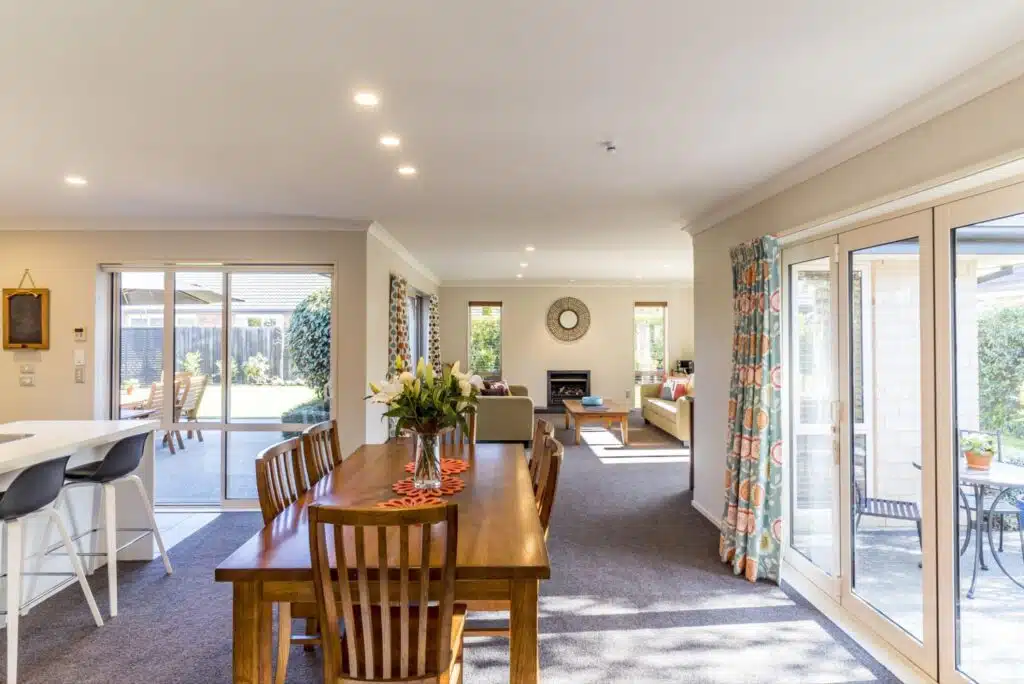
Have you ever watched MTV Cribs or Dream Home Makeover and noticed how often the tour starts in a huge space where the kitchen, dining area, and living room all connect?
Just a few walls, natural light that spreads throughout the room, and the home immediately seems larger. Such a layout appears in many modern open-concept estate homes with premium finishes.
Many properties, especially large ones, benefit from spaces that feel connected, not divided.
Do you want to move from cooking to conversation without any barriers? Have gatherings that feel relaxed, not cramped?
Keep reading to learn how open layouts make it possible.
Why Open Layouts Work So Well in Estate Homes
Large homes offer enough square footage to support wide, connected spaces without making the layout feel cramped.
When walls disappear between main living areas, light travels further, and rooms feel more welcoming. So, rather than having several smaller rooms that sit unused, you get a central area where daily life naturally gathers.
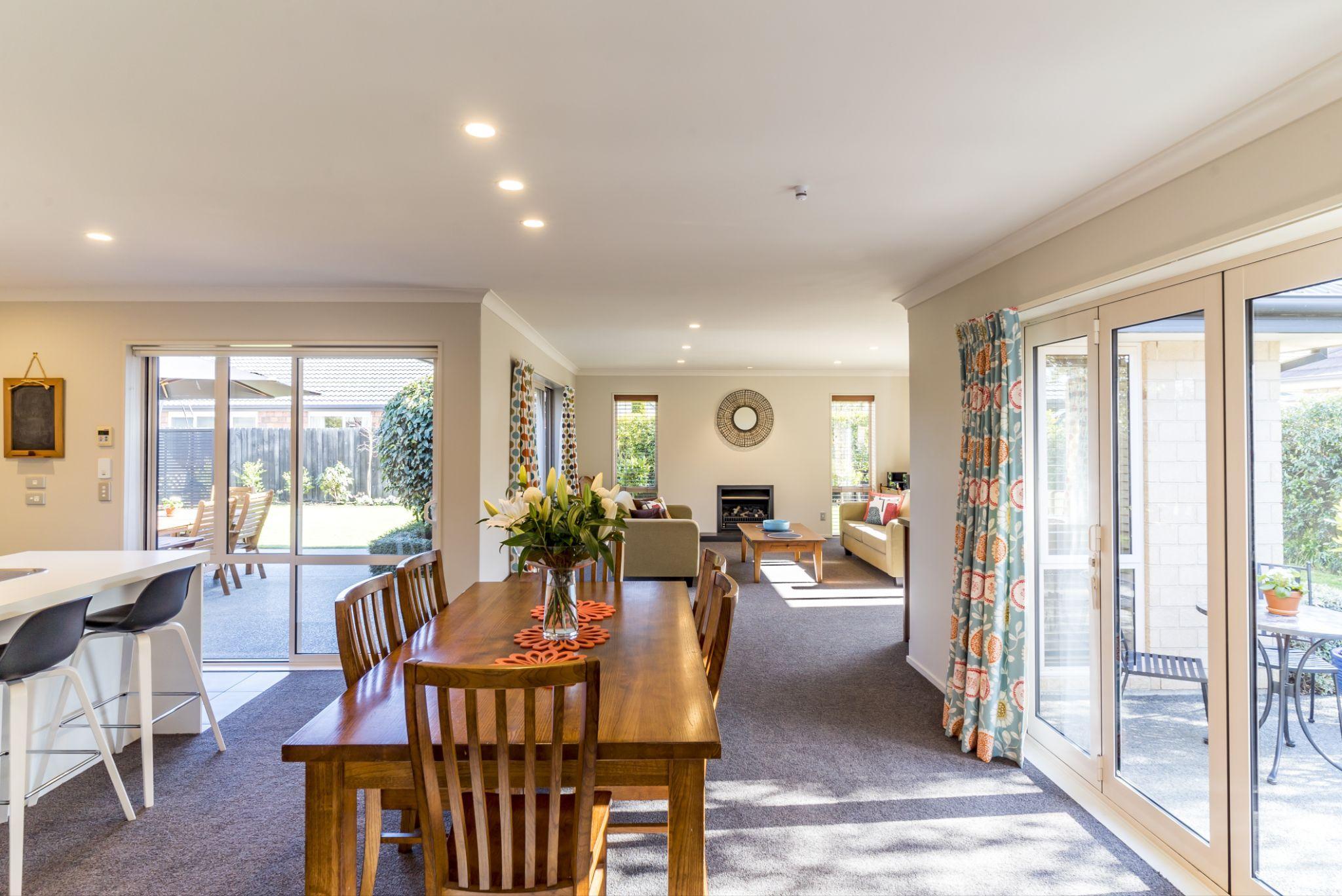
You also get flexibility because furniture placements, rugs, and lighting all help define different zones, but still connect the space. For example, a seating area can be near the fireplace, the dining table close to the kitchen, and the lounge area anywhere in between, but still there.
This once popular layout is still very present, although some people still go for a closed layout.
A 2023 survey conducted by Rocket Mortgage found that preferences are split: 51% of Americans prefer an open layout, while 49% favor a more traditional closed layout.
The difference is small, which just shows that layout choice often depends on lifestyle.
Estate homes usually benefit more from open layouts because large floor plans allow space to breathe. Instead of tight transitions between rooms, the home feels cohesive, comfortable, and it’s easy to move through.
The Role of the Kitchen as the Center of the Home
The kitchen is the center of daily activity for many homes. It’s where the day starts, conversations happen, and it’s where guests gather. When it connects with surrounding spaces, the entire main floor feels warmer.
For example, if you’re cooking, an open concept kitchen lets you stay part of the conversation instead of standing alone behind a wall. Guests can sit at the island, children can finish homework nearby, but the space doesn’t feel crowded.
A Layout That Supports Everyday Life
When rooms connect, you can prepare food, set the table, and chat with your family, all in the same shared space, without anyone going to another room.
One of the main things that helps organize this is a large island. It creates a natural meeting point while also offering space for preparation and casual meals.
Bonus points if it includes storage, so you can keep the room tidy and practical.
Visibility Without Losing Function
Open kitchens still need structure.
Designers often rely on subtle boundaries that guide how people use the space. It’s all in the details, for example, flooring changes, ceiling details, and lighting. That’s how you know the kitchen ends and the lounge begins.
It’s also important to consider furniture placement, as a sofa facing away from the kitchen or a dining table placed between zones can create separation without blocking the view across the room.
https://www.youtube.com/watch?v=SKr0p2OwUFo
Source: YouTube, House & Home
Design Features That Add Comfort to Open Spaces
Large open rooms still need to be well thought-out, no matter how simple they seem. You want the space to feel welcoming and not empty.
One simple solution is to create smaller zones within the larger layout. Each zone can have a purpose, but the entire area should still feel connected.
Open layouts gained strong popularity during the early 2000s and 2010s because they made homes feel larger and brighter. According to research from the National Association of Home Builders (NAHB), these designs attracted buyers partly because they increased the perceived square footage of a home without raising construction costs.
Removing interior walls allowed builders to create a stronger sense of space while keeping the structure practical.
Some design features that help make these large spaces comfortable:
- large kitchen islands that anchor the room,
- layered lighting for different areas,
- natural materials such as wood or stone that add warmth,
- built-in shelves or cabinetry that break up wide walls,
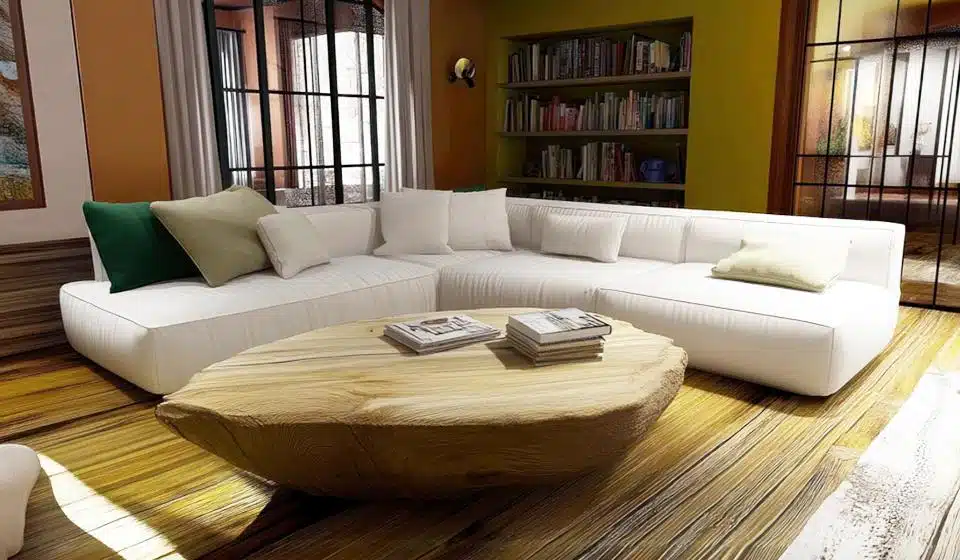
- rugs and furniture placement that define seating areas
The purpose of these features is to guide how people should use the space.
Balancing Openness With Privacy
One main concern, especially for remote workers today, is to have a private place, away from activity. While open spaces don’t seem to deliver this at first, there are smart solutions that can separate busy spaces from quieter rooms.
Imagine a combination of an open concept kitchen, living room, and more private areas such as bedrooms, studies, or media rooms. The main gathering space stays open and social, and the rest of the house lets you focus, rest, or work.
Here’s what can help maintain this balance:
- bedroom suites placed in separate wings of the home
- sliding or pocket doors that close off spaces when needed
- home offices or libraries set away from the main living area
- sound-absorbing materials such as rugs, curtains, and upholstered furniture
- hallways that create natural transitions between busy and quiet zones
You can host a lively dinner in the central place while someone reads or works in another part of the house without distraction.
Why Open Layouts Continue to Appeal to Buyers
Open layouts are still popular because they show how many people use their homes. They don’t want to spend time in separate rooms. Family members would rather gather in shared spaces and enjoy cooking, talking, or just relaxing close together.
Estate homes make this style particularly comfortable with generous square footage, higher ceilings, and large windows that allow the space to stay bright and balanced. The room doesn’t feel compressed, even when multiple activities happen at the same time.
Not to mention, this layout works wonders for hosting guests. People love to move between the kitchen, dining area, and lounge, all without stopping the conversation and having to open different doors.
So, if you like this combination of flexibility, comfort, and openness, this type of layout could be what you’re looking for.