
Are you also searching for how the development of technology has positively affected our wellness? Technology has changed the way we think about wellness. It’s not just about working out or eating right anymore; it’s about using smart tools to help manage your overall well-being.
From fitness trackers to mental health apps, technology is now a key part of how we take care of ourselves. However, many people feel overwhelmed by the constant use of devices and digital platforms.
The key to making technology work for you is understanding how it can enhance your physical, mental, and emotional wellness.
In this blog, I’ll share how technology can be a powerful tool in improving your overall health. Let’s dig into practical ways you can use it for a better, balanced life.
Understanding Wellness in Today’s World
Wellness goes beyond just physical health. It includes mental, emotional, and social well-being, with a focus on creating balance in life.
Achieving wellness means developing healthy habits that benefit both the body and the mind. It also involves making choices that promote long-term health and prevent illnesses before they start.
Physical wellness includes staying active, eating nutritious foods, and getting regular check-ups to prevent disease.
Mental and emotional wellness focuses on managing stress, staying positive, and seeking support when needed.
Social and lifestyle wellness refers to maintaining meaningful relationships and finding balance in work and life.
Preventive wellness is about proactive health, using technology and resources to stay ahead of potential health risks. Together, these areas form a complete picture of well-being.
How Technology Positively Affects Physical Wellness
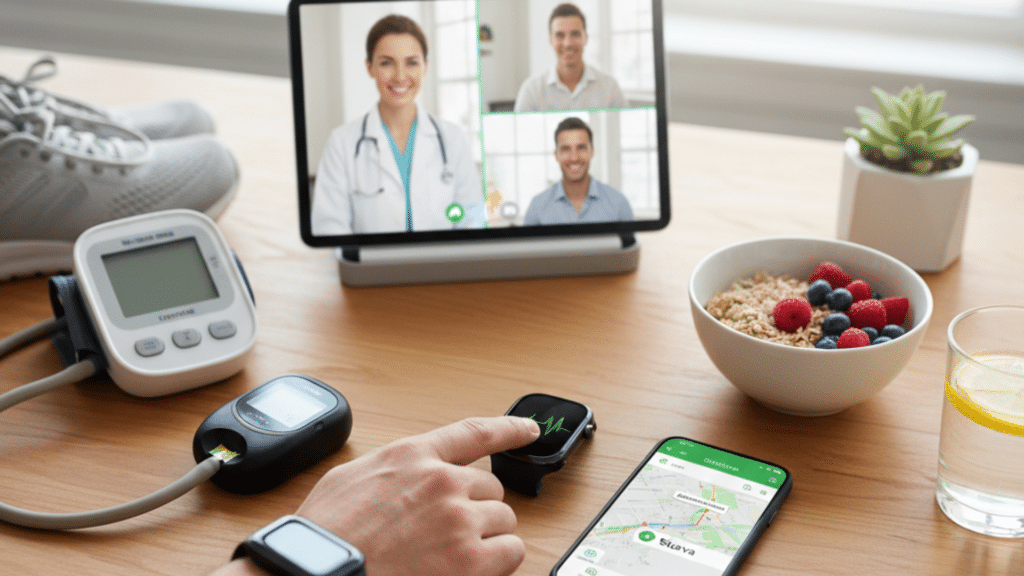
Technology improves physical wellness by promoting activity, supporting fitness, aiding nutrition, offering remote healthcare, and enabling preventive health monitoring.
Wearable Health Devices
Wearable health devices like fitness trackers and smartwatches are now everyday essentials for many people. These gadgets not only track heart rate and steps, but also monitor sleep quality and calories burned.
Research from HealthTech Journal in 2023 found that 45% of people using fitness trackers reported a significant boost in physical activity within 6 months of use.
Fitness devices like Fitbit help users stay on track by providing personalized insights and warnings about potential irregularities, allowing for timely interventions. They empower individuals to set goals and achieve long-term improvements in fitness.
Telemedicine and Remote Health Monitoring
Telemedicine has transformed healthcare by providing virtual doctor visits and eliminating long waits and travel time.
It allows remote monitoring devices, such as glucose meters and blood pressure cuffs, to send data directly to healthcare providers.
This instant feedback allows real-time adjustments to medication or treatment plans, improving care efficiency and overall wellness.
For example, Jane, a diabetic patient, uses a blood glucose monitor that syncs with her doctor’s system. This technology allows her to track and adjust her health from home, reducing the need for frequent in-person visits and giving her greater control over her condition.
Health Apps for Better Habits
Health apps, such as MyFitnessPal and Strava, help users track fitness goals, monitor calorie intake, and measure progress. These apps provide daily reminders and actionable data, fostering accountability and helping users stick to healthy routines.
According to MyFitnessPal, people who log their meals and exercise 5 days a week are 3 times more likely to lose weight than those who don’t.
These apps contribute to a healthier lifestyle by offering personalized feedback that helps users make better decisions about nutrition, exercise, and overall wellness.
With Strava, users can even track their progress over time by analyzing past workouts and setting new challenges.
How Technology Improves Mental and Emotional Wellness
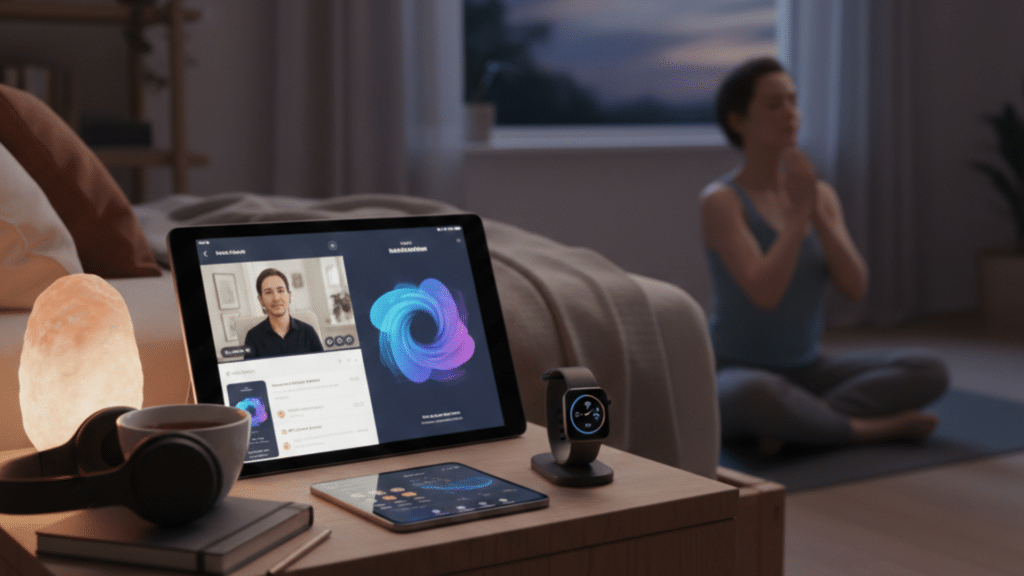
Technology improves mental and emotional well-being by offering accessible therapy, stress-management tools, and smart sleep solutions.
Mental Health Apps and Digital Therapy
Mental health apps provide easy access to counseling and therapy through secure, private platforms. These apps reduce the stigma often associated with seeking help by offering an anonymous and convenient way to connect with licensed therapists.
Users can access mental health support anytime, anywhere, which makes it more likely they will seek help when needed.
Many apps also feature self-help tools like mood tracking, journaling prompts, and guided exercises that complement professional therapy, helping users work on their mental well-being between sessions.
Stress Management and Relaxation Tools
Breathing exercises, guided meditation, and relaxation sessions available on digital platforms help users manage stress and improve emotional well-being.
These tools often feature techniques such as mindfulness, progressive muscle relaxation, and visualization, which are scientifically proven to reduce stress.
By consistently using these tools, individuals can lower their stress responses and improve emotional regulation over time.
Apps send daily reminders, nudging users to take moments to relax, breathe, and reset, helping to integrate stress management into daily life and reduce overall anxiety.
Sleep Improvement Through Smart Technology
Sleep trackers analyze the quality of sleep by monitoring factors such as sleep duration, heart rate, and movement throughout the night. These devices provide detailed insights into sleep patterns, helping users identify areas for improvement.
Quality sleep has a significant impact on mental health, influencing mood, focus, and energy levels throughout the day.
By tracking sleep and receiving personalized tips, users can adjust their habits to improve rest, leading to improved cognitive function, emotional stability, and overall wellness.
Smart technology helps prioritize sleep as an essential element of mental health.
Educational Technology and Wellness Awareness
Technology plays a key role in spreading wellness education, providing tools for health monitoring, and making learning more accessible.
- Access to Reliable Health Information: Technology provides easy access to trusted sources of health information, helping individuals make informed wellness decisions.
- Personalized Learning Tools: Apps and platforms adapt to individual needs, offering customized wellness content, promoting habits that support long-term health.
- Health Tracking and Education: Devices and apps offer real-time data and insights, educating users on their health trends and necessary adjustments.
- Wellness Courses and Webinars: Online platforms offer courses on fitness, mental health, and nutrition, empowering people with knowledge to improve their wellness.
- Promotes Self-Health Monitoring: Technology encourages users to track health data like sleep, diet, and exercise, helping them take control of their well-being.
Responsible Use of Technology for Better Wellness
Using technology responsibly helps maintain a balance between its benefits and potential negative effects, supporting long-term wellness without overuse.
Avoiding Overuse and Digital Fatigue
Managing screen time and setting boundaries with technology can prevent digital fatigue. Excessive screen time can lead to eye strain, disrupted sleep, and decreased productivity.
By using tools like screen-time trackers or setting time limits, individuals can ensure they are taking breaks and reducing exposure to digital devices. ‘
Setting healthy boundaries, such as no devices during meals or before bedtime, promotes a healthier relationship with technology and helps protect mental and physical well-being.
Technology as Support, Not Replacement
Technology should support, not replace, real-world activities and connections. While digital tools can improve fitness, mental health, and productivity, human connection and physical activity remain essential for overall wellness.
Technology should be seen as a supplement to, not a substitute for, face-to-face interaction or outdoor activity.
By using digital tools to assist with healthy habits, such as reminders to stretch or meditate, technology can help individuals stay on track without taking away from personal experiences and social engagement.
Long-Term Impact of Technology on Wellness
Technology’s long-term impact on wellness includes predictive health, personalized care, and global access to wellness resources, shaping future health practices.
- Predictive Health and Personalized Care: Advances in data analytics and artificial intelligence allow for the prediction of potential health risks, enabling early intervention and more personalized treatment plans tailored to individual needs.
- Increased Access to Global Wellness Support: With technology, people can access wellness resources, healthcare professionals, and support networks from anywhere in the world, reducing barriers to care.
- Empowering Proactive Health Management: Devices that track vital signs, fitness levels, and sleep patterns help individuals take charge of their health, making proactive wellness decisions based on real-time data.
- Improving Preventive Healthcare: Continuous monitoring and data-driven insights make it easier for individuals and healthcare providers to focus on preventing diseases rather than just treating them.
Conclusion
In this post, we explored how technology can improve your overall wellness. From tracking activity levels to managing stress, technology can play a key role in helping you maintain your health.
The key is finding the right tools that fit your lifestyle and wellness goals.
Whether it’s using apps for mental health, wearables for fitness, or sleep trackers, integrating these technologies into your routine can improve your physical and emotional well-being.
Just remember, balance is important – technology should support your wellness, not replace real-life activities. I encourage you to try out the tips shared here and see how they work for you.
If you want to dig deeper into wellness topics, check out more of my posts to continue learning how to stay healthy and feel great.