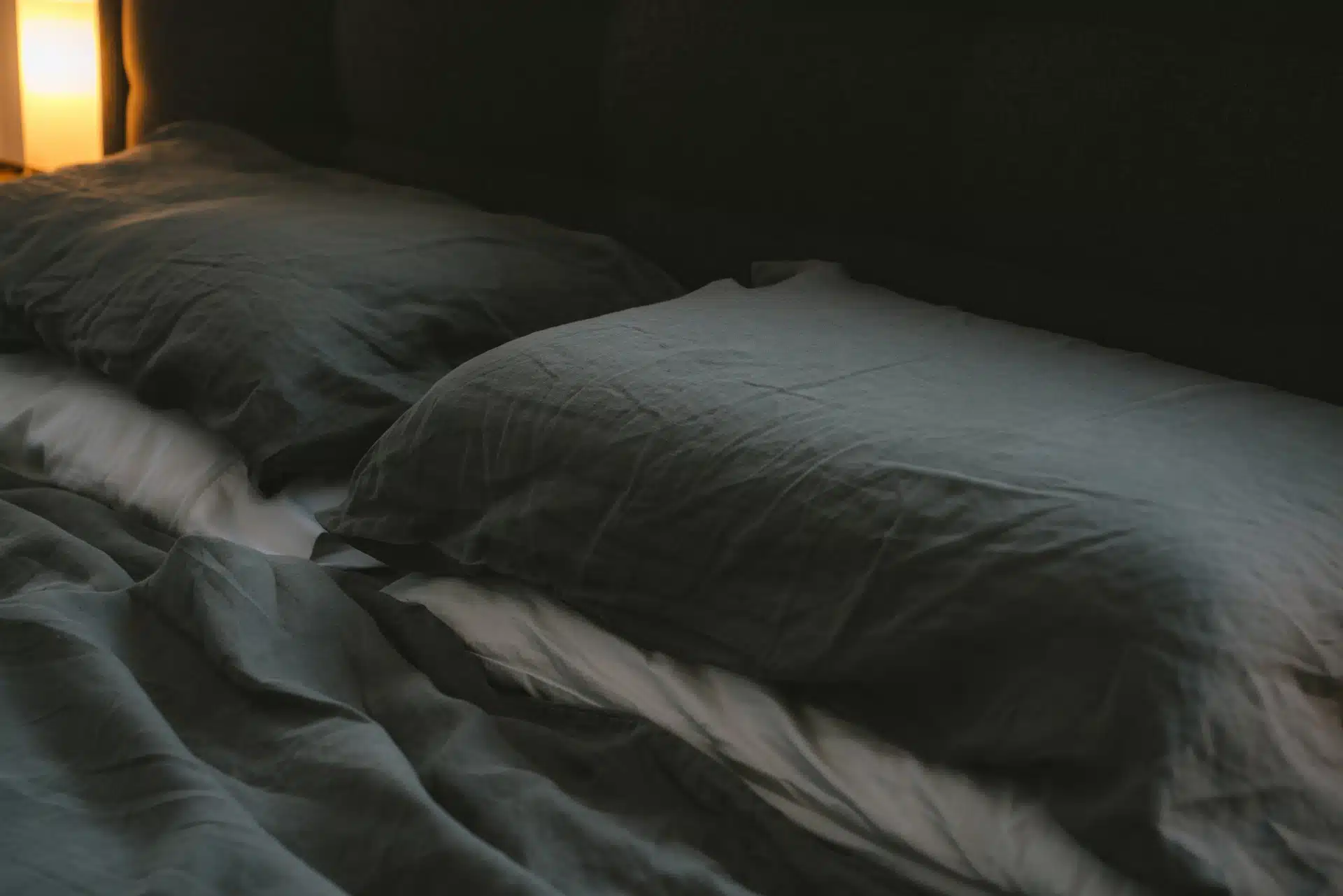
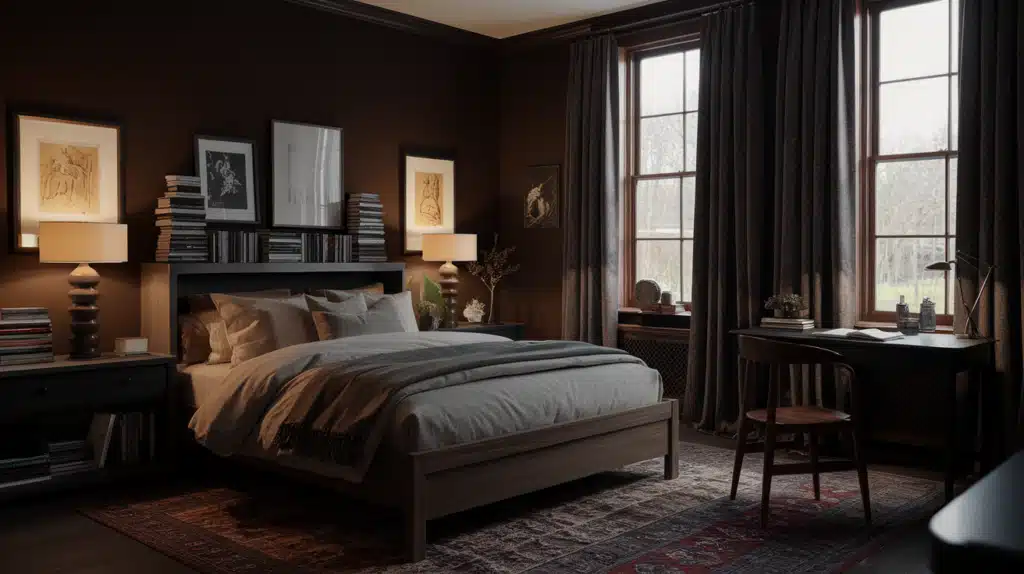
I used to think a bedroom had to feel bright to feel comfortable, but that changed once I saw darker, quieter spaces done right.
A dark academia bedroom creates a calm setting that feels focused, cozy, and grounded, especially if you love books and slower evenings.
You might worry that darker colors will feel heavy or hard to style, but the right choices make a big difference. From furniture and lighting to fabrics and layout, small details shape how the room feels day to night.
I’ll walk you through ideas that keep the space balanced, usable, and personal, with clear guidance you can actually apply. That’s where a dark academia bedroom really starts to come together.
What Defines a Dark Academia Bedroom?
A dark academia bedroom feels quiet, calm, and slightly dramatic. You get a sense of stillness, like a space meant for reading, thinking, and rest. The mood stays soft and low-lit, with lighting that feels gentle rather than bright.
Common visual elements include books, framed art, wooden furniture, and older-style decor pieces. Items often look worn or aged, which adds depth to the room. You may also see desks, reading chairs, or stacked books used as part of the setup.
The color and texture direction stay rich and grounded. Dark neutrals, deep browns, muted greens, and warm creams work well together. Textures like wood, cotton, wool, and leather help the space feel layered and comfortable without feeling heavy.
Dark Academia Bedroom Color Palette
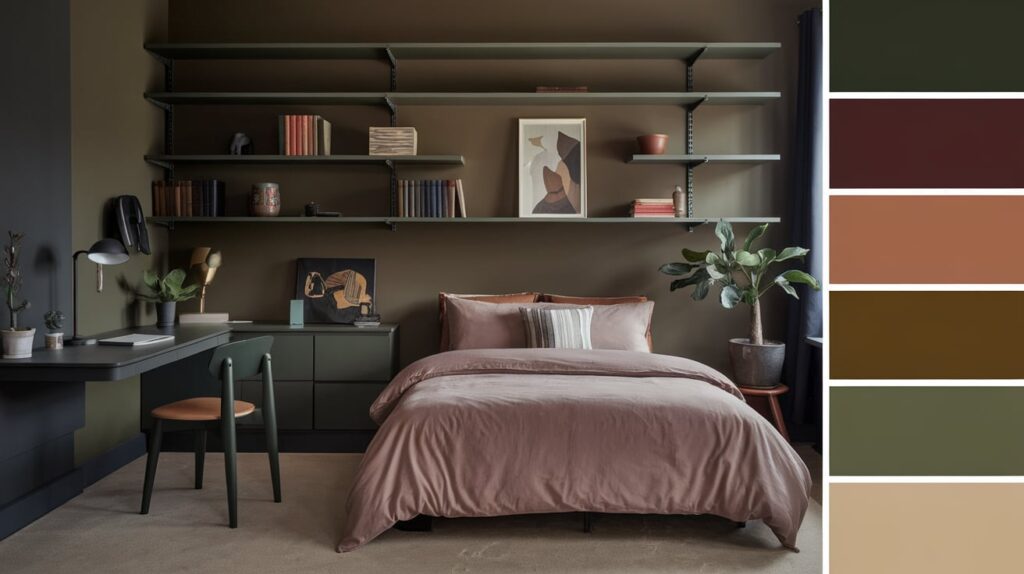
This color palette focuses on deep shades, soft contrast, and calm balance to support a quiet, book-filled bedroom setting.
| Element | Color Ideas | How to Use Them |
|---|---|---|
| Wall Colors | Charcoal, deep brown, dark green, muted gray | Use on all walls or one feature wall to set a grounded base |
| Accent Colors | Cream, beige, rust, soft gold | Add through bedding, pillows, frames, or small decor items |
| Wood Tones | Walnut, oak, espresso | Use for beds, shelves, desks, and nightstands |
| Fabric Shades | Black, olive, warm tan | Bring in through curtains, rugs, and layered bedding |
Balance dark tones by mixing lighter accents, warm lighting, and natural textures so the room feels calm instead of heavy.
Dark Academia Bedroom Ideas
These dark academia bedroom ideas focus on furniture, color, and layout choices that help create a calm, book-centered space with depth and visual weight.
1. Vintage Wooden Bed Frame
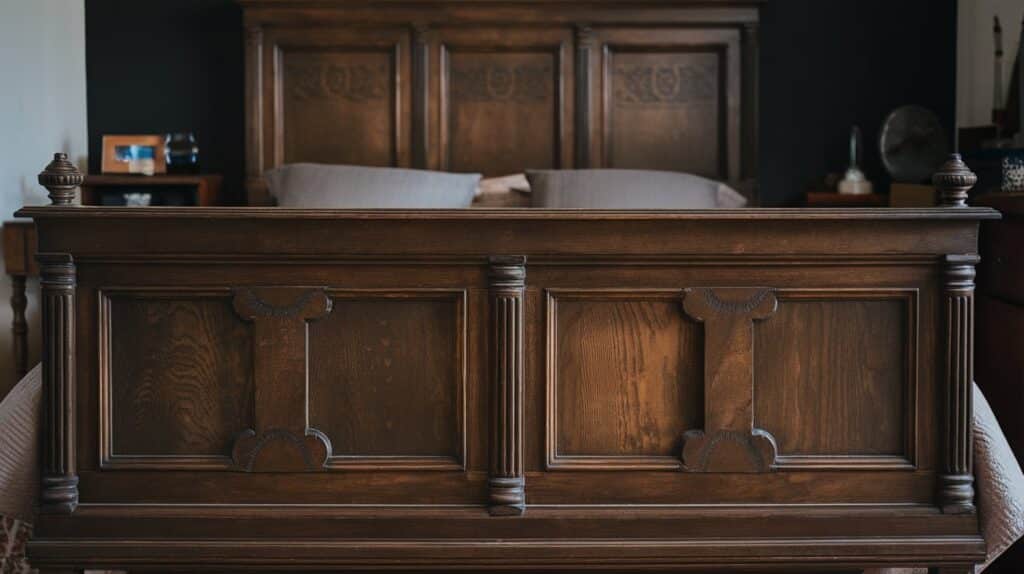
A wooden bed frame sets the base for a dark academia bedroom. Look for solid wood with visible grain, simple carvings, or slightly worn edges. Dark brown, walnut, or espresso finishes work best.
A low or standard-height frame feels grounded and fits the overall tone. Avoid modern gloss finishes and sharp lines. Pair the frame with neutral bedding so the wood stands out. If possible, choose a headboard with panels or gentle curves.
Secondhand or older pieces work well here, since small marks add character. Keep the surrounding decor simple so the bed remains the main focus. This piece helps anchor the room and gives everything else a strong starting point.
2. Moody Neutral Wall Colors
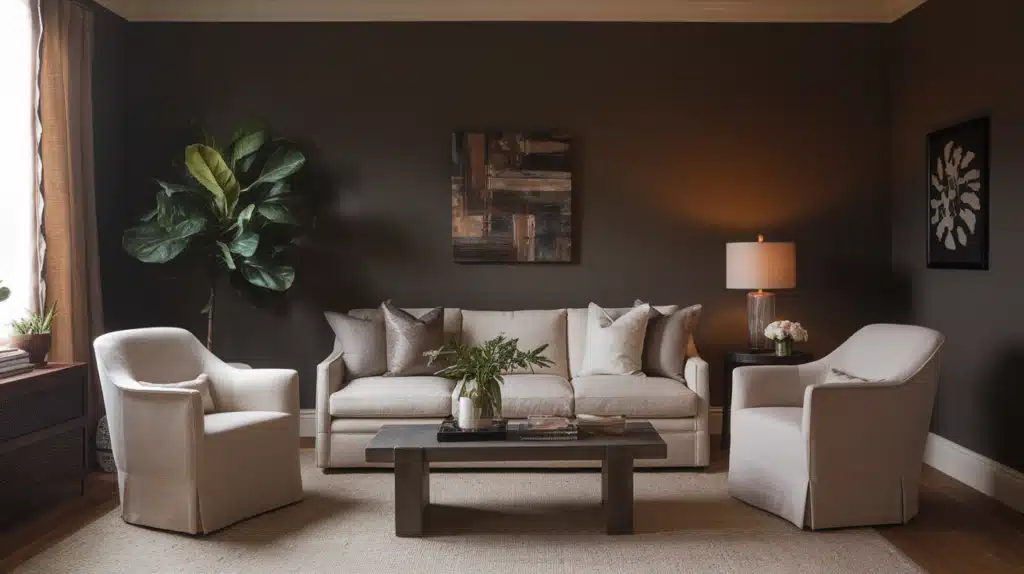
Wall color plays a significant role in shaping the room’s feel. Deep neutrals like charcoal, dark taupe, muted brown, or soft black create a calm backdrop. These shades reduce visual noise and help the space feel quiet.
Matte or eggshell finishes work better than shiny ones. If the room feels small, consider painting just one wall and keeping the others lighter. Wall color should support furniture and decor, not overpower them.
Pair dark walls with warm lighting and lighter bedding to keep the balance. Test paint samples first, since lighting can change how colors appear throughout the day and evening hours.
3. Layered Bedding in Dark Tones
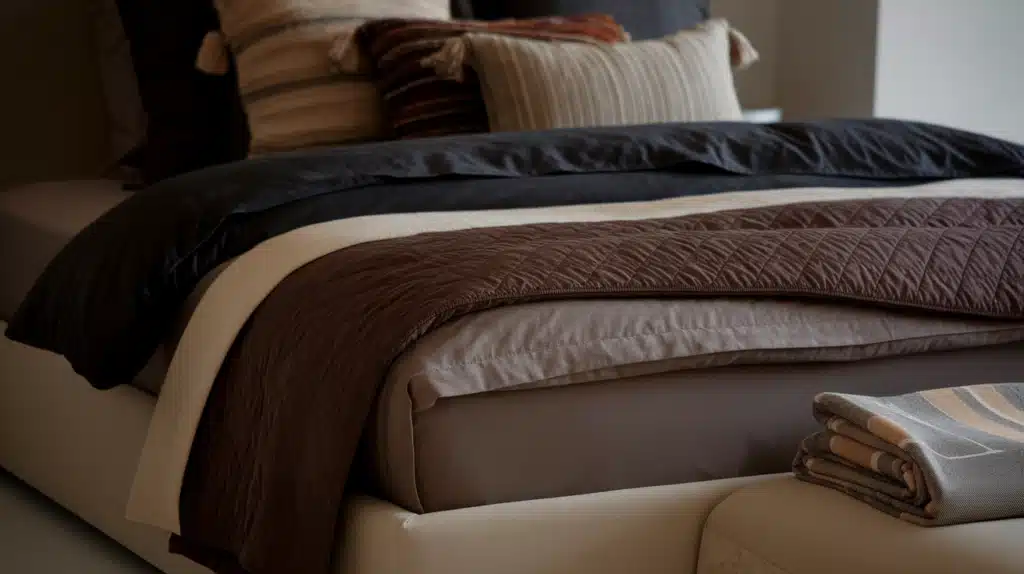
Layered bedding adds depth without needing extra decor. Start with a fitted sheet in a neutral shade, then add darker flat sheets, quilts, or duvets. Use colors like deep gray, brown, olive, or soft black.
Mix textures to avoid a flat look. Cotton, linen, and light knits work well together. Keep patterns minimal, focusing more on solid colors. A folded throw at the foot of the bed adds structure.
Pillows should vary slightly in tone but stay within the same color family. This setup feels calm and structured, while still looking comfortable and lived-in.
4. Antique-Style Nightstands
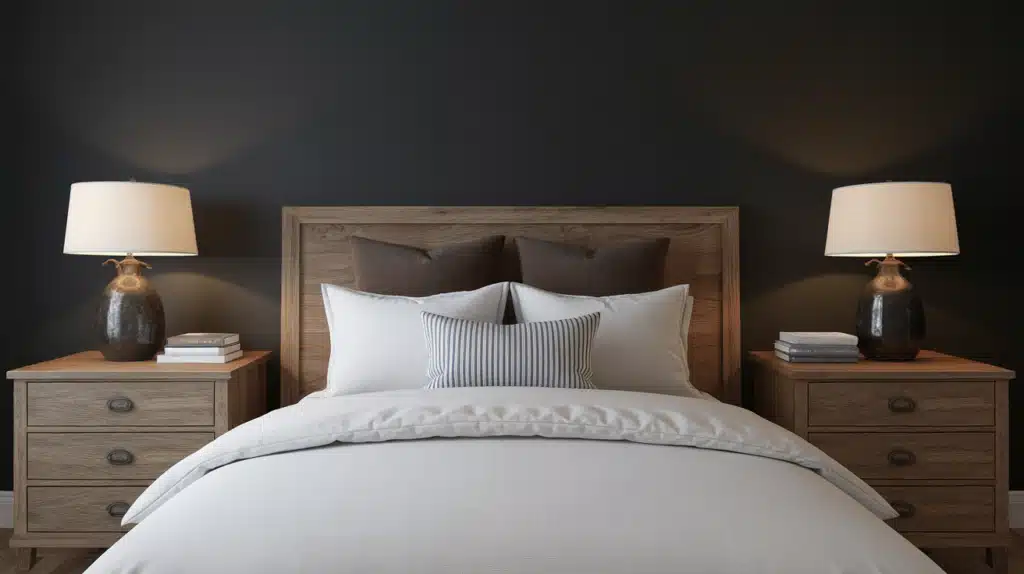
Nightstands should feel sturdy and practical. Wood styles with drawers, small legs, or simple hardware fit best. Avoid sleek or modern designs. Older-style nightstands add weight and balance beside the bed.
Dark wood finishes work well, but lighter wood can still fit if the room stays grounded elsewhere. Keep the surface simple. A lamp, one or two books, and a small tray are enough.
Avoid clutter. If matching nightstands feels too strict, mix similar styles instead. The goal is function and visual balance, not perfection. These pieces support the bed without pulling attention away from it.
5. Books Used as Decor
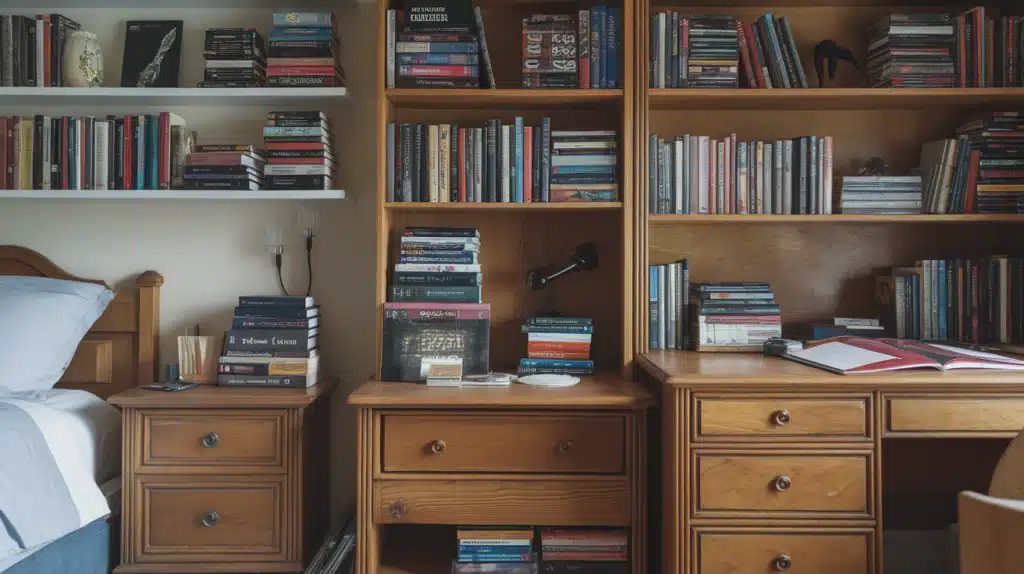
Books are a key part of this style and work well as decor. Stack them on nightstands, desks, or shelves. Mix vertical and horizontal piles for variety. Older-looking covers, muted colors, or worn spines fit best.
You do not need rare books. Regular paperbacks work if the colors stay soft. Avoid bright or glossy covers. Keep stacks small, so they feel intentional.
Books help fill empty surfaces and support the academic feel of the room. They also add texture and height without needing extra objects. This keeps the space personal while staying visually calm.
6. Classical Art Gallery Wall
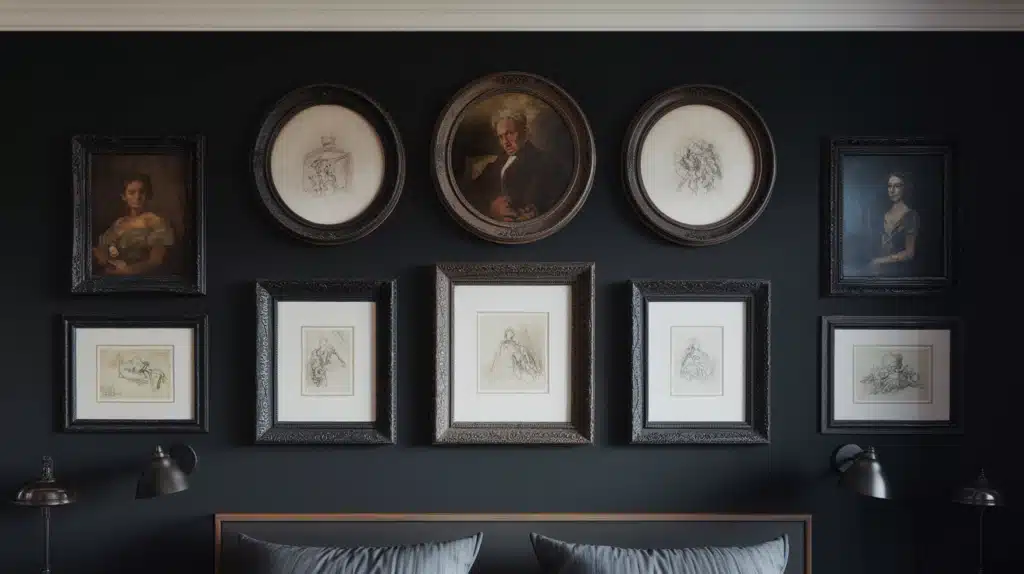
A gallery wall adds interest without crowding the room. Choose framed prints of portraits, sketches, architecture, or old illustrations. Stick to dark or neutral frames for consistency.
Black, brown, or brass finishes work well. Arrange frames in a loose grid or balanced cluster. Keep spacing even so the wall feels calm. Avoid bright colors or modern graphics.
The art should support the room’s tone, not distract from it. One larger piece can anchor the display, with smaller frames around it. This setup adds visual depth and helps the walls feel complete.
7. Warm Table Lamps
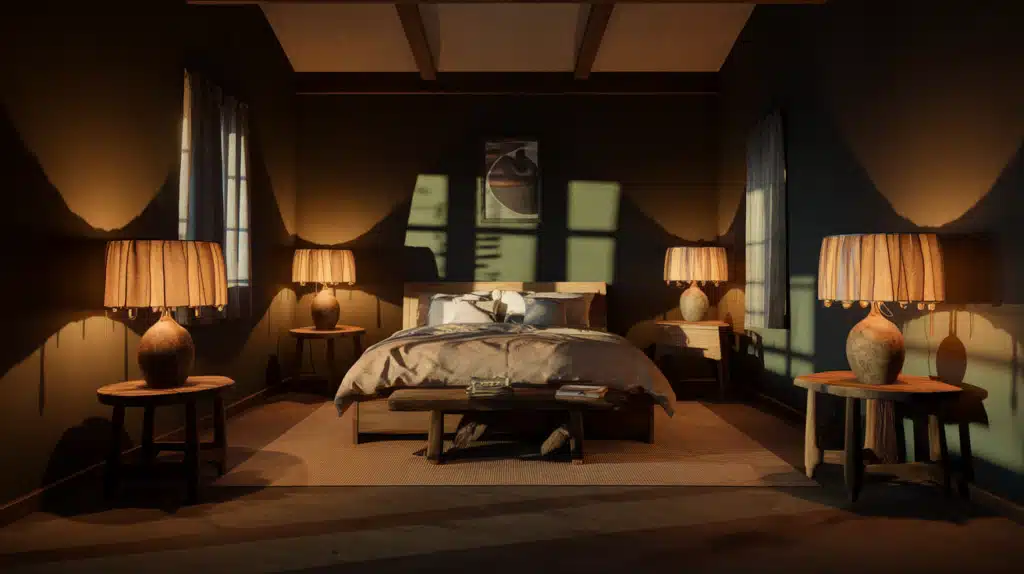
Lighting should stay soft and warm. Table lamps with fabric or glass shades work best. Place them on nightstands, desks, or side tables. Use warm bulbs to avoid harsh light.
Avoid overhead lighting as the main source. Lamps help create a calm evening setting and highlight textures in the room. Choose lamp bases made of wood, metal, or ceramic.
Simple shapes work better than modern designs. Keep cords hidden where possible. Good lighting supports the room’s mood and makes the space feel settled, especially during quiet evening hours.
8. Writing Desk Corner
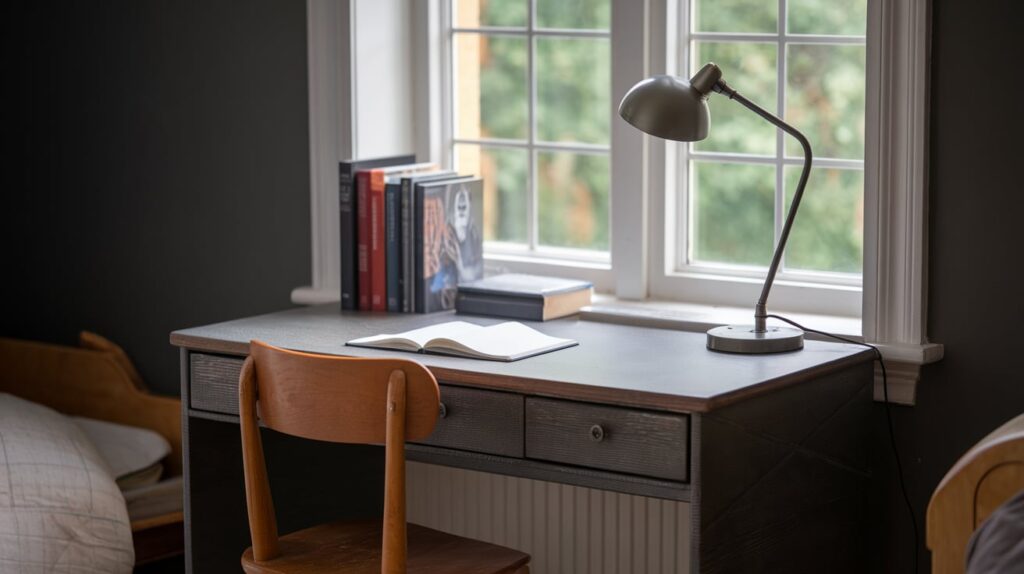
A small desk adds purpose to the room. Choose a wooden desk with clean lines and a solid build. Place it near a wall or window if possible. Keep the setup simple.
A chair, a lamp, a notebook, and a few books are enough. Avoid filling the desk with many items. The desk should feel usable, not staged. Dark or neutral finishes work best. This corner supports reading, writing, or quiet tasks.
Even if used rarely, it adds structure and supports the academic tone without taking up too much space.
9. Heavy Drapes and Curtains
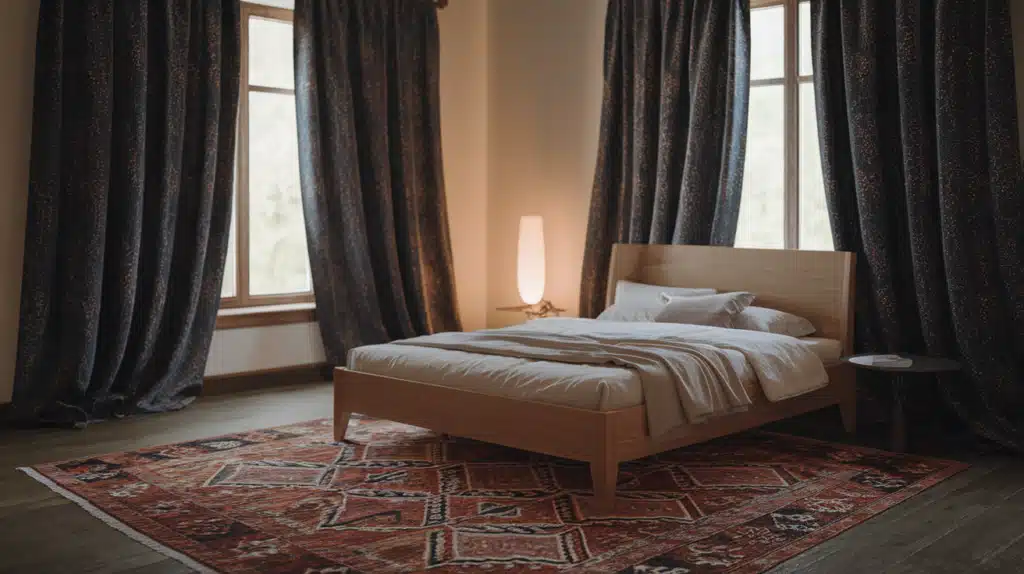
Curtains help frame windows and control light. Choose thicker fabrics like cotton or velvet in dark shades. Brown, charcoal, or muted green work well. Hang curtains high to make the room feel taller.
Avoid sheer fabrics, which feel too light for this style. Curtains should fall straight and touch the floor if possible. They add weight and softness to the room.
During the day, open them fully to let light in. At night, they help the room feel closed off and calm, supporting rest and privacy.
10. Leather Reading Chair
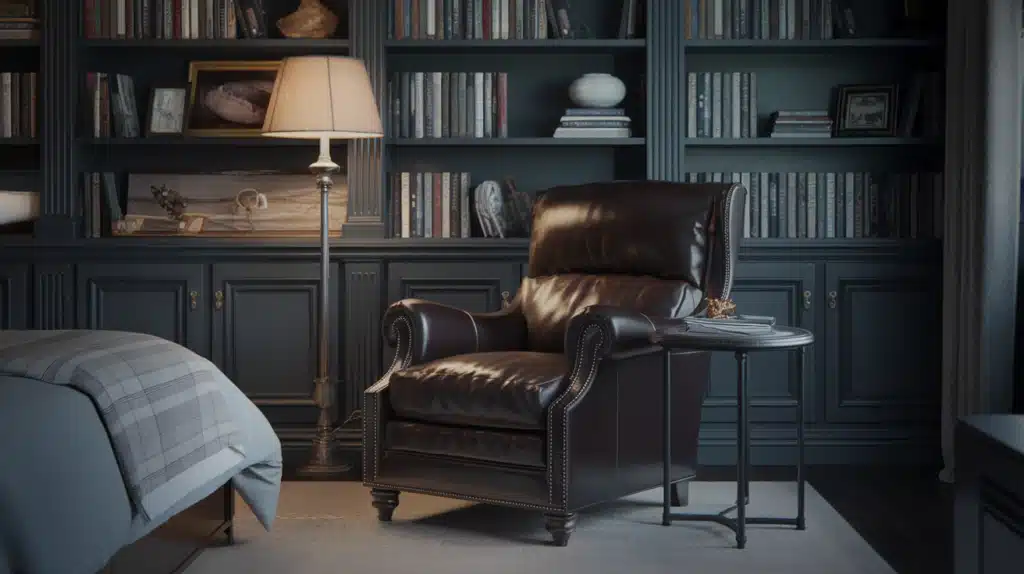
A reading chair adds comfort and structure. Leather or leather-look chairs fit well, especially in brown or dark tan shades. Place the chair near a lamp or bookshelf. Keep the area simple.
A small side table or stack of books is enough. Avoid adding many pillows or blankets. The chair should feel practical and inviting.
If leather is not an option, choose a fabric chair in a dark neutral tone. This piece gives the room a clear spot for reading or quiet time and helps balance the bed visually.
11. Persian or Vintage Rug
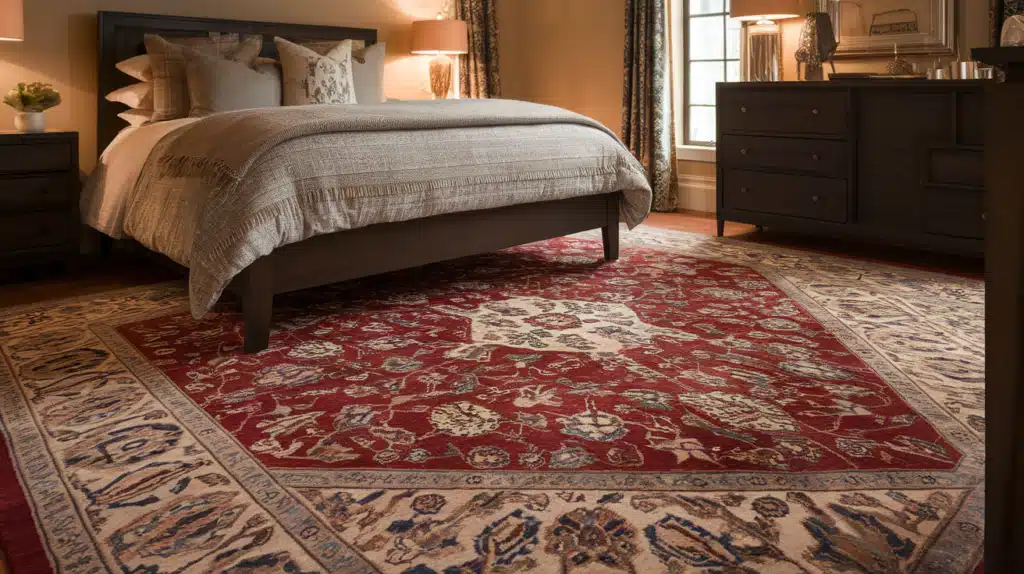
A patterned rug helps ground the room and adds warmth underfoot. Persian or older-style rugs with muted reds, browns, blues, or creams work best. Place the rug partly under the bed so it frames the sleeping area without covering the whole floor.
In smaller rooms, a runner can sit along one side of the bed or near a desk. Worn patterns and faded colors often look better than sharp, new designs. Avoid bold or modern prints.
The rug should support the room, not pull attention away from furniture. This layer also softens hard floors and helps the space feel settled, especially when paired with wood furniture and darker walls.
12. Ornate or Arched Mirror
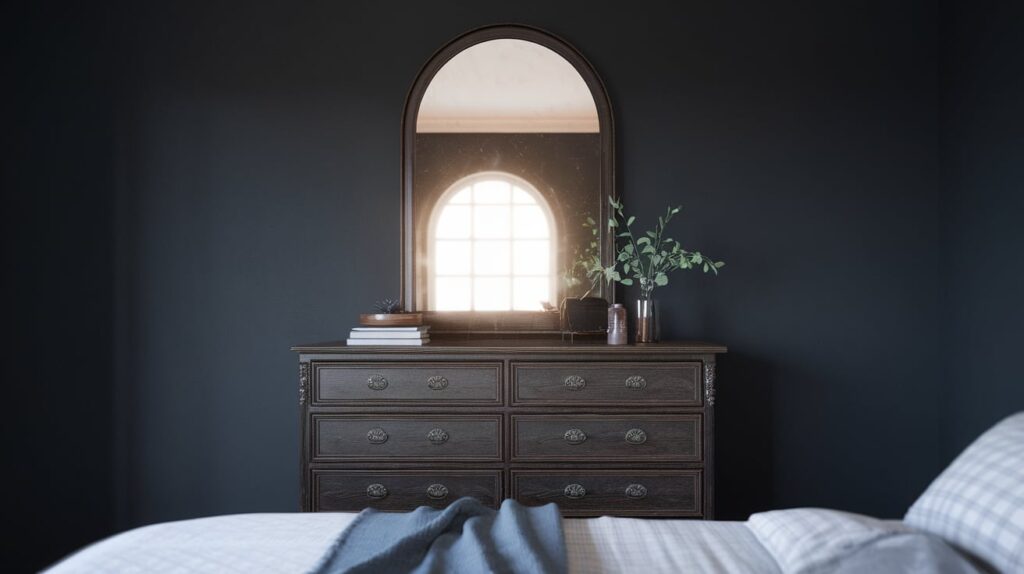
A mirror adds light without breaking the room’s mood. Choose one with a curved top or a detailed frame in dark wood or metal.
Place it above a dresser, near a window, or on an empty wall that feels heavy. Avoid frameless or modern shapes. The mirror should look like it belongs with older furniture pieces.
Keep the surrounding area simple so the mirror does not feel crowded. A mirror helps bounce light around the room, which matters when darker colors are used. It also adds height and depth, making the space feel more open while staying true to the overall tone.
13. Dark Wood Bookshelves
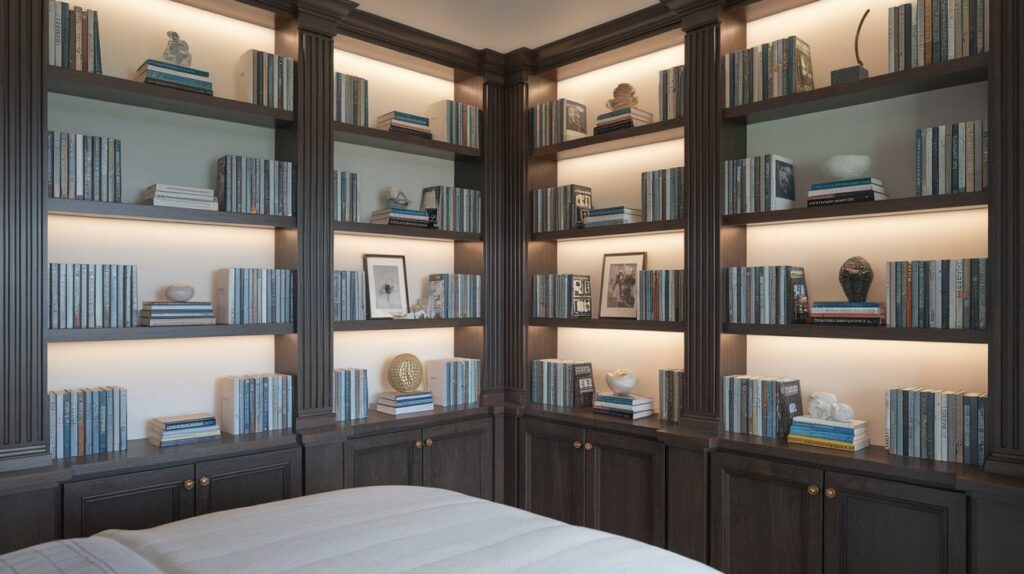
Bookshelves are both useful and decorative. Dark wood shelves fit best and help anchor the room visually. Tall shelves draw the eye upward and work well in rooms with high ceilings.
Fill shelves mostly with books, then add a few small objects like framed photos or desk items. Leave some space so shelves do not feel packed. Avoid bright book covers or plastic bins.
If shelves feel too heavy, balance them with lighter items nearby, such as bedding or wall art. Bookshelves help define the academic feel of the room and give everyday items a clear place to live.
14. Candle-Inspired Lighting
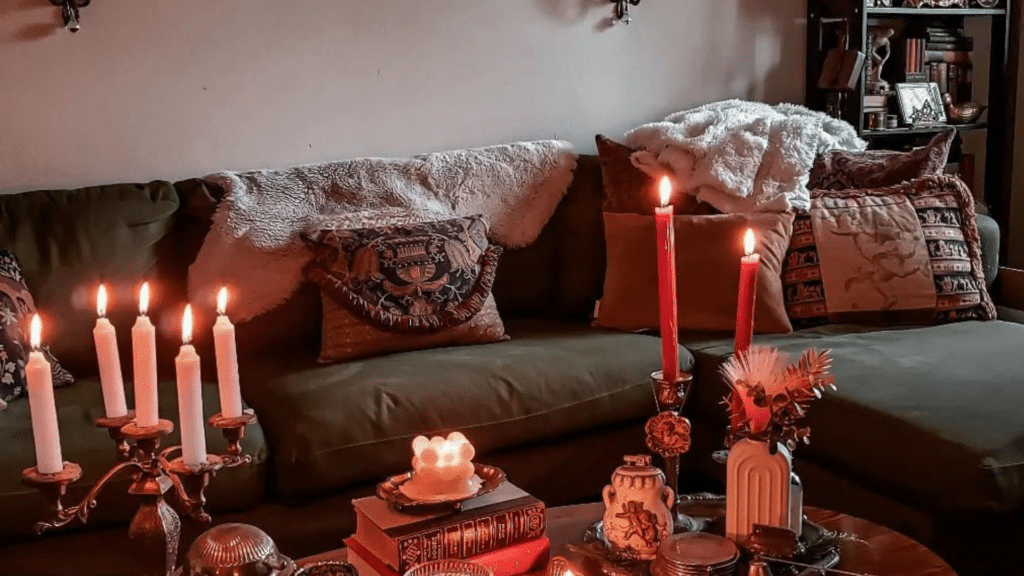
Soft lighting supports a calm evening setting. Candle-inspired lights, such as lantern-style lamps or LED candles, work well without adding fire risk. Place them on shelves, desks, or dressers.
Keep the glow low and warm. Avoid strong white light or flashing effects. These lights work best as secondary sources, not the main light. They help soften corners and add gentle contrast against dark walls.
Use them in the evening to reduce harsh lighting before sleep. Even one or two pieces can change how the room feels after sunset, making the space feel quieter and more settled.
15. Subtle Wall Paneling
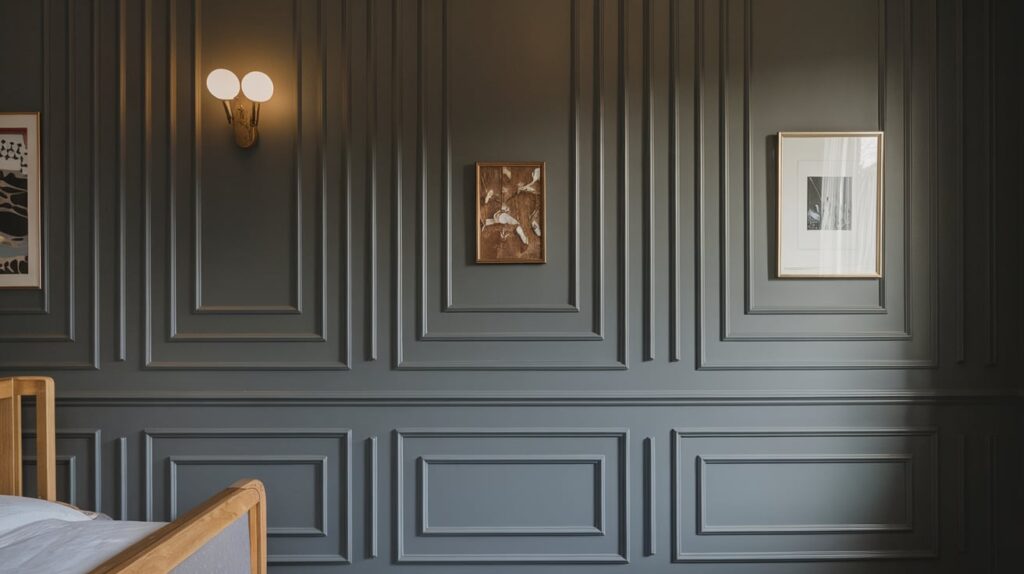
Wall paneling adds structure without needing extra decor. Simple trim, narrow panels, or lower wall molding work best. Keep the paint color close to the wall color so the detail stays subtle. Avoid bold contrast.
Paneling helps break up flat walls and adds depth, especially in rooms with high ceilings. If full paneling feels like too much, try one wall behind the bed. This detail works well with older furniture styles and framed art.
It adds interest while keeping the room calm and orderly. Paneling should feel supportive, not decorative on its own.
16. Earth-Tone Throw Blankets
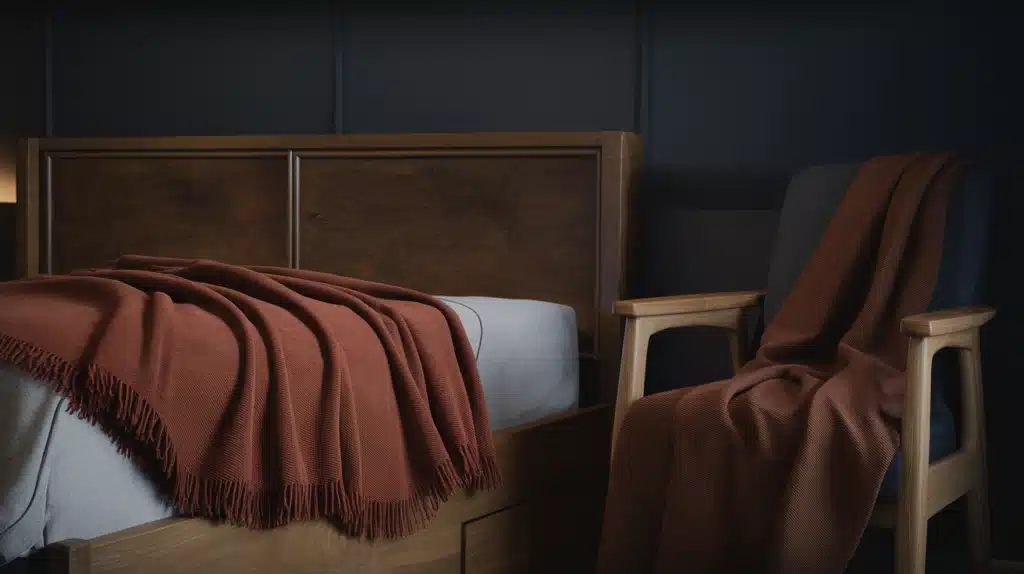
Throw blankets add comfort and texture. Choose colors like brown, tan, rust, olive, or cream. Drape one over the bed or a chair rather than folding it neatly. This keeps the space from feeling stiff.
Materials like cotton, wool, or soft knits work well. Avoid shiny or bright fabrics. One or two throws are enough.
Too many can make the room feel messy. These pieces help soften darker furniture and walls while keeping the color range calm. They also make the room feel more usable, especially during cooler months or quiet evenings.
17. Dried Florals or Botanicals
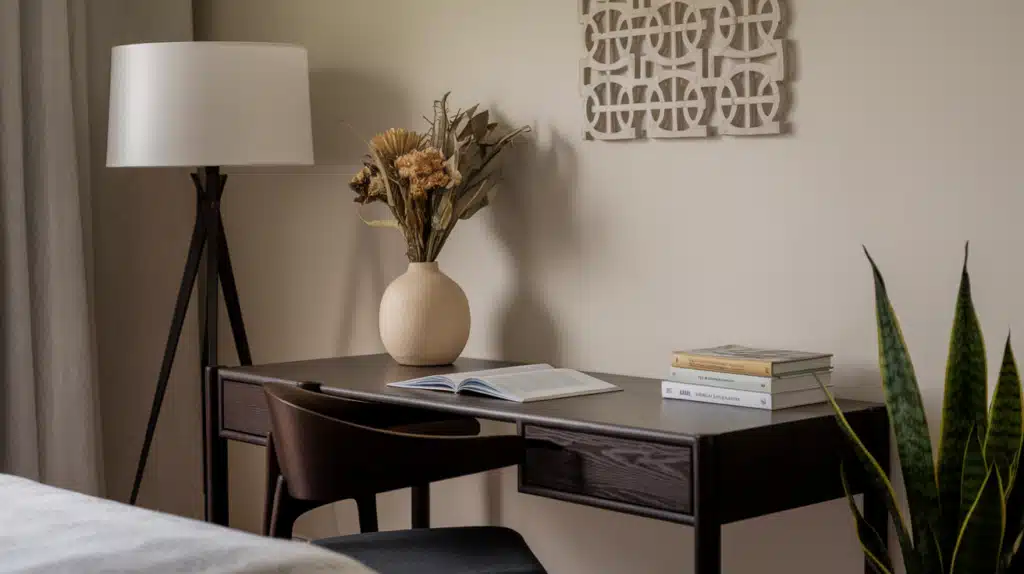
Natural elements help break up heavy materials like wood and leather. Dried flowers, branches, or grasses work better than bright, fresh plants. Place them in simple vases made of glass, clay, or metal.
Keep arrangements loose and natural, not full or colorful. One small vase on a desk or shelf is enough.
Pressed plants in frames also work well. Avoid plastic or fake greenery. These elements add life without pulling focus. They work especially well near books or artwork and help soften hard edges throughout the room.
18. Vintage Desk Accessories
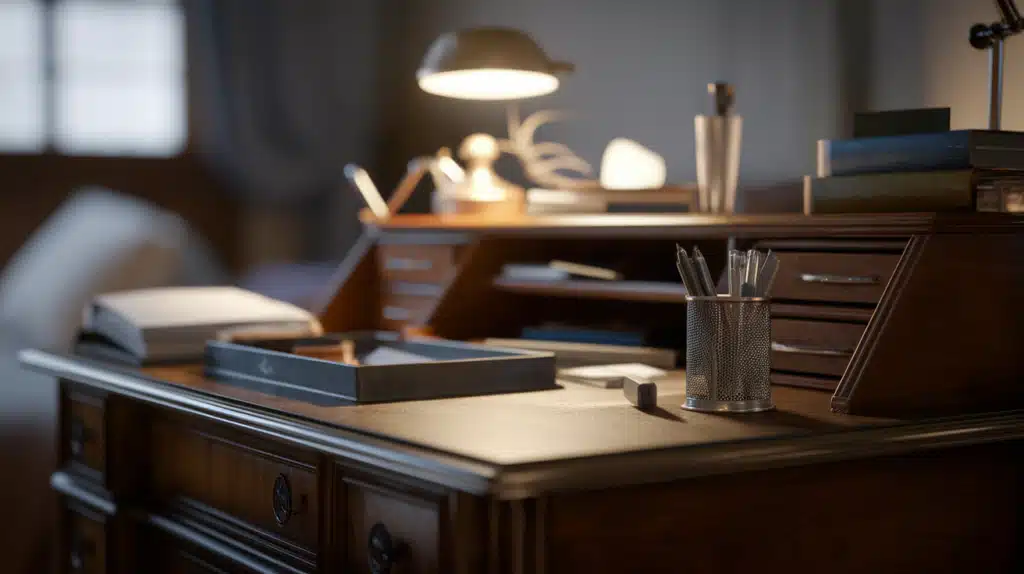
Desk accessories should feel useful and slightly worn. Items like pen holders, trays, small boxes, or bookends work well. Choose metal, wood, or leather materials. Keep the desk surface clear, with only a few items visible.
Avoid bright colors or plastic. These small pieces help support the academic feel without adding clutter. Even if the desk is rarely used, these objects give it purpose. Stick to simple shapes and neutral tones.
The goal is to make the desk feel lived-in, not staged, while keeping the room calm and organized.
19. Dark Academia Bedroom for Small Rooms
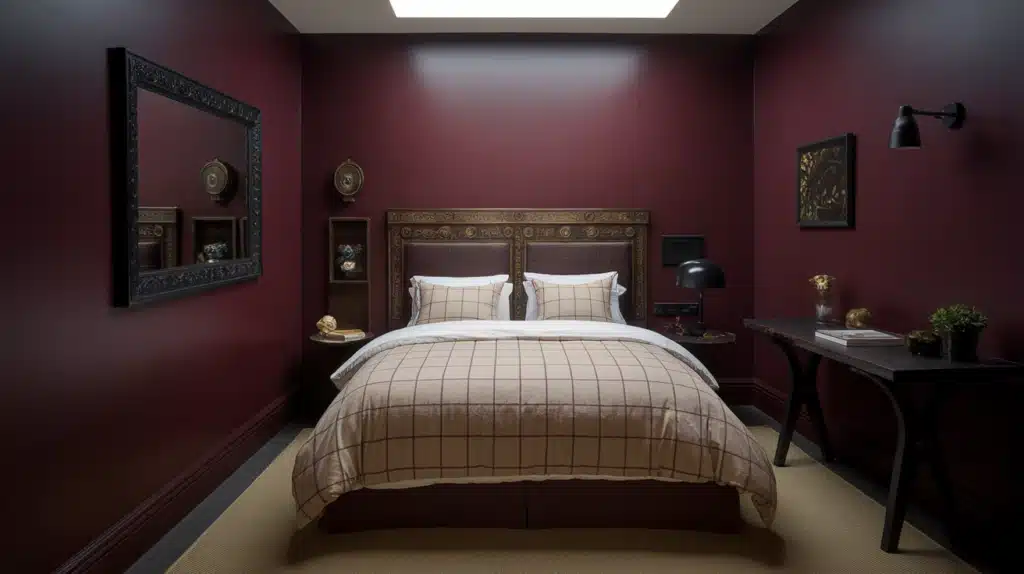
Small rooms can still work well with this style. Use darker colors carefully by balancing them with lighter bedding or curtains. Choose furniture that fits the room scale and avoid bulky pieces.
Mirrors help reflect light and prevent the space from feeling closed in. Keep decor minimal and purposeful. Focus on a few strong pieces instead of many small ones. Vertical shelves help save floor space.
Good lighting matters even more in smaller rooms, so use lamps instead of overhead lights. With thoughtful choices, the room can feel cozy rather than cramped.
20. Modern Dark Academia Style
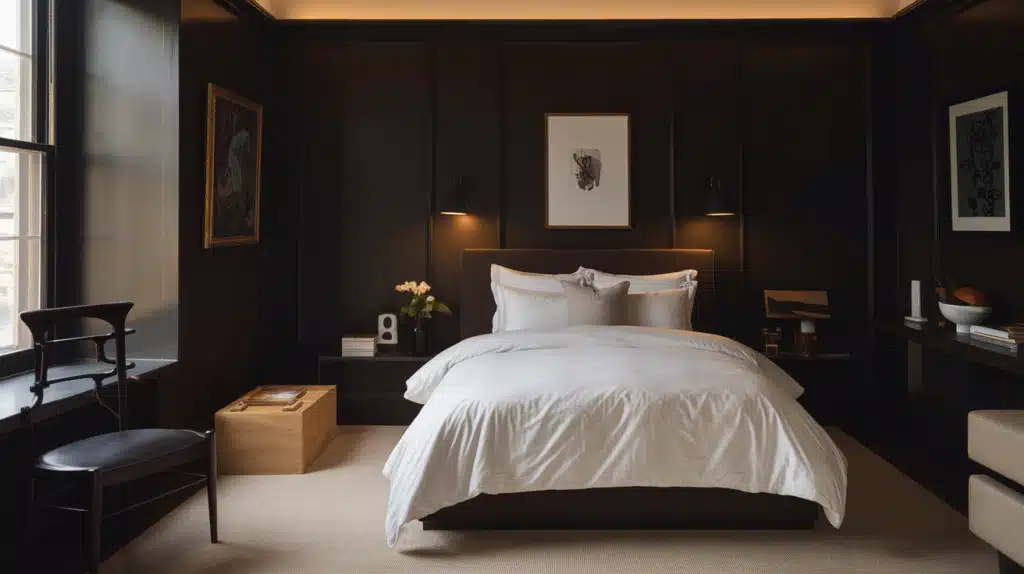
A modern take uses the same dark tones but with cleaner lines. Furniture stays simple, with fewer carvings or details. Walls may be dark, but decor remains minimal. Choose art with softer subjects rather than detailed scenes.
Lighting stays warm but more streamlined. This approach works well in newer homes or apartments.
The key is restraint. Keep the color range narrow and avoid filling every surface. This style keeps the room calm and grounded while fitting more current spaces. It still supports reading, rest, and quiet time without feeling heavy or old-fashioned.
21. Collected and Lived-In Look
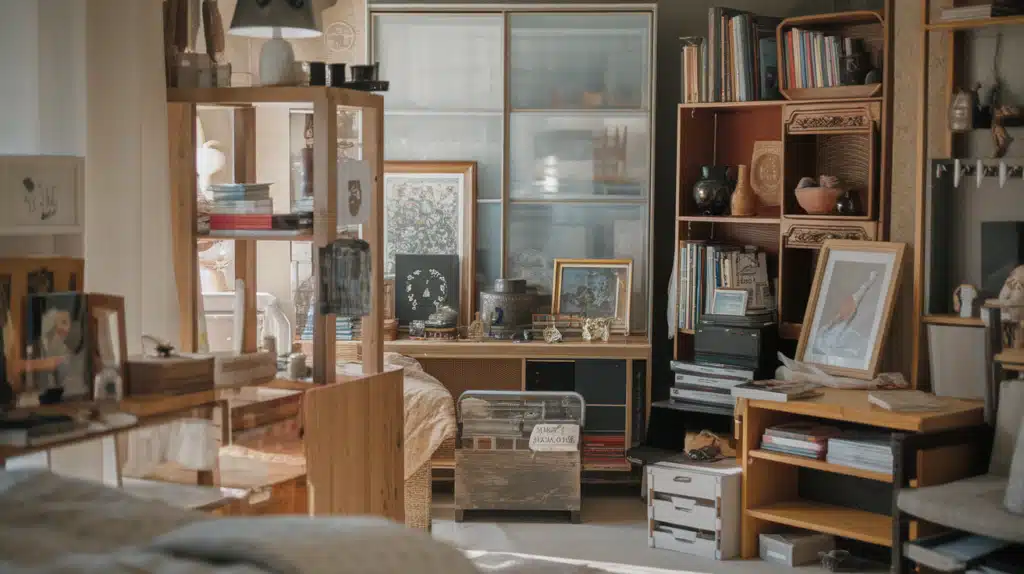
This look comes together over time. Avoid buying everything at once. Mix pieces from different places and periods so the room feels natural. Items should feel chosen, not matched.
Books, furniture, and decor should reflect real use. Leave some wear visible. Do not aim for perfection. Rearrange items as you live in the space. This approach keeps the room comfortable and personal.
When everything has a reason to be there, the room feels settled. This style works best when the space grows slowly, shaped by daily habits rather than strict rules.
Dark Academia Bedroom on a Budget
Creating this bedroom style does not require expensive pieces. Thrift stores are a strong starting point. Look for solid wood furniture, framed art, mirrors, and lamps with simple shapes.
Focus on condition and material rather than style names. Affordable decor swaps also help. Use books as decor, choose neutral bedding instead of printed sets, and repurpose scarves or fabric as table runners or wall accents.
DIY-friendly ideas can stretch your budget further. Refinish wood furniture with a darker stain, paint old frames to match the room, or sew simple pillow covers using neutral fabric.
Small changes add up. With patience and thoughtful choices, the room can feel complete without spending much money.
Common Dark Academia Bedroom Mistakes
Avoiding common mistakes helps the bedroom feel calm and balanced instead of heavy, cluttered, or confusing to look at.
- Over-darkening the space: Using dark walls, furniture, and bedding all at once can make the room feel closed in. Balance darker shades with lighter bedding, rugs, or wall art. Good lighting also matters. Use lamps instead of relying only on overhead lights.
- Overcrowding decor: Adding too many books, frames, or objects can make the room feel messy. Choose fewer items with clear purpose. Leave some empty space so each piece can stand out, and the room feels easier to rest in.
- Mixing mismatched styles: Combining modern, rustic, or bold decor with this style can break the mood. Stick to similar tones, materials, and older-style shapes to keep the room consistent and calm.
Conclusion
By now, you’ve seen how this style comes together through color choices, furniture, lighting, and thoughtful details.
The goal is not filling the room, but choosing pieces that support rest, reading, and quiet time. When darker tones are balanced with soft light and simple textures, the space feels calm instead of closed in.
I’ve found that taking it slow often leads to better results, especially when mixing older items with everyday pieces you already own.
A dark academia bedroom works best when it reflects how you actually live, not a fixed set of rules.
Which idea stood out to you most, or which one feels easiest to try first? If you want more ideas like this, take a look at my other bedroom and decor blogs next.