You’re tired, stressed, and wondering if it’s all connected to the way you breathe at night. Maybe you’re already dealing with sleep apnea, or you’re not sure yet, but your stress levels seem to make everything worse.
I’ve been there, too. If you’ve ever wondered, can stress cause sleep apnea or make it worse?
Understanding how stress affects your sleep and breathing can help you take the right steps forward. This isn’t just about what’s happening in your body; it’s about how you feel each day.
If stress might be part of your sleep struggles, let’s take a closer look at what’s really going on!
Understanding Sleep Apnea
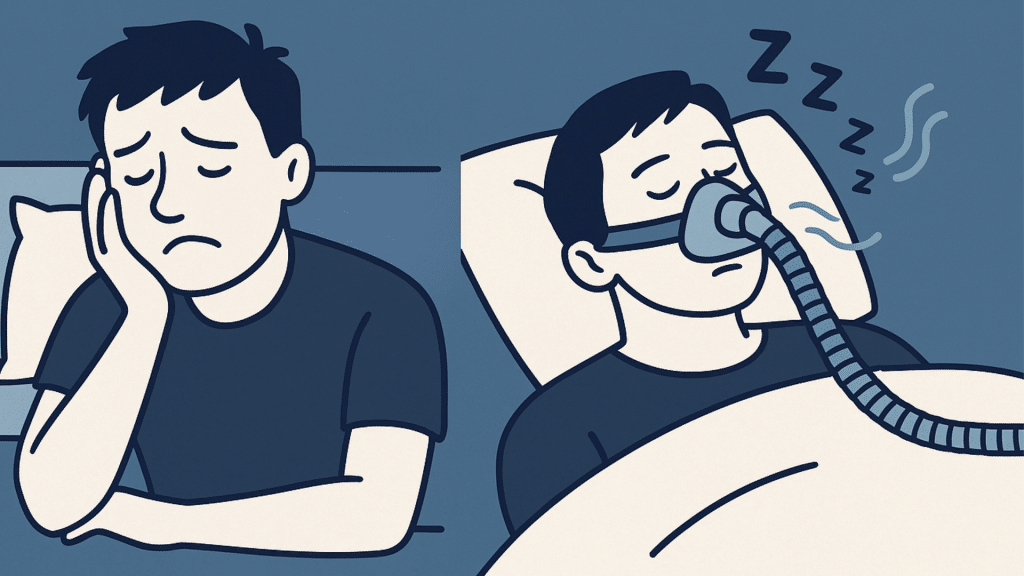
Sleep apnea is a condition where breathing repeatedly stops and starts during sleep. The most common type is obstructive sleep apnea, which happens when the muscles in your throat relax too much and block the airway.
Less common types include central sleep apnea and mixed sleep apnea. Many people with this condition snore loudly or wake up feeling tired, even after a full night’s sleep.
Causes can include being overweight, having a narrow airway, or smoking. Since many cases go unnoticed, it’s important to watch for warning signs like daytime sleepiness or waking up gasping for air.
Can Stress Cause Sleep Apnea or Make It Worse?
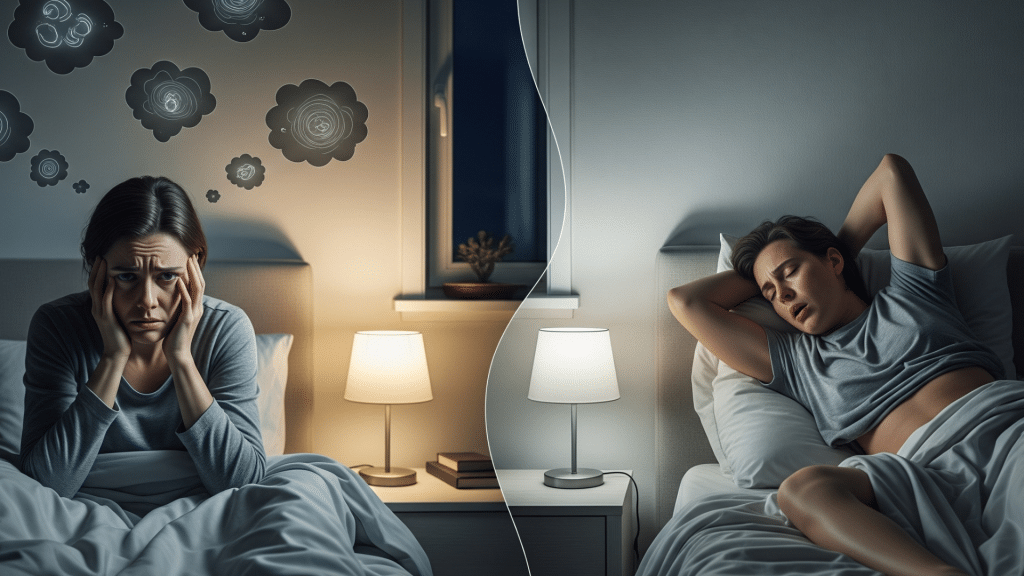
Stress doesn’t directly cause sleep apnea, but it may increase its severity, frequency, and overall impact on sleep quality and health.
Can Stress Make Sleep Apnea Worse?
Stress doesn’t create sleep apnea, but it can absolutely make it harder to manage. Tension and mental strain may lead to poor sleep, shallower breathing, or more frequent awakenings during the night.
These effects can add to the fatigue and confusion that many people already face with sleep apnea. Managing stress can improve symptoms even if it doesn’t fix the root cause.
What Studies Have Found
Research from sleep health sources like ResMed, NIH, and other medical journals points to a link between stress and worsened apnea. While studies don’t show a direct cause, they suggest stress affects sleep structure and breathing regularity.
High-pressure jobs, long-term anxiety, and sleep interruptions often appear in people already diagnosed with apnea. These patterns show that emotional pressure may raise the burden of this condition.
How Stress Disrupts Breathing and Sleep
When you’re stressed, your body activates its alert system. This can increase cortisol levels, raise your heart rate, and make muscles tighten, even while you sleep. These changes may cause more shallow breathing or sudden wake-ups during sleep cycles.
Over time, this “always on” state creates a loop where stress disrupts sleep, and poor sleep fuels more stress, especially in people with breathing conditions like apnea.
Stress vs. Sleep Apnea Symptoms: A Comparison Table
Use this quick chart to compare common symptoms of stress and sleep apnea across breathing, energy, mood, and sleep patterns.
| Symptom Type | Stress | Sleep Apnea |
|---|---|---|
| Breathing Changes | Faster breathing, chest tightness | Pauses in breathing, gasping, and loud snoring |
| Mental Health Signs | Anxiety, worry, irritability | Brain fog, memory trouble, and low motivation |
| Daytime Fatigue | Tired from overthinking or restlessness | Extreme fatigue even after a full night of sleep |
| Nighttime Interruptions | Trouble falling asleep, waking from racing thoughts | Waking, gasping, choking, or from blocked breathing |
Step-by-Step Symptom Breakdown
Step 1: Stress symptoms often show up before sleep. Apnea symptoms usually appear after you fall asleep.
Step 2: Frequent gasping or choking may point to apnea. Waking restless or tense may be more about stress.
Step 3: Daytime tiredness with poor focus could signal apnea. Feeling tense or irritable may be a sign of stress.
Step 4: If relaxation techniques improve sleep quickly, stress is likely the main issue, not a breathing problem.
Step 5: If nothing helps and sleep still feels broken, testing for sleep apnea is a smart next step.
When It’s Both Stress and Sleep Apnea
Sometimes you don’t have to choose one or the other, because both are at play. You might feel anxious and tense before bed, then wake up gasping or drained.
Stress can make sleep apnea worse, and untreated apnea can make stress feel harder to handle. If this sounds familiar, it’s best to treat both together.
What You Can Do About It
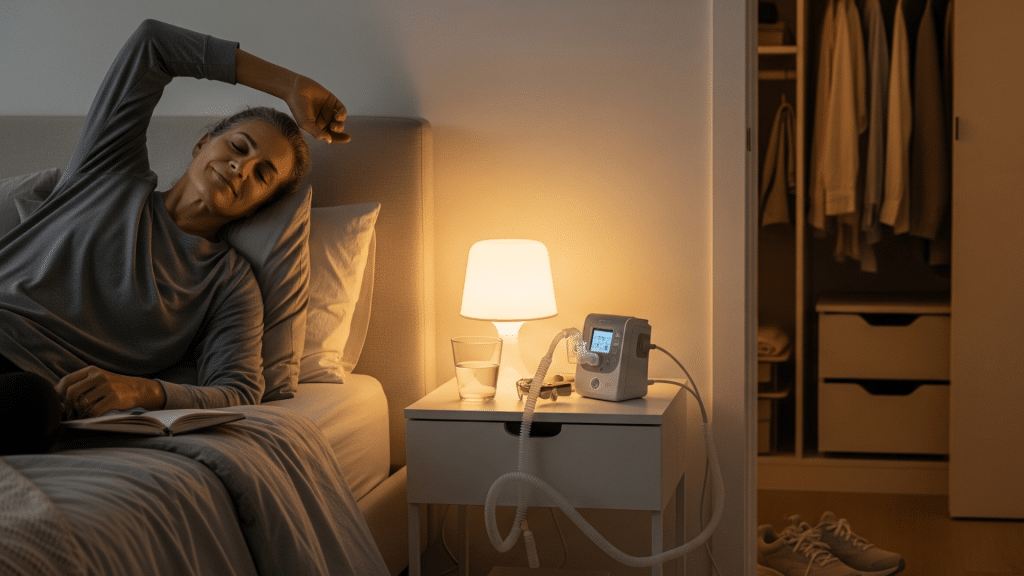
Managing stress and sleep apnea together takes simple, steady habits. Start with small changes like walking daily, eating lighter meals at night, and avoiding alcohol or caffeine before bed.
Keep a regular sleep routine to support your body clock. If stress makes falling asleep hard, try deep breathing, light stretching, or a calming audio track.
For those using CPAP, stress can make it harder to stay consistent, so focus on comfort and fit. If you’re still waking up tired or gasping, it’s time to speak with a sleep specialist for real answers.
Why Sleep Apnea Sometimes Gets Missed
Sleep apnea often goes undiagnosed because its symptoms can look a lot like stress, anxiety, or even burnout.
If you’re feeling tired all day, struggling to focus, or waking up unrested, you might be told to just relax or get more sleep. But if the real issue is sleep apnea, stress management alone won’t fix it.
Many people spend months treating the wrong thing. That’s why it’s important to notice when nothing is working. If you’re still feeling off after trying common fixes, talk to your doctor about getting tested for sleep apnea; it could explain a lot.
Conclusion
If you’ve been asking yourself whether stress is making your sleep apnea worse, now you have a clearer answer: it definitely can.
The way my body reacts to pressure has made my own sleep struggles harder, and I know it might be doing the same for you. But you’re not stuck.
With small steps and the right support, you can feel more rested and in control again. Start by tracking what you notice. Try what feels manageable.
And if things still don’t feel right, talk to someone who can help. While you’re here, take a look at more tips to support your sleep and peace of mind. Check out more blogs related to sleep apnea on the website.