Living spaces come with all sorts of quirks. Older homes often feature tiny built in storage areas, and some urban apartments skip structural storage entirely. Figuring out how to organize your clothes without a giant walk in closet can seem stressful at first, but it actually opens the door to much more creative interior design choices.
You get to decide exactly how and where your garments are stored. By looking at storage as a functional part of your room layout, you can update your space while keeping your everyday items easily accessible.
The challenge of a limited footprint becomes especially obvious when the seasons change. Heavy coats, thick sweaters, and extra blankets take up a massive amount of physical space. When you do not have a dedicated closet to hide these items away, you are forced to curate your belongings and think outside the box.
The good news is that exposed or alternative storage can look incredibly chic. With the right mix of furniture and layout planning, your clothing can actually contribute to the aesthetic of your room rather than detract from it.
The Freestanding Storage Comeback
A major part of organizing an older home or a modern studio apartment involves looking backward to classic design solutions. Before modern construction popularized massive built in closets, people relied on heavy, beautiful furniture pieces to hold their garments. Bringing freestanding storage back into your bedroom layout solves practical problems while adding architectural interest to blank walls. Instead of relying strictly on hidden wall cavities, you can use tall furniture pieces to define the flow of the room.
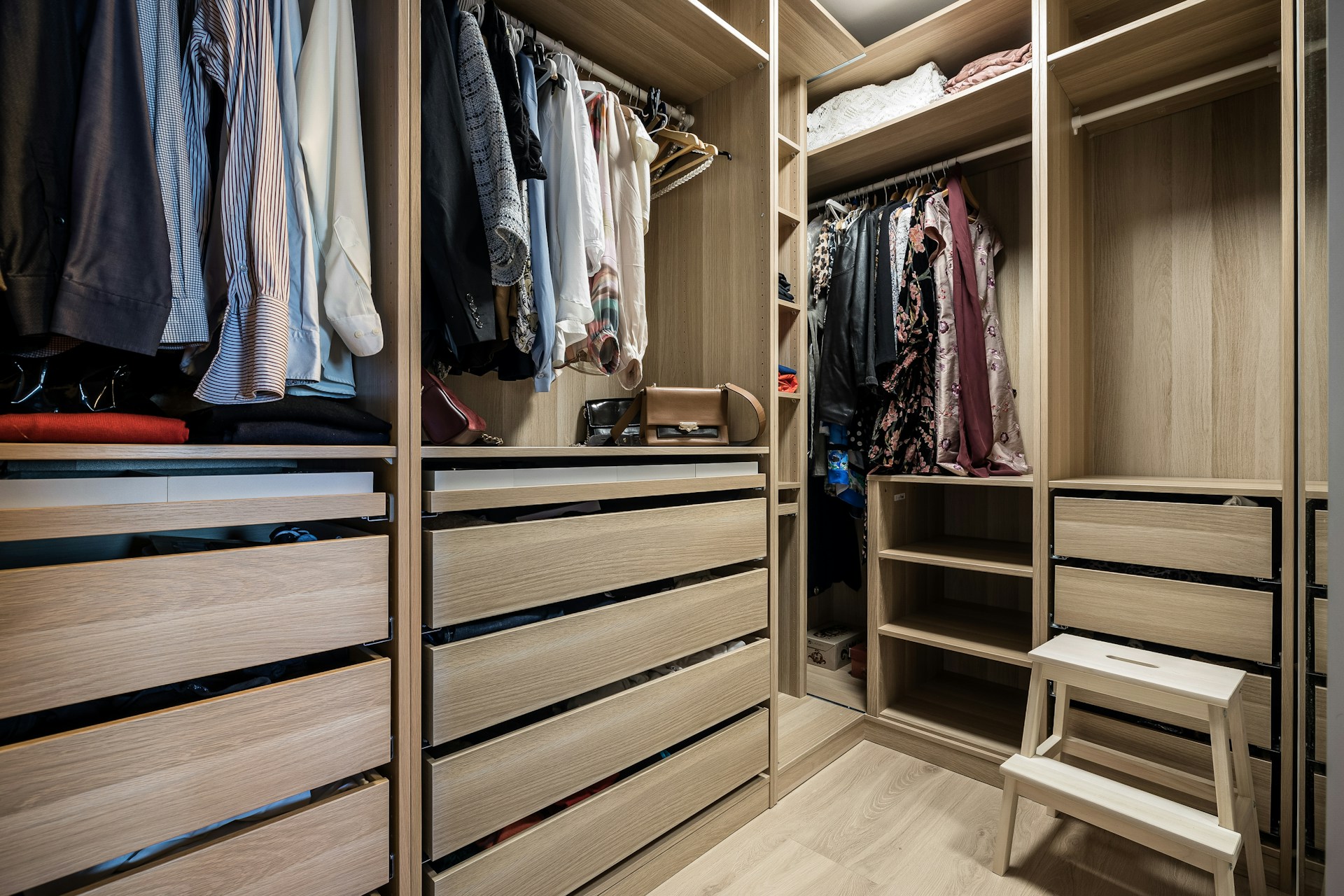
A large wooden piece acts as an anchor, giving the eye a focal point much like a fireplace or a large window. Whether dealing with a compact guest room or an expansive master suite, alternative storage solutions are often needed. Elegant and efficient wardrobes offer a perfect blend of style and practicality, providing ample space for your entire wardrobe. These units often feature hanging rods for long garments, lower drawers for folded items, and even mirrors on the inside of the doors to help you get dressed.
Choosing a freestanding piece also gives you the flexibility to rearrange your room whenever you get bored. Built in closets dictate exactly where your bed must go, but a standalone piece can be moved to a different wall or even a different room if your needs change. You can select a finish that matches your nightstands or opt for a contrasting painted color to create an accent piece.
Displaying Your Daily Wear with Clothing Racks
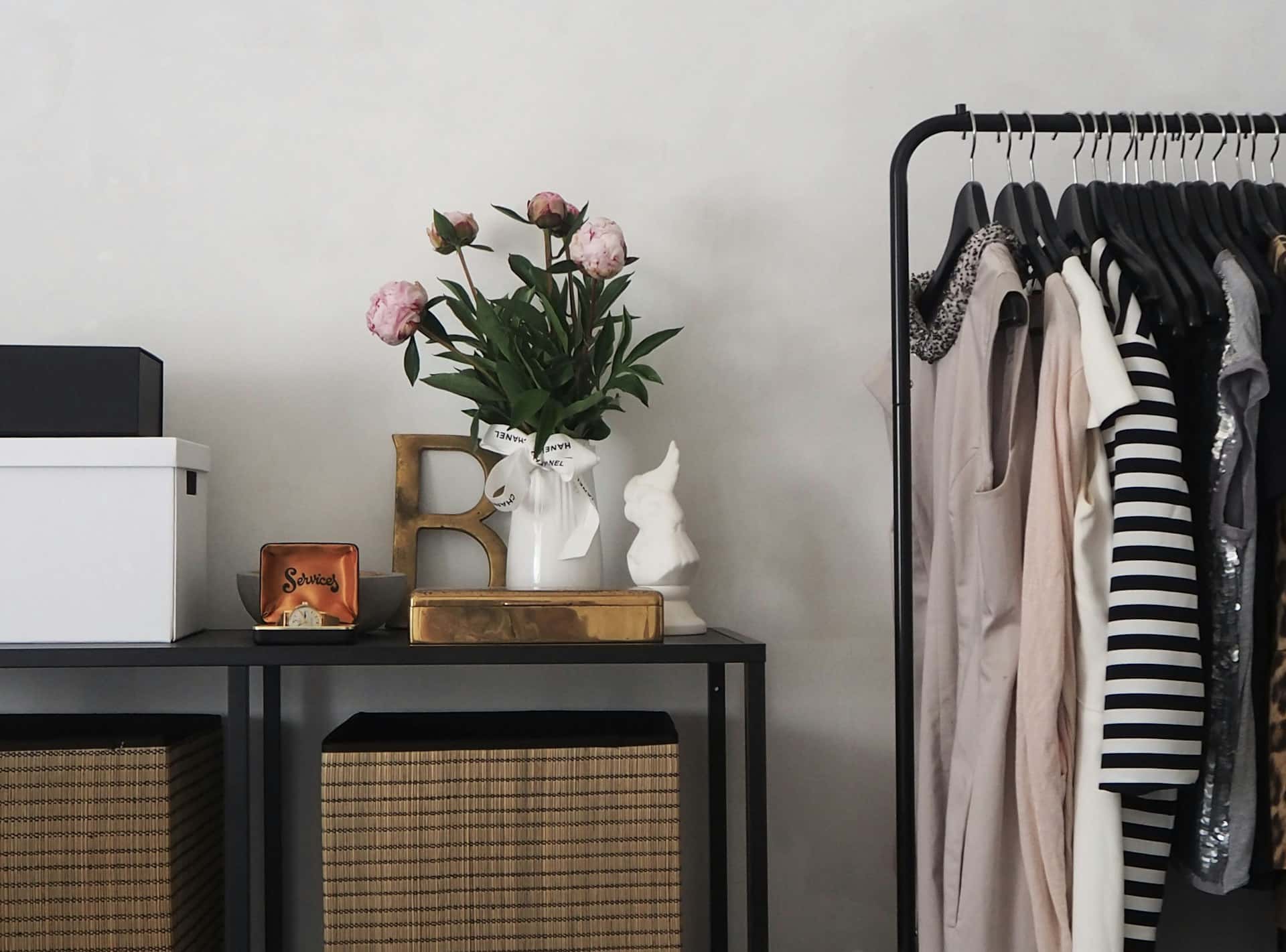
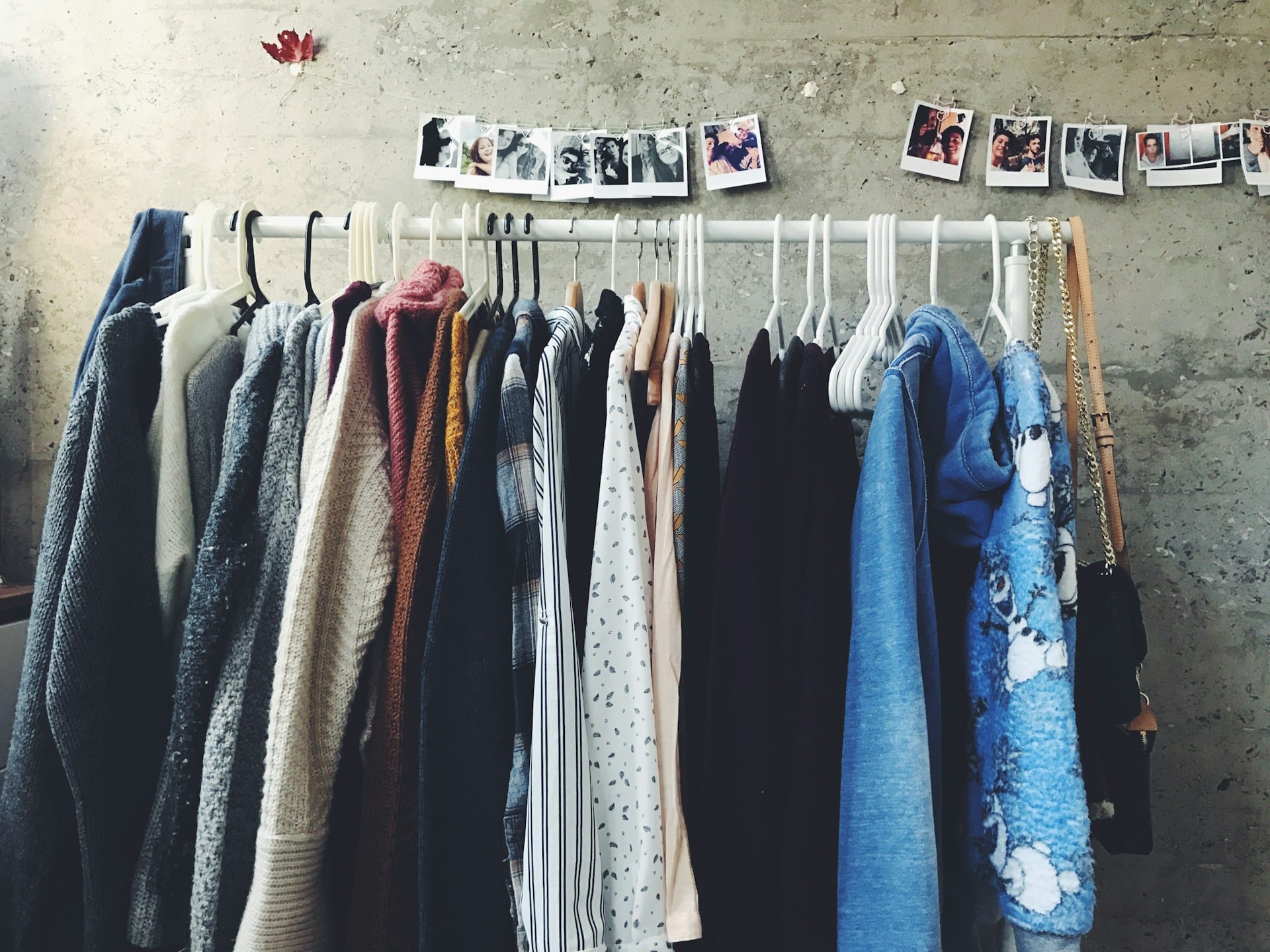
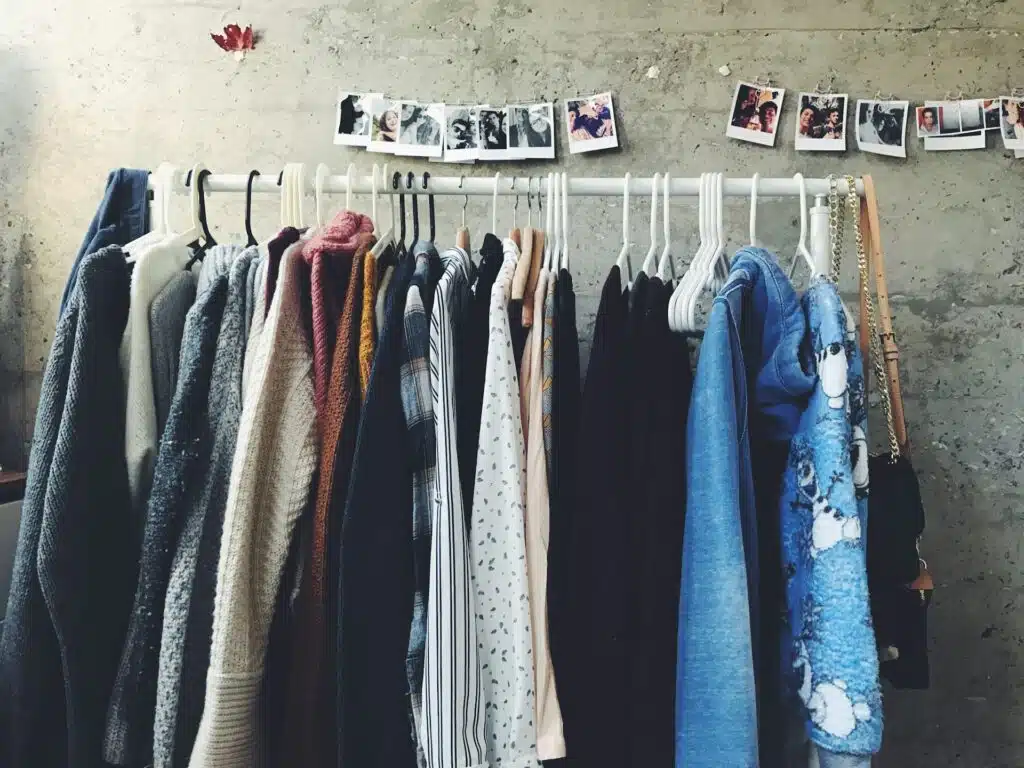
If you prefer a modern aesthetic, a freestanding clothing rack is a popular way to store items right out in the open. High end retail shops use open racks because they make items look appealing, and you can recreate that exact boutique feel at home. A metal or wooden garment rack forces you to be intentional about what you hang up. Since everything is visible, it helps to color coordinate your hanging items and use identical hangers. Slim velvet or wooden hangers look uniform and prevent garments from slipping off onto the floor.
You can use an open rack to plan your outfits for the week, hanging only the pieces you wear most often while storing out of season clothing elsewhere. The style of the rack you choose will set the tone for the space. Matte black pipe racks lend an industrial feel, while light oak frames fit perfectly into a minimalist, Scandinavian inspired room. To stop the rack from looking messy, avoid overcrowding it. Leave a little breathing room between each hanger so the fabrics do not get wrinkled.
Many modern clothing racks also feature a bottom shelf or a flat wooden base. This provides a great place to line up your favorite shoes, place matching canvas storage baskets, or display a few handbags. By treating your clothing rack like an interactive display, getting dressed in the morning becomes a much more enjoyable experience.
Maximizing Under-Bed Real Estate
When floor space is at a premium, you have to look down. The area directly under your mattress is one of the most underutilized zones in a standard bedroom layout. If you do not have a standard closet, investing in a storage bed with built in drawers can solve many of your organizational problems. These drawers pull out smoothly and can hold a massive amount of folded t-shirts, workout gear, or extra linens.
If you are not in the market for a brand new bed frame, you can still put this empty area to work. Rolling storage bins slide right under a standard metal or wooden bed frame. These bins are excellent for holding bulky winter sweaters or extra denim. You can also buy flat vacuum sealed bags to compress down jackets and seasonal items until the weather turns cold again.
To keep the room looking tidy, make sure the plastic bins or bags are completely hidden from view. A tailored bed skirt or a slightly oversized duvet cover can drape down over the edge of the mattress, keeping the storage containers out of sight. This keeps the visual clutter to an absolute minimum and helps maintain a relaxing environment for sleeping.
Utilizing Vertical Space with Wall Hooks and Floating Shelves
Wall space is incredibly valuable when you lack square footage on the floor. Installing floating shelves up high provides a great spot to store folded jeans, heavy sweaters, or decorative boxes holding smaller accessories. By moving things off the ground and onto the walls, you make the bedroom feel larger and less cramped. You can mix your folded clothing with framed art, potted plants, and books so the shelves look like intentional decor.
Hooks and peg racks are also simple additions that do a lot of heavy lifting. A long row of wooden pegs attached to a blank wall gives you a place to hang hats, scarves, belts, and purses. A curated hat wall can even act as a piece of three dimensional artwork above your dresser. You can use large metal hooks to hold tomorrow’s outfit or hang your bathrobe. Having a designated drop zone prevents the bad habit of tossing worn clothes onto the nearest chair.
When installing shelves or heavy hooks, always check your measurements and use proper wall anchors. Clothing gets heavy very quickly, especially items like winter coats or leather jackets. Securing everything directly into a wall stud will stop a heavy shelf from pulling out of the drywall.
Repurposing Dressers and Cabinets
Sometimes the best way to organize clothes is to completely ignore traditional furniture rules. You do not have to use a piece of furniture exactly as it was marketed on the showroom floor. Many people successfully use vintage dining room buffets, low media consoles, or hallway entryway cabinets to store their folded garments.
A long, low dresser can double as a media console for your television while holding all your basic layers and pajamas in the drawers below. A tall vintage glass cabinet might have been built for dining room plates, but you can easily line the shelves with nice baskets to hold folded sweaters and denim. Adding frosted window film to glass doors is a quick DIY project that hides the contents while maintaining the vintage look of the furniture.
Mixing different types of furniture adds personality to your layout. When you bring pieces from other areas of the home into the sleeping area, you create a layered, collected look that feels unique to your personal taste. Just check that the drawers slide smoothly and the interior wood is clean so your clothes stay fresh and snag free.
Blending Storage into Your Room Layout
When adding large storage pieces to a room without a closet, the most important step is measuring your available clearance. You need to leave enough walking room around your bed, your doorways, and your windows. Before buying a large piece of furniture, use painter’s tape to mark the exact footprint on your floor. This helps you visualize how much floor space you will actually lose.
Try to balance the visual weight of the room. If you place a very tall, heavy piece of furniture on one side of the room, you should balance it out on the opposite side. You can do this by placing a large window, creating a gallery wall, or leaning a tall floor mirror against the opposite wall. This keeps the room from feeling lopsided or crowded on one end.
You also want to think about your daily routine and adjust your lighting accordingly. Place the items you reach for every single morning closest to the door or the bathroom. Items you only wear on special occasions can go in the harder to reach spots, like under the bed or on the highest shelf. Adding a bright floor lamp or a plug in wall sconce near your dressing area will make it much easier to coordinate colors and put outfits together. By treating your entire room as a functional dressing space, you can keep your belongings organized and your layout looking great.
FAQ About Storing Clothes Without a Closet
How Do I Store Bulky Winter Coats without A Closet?
The best method is to use vacuum sealed storage bags to compress heavy coats when they are out of season. Once the air is removed and the garments are flat, you can slide them into bins under your bed or place them on the very top shelf of a tall storage unit.
Are Open Clothing Racks a Good Idea for Small Rooms?
Open racks work very well in small spaces because they lack the physical bulk of solid furniture pieces. However, you must keep them neat and use matching hangers. If the rack becomes overcrowded, the exposed clothing will make the room look cluttered and messy.
What Can I Do if My Dresser Drawers Are Overflowing?
Start by sorting your clothes and removing items you no longer wear to free up space. Next, learn to file fold your shirts and pants vertically so you can see everything at a single glance. This method saves drawer space and stops you from rummaging through messy stacks.
How Can I Hide Clothing Stored Out In the Open?
If you dislike the look of exposed garments, try placing your freestanding storage behind a decorative folding room divider or hanging a curtain across an alcove. You can also use opaque storage boxes with lids on your open shelves to completely conceal folded items from view.
Can I Use Storage Containers as Nightstands?
Yes, small stacking drawer units or decorative lidded trunks make excellent bedside tables. They provide a flat surface for your reading lamp and alarm clock while offering deep storage for extra blankets, pajamas, or bulky sweaters right next to where you sleep.