
I’ve spent years researching how the right sleep position can revolutionize your nights, and adjustable beds have genuinely changed the game.
These motorized bases let you raise your head, legs, or both, creating customized bed positioning for comfort that addresses everything from chronic back pain to breathing issues.
If you’re managing acid reflux, recovering postpartum, or simply seeking better circulation, adjustable bed positions offer therapeutic benefits that flat mattresses just can’t match.
I’ve gathered insights from sleep research, physical therapy experts, and real-world testing to show you proven positions that actually work.
Let me walk you through strategic bed positioning techniques that can help you sleep better and wake up feeling restored.
What are Adjustable Bed Positions?
Adjustable beds use motorized frames that let you modify the angle of your head and feet independently.
Most models include presets like zero-gravity (which mimics NASA’s neutral body posture), anti-snore settings that gently raise your upper body, and lumbar support zones for targeted back relief.
You’ll find them in split-king configurations for couples with different needs, plus queen and twin XL sizes.
Why does bed positioning matter? Proper angles maintain spinal alignment, keep airways open for easier breathing, and redistribute pressure away from sensitive joints.
Small adjustments (sometimes just a few degrees) can dramatically improve circulation, reduce pain, and help you wake up without stiffness or discomfort.
Best Adjustable Bed Positions for Comfort & Health
The right adjustable bed positions can address specific health concerns while improving your overall sleep quality. I’ve tested these configurations extensively and consulted with physical therapists to identify setups that deliver real results.
Here’s what works:
1. Zero-Gravity Position (NASA-inspired)

Ideal for: Back pain, pregnancy, post-workout recovery, circulation issues
This position elevates your head and knees to create a neutral spinal curve that mimics weightlessness. Your body weight is distributed evenly across the mattress, reducing pressure points and allowing muscles to fully relax.
The angle promotes healthy blood flow, minimizes swelling in extremities, and takes strain off your lower back. Many users report feeling like they’re floating, which helps them fall asleep faster and wake with less stiffness.
2. Anti-Snore / Elevated Head Position
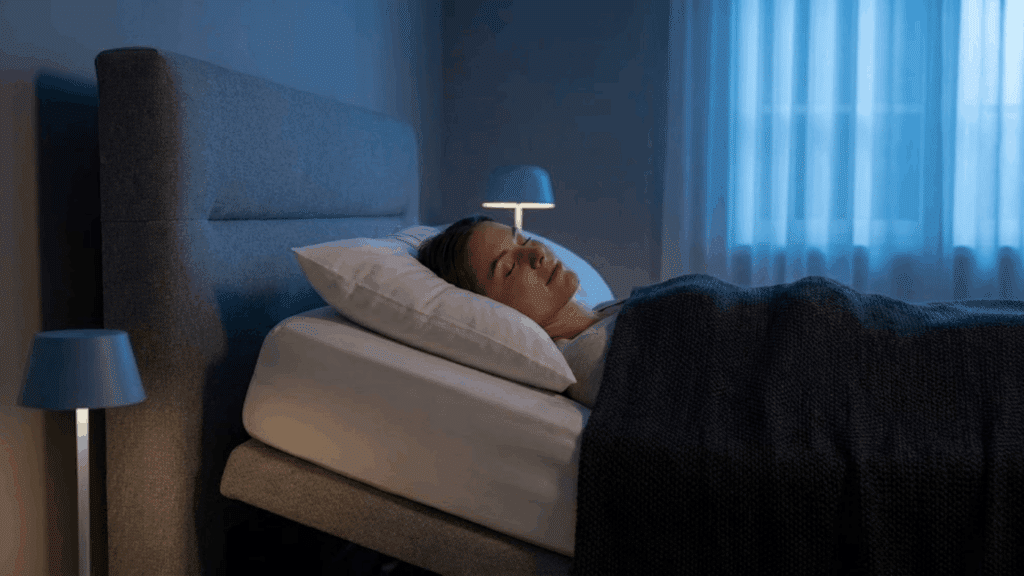
Ideal for: Snoring, mild airway restrictions, nasal congestion, sinus pressure
Raising your head by 3 to 5 inches keeps your airway more open during sleep, reducing the vibrations that cause snoring. Gravity helps prevent soft tissue collapse in your throat, while also promoting better sinus drainage.
This gentle incline can make breathing easier without the discomfort of stacking pillows, which often creates awkward neck angles and slides out of position during the night.
3. Elevated Legs Position
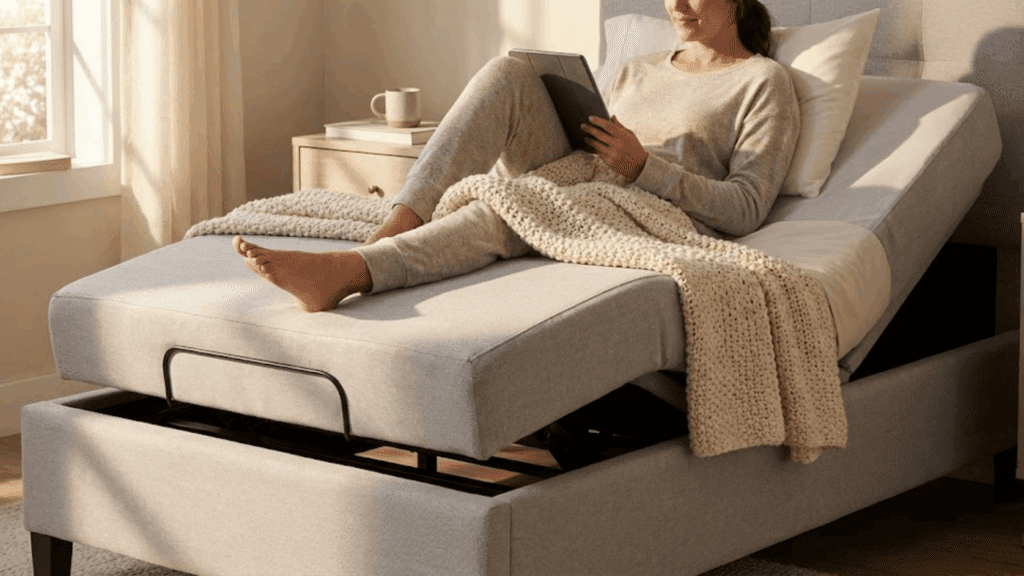
Ideal for: Varicose veins, edema, leg fatigue, athletes, jobs requiring prolonged standing
Lifting your feet above heart level helps blood flow back to your core, reducing swelling in your lower legs. This position helps flush out waste from muscles after exercise and relieves those on their feet for hours.
The gentle elevation also takes pressure off your lower back, making it surprisingly comfortable for extended periods of rest and recovery.
4. Head-Up Reading or TV Position

Ideal for: Reading, watching TV, using devices, eating breakfast in bed
An upright angle of 45 to 60 degrees supports your upper body without forcing you to prop up pillows or strain your neck. This position keeps your spine aligned while you’re engaged in activities that require sitting up.
It’s particularly helpful for people with mobility limitations who find it difficult to sit upright in traditional chairs, offering comfortable support for extended periods of leisure or light work.
5. Side-Sleeping With Head Tilt

Ideal for: Side sleepers with snoring issues, neck tension, and shoulder discomfort
A slight head elevation (2 to 4 inches) while lying on your side keeps your airway open and reduces snoring without compromising spinal alignment. This position works well with a supportive pillow between your knees.
The gentle angle prevents your head from tilting too far forward or back, maintaining neutral neck positioning that prevents morning stiffness and headaches.
6. Back-Sleeping With Gentle Incline
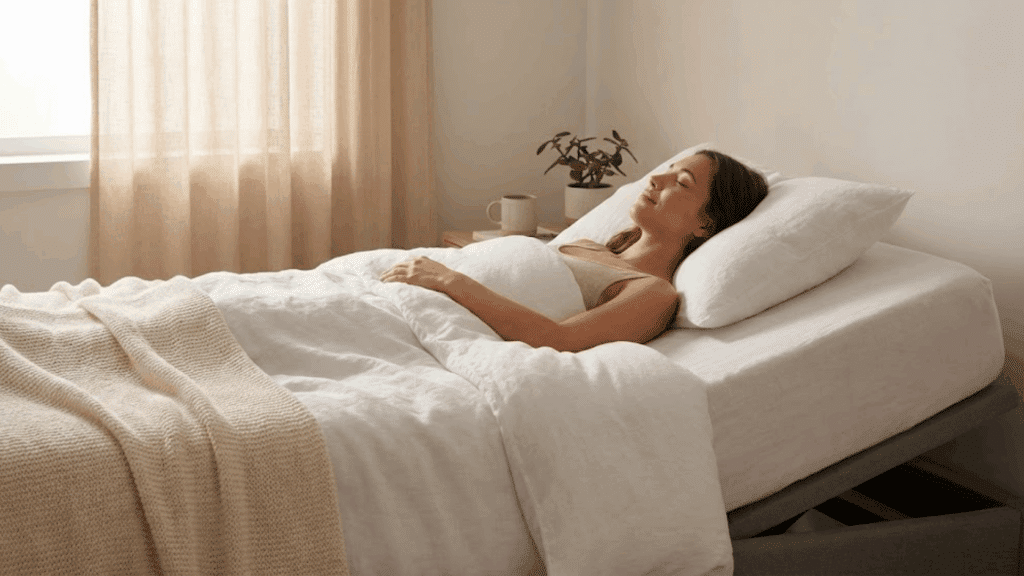
Ideal for: Mild acid reflux, heartburn, respiratory comfort, post-nasal drip
Raising your upper body 4 to 6 inches creates a slight slope that uses gravity to keep stomach acid down and improves breathing. This angle is gentler than the steep reflux position but still helps with occasional heartburn or congestion.
The gradual incline feels natural and doesn’t create the sensation of sliding down that can happen with pillow stacking or wedge cushions.
7. Acid Reflux / GERD Position (Upper Body Elevated 6 to 8 inches)
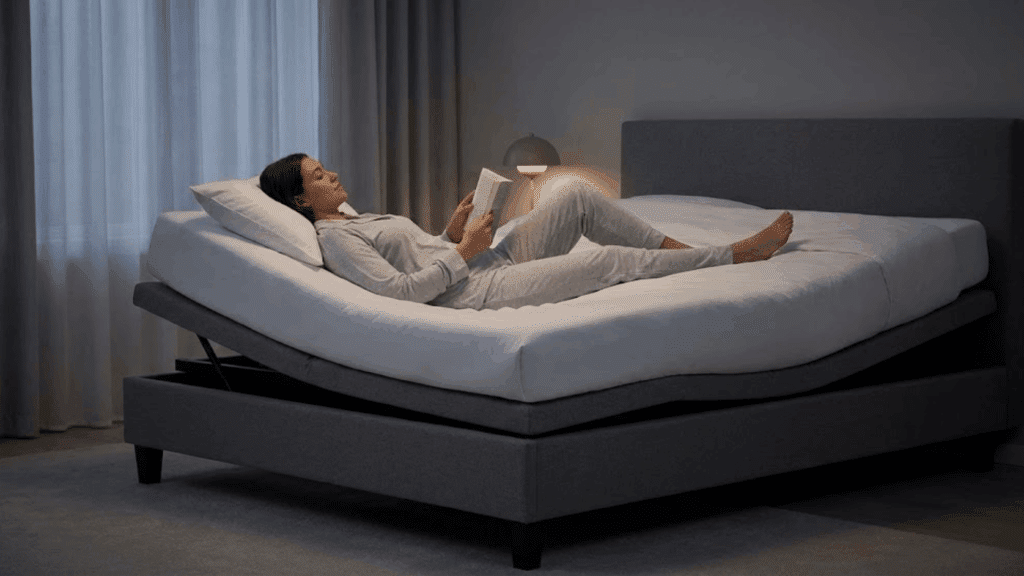
Ideal for: Chronic acid reflux, GERD symptoms, frequent heartburn, and hiatal hernia discomfort
This steeper incline forms a continuous slope from your waist to your head, stopping stomach acid from traveling up your esophagus. Maintaining a smooth angle is better than bending sharply at the waist, which can worsen reflux.
This position significantly reduces nighttime heartburn episodes and helps you sleep through the night without that burning sensation or bitter taste.
8. Lumbar Support Position
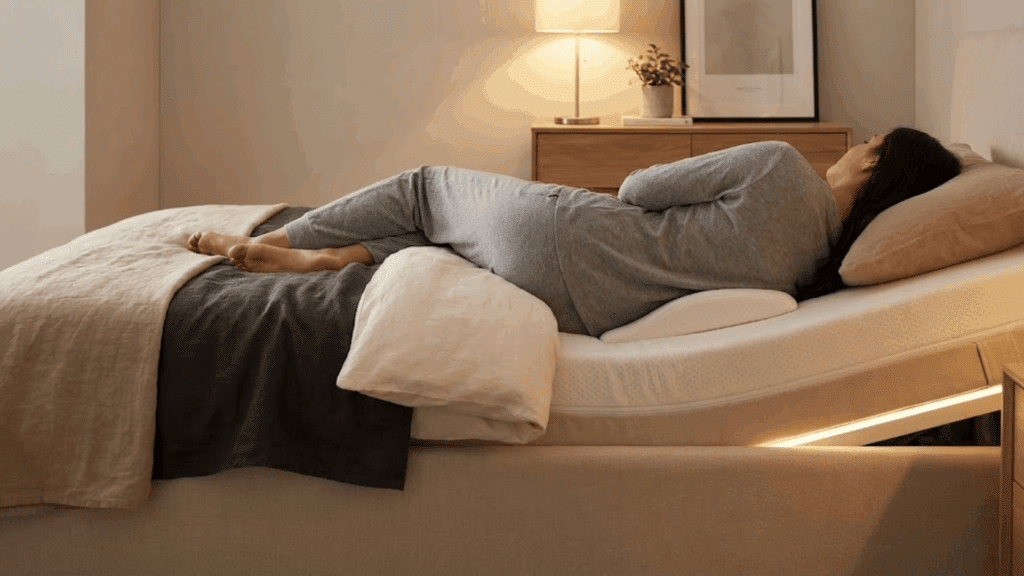
Ideal for: Chronic lower back pain, spinal curvature issues, sciatica, herniated discs
Targeted lumbar elevation supports your lower back’s curve, reducing strain on compressed discs and tight muscles. This position fills the gap between your lower back and a flat mattress, providing support.
Combined with slight knee elevation, it creates optimal spinal alignment that can dramatically reduce morning back pain and stiffness throughout the day.
9. Upper-Body Lounge Position

Ideal for: Working on a laptop, journaling, light meals, extended sitting comfort
A mid-range incline of 30 to 45 degrees creates a comfortable seated position for activities that require alertness and focus. This angle is less upright than the reading position but offers better support than using pillows.
It’s perfect for morning coffee, answering emails, or any task where you want to be reclined but still functional and engaged.
10. Slight Knee Bend With Low Head Raise
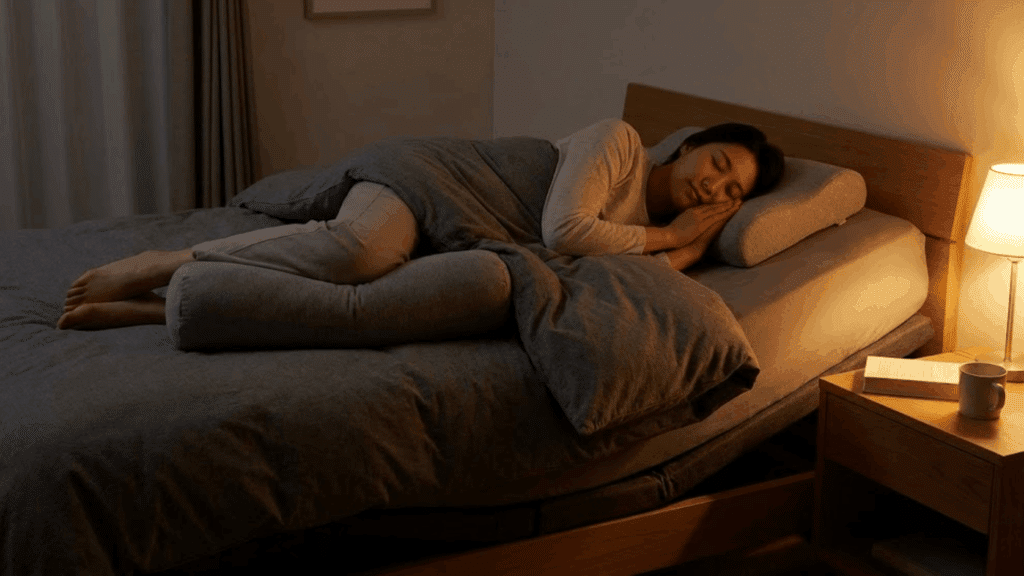
Ideal for: Hip pressure relief, lower back pain, side sleepers with back issues
Bending your knees slightly while raising your head just 2 to 3 inches takes pressure off your hips and lower spine. This combo works well for side sleepers with discomfort from their top leg pulling on their lower back.
The gentle angles maintain neutral alignment while reducing strain on joints, making it easier to stay in one position throughout the night.
11. Flat Position (Neutral Alignment)
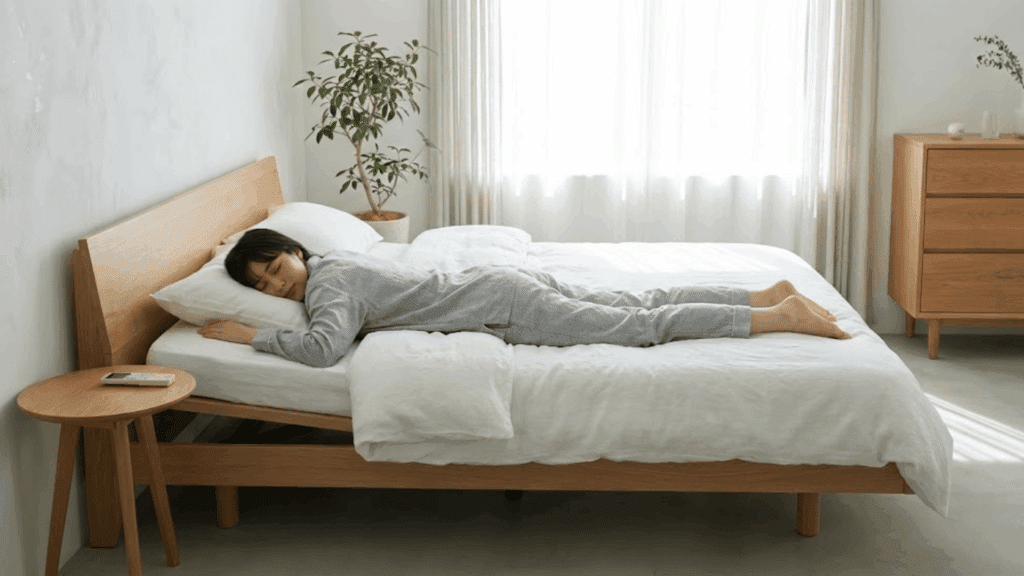
Ideal for: Spinal lengthening, restorative rest, stomach sleepers, alternating with elevated positions
Returning to a completely flat surface allows your spine to decompress fully and stretch out. This position is essential for balance, especially if you spend most of your time in elevated configurations.
Some people find that alternating between flat and adjusted positions throughout the week helps prevent their body from adapting too much to one angle, maintaining flexibility and range of motion.
12. Split-Position for Couples

Ideal for: Couples with different sleep needs, mixed preferences, partner snoring, personalized comfort
Split-king adjustable bases let each person customize their side independently. One partner can sleep flat while the other elevates for snoring or reflux relief.
This solution prevents compromise and avoids the “one size fits all” issue, frustrating many couples. You maintain intimacy while honoring individual health needs and comfort preferences without anyone sacrificing quality sleep.
13. Post-Surgery Recovery Position
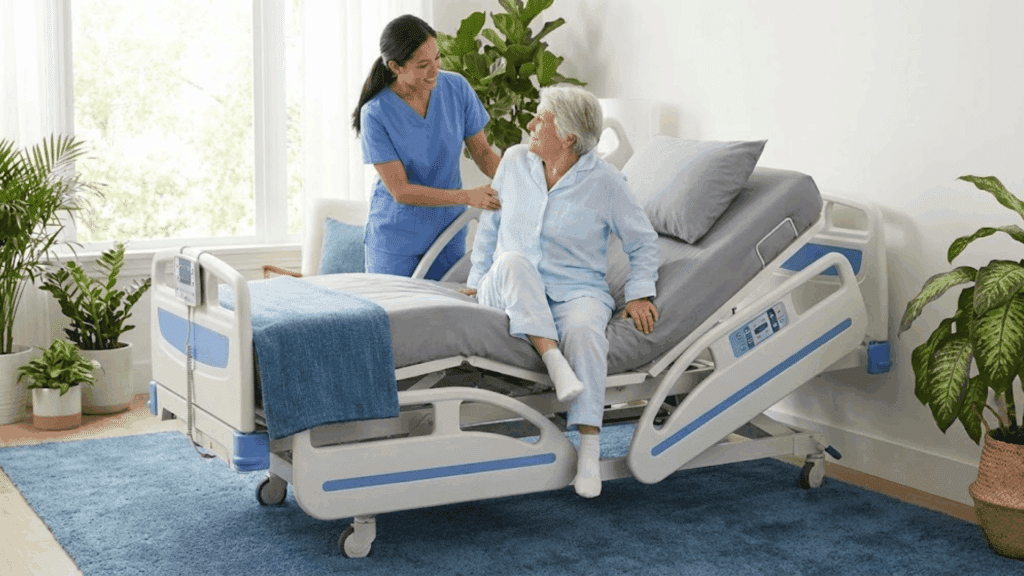
Ideal for: General mobility support, reduced strain getting in and out of bed, temporary recovery comfort
Adjustable positioning makes it easier to move from lying down to standing without putting excessive strain on healing tissues. A slight elevation helps you sit up more easily and provides support when you need to shift positions.
This general comfort application can make recovery periods more manageable, though you should always follow your healthcare provider’s specific positioning recommendations after any surgical procedure.
Choosing the Best Position for Your Needs
Not sure which adjustable bed position to start with? I’ve created this quick reference guide based on common sleep challenges and health concerns.
Match your primary issue with the recommended position, then tweak slightly to find your sweet spot.
| Your Primary Concern | Recommended Position | Why It Works |
|---|---|---|
| Back Pain | Zero-gravity or slight knee elevation | Distributes weight evenly, reduces pressure on the lumbar spine, and maintains the natural spinal curve |
| Snoring or Breathing Discomfort | Anti-snore head elevation (3-5 inches) |
Keeps airways open, prevents soft tissue collapse, improves airflow naturally |
| Acid Reflux | Continuous upper-body incline (6-8 inches) |
Uses gravity to keep stomach acid down and prevents esophageal irritation during sleep |
| Pregnant Sleepers | Tilted side-sleep with elevated legs | Reduces hip pressure, improves circulation, minimizes swelling in feet and ankles |
| Older Adults or Mobility Issues | Supported incline for easy exit | Makes getting in and out of bed safer, reduces strain on joints and muscles |
Note: These are starting points, not rigid rules. Your body might respond better to combinations of these positions or slight variations in angle. Give each configuration at least three nights before deciding if it’s working for you.
Adjustable Bed Tips for Maximum Comfort
Getting the most from your adjustable bed requires more than just pressing preset buttons. I’ve learned through trial and error that small tweaks make enormous differences in how you actually feel each morning.
Here are my top strategies for optimizing your setup:
- Make Micro-Adjustments Beyond Presets: Moving your base up or down by just one or two degrees often delivers better results than relying solely on factory settings.
- Keep Quality Pillows in Your Setup: Adjustable bases don’t eliminate the need for proper head and knee support; pillows fill gaps and add personalized comfort.
- Choose Flexible Mattress Materials: Memory foam, latex, and hybrid mattresses work beautifully with adjustable frames, while traditional innersprings can damage over time.
- Watch for Strain Signals: If your hips slide down or your neck feels cranked, you’ve gone too steep; back off the angle until your body feels naturally supported.
- Program Your Favorite Positions: Most bases let you save custom settings, so you can return to your ideal configuration instantly without fumbling with controls at bedtime.
Small refinements to your bed positioning create compound benefits over weeks and months. Pay attention to how your body responds, adjust accordingly, and don’t be afraid to change things up as your needs shift.
Pros & Cons of Adjustable Bed Positions
Before investing in an adjustable bed, it helps to understand both the advantages and potential challenges. I want you to have realistic expectations about what these bases can and cannot do for your sleep quality.
| Benefits | Drawbacks |
|---|---|
| Relieves chronic back, neck, and joint pain through better spinal alignment | Over-elevation can strain the lower back if the angles are too steep |
| Improves circulation and reduces leg swelling with elevated positioning | Some mattresses don’t bend well and may develop permanent creases |
| Boosts comfort for reading, working, and watching TV in bed | Finding optimal settings requires trial and error over several nights |
| Reduces snoring by keeping airways open naturally during sleep | Body needs an adjustment period after years of flat sleeping |
| Provides crucial support during pregnancy and postpartum recovery | Higher upfront cost compared to traditional bed frames |
The benefits typically outweigh the drawbacks for most people, especially if you’re dealing with chronic discomfort or sleep disruptions. Remember that finding your ideal position requires patience and trying different configurations.
Most Common Mistakes with Adjustable Bed Positioning
Even with the best adjustable bed, poor positioning choices can sabotage your comfort and negate potential benefits. I’ve seen these errors repeatedly, and they’re surprisingly easy to fix once you know what to look for.
- Cranking the Head Angle Too High: Steep inclines create neck strain and cause your body to slide down, forcing your muscles to work all night to keep you in place.
- Ignoring Pillow Adjustments: Your pillow height should decrease as your head elevation increases; using the same thick pillow at every angle pushes your neck forward unnaturally.
- Relying Only on Factory Presets: Preset buttons are starting points, not personalized solutions; your body’s unique needs require custom tweaks beyond generic settings.
- Bending at the Waist for Reflux: Sitting up sharply actually compresses your stomach; you need a continuous slope from waist to head for proper acid control.
- Keeping the Same Position All Night: Your body benefits from variety; occasionally returning to flat or switching angles prevents muscle adaptation and maintains flexibility.
Recognizing these mistakes early saves you weeks of mediocre sleep. Make small corrections based on how your body feels each morning, and you’ll quickly dial in positions that actually work.
That’s a Wrap
Finding the right adjustable bed positions has genuinely improved my sleep quality, and I’m confident it can do the same for you.
Start with one or two configurations that match your primary concerns, then fine-tune from there.
Remember that bed positioning for comfort isn’t about perfection on night one; it’s about gradual optimization as you learn what your body responds to best.
I’d love to hear which positions work for you or any creative combinations you’ve discovered. Drop a comment below sharing your experience with adjustable beds, and let’s help each other sleep better tonight.