
Do you ever feel like there’s never enough time in the day to just breathe and relax? I used to rush through everything until I realized I needed to slow down and try something different. That’s when I started looking for relaxing activities that actually fit into my busy life.
You don’t need expensive equipment or fancy memberships to get started with most of them. Whether you have five minutes during lunch or an entire Sunday afternoon, there’s an activity that works for you.
Some people love quiet indoor hobbies like reading or crafting, while others prefer getting outside for walks or cycling. The key is experimenting until you find what genuinely helps you unwind and feel calmer.
Maybe you’ll find that one simple activity becomes your daily escape from everyday stress. Time to find the perfect relaxing activities that fit your unique lifestyle.
The Importance of Slowing Down
Taking time to relax isn’t just nice; it’s necessary for your health. When you relax, your body releases tension, and stress melts away. Your mind gets a break from constant worry and anxiety. This helps you feel calmer and more balanced overall.
Regular relaxation also improves your sleep quality, making it easier to fall asleep and stay asleep. You’ll wake up feeling refreshed and ready for the day. Your focus gets sharper too, helping you concentrate better at work or school.
Relaxation prevents burnout by giving your mind and body time to recharge. When you’re well-rested, you’re actually more productive and creative. Think of relaxation like charging your phone; you need it to keep going strong.
Simple Indoor Activities for Relaxation
I’ve found that some of the best relaxing things to do are right inside your home. These indoor activities help you unwind without spending much money or needing special equipment.
1. Reading a Book
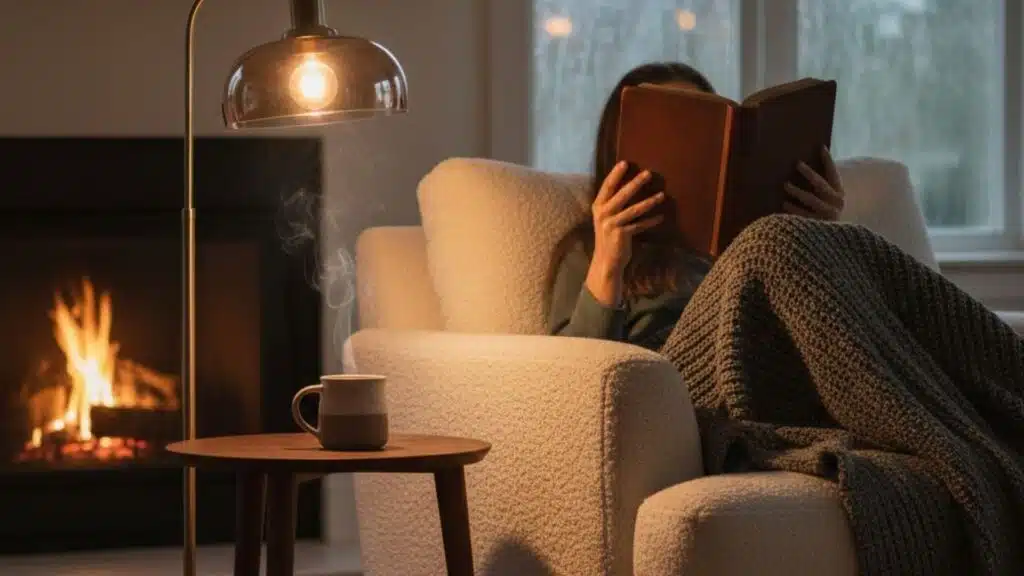
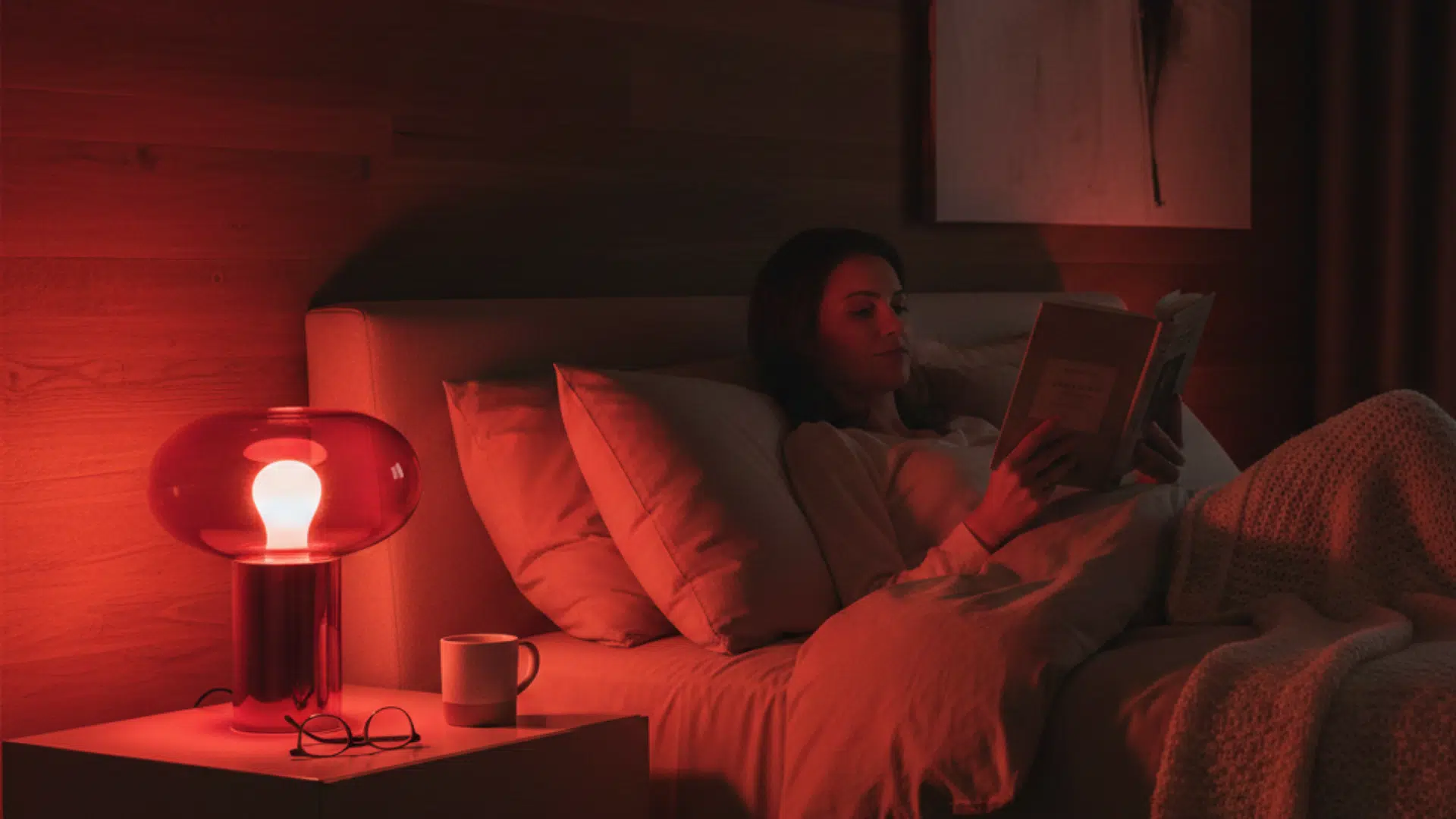
Pick a book that interests you and find a cozy spot with good lighting. Turn off your phone to avoid distractions. Start with just 15-20 minutes if you’re new to reading. Choose genres that match your mood; mysteries, romance, or fantasy all work great.
Keep a bookmark handy so you can easily pick up where you left off. A soft blanket and warm drink make the experience even better.
2. Aromatherapy
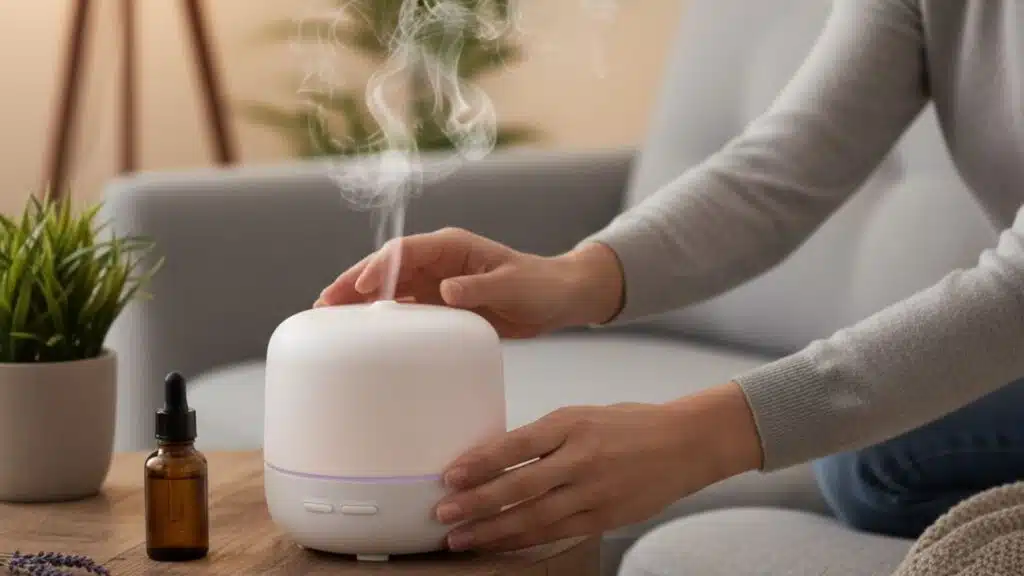
Get some essential oils like lavender, eucalyptus, or chamomile from a local store. Use a diffuser to spread the scent throughout your room. You can also add a few drops to a warm bath or apply diluted oil to your wrists.
Start with gentle scents and see what you like best. The calming smell helps your brain relax naturally. I’ve found that creating a routine by using the same scent every time really helps you unwind faster.
3. Puzzles or Board Games
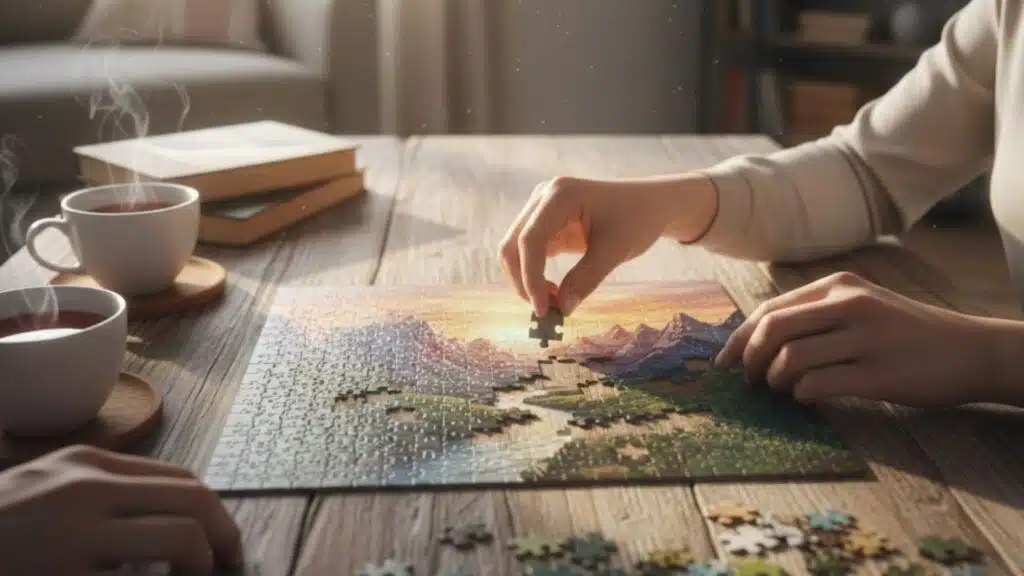
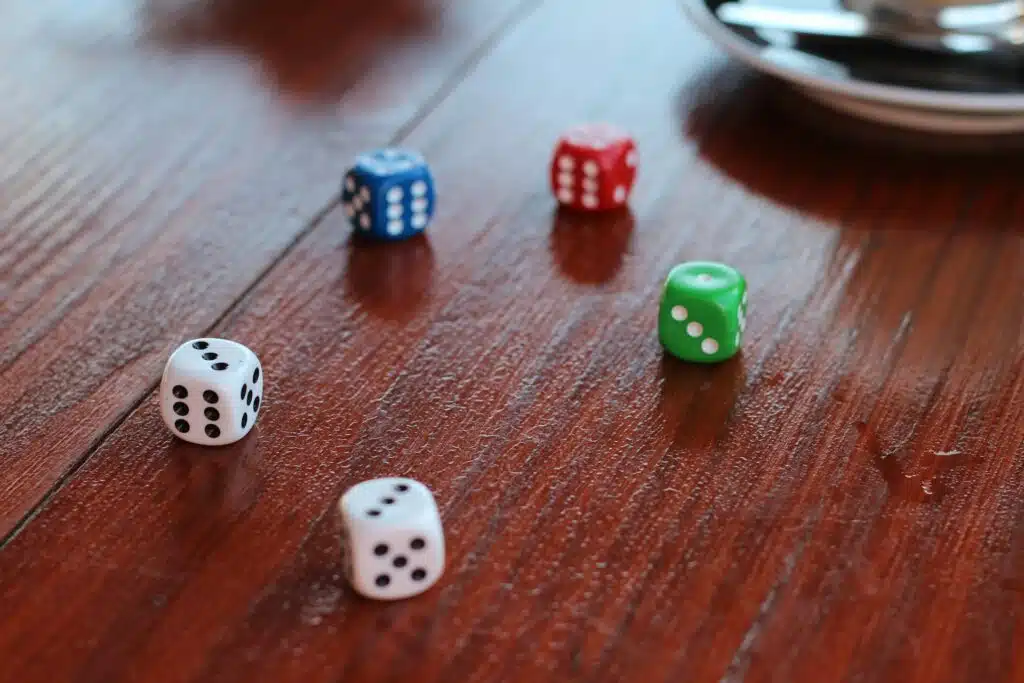
Choose puzzles with 500-1000 pieces or simple board games you can play alone or with family. Set up a dedicated space where you can leave your puzzle out between sessions. Take your time and don’t rush to finish everything in one sitting.
The repetitive nature of finding pieces helps calm your racing thoughts. Solo card games like solitaire work great, too. Focus on the process, not just completing the game quickly.
4. Yoga or Stretching
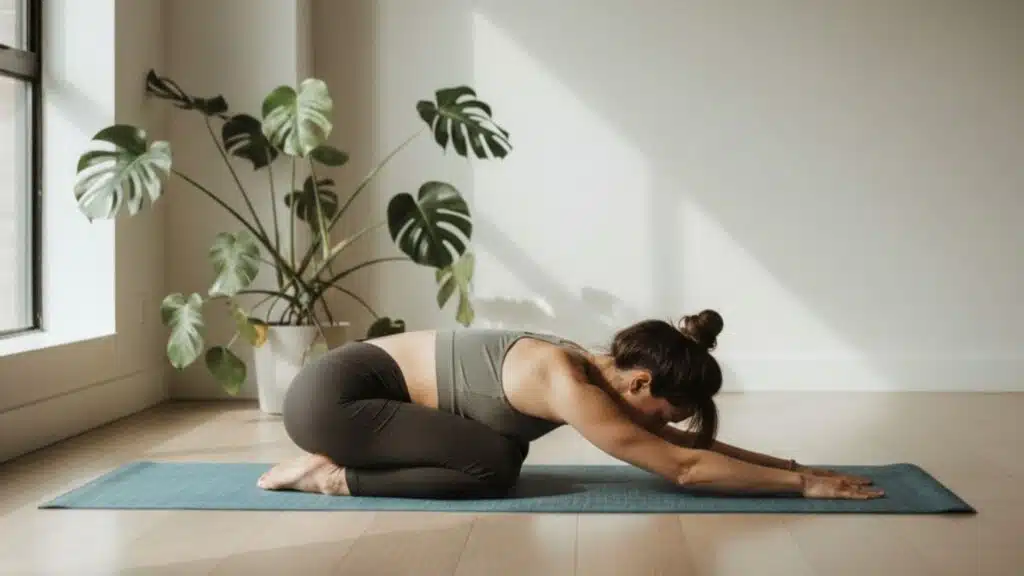
You don’t need fancy equipment; just a mat or soft carpet and comfortable clothes. Start with basic stretches like touching your toes or gentle neck rolls. YouTube has free beginner yoga videos that guide you through easy poses.
Hold each stretch for 20-30 seconds and breathe deeply while doing it. Even 10 minutes of stretching releases muscle tension and clears your mind. Listen to your body and never push through pain.
5. Listening to Music or Podcasts
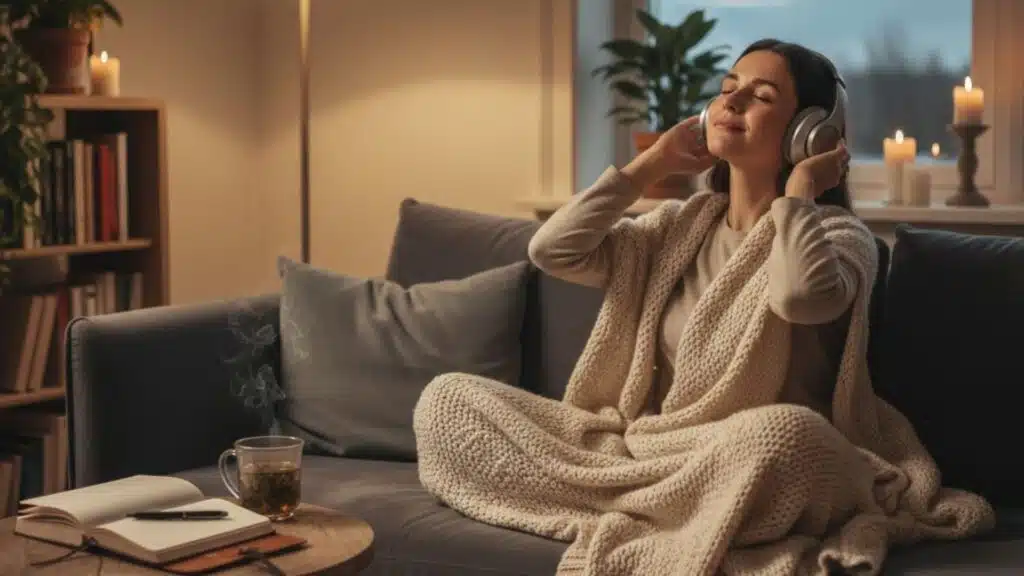
Create playlists with slow, instrumental music or nature sounds for maximum relaxation. Try classical music, jazz, or acoustic versions of your favorite songs. For podcasts, choose topics that interest you but aren’t too heavy or stressful.
Use good headphones to block out outside noise and really immerse yourself. Close your eyes while listening to help your mind focus completely. Save energetic music for other times; stick with calming beats now.
6. Watching Calming Movies or TV Shows
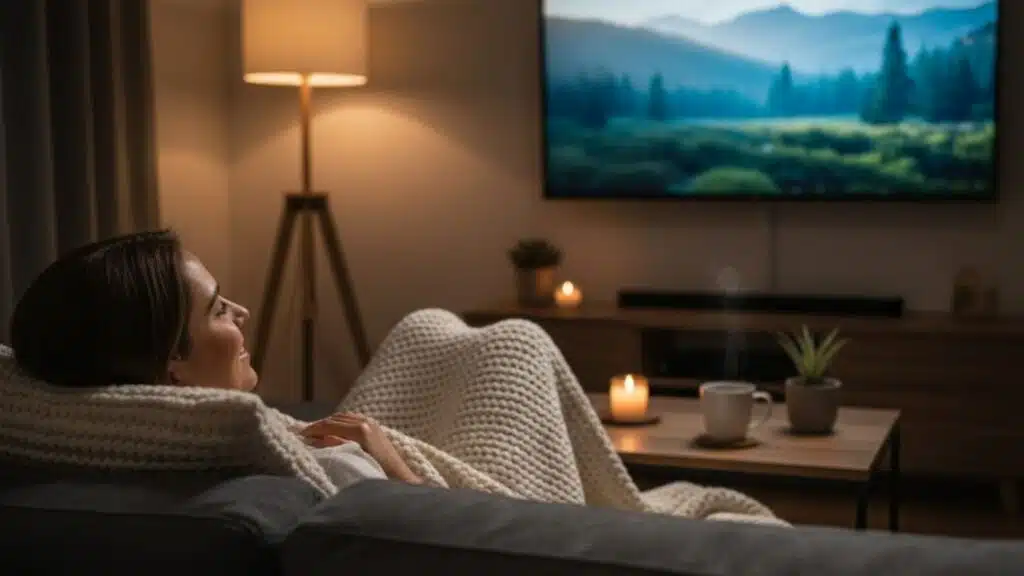
Pick feel-good shows like cooking competitions, nature documentaries, or lighthearted comedies. Avoid intense dramas, horror films, or anything with lots of action and suspense. Set up your viewing space with soft pillows and dim the lights slightly.
Limit yourself to one or two episodes to avoid screen fatigue. I find that shows about baking, gardening, or travel work wonderfully for relaxation. Make it special with your favorite snack and cozy blanket.
7. Bathing or Soaking in a Hot Tub
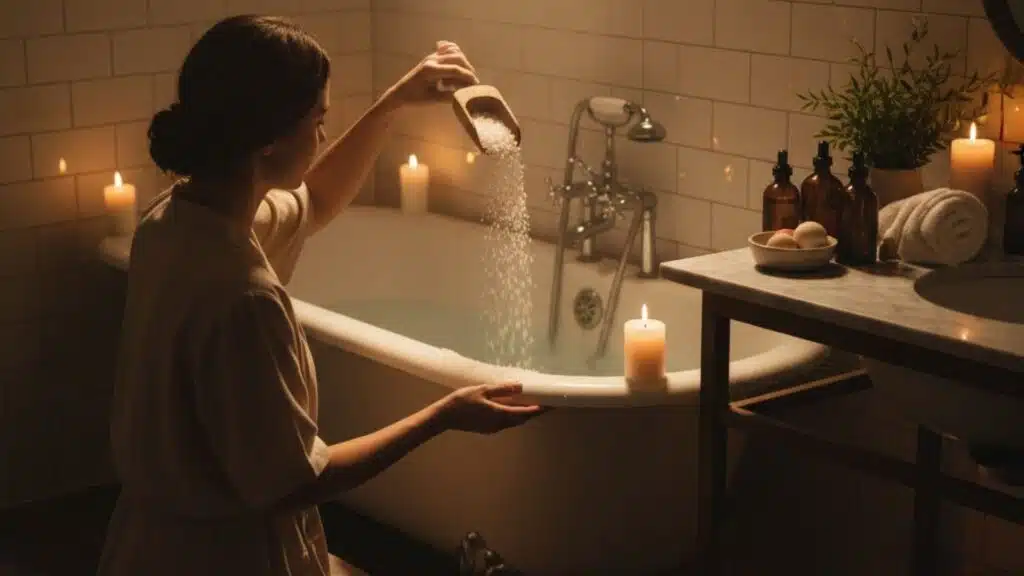
Fill your tub with warm water; not too hot, around 100-102 degrees works best. Add Epsom salts, bubble bath, or essential oils to enhance the experience. Light some candles and play soft music to set a peaceful mood.
Soak for 15-20 minutes, letting the warmth melt away your muscle tension. Keep a glass of water nearby since warm baths can dehydrate you. Make this a weekly ritual for yourself.
8. Cooking or Baking for Fun

Choose simple recipes that don’t require rushing or complex techniques. Baking cookies or bread is especially therapeutic because of the hands-on kneading and mixing. Focus on the process: measuring ingredients, stirring, and watching things change in the oven.
Don’t worry about making everything perfect; it’s about enjoying the activity. The delicious smells alone help you feel more relaxed. Share your creations with others or treat yourself.
9. Puzzle Books
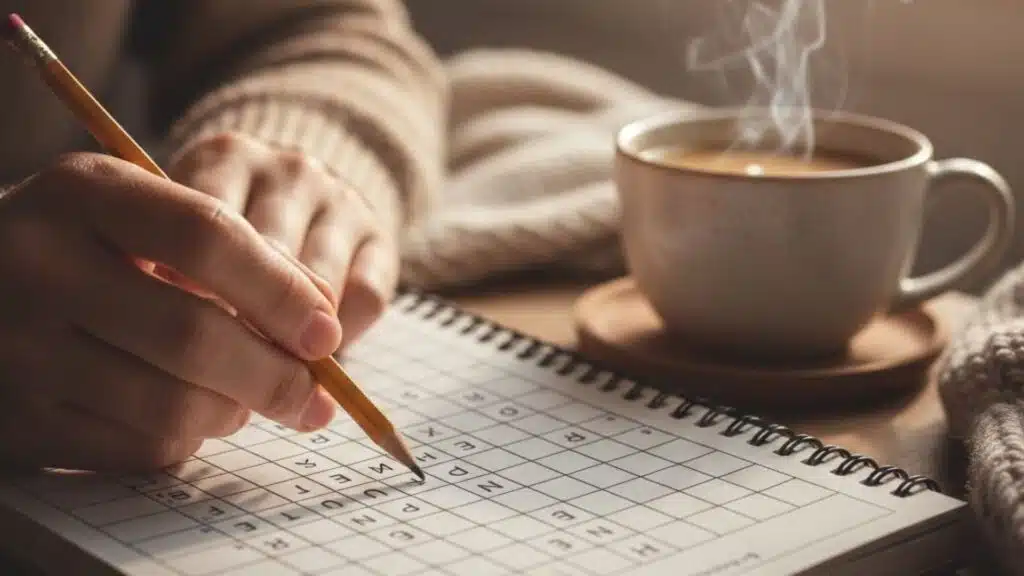
Buy crossword puzzles, Sudoku books, or word searches from any bookstore or print them free online. Work on them with a pencil so you can erase mistakes without stress. Do puzzles in short sessions; even 10 minutes helps your brain shift into a relaxed state.
Keep a puzzle book by your bed or couch for easy access. The mental challenge distracts you from worries without being overwhelming. It’s a perfect screen-free way to unwind.
10. Watching ASMR Videos
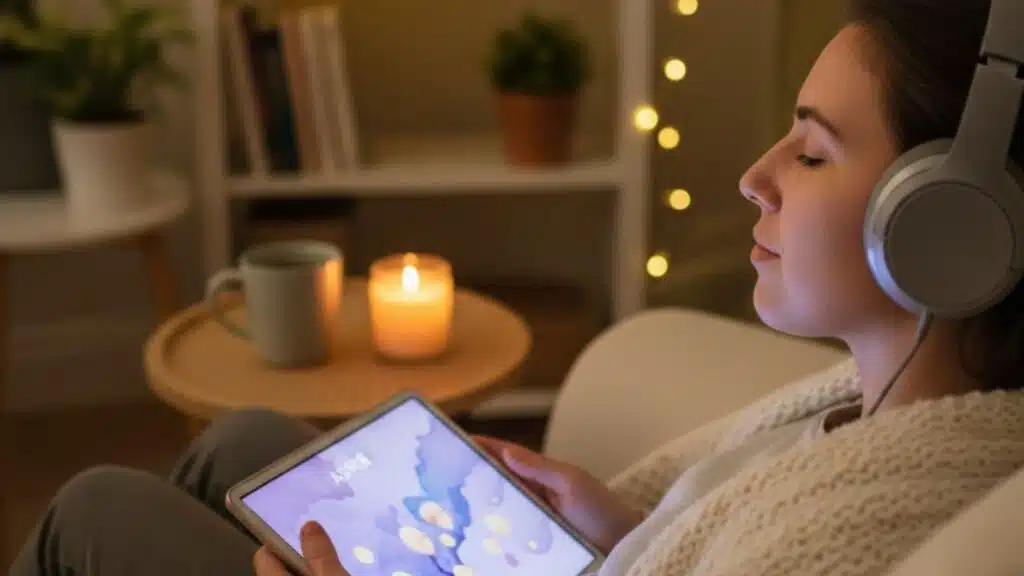
Search “ASMR relaxation” on YouTube to find thousands of free videos with soft sounds. Popular triggers include whispering, tapping, scratching, or crinkling sounds that create tingling sensations.
Use headphones for the best experience since ASMR relies on detailed audio. Try different types to find what works best for you; not everyone responds the same way. Watch before bed to help your mind settle down. The gentle sounds naturally slow your heart rate.
11. Indoor Plant Care
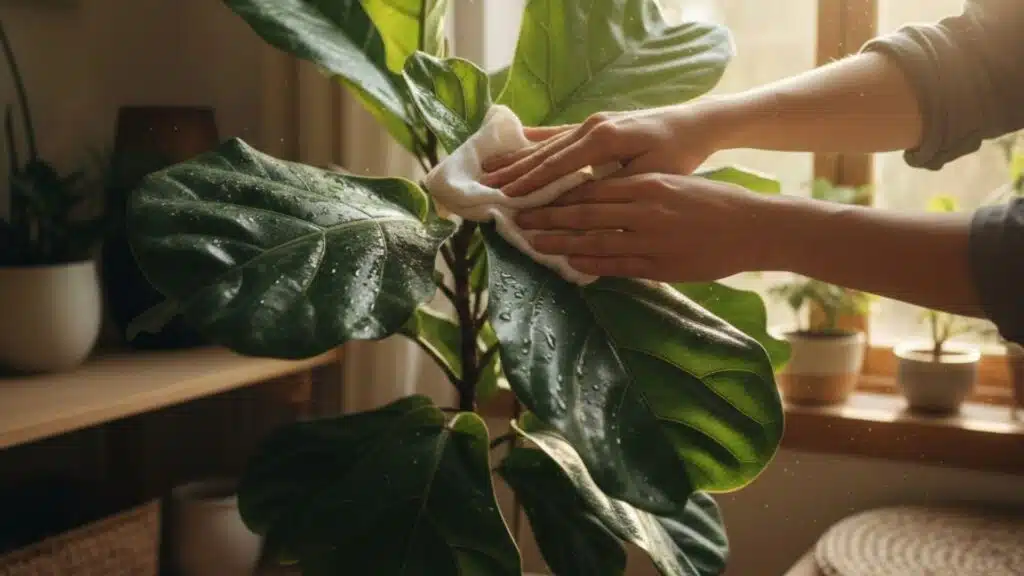
Start with easy plants like pothos, snake plants, or succulents that don’t need much attention. Water them weekly and check the soil for dryness before adding more. I like to wipe dust off leaves with a damp cloth and rotate plants for even sunlight.
Repot plants when they outgrow their containers; it’s surprisingly satisfying. Taking care of living things gives you purpose and naturally reduces stress. Plants also improve air quality in your home.
12. Listening to Guided Imagery Meditation
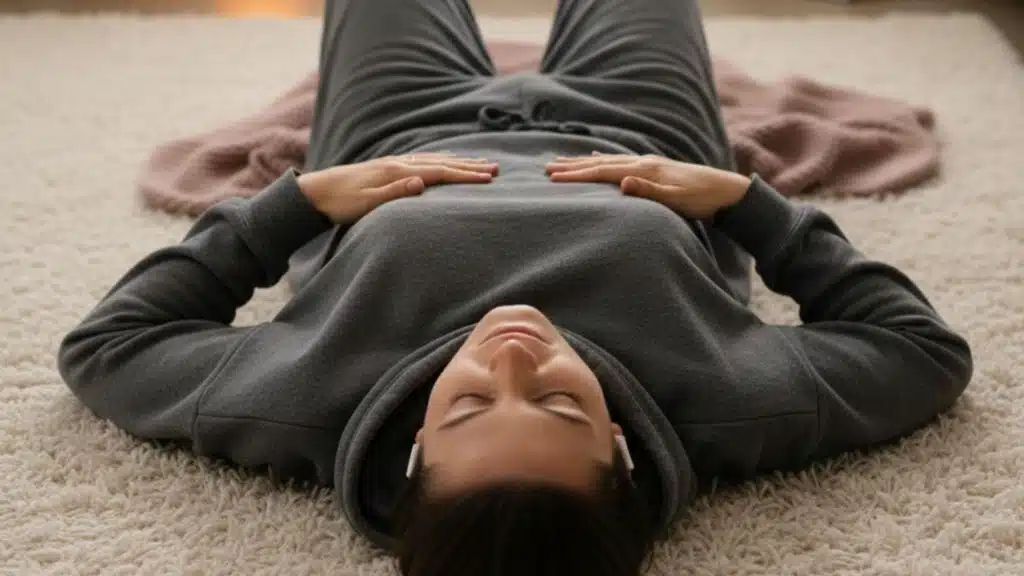
Download apps like Calm or Insight Timer, or find free recordings on YouTube. Lie down in a quiet space and close your eyes while listening. The narrator guides you through peaceful scenes such as beaches, forests, and mountains.
Let your imagination create vivid pictures of these relaxing places. Your breathing naturally slows down as you focus on the calming descriptions. Sessions range from 5 to 30 minutes, so pick what fits your schedule.
Relaxing Activities to Enjoy Outdoors
I love getting outside because nature has an amazing way of melting stress away. Fresh air and natural surroundings are some of the best things to do to relax your mind and body.
13. Walking in Nature
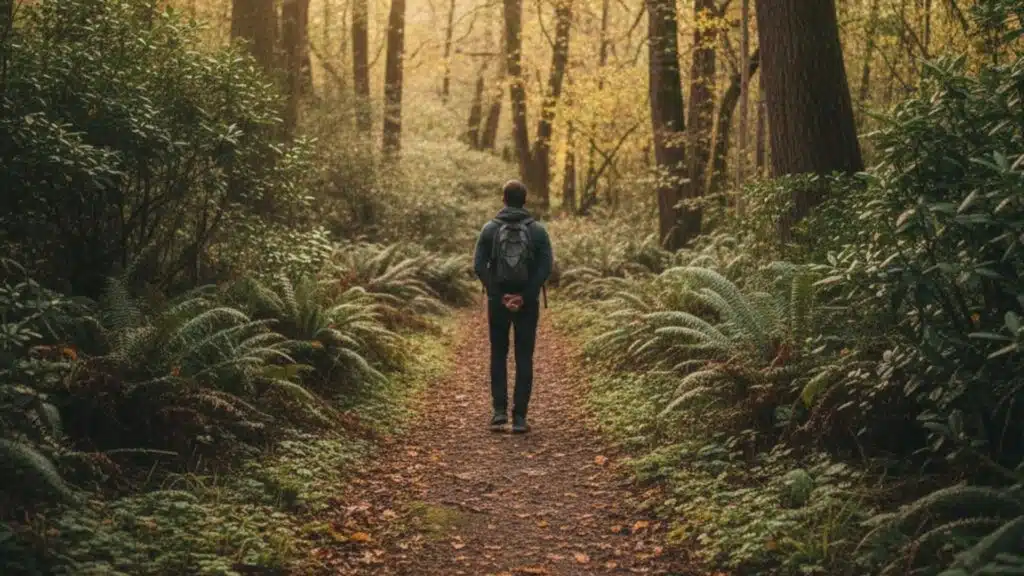
Find a nearby park, forest trail, or nature path and wear comfortable walking shoes. Leave your phone on silent or at home to fully disconnect from stress. Walk at a slow, steady pace and notice the trees, birds, and sounds around you.
Take deep breaths of fresh air to help calm your nervous system. Early mornings or late afternoons offer the most peaceful atmosphere. Make it a daily habit for the best mental health benefits.
14. Picnic in the Park

Pack simple foods like sandwiches, fruits, cheese, and your favorite snacks in a basket. Bring a blanket, some napkins, and plenty of water to stay comfortable. Choose a shady spot under a tree away from crowds and noise.
Eat slowly and appreciate being outside instead of rushing through your meal. Bring a book or just lie back and watch the clouds drift by. Turn off work notifications so you can truly enjoy this peaceful break.
15. Stargazing
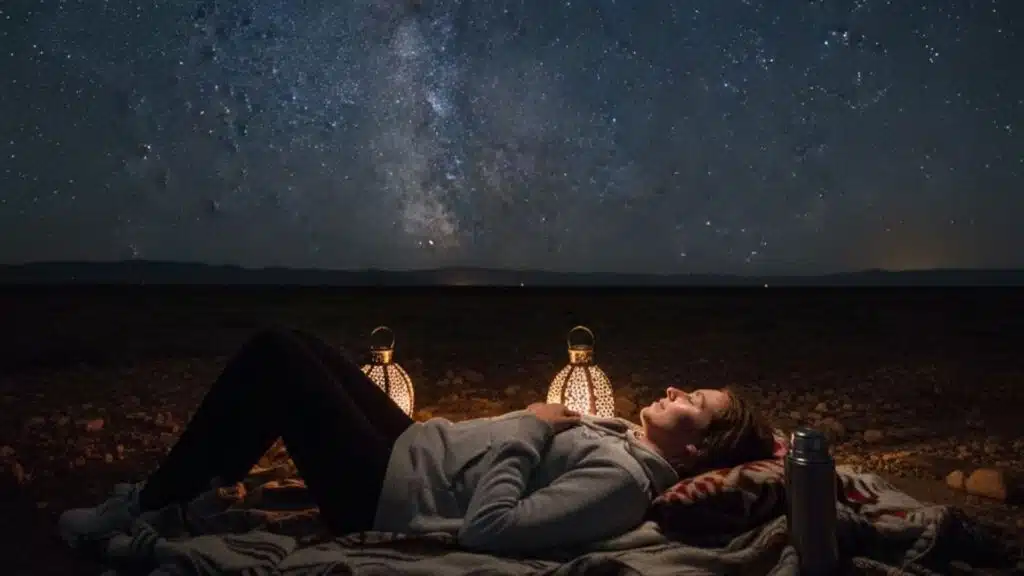
Wait for a clear night and find a spot away from bright city lights. Bring a blanket or reclining chair so you can look up comfortably without straining. I recommend downloading a stargazing app to help identify constellations, planets, and the moon’s phases.
Let your eyes adjust to the darkness for about 20 minutes for better viewing. The vastness of space puts your daily worries into perspective naturally. Hot chocolate or tea makes the experience even more enjoyable.
16. Breathing Exercises in the Fresh Air
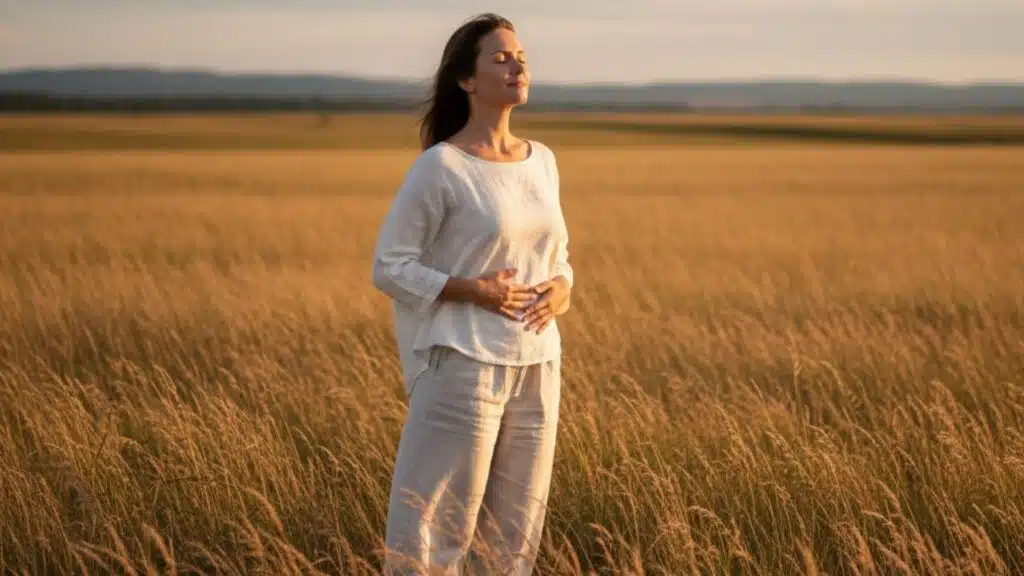
Go to your backyard, a park, or anywhere with clean air and open space. Stand or sit comfortably and close your eyes to focus inward. Breathe in slowly through your nose for four counts, hold briefly, then exhale slowly.
Repeat this pattern for five to ten minutes while feeling the breeze. The combination of fresh oxygen and controlled breathing lowers your heart rate quickly. Practice this daily to build a powerful stress-relief habit.
17. Cycling Through Scenic Routes
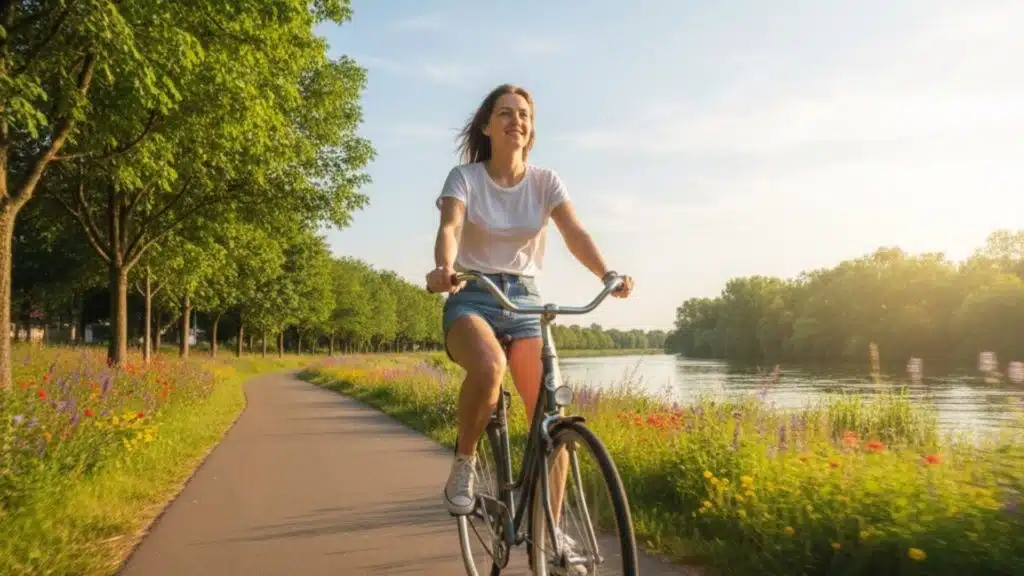
Choose flat, easy routes through parks, along rivers, or through quiet neighborhoods to start. Wear a helmet and bring water to stay safe and hydrated during your ride. Pedal at a leisurely pace where you can still breathe easily and look around.
Stop whenever something catches your eye; there’s no rush to finish quickly. The gentle exercise releases endorphins while the scenery keeps your mind engaged positively. Aim for 20-30 minute rides when you’re starting out.
18. Nature Photography
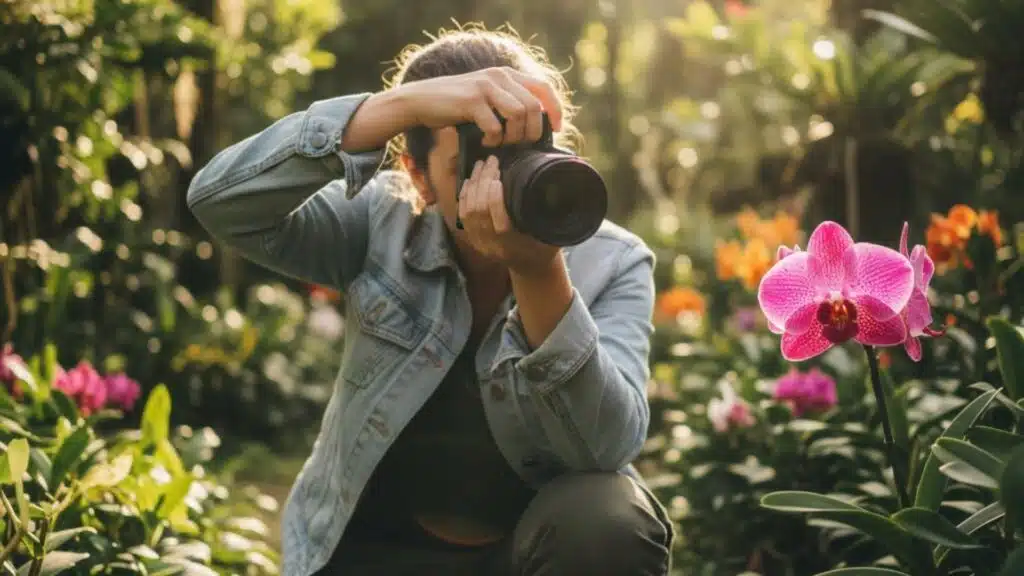
Grab any camera or just use your smartphone to capture beautiful outdoor moments. Look for interesting subjects like flowers, trees, wildlife, or interesting light patterns. Move slowly and quietly to avoid disturbing animals and to stay present. Focus on composition and lighting rather than taking hundreds of rushed photos.
Taking photos forces you to notice small details you’d otherwise miss. Review your pictures later to relive the peaceful moments you experienced.
19. Beachcombing
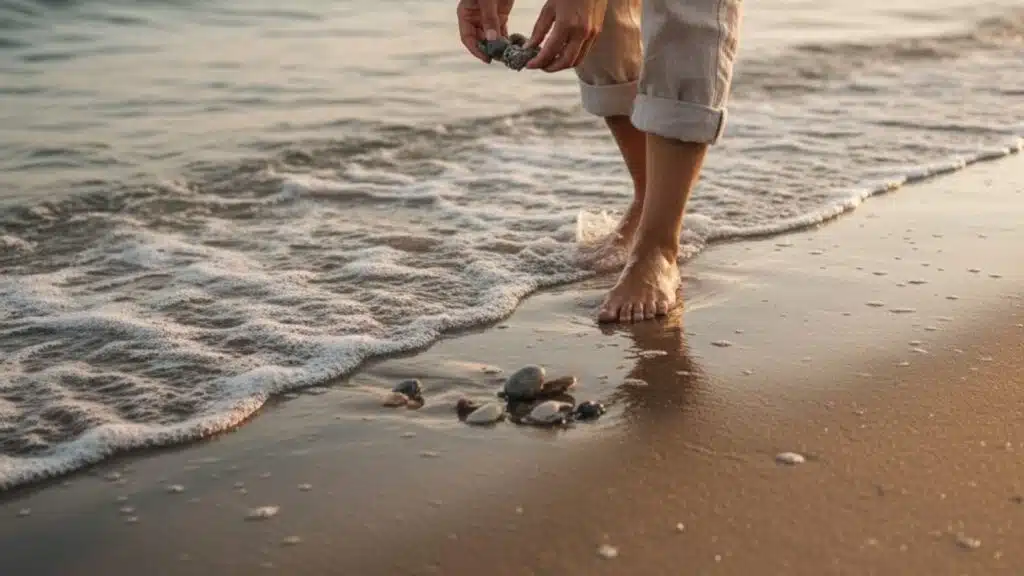
Walk slowly along the shoreline during low tide when more treasures are exposed. Look for unique shells, smooth stones, sea glass, or interesting driftwood pieces. Bring a small bag to collect your favorites without damaging the environment.
Feel the sand between your toes and listen to the rhythmic sound of waves. You’ll find the combination of walking, searching, and ocean sounds deeply therapeutic. I suggest going early in the morning for the quietest, most peaceful experience.
Creative Activities for Relaxation and Mindfulness
I find that creative activities give my mind something peaceful to focus on while my hands stay busy. These artistic hobbies don’t require special talent; they just need a little time and willingness to try.
20. Journaling
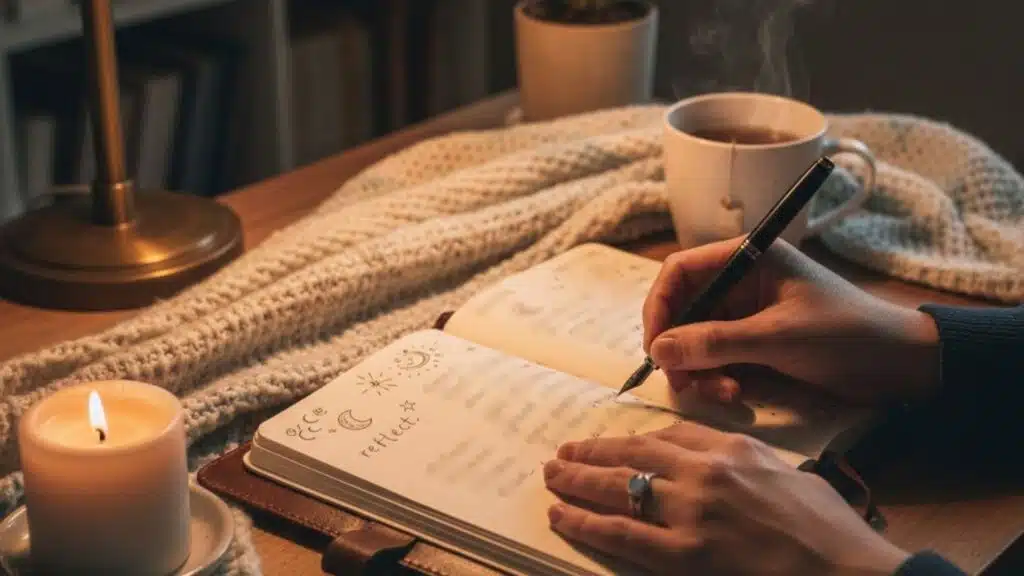
Grab a notebook and pen, then write whatever comes to mind without judging yourself. You don’t need perfect grammar or complete sentences; just let your thoughts flow freely.
Try writing for 10-15 minutes each day, preferably at the same time. Use prompts like “Today I felt…” or “I’m grateful for…” if you’re stuck. Keep your journal private so you feel comfortable being completely honest.
21. Drawing or Coloring
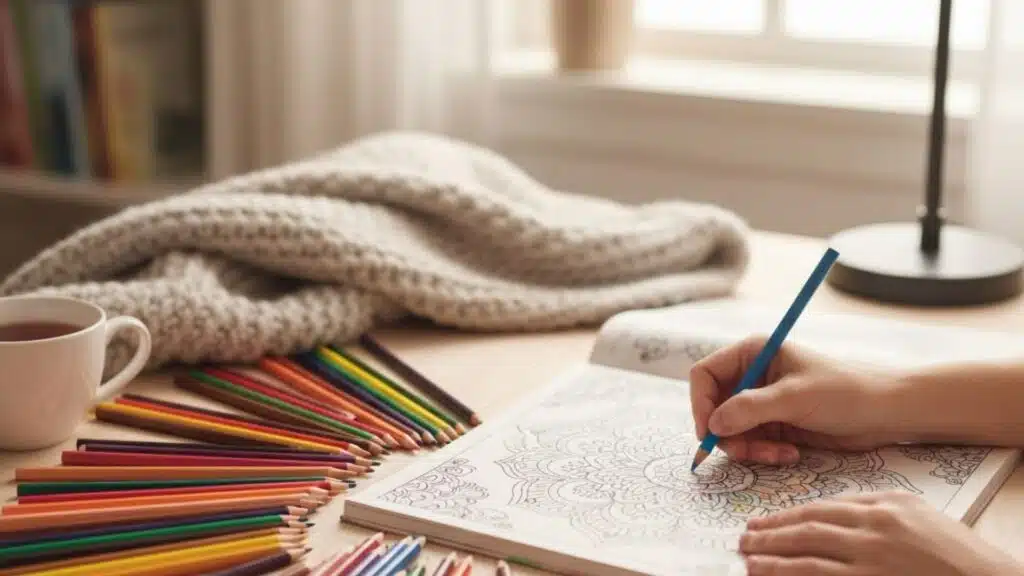
Buy an adult coloring book or grab plain paper and colored pencils to begin. Don’t worry about making museum-quality art; this is purely for your own enjoyment. Start with simple shapes, patterns, or mandalas that don’t require advanced skills.
Focus on choosing colors you love and blending them together in pleasing ways. Set aside 20-30 minutes when you won’t be interrupted or rushed.
22. Crafting or DIY Projects
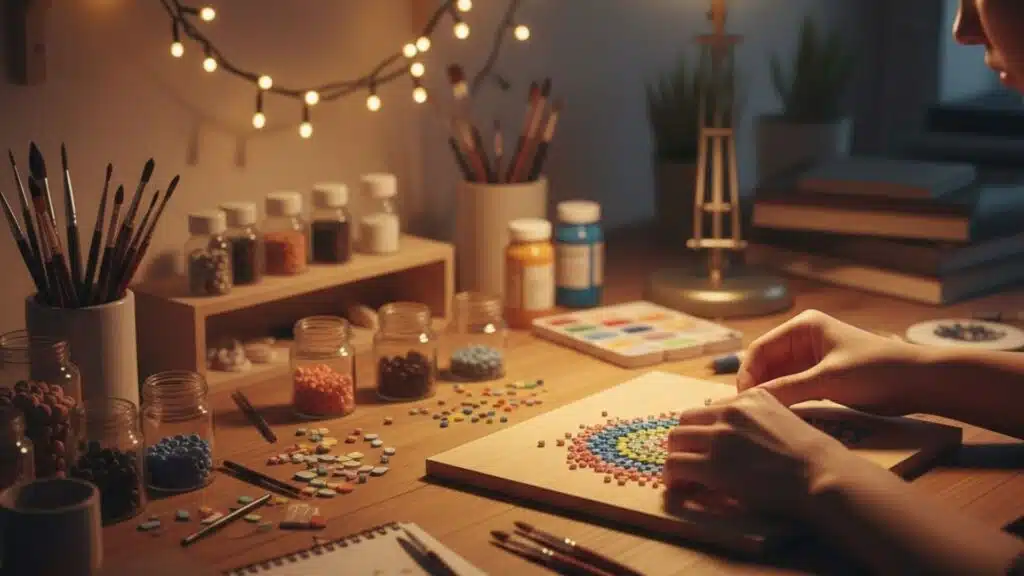
Choose beginner-friendly projects like making friendship bracelets, painting small items, or creating greeting cards. I always gather all my supplies before starting so I don’t interrupt my relaxation flow.
Follow along with simple YouTube tutorials for step-by-step guidance and inspiration. Work at your own pace without pressuring yourself to finish everything quickly. You’ll notice the repetitive motions naturally quiet your anxious thoughts down.
23. Knitting or Crocheting
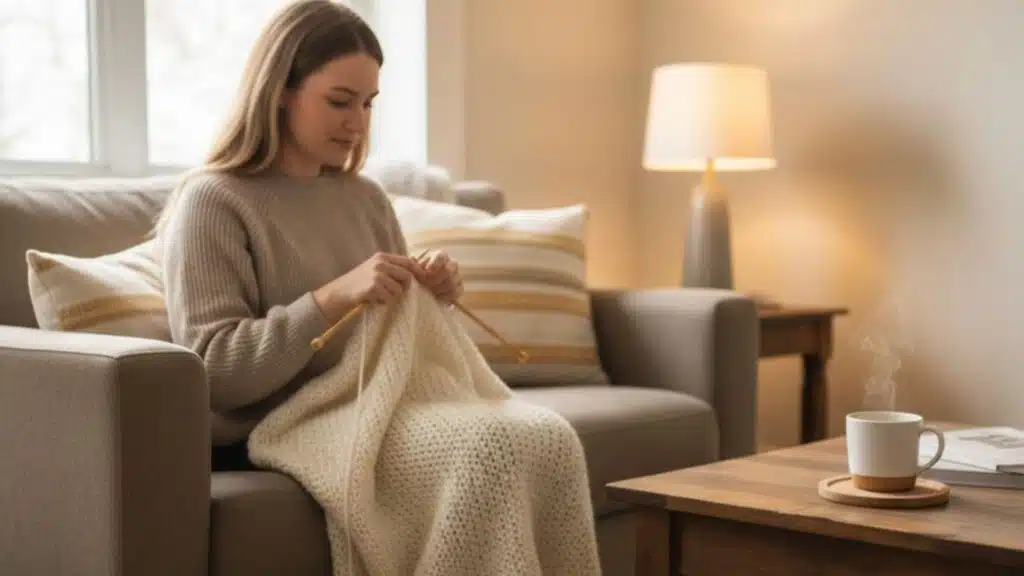
Start with basic stitches and inexpensive yarn from any craft store near you. Watch beginner tutorial videos to learn the fundamental techniques before attempting complex patterns.
Make simple items like scarves, dishcloths, or blankets that use repetitive stitches throughout. The rhythmic hand movements create a meditative state that significantly reduces stress. Keep a project bag ready so you can knit during TV time.
When to Take Time for Relaxation
Knowing when to relax is just as important as knowing how to relax. Making time for rest throughout your day and week keeps stress from building up. Here are the best times to incorporate relaxation into your life:
- Daily Relaxation: Set aside at least 15-30 minutes every single day for relaxation, even when life gets busy.
- During Stressful Periods: When work deadlines pile up, or life throws challenges your way, take short five-minute breathing breaks to reset.
- Before Sleep: Spend the last 30-60 minutes before bed doing calming activities without screens to prepare for better sleep.
- On Weekends: Use your days off to try longer relaxation activities you can’t fit into busy weekdays.
I’ve learned that consistent relaxation prevents stress from reaching overwhelming levels in the first place. Making it a priority rather than an afterthought has completely changed how I handle daily challenges.
Final Thoughts
Adding relaxing activities into your daily routine doesn’t have to feel like another chore on your list. Start by choosing just one activity from this guide that genuinely caught your attention while reading.
Give it an honest try for a few days and notice how it makes you feel. You might find it becomes something you actually look forward to each day.
Once you find what works, you can gradually add more activities to create your personal relaxation toolkit. What’s rewarding here is that you can switch between different options depending on your mood or schedule.
Don’t wait for the perfect moment to start because that day may never come. Give yourself permission right now to prioritize your own peace and well-being. Which relaxing activity will you try first? Comment below and let me know!