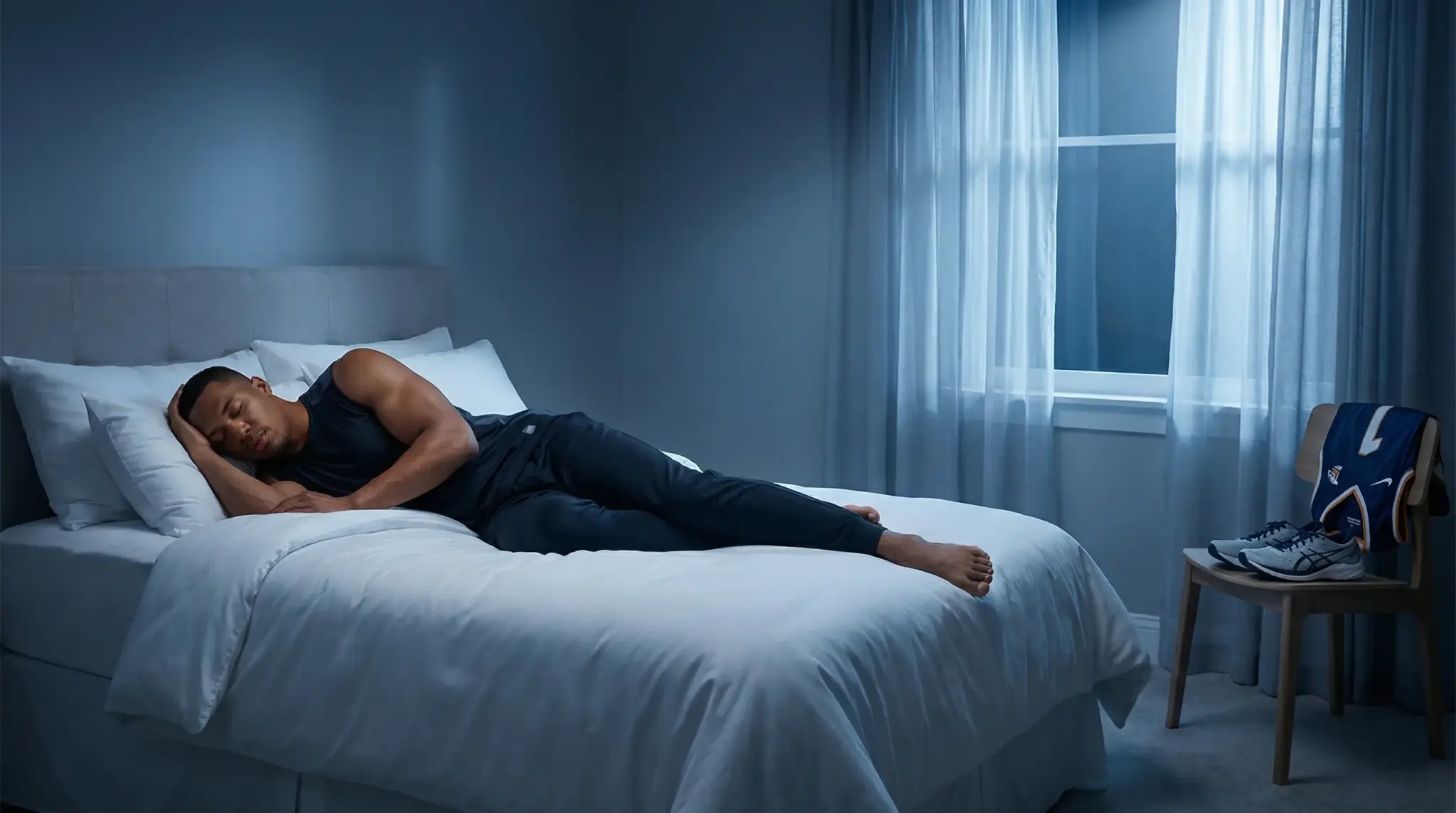

Sleep decides a lot on game day. Miss a few solid hours and your legs feel heavier, passes go astray, and those quick reactions that win matches suddenly lag. Athletes at every level notice it. The body uses deep sleep to patch up muscles torn in training. It sorts hormones and clears mental fog so decisions come faster when the pressure hits.
Take the Stanford basketball team a few years back. Researchers had the players push their nightly sleep toward ten hours for five to seven weeks. Before that, they averaged closer to eight. The results showed up on court. Their sprint times over 282 feet dropped from 16.2 seconds to 15.5. Free-throw success rose nine percent. Three-pointers improved by roughly the same margin. Players said they felt sharper in practice and games, with less fatigue dragging them down.
Many people rely on that sharpness which comes from quality sleep: from coaches and teammates right through to bettors who wager on a team’s result or a player’s individual stats. For the latter, that often means hoping the athlete delivers at their peak, and it makes no difference whether they have backed that competitor with their own money or used a bonus offer from platforms like Parimatch KZ or popular UK bookmakers.
So, let’s look at what usually disrupts sleep before a major match and what athletes do about it.
Sleep Problems That Creep in Before Big Games
Nerves hit hard the night before. Thoughts about the match keep spinning, making it tough to drop off. A survey of over 280 elite Australian athletes found 64 percent had slept noticeably worse than usual before at least one important competition in the past year. Most blamed racing thoughts or straight-up anxiety. Falling asleep became the main struggle.
Travel makes things worse. Jet lag throws off your body clock. Hotel rooms bring strange noises and beds that never feel quite right. Evening kick-offs push bedtime later, so total sleep often shrinks to six hours or less instead of the eight or nine you normally get. Over a tournament those short nights pile up. Fatigue builds quietly and small injuries become more likely.
How Athletes Get Sleep Sorted Ahead of a Match

Smart ones start adjusting two or three days out. They add extra hours early – banking sleep so any last-night dip hurts less. Keeping roughly the same bedtime and wake time through the week helps the body know what to expect. Morning light outdoors resets the clock naturally.
The room itself matters. Cool it to around 18 or 20 degrees. Block light and sound as best you can. Cut screens an hour before bed because that glow delays the switch-off. Heavy food or hard training right before sleep also gets in the way.
Short naps work well for some. Twenty to thirty minutes early in the afternoon clears the head without leaving you sluggish. Longer ones fit rest days but need timing so they don’t steal from night sleep.
Here’s what often works in practice:
Steps to bank sleep before competition
- Grab an extra 60 to 90 minutes on nights two and three out
- Watch total sleep across the whole week, not just the final night
- Dial training volume down a touch if nights have already been short
Evening habits that help wind down
- Dim the lights and skip big meals close to bed
- Pack earplugs or an eye mask for hotels
- Read something light or do slow breathing instead of checking messages
Skip caffeine after lunch. Alcohol might knock you out at first but it breaks sleep later and leaves you flatter the next day.
Roger Federer and His Sleep Routine
Roger Federer talked openly about needing plenty of rest. He aimed for 11 to 12 hours a day during his playing years – usually ten at night plus a couple of hours nap time during the day. He once said that anything less felt wrong and left him more open to picking up strains or feeling off. That extra time helped him recover between long matches and stay sharp through five-set battles. Tennis asks for repeated bursts of speed plus hours of concentration, so even tiny losses in edge can decide points.
Different sports tweak the numbers, but the idea stays. Sleep is not extra – it is part of the work.
Making a Plan That Actually Sticks
Begin by tracking your own sleep for a couple of normal weeks. Note patterns around travel or stressful periods so you know your baseline. Then shift focus for competition weeks. Put most effort into those two nights before the game when extra deep sleep still pays off for repair.
On the very last night, don’t chase perfection. Nerves often win. A calm routine and maybe a short nap earlier can still carry you through. The real gain comes from steady habits across the season rather than one magic night. Athletes who treat sleep like training and nutrition hold their level better and avoid the big drops that come from accumulated tiredness.
Sleep shapes what you bring to the pitch or court. Get the hours right in the days before and you give yourself the best chance to move freely, think clearly and finish strong. It is quiet work, but it shows when the whistle blows.