Many people focus on routines such as bedtime schedules or limiting screen use, yet sleep does not occur in isolation. The physical environment surrounding you each night influences how easily the body transitions into rest and how stable that rest remains. This guide examines these conditions.
How Your Home Influences Sleep Quality
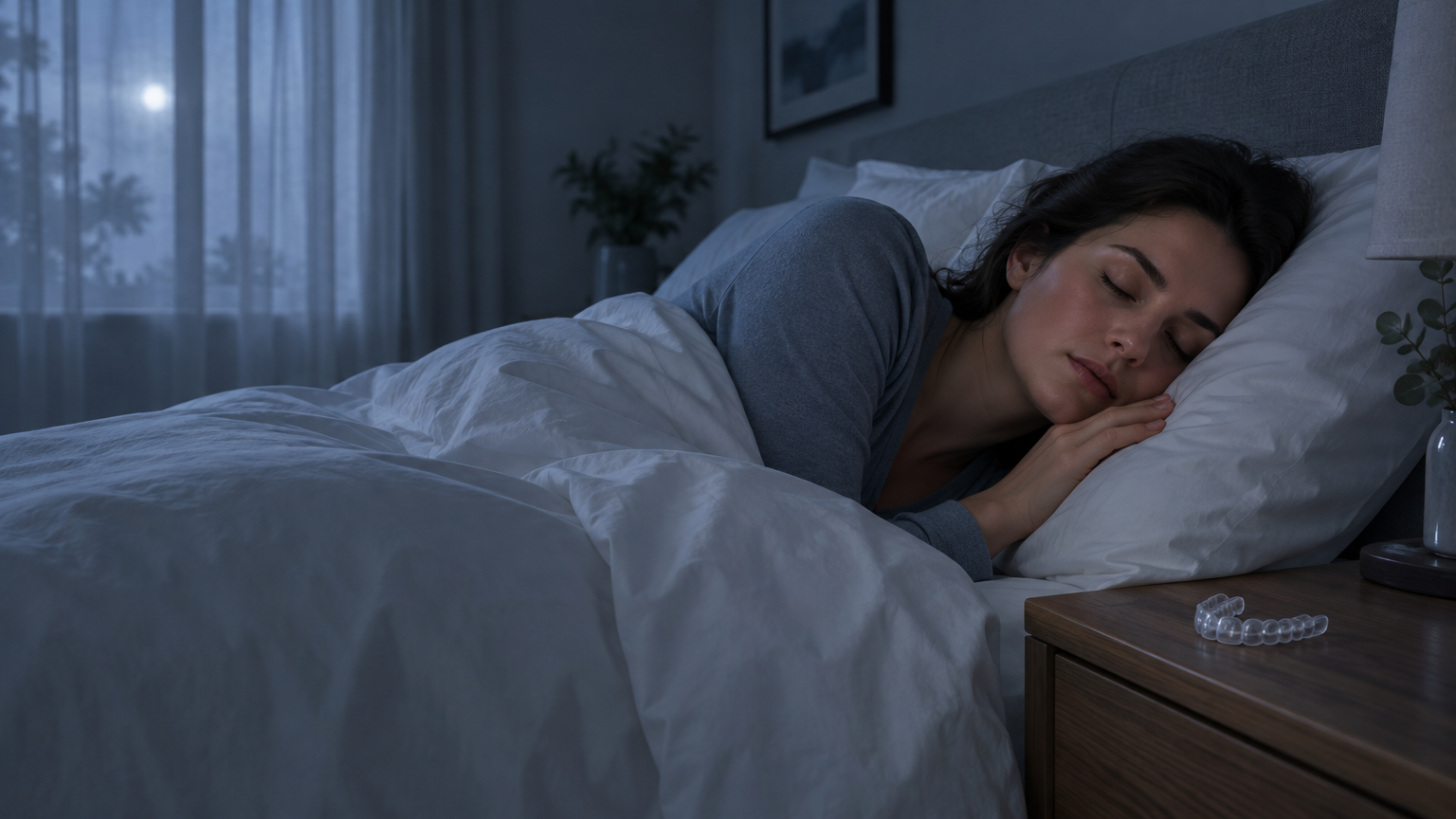
Quality sleep means falling asleep without difficulty, remaining asleep through the night, and reaching deeper sleep stages where the body repairs tissues, restores energy, and regulates brain and nervous system activity. Your home environment can support or disrupt this process in the following ways:
Pest Presence and Residue
Pests introduce biological contaminants that can interfere with sleep quality. For instance, droppings, shed skin, saliva, and other residues release particles into the environment that affect air quality and surface cleanliness. These particles can irritate the respiratory system and increase allergens.
Pest activity can also create subtle environmental disturbances. Movement within walls, ceilings, or floors may trigger subconscious alert responses, even if the sleeper does not fully wake.
These disturbances prevent the nervous system from remaining fully relaxed. Find a reliable pest control company to inspect your home, identify active infestations, and apply targeted treatments.
Mobility-Friendly Layout and Accessibility
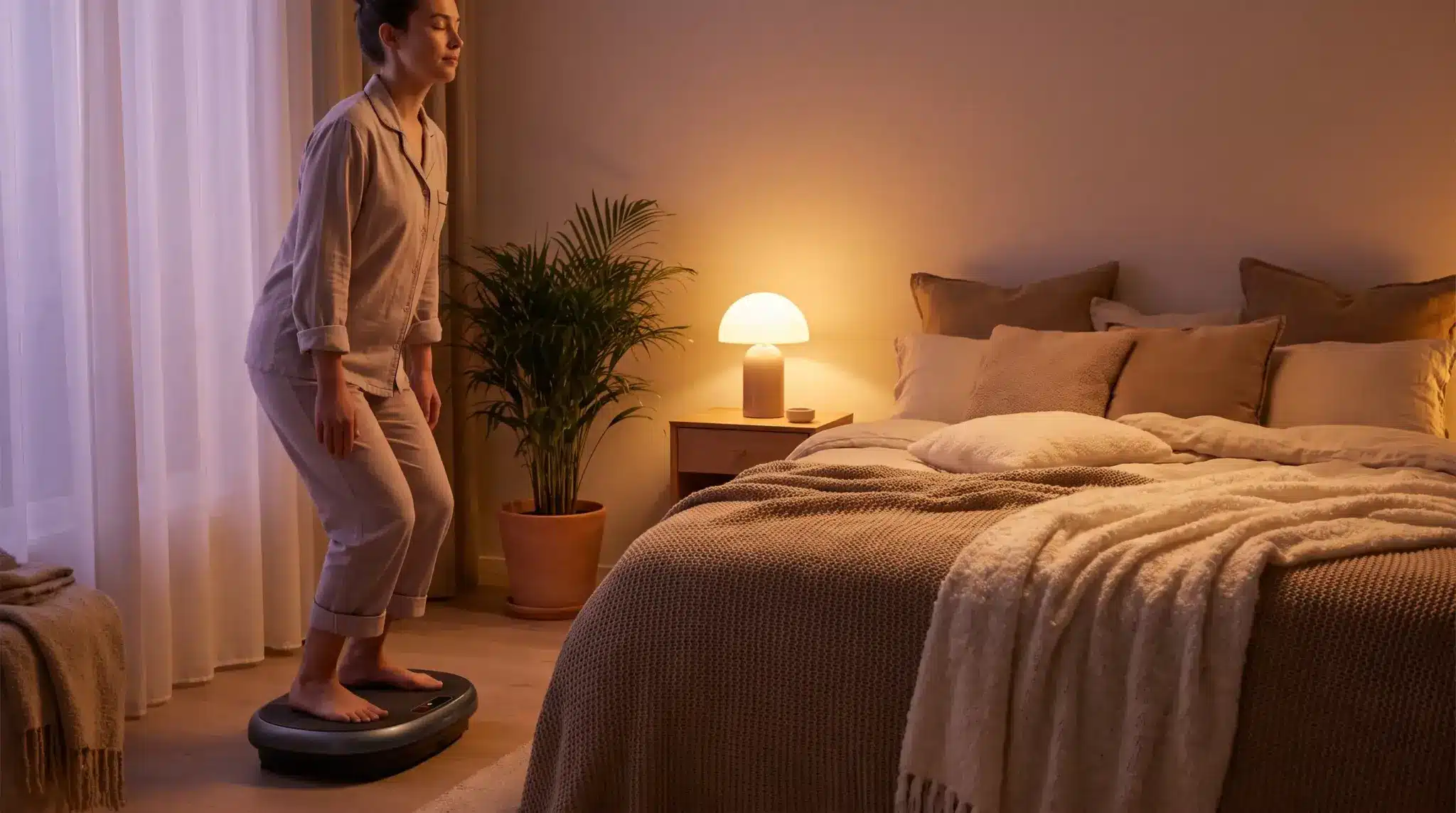
When movement requires more effort or attention, the brain shifts out of its resting state to coordinate balance and muscle activity. It increases alertness and makes it harder to fall asleep again quickly.
Additionally, bedrooms located upstairs place greater demand on balance, coordination, and muscle activation. You may require an expert, such as California Mobility, to assess mobility needs and install suitable accessibility equipment to make movement between floors safer and more manageable.
Indoor Air Quality
When air contains dust particles, mold spores, or other airborne contaminants, the respiratory system must work harder to maintain airflow. The added strain makes breathing less efficient, causing brief interruptions that pull the body out of deeper sleep stages.
Poor air quality also increases the likelihood of airway irritation and inflammation. Even mild irritation can trigger protective responses such as coughing or shallow breathing, which interruptsleep continuity. These interruptions may be brief, but they reduce the amount of time the body spends in restorative sleep.
Allergen Levels Within the Home
Allergens commonly accumulate in areas where people sleep, including mattresses, carpets, curtains, and upholstered furniture. These particles can enter the air or remain on surfaces, increasing exposure throughout the night. When the body reacts to allergens, it may trigger congestion, airway restriction, or skin irritation.
These reactions interfere with the body’s ability to remain fully relaxed during sleep. Nasal congestion, for example, forces the body to adjust breathing patterns, which can reduce oxygen
intake and disrupt deeper sleep stages. Skin irritation can also create discomfort, leading to movement and partial awakenings.
Bedroom Cleanliness and Surface Hygiene
Dust and residue build up fastest where fabric, carpet, and upholstered surfaces trap particles. In a bedroom, that means floors, rugs, curtains, headboards, and even wall corners can become reservoirs for irritants. When you move in bed, you stir up settled particles and increase the particles you inhale at a time when your breathing is slower and shallower during sleep.
Surface hygiene also affects skin comfort. Grime, pet residue, and mold-prone areas (especially near windows or damp walls) can irritate skin and airways, which increases tossing, scratching, and micro-awakenings. A cleaner sleep zone reduces background irritation for your body to settle instead of constantly adjusting for discomfort.
Bedding Cleanliness and Material Condition
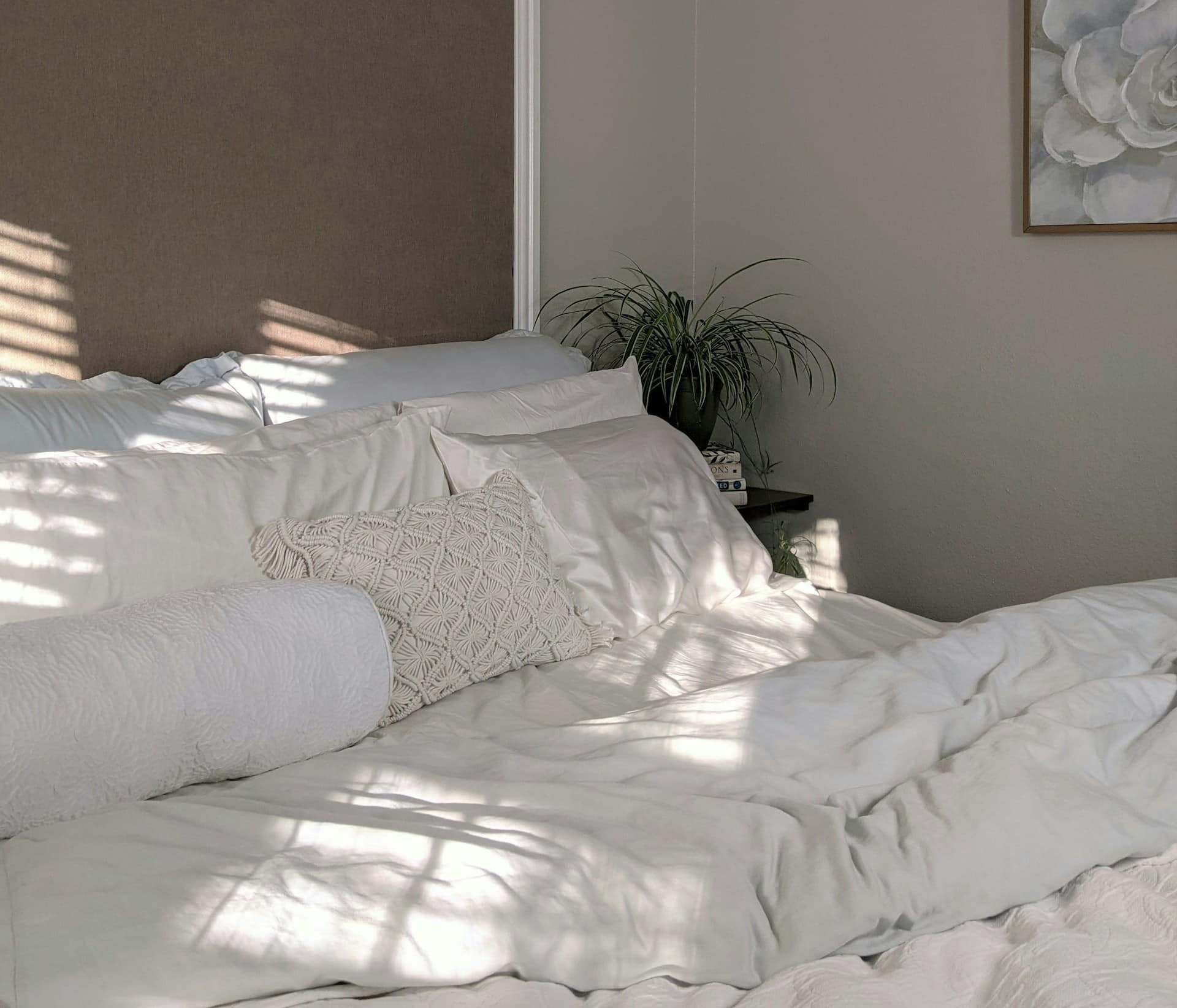
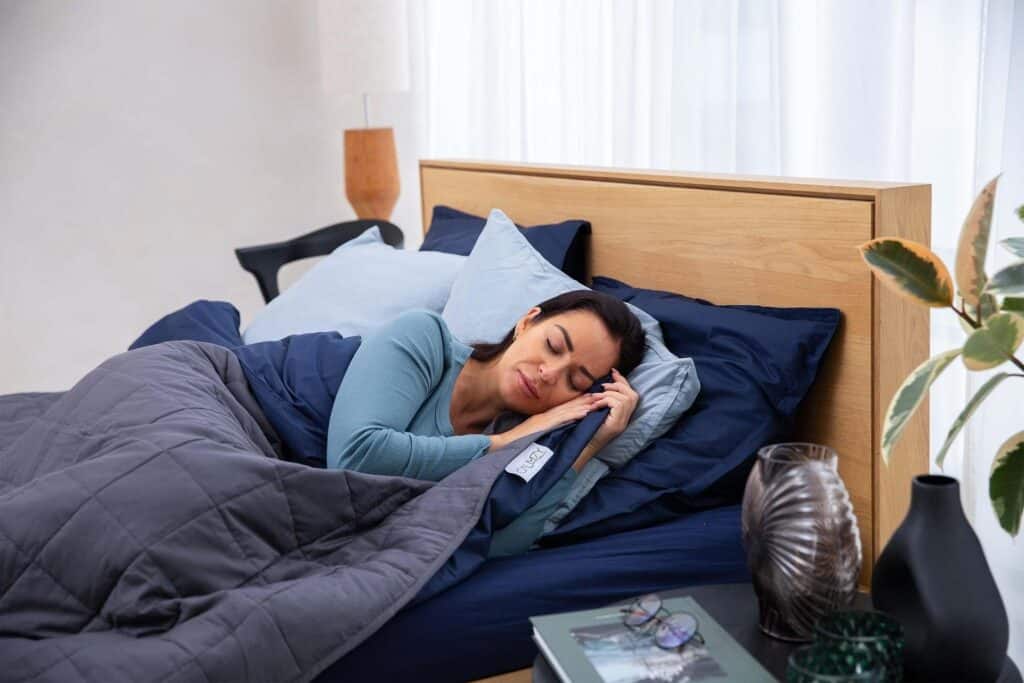
Bedding is in constant contact with skin and collects sweat, oils, dead skin cells, and allergens. Over time, the buildup can create itching, congestion, or a stuffy sensation that makes it harder to stay asleep. Pillows and comforters also hold particles deeper than sheets do, so they can trigger irritation even when the room appears clean.
Material condition matters because worn or poor-quality fabrics can trap heat and moisture, creating a clingy or clammy sleep surface. Rough textures, flattened pillows, or lumpy fills create pressure points, causing you to shift positions more often. Frequent repositioning interrupts sleep continuity, even when you don’t fully wake.
Room Temperature Regulation
When the room runs too warm, the body struggles to shed heat, which increases restlessness and lightens sleep. When it runs too cold, the body tightens muscles and prioritizes warming up, which can also prevent sustained deep sleep.
Temperature swings cause repeated adjustments, including kicking off blankets, pulling them back, changing position, or waking briefly to correct discomfort.
Indoor Humidity Balance
Humidity affects how comfortable your airways remain during sleep. When indoor air is too dry, it pulls moisture from the nose and throat, which can cause dryness, irritation, and increased breathing resistance. This discomfort makes the body more likely to shift position or partially awaken to restore comfort.
Excess humidity creates a different problem by encouraging mold growth and increasing airborne moisture that feels heavy and uncomfortable to breathe. Damp air can also make
bedding and sleep surfaces feel clammy, which prevents the body from maintaining a stable, comfortable state during sleep.
Lighting Conditions in Sleep Areas
Light exposure affects how easily the brain maintains sleep. Artificial light from indoor fixtures, hallway lighting, or electronic devices can enter the sleep space and stimulate the brain, even when your eyes are closed. This stimulation can interfere with the brain’s ability to remain in deeper sleep stages.
Inconsistent lighting conditions, such as sudden exposure from outdoor lights or indoor movement, can also trigger alert responses. The brain interprets light as a signal of daytime activity, which increases alertness and makes it harder to maintain uninterrupted sleep.
Noise Levels Within and Around the Home
Noise creates sensory input that the brain continues to monitor during sleep. Sounds from inside the home, such as appliances, plumbing, or structural shifting, can activate the nervous system. Even when these sounds do not fully wake you, they can reduce the depth and stability of sleep.
External noise, including traffic, animals, or activity outside the home, can produce similar effects. The brain remains partially alert to potential threats, which interferes with sustained restorative sleep.
Conclusion
The physical conditions inside your home directly influence whether sleep remains uninterrupted and restorative. For instance, clean air helps the body maintain steady breathing while clean bedding and surfaces reduce irritation that can disrupt rest. Such conditions allow essential recovery processes to occur, including tissue repair, energy restoration, and nervous system regulation.