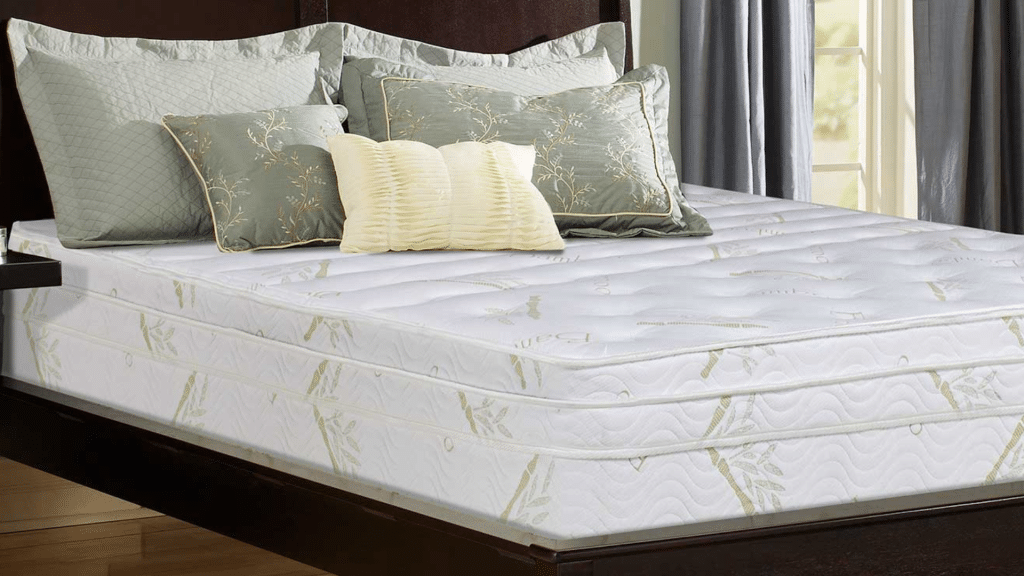


Your body cooperates all day long, but the moment you lie down, rib pain takes over. You shift once, then again, pausing before every breath and unsure if this position will hurt more.
When nights turn into a cycle of tension and second-guessing, sleep stops feeling like rest. I understand how exhausting this feels because you deserve better than sleepless nights and vague advice.
If you’re searching for how to sleep with intercostal muscle strain, you’re likely tired from trial-and-error positioning.
I’m here to help you feel more at ease when bedtime arrives with clear direction and realistic support. Sleep should feel possible again, not something you dread facing every night.
What is Intercostal Muscle Strain?
Your intercostal muscles are these thin layers of tissue located between your ribs that help you breathe and move your chest. When these muscles get overstretched or torn, you develop what’s called an intercostal muscle strain.
You’ll typically feel sharp, stabbing pain that gets worse when you breathe, cough, or move around. The area around your ribs becomes tender to the touch, your muscles feel stiff, and you might struggle to take those deep, comfortable breaths you used to take without thinking.
Many people find the pain especially bothersome at night because lying down can make the discomfort worse and seriously disrupt their sleep quality.
What are the Causes of Intercostal Muscle Strain?
Now that you know what this injury is, it helps to understand what might have triggered it in the first place. Knowing the cause can give you clarity about your situation and help you avoid making things worse.
- Sports with twisting or overhead motion: Activities like tennis, golf, swimming, and baseball put repetitive stress on intercostal muscles in ways that accumulate over time.
- Heavy lifting, shoveling, or rowing: Strenuous physical activities that require forceful torso movements can overstretch or tear rib muscles before you even realize what’s happening.
- Repetitive coughing or sneezing: Prolonged illness with intense coughing fits or frequent sneezing can gradually strain the muscles between your ribs through sheer force and repetition.
- Falls, accidents, or direct chest impact: Traumatic injuries from car accidents, sports collisions, or falls can cause immediate muscle damage that you feel right away.
Recognizing what led to your injury helps you make smarter choices during recovery and reduces the chance of straining those muscles again.
Why Sleeping with Intercostal Strain is Hard
Understanding what caused your injury naturally leads to the bigger question you’re probably asking: why does nighttime feel so much worse? Once you see what’s happening in your body, the frustration starts to make more sense.
Every deep breath or position change during the night can trigger sharp pain, making it difficult to settle comfortably into any position.
Lying horizontally increases pressure on your ribcage, compressing the injured muscles and intensifying discomfort in ways you don’t experience when you’re upright during the day.
Additionally, muscle spasms and persistent tenderness around the ribs can wake you repeatedly throughout the night, significantly disrupting your sleep quality and preventing the deep rest your body needs for healing.
How to Sleep With Intercostal Muscle Strain
Since sleep feels so difficult with this injury, the next logical step is figuring out how to actually lie down without making things worse.
The key is minimizing pressure on your ribcage while supporting proper alignment and breathing. Here are the most effective sleeping positions to help you rest better and support healing.
1. Sleeping Semi-Upright

Raising your upper body reduces pressure on the ribcage and makes breathing easier by allowing your diaphragm to work more efficiently. This position is particularly helpful if lying flat causes increased pain or shortness of breath.
How to set it up:
- Use a wedge pillow for a gradual upper body incline
- Stack multiple pillows behind your back as an alternative
- Try a recliner or adjustable bed for optimal positioning
- Place a pillow under your knees for spinal support
2. Sleeping on Your Back

Back sleeping keeps your torso in a neutral position, preventing unnecessary twisting that could aggravate strained intercostal muscles. This position distributes weight evenly and reduces strain on the injured area.
Pillow placement tips:
- Position a pillow under your knees to support your spinal curve
- Add a small pillow under your lower back if needed
- Hug a body pillow against your chest for rib stability
- Keep your arms relaxed at your sides or on your stomach
3. Sleeping on Your Unaffected Side

Side sleepers can find relief by lying on the uninjured side, which protects the strained muscles from additional pressure. This position works well for those who find back sleeping uncomfortable or unnatural.
How to optimize this position:
- Place a pillow between your knees to prevent your torso from rotating
- Use a body pillow behind your back for stability
- Alternatively, hug a body pillow in front for rib support
What NOT to Do for Intercostal Muscle Strain
While certain positions can ease intercostal muscle strain, others can worsen your pain and prolong recovery time. Here’s what to steer clear of:
- Stomach sleeping adds pressure to the ribcage and forces twisting of the torso, aggravating strained muscles.
- Weighted blankets compress the chest wall and restrict rib movement, increasing pain and limiting breathing capacity when you need it most.
- Sleeping on the injured side directly pressures the strained muscles and can cause sharp pain that wakes you throughout the night, significantly delaying your recovery.
- Unsupported side sleeping without pillows between your knees or behind your back allows your torso to rotate during sleep, stretching the injured intercostal muscles.
- Flat sleeping without pillow support can strain your rib cage by failing to maintain proper spinal alignment, putting unnecessary stress on already injured muscles.
Steering clear of these positions will help protect your injured muscles and support faster, more comfortable healing.
How to Reduce Pain Before Bed
Finding the right sleeping position is helpful, but it’s only part of the solution. What you do in the hour before bed can make just as much difference in how well you sleep. Here are proven strategies to calm your body and minimize nighttime pain.
1. Pain-Relief Techniques That Help You Fall Asleep
Applying the right temperature therapy at the right time can significantly ease muscle pain and prepare your body for rest.
- Ice therapy (first 48 hours): Apply an ice pack for 15–20 minutes to reduce inflammation.
- Heat therapy (after 48 hours): Use a heating pad for 15–20 minutes to relax muscles.
- Warm shower or bath: Soak 10–15 minutes before bed to loosen tight muscles.
- Epsom salt bath (optional): Add 1–2 cups for deeper muscle relaxation.
These temperature-based approaches work by improving circulation and reducing muscle tension, making it easier to settle into sleep without discomfort.
2. Breathing Techniques for Nighttime Comfort
Once your muscles are relaxed, your breathing matters just as much. Proper breathing reduces strain on injured muscles while naturally calming your body and lowering pain sensitivity before sleep.
- Gentle diaphragmatic breathing: Breathe slowly using your belly, not your chest.
- Pillow support: Hug a pillow against your chest for stability while breathing.
- Controlled breathing reduces pain: Slow breathing activates calming responses and lowers pain perception.
- Stay comfortable: Never force deep breaths if they cause sharp pain.
Mastering gentle breathing techniques not only protects your healing muscles but also prepares your mind and body for restful sleep.
3. Relaxation Techniques
Your breath is calmer now, but your mind might still be tense from anticipating pain. Mental relaxation techniques calm your nervous system, helping reduce muscle tension and change how your brain perceives pain signals.
- Mindfulness or meditation: Practice 5–10 minutes before bed using apps or breathing focus.
- Calms the nervous system: Reduces stress hormones and changes how your brain processes pain.
- Progressive muscle relaxation: Gently tense and release non-injured muscle groups.
- Avoid forcing movements: Work within comfortable ranges to prevent aggravating injury.
By incorporating these relaxation practices into your bedtime routine, you create a foundation for better sleep quality and faster recovery from intercostal strain.
Fastest Way to Heal Intercostal Muscle Strain
If you’re wondering what is the fastest way to heal intercostal muscle strain, the answer lies in combining proven recovery strategies consistently. Here’s what actually works:
- Rest & Modify Activity: Avoid twisting, heavy lifting, and painful movements throughout recovery to prevent further injury.
- Ice Application: Apply for 15–20 minutes during the first 48 hours to reduce swelling and pain.
- Heat Therapy: Use a heating pad or warm compress after 48 hours to relax muscles and improve blood flow.
- OTC Pain Relievers: Take ibuprofen or acetaminophen as directed, as needed, to reduce pain and inflammation.
- Gentle Stretching: Try light stretches within a pain-free range after the pain subsides to maintain flexibility.
Consistency with these healing principles will help you recover faster while minimizing the risk of re-injury or complications.
Sleep Hygiene That Supports Recovery
As your body heals, the quality of your sleep becomes even more important than the quantity. Quality sleep accelerates healing by allowing your body to repair damaged muscle tissue effectively.
- Consistent sleep schedule: Go to bed and wake up at the same time daily to regulate your body’s natural repair cycle.
- Reduce screen time: Avoid phones, tablets, and TVs at least 30–60 minutes before bed to improve melatonin production.
- Optimize bedroom environment: Keep your room cool (60–67°F), dark, and quiet to promote deeper, uninterrupted sleep.
- Reserve bed for sleep: Use your bed only for sleeping and resting, not working or watching TV, to strengthen sleep associations.
- Sleep improves tissue repair: During deep sleep, your body releases growth hormones that accelerate muscle healing and reduce inflammation.
Building these habits into your nightly routine creates the ideal environment for your body to heal faster and more completely.
When to See a Doctor?
You’re doing everything right at home, but sometimes your body needs more support than rest and self-care can provide. While most intercostal muscle strains heal with home care, certain symptoms require immediate medical attention.
See a doctor if your pain worsens or doesn’t improve after a week, you experience difficulty breathing, or the injury resulted from significant trauma or an accident.
Seek emergency care if chest pain occurs with arm or jaw pain, dizziness, or other heart attack symptoms.
If pain persists, your doctor may recommend muscle relaxants, corticosteroid injections, or refer you to physical therapy for specialized treatment and rehabilitation exercises to support your recovery.
Wrapping It Up
Dealing with rib pain at night can feel exhausting, especially when sleep is the one thing you need most.
Learning how to sleep with intercostal muscle strain is about making small, supportive changes that help your body rest without added stress.
With the right setup and a little patience, bedtime can start to feel calmer and more manageable again. I hope this helped you feel more prepared and less unsure about what to do tonight.
If you want more practical sleep tips, pain-relief guidance, or recovery advice, take a look at my other blogs. You’ll find simple, clear support to help you rest better and feel more comfortable as you heal.