Moving from an apartment to a house is one of those life changes that feels entirely straightforward on paper. You pack your things, load a truck, and settle into your new space.
But anyone who has made this transition knows there is far more to it than a simple change of address. The excitement is real, but so are the surprises waiting on the other side.
The Move Itself Is More Complicated Than You Think
Apartment living often means compact spaces, shared elevators, and strict building rules about move-out times. A house presents an entirely different set of logistics.
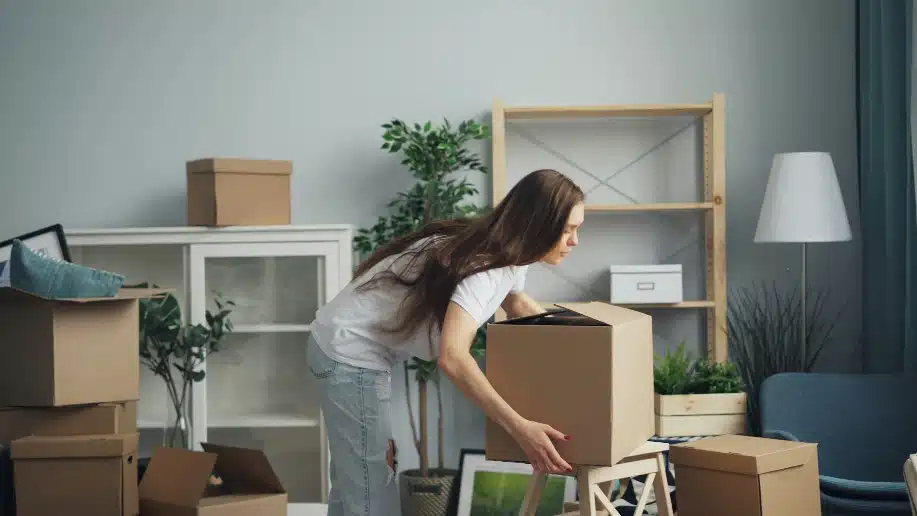
You are likely dealing with more square footage, multiple floors, a driveway, and sometimes a significant distance between your old and new addresses. The sheer volume of what needs to move tends to catch people off guard, especially when they realize how much they accumulated without noticing.
Before the moving day arrives, it is worth mapping out every detail. Which items go to which room? How will large furniture pieces get through narrow staircases or tight hallways? Who is responsible for what?
These questions matter more when the scale is larger. If you’re planning to move and the process feels overwhelming, get in touch with Coleman Worldwide Moving for a hassle-free moving experience. Planning ahead and having professional support can turn what seems like a chaotic weekend into a manageable process.
Your Utility Bills Will Surprise You
One of the biggest adjustments nobody prepares you for is the jump in monthly costs. A house has more rooms, more windows, more roof, and more surface area for heat to escape or enter.
Your heating and cooling bill will likely be noticeably higher during your first winter and summer. Water usage also climbs when you have a yard to maintain or a larger household to support.
Get into the habit of checking your thermostat settings and understanding how your new HVAC system works. Many houses have older systems that are not as efficient as modern apartment setups. Small adjustments in how you manage temperature can make a meaningful difference over time.
Outdoor Space Comes with Responsibilities
A yard looks beautiful in listing photos. The reality of maintaining it is something else entirely. Mowing, trimming, weeding, seasonal planting, and clearing leaves are all now part of your routine. If you have never owned outdoor power tools, you will need to invest in them or hire someone to help.
Beyond the lawn, there are gutters to clean, a driveway to maintain, and possibly a deck or patio that needs periodic care. Many first-time homeowners underestimate how much time outdoor upkeep demands, especially during spring and fall. If you enjoy outdoor work, this can become a rewarding part of homeownership. If not, budgeting for professional lawn care early on is a smart move.
Noise Works Differently in a House
In an apartment, noise typically comes from above, below, or through thin shared walls. In a house, it comes from outside. You will notice traffic sounds, neighborhood activity, and weather in ways you never did before. Houses settle, pipes knock, and older structures creak at night.
This can be unsettling at first, especially if you have spent years in a building where those sounds were muffled. Give yourself a few weeks to learn the sounds your new home makes.
Most of it is perfectly normal and becomes easy to tune out once it feels familiar. Investing in good window insulation or thick curtains can also help reduce outside noise significantly.
Over time, many homeowners find that this quieter, more contained environment actually leads to better sleep and a stronger sense of personal space.
Storage Space Can Be Deceiving
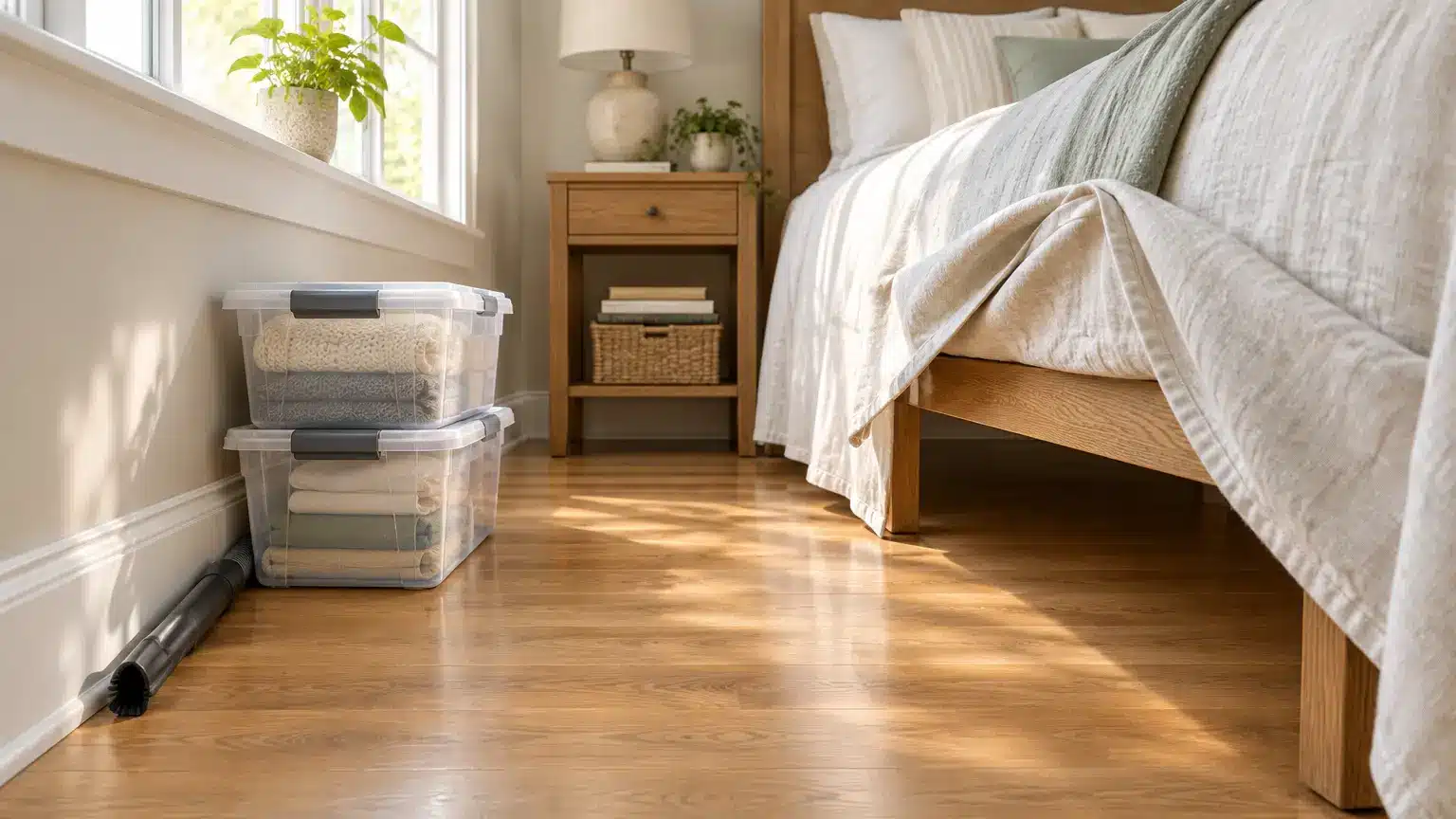
A house often comes with a basement, attic, garage, and closets that seem like an abundance of storage. The temptation is to fill them quickly. Resist that urge. These spaces are valuable, and cluttering them on arrival means losing the organizational advantage they offer.
Take time to plan how each storage area will be used before you start moving things in. Seasonal items, tools, and rarely used belongings each deserve their own designated area. A little discipline early on will save you from hunting through boxes months later looking for something you cannot find.
Community Feels Different
Apartment buildings create a kind of involuntary community. You pass neighbors in the hallway, share laundry rooms, and interact whether you intend to or not. Houses are more private by nature, which many people love, but few expect to feel the absence of.
Introducing yourself to neighbors early is worth doing. Not to form deep friendships necessarily, but because knowing the people around you makes a neighborhood feel like a place you genuinely belong.
It also becomes practical over time when you need a hand or want to keep an eye on each other’s homes.
Neighborhood groups, whether online or in person, are another simple way to stay connected and informed about what is happening around you. The sense of community in a residential area does exist; it just requires a little more intention to build than it did when proximity did the work for you.
You Are Now the One Who Fixes Things
This might be the most significant shift of all. When something breaks in an apartment, you call the landlord. In a house, that call goes to yourself. Leaky faucets, a tripped circuit breaker, a squeaky door hinge, a clogged drain, and a furnace that needs a filter change. These are now your responsibility.
Building a basic toolkit and learning a few fundamental repairs is genuinely useful. There are plenty of beginner-friendly guides and video tutorials that can walk you through common fixes without requiring any special skills. For bigger issues, having a reliable contractor or handyman contact is equally important.
The apartment-to-house transition is a genuine life upgrade in many ways. More space, more privacy, more freedom to make a home your own. But arriving prepared for the realities that come with it means you can enjoy those benefits without being blindsided by the responsibilities they bring along.