

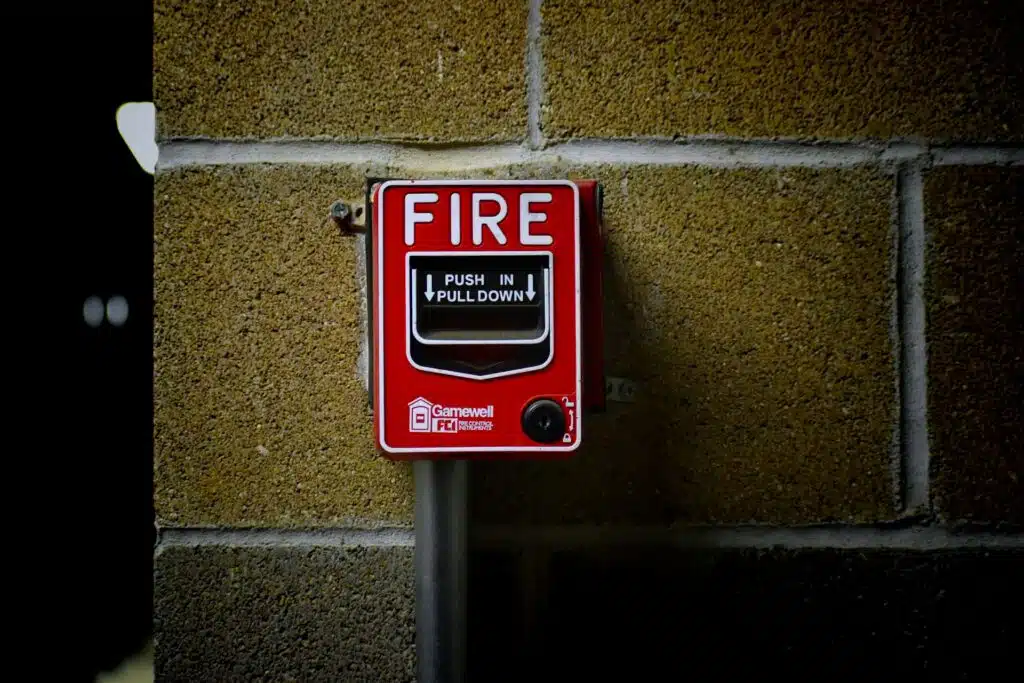
Let’s say you’re finally drifting off after a long day. The house is quiet. Your body sinks into the mattress. Then beep. Just one sharp sound from the fire alarm in the hallway. Your eyes snap open. Heart pounds. And there goes your shot at a good night’s sleep.
You know the drill. Fire alarm beeps randomly at the worst times, like 3 a.m. when everything else is dead silent. That chirp isn’t just annoying. It jolts you awake, spikes your stress, and leaves you staring at the ceiling for hours. If you’re dealing with back pain or sore joints already, good luck getting comfy again. We’ve all been there, tossing and turning while that noise echoes in your head.
Why Those Beeps Ruin More Than Your Mood
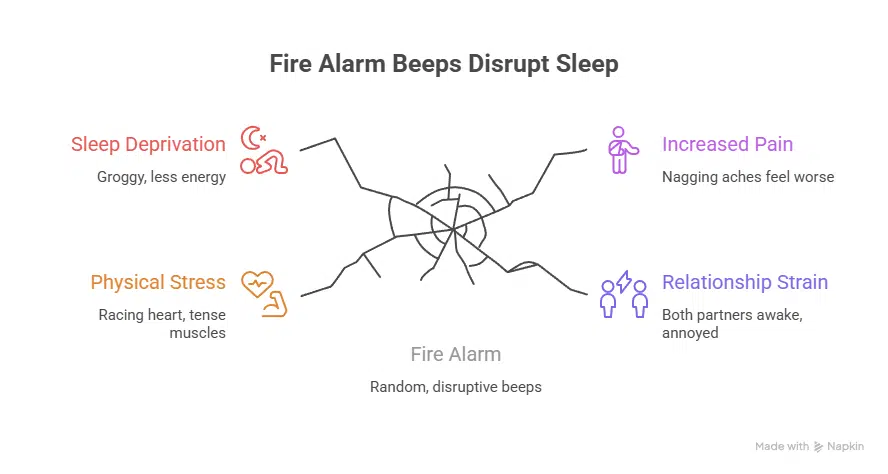
Those random fire alarm beeps mess with your whole body. Your heart races like you just ran a sprint. Adrenaline kicks in, even though there’s no real fire. Your muscles tense up. And if you have any nagging aches, they feel worse when you’re trying to settle back down.
Doctors say interrupted sleep like this adds up fast. It leaves you groggy the next day, with less energy and more irritation. For folks over 50, it’s even tougher. Your body needs deep rest to fight off everyday stiffness in your back or legs. That’s no way to start the morning. You deserve better than lying there mad at a dumb battery.
Think about your partner, too. One beep wakes both of you. Now you’re both wide awake, bumping elbows as you try to get comfortable. Quiet nights matter for everyone in the house.
How Fire Alarms Go Haywire
Most fire alarms chirp because of one simple thing: a dying battery. That low-power beep starts soft but gets louder over time. Dust buildup inside the unit can trigger false alarms too. Or maybe it’s too close to the kitchen or bathroom, picking up steam from a late-night shower.
Place them wrong, and they go off from cooking smells. Humidity in the air or bugs crawling inside – yeah, that happens more than you think. Point is, these alarms are built tough to keep you safe. But when they act up, they steal your rest without warning.
You might ignore it during the day. At night? Different story. The house quiets down, and suddenly that beep owns the room.
Step 1: Check and Swap That Battery Tonight
Grab a stool and get up there. Pop the cover, pull the old battery out, and slide in a fresh one. Do this for every alarm in the house (kitchen, hallway, bedrooms, basement). Test the button after. A quick chirp means it’s good. Silence? You’re set.
Do it right before bed for the next few nights. Fresh batteries often stop the random beeps cold. Change them twice a year, like when you switch your clocks for daylight saving time. Mark your calendar. It’s that easy to keep the peace.
If the beep comes back fast, the battery might not be the only issue. Move to the next steps. You’ll sleep like a rock knowing you’ve got this covered.
Step 2: Clean and Reposition for Good Measure
Dust is the enemy. Use a vacuum with the brush attachment or a soft cloth to wipe inside the alarm. No water – just dry and gentle. Bugs love hiding in there too. A quick clean clears that out.
Now look at where it’s mounted. Keep alarms at least 10 feet from stoves or bathrooms. High on the wall or ceiling works best, away from corners where air doesn’t flow. If it’s too low, cooking smoke sets it off. Too high in a drafty spot? Humidity plays tricks.
Relocate if you can. A little tweak like this stops most false alarms. Customers tell us they slept through the night solid after this fix alone.
Step 3: Test Your Whole Setup Weekly
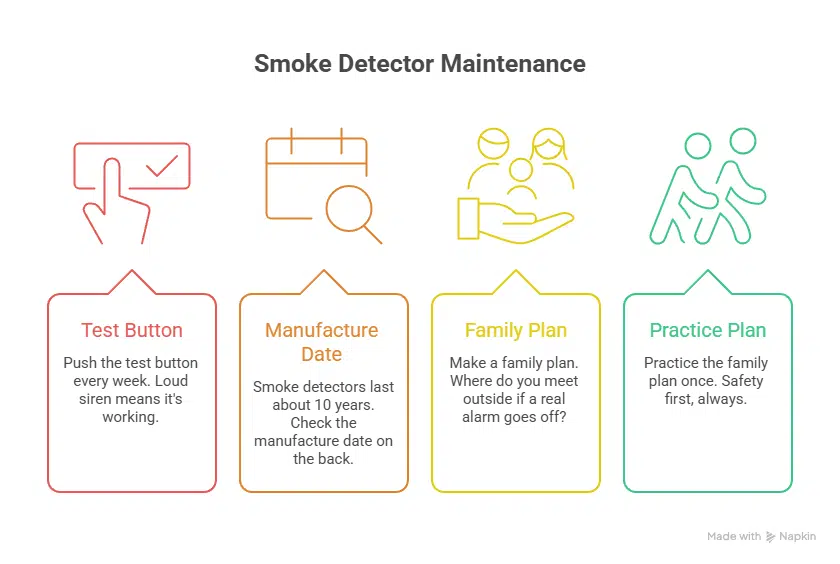
Push that test button every week. Loud siren? Perfect. No sound? Time for a new alarm. Smoke detectors last about 10 years. Check the manufacture date on the back. If it’s older, replace the whole unit.
While you’re at it, make a family plan. Where do you meet outside if a real alarm goes off? Practice it once. Safety first, always. Then you can relax knowing you’re protected, no beeps needed.
When the Noise Still Won’t Quit
Sometimes it’s wiring or a faulty sensor. Call an electrician if tests fail or beeps persist. Or if you’re renting, tell your landlord. Don’t let it drag on. A pro fix takes an hour and saves your sanity.
Newer alarms have hush buttons for steam or dust. Look for those models next time you shop. Battery backups keep them working even in a power outage. Smart choice for peace of mind.
Tie It Back to Your Best Sleep Ever
Fix the fire alarm noise, and you’ve cleared a big hurdle. But what if back pain or heartburn still keeps you up? That’s where an adjustable bed changes everything. At the touch of a button, raise your head and feet. It takes pressure off your lower back. Eases minor muscle aches from the day.
Doctors recommend this position for lots of folks. It helps with swelling in your legs. Cuts down on that nighttime heartburn that flares up when you’re flat. Even light snoring quiets when your airway opens up right. No more propping pillows that slide away.
Our Easy Rest beds let you dial in 1,001 positions. Sleep on your side without your shoulder screaming. Lie on your back with perfect spine support. Partners love it too; one side up for reflux, the other flat. Heat option melts away joint stiffness on tough nights.
Your Next Move for Noise-Free Nights
Start tonight. Check those batteries. Clean the units. Test everything. You’ll hear the difference, or rather, you won’t. Sweet silence. Don’t let fire alarm beeps steal another night. Take control. Get the rest you need. You’ve earned it.