
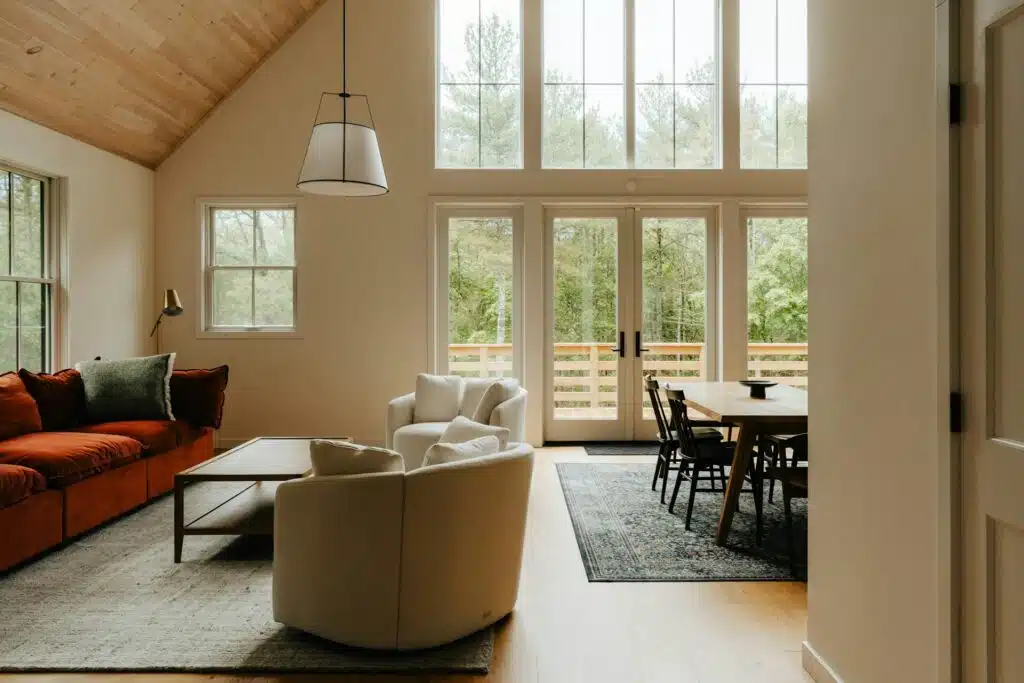
Ever walk into a room that just feels right? Not too hot, not too cold, and somehow calm enough to make you exhale. That kind of comfort doesn’t happen by accident. Designing spaces that feel good in every season takes a bit of thought — but none of what follows requires a massive renovation or deep pockets.
Whether summer heat is creeping through windows or winter chill is sneaking under doors, small changes add up. Below, we break down practical ways to keep every room in your house feeling balanced, restful, and welcoming no matter what month pops up on your calendar.
Start With What You Already Have
Before buying anything new, take a walk through your home. Notice where sunlight hits hardest during afternoon hours. Pay attention to rooms that feel stuffy or drafty at certain times of day.
Understanding how your house interacts with weather outside gives you a huge head start. For example:
- South-facing rooms (in the Southern Hemisphere) get more direct sunlight, so lighter curtains or blinds can reduce heat buildup
- Corners far from windows tend to feel cooler, making them great spots for cosy reading nooks in warmer months
- Hallways and doorways act as natural airways — keeping doors open helps circulate fresh air between spaces
Once you spot patterns, solutions become clearer. Sometimes all you need is rearranging furniture or swapping heavy drapes for something lighter.
Control Temperature Without Overcomplicating Things
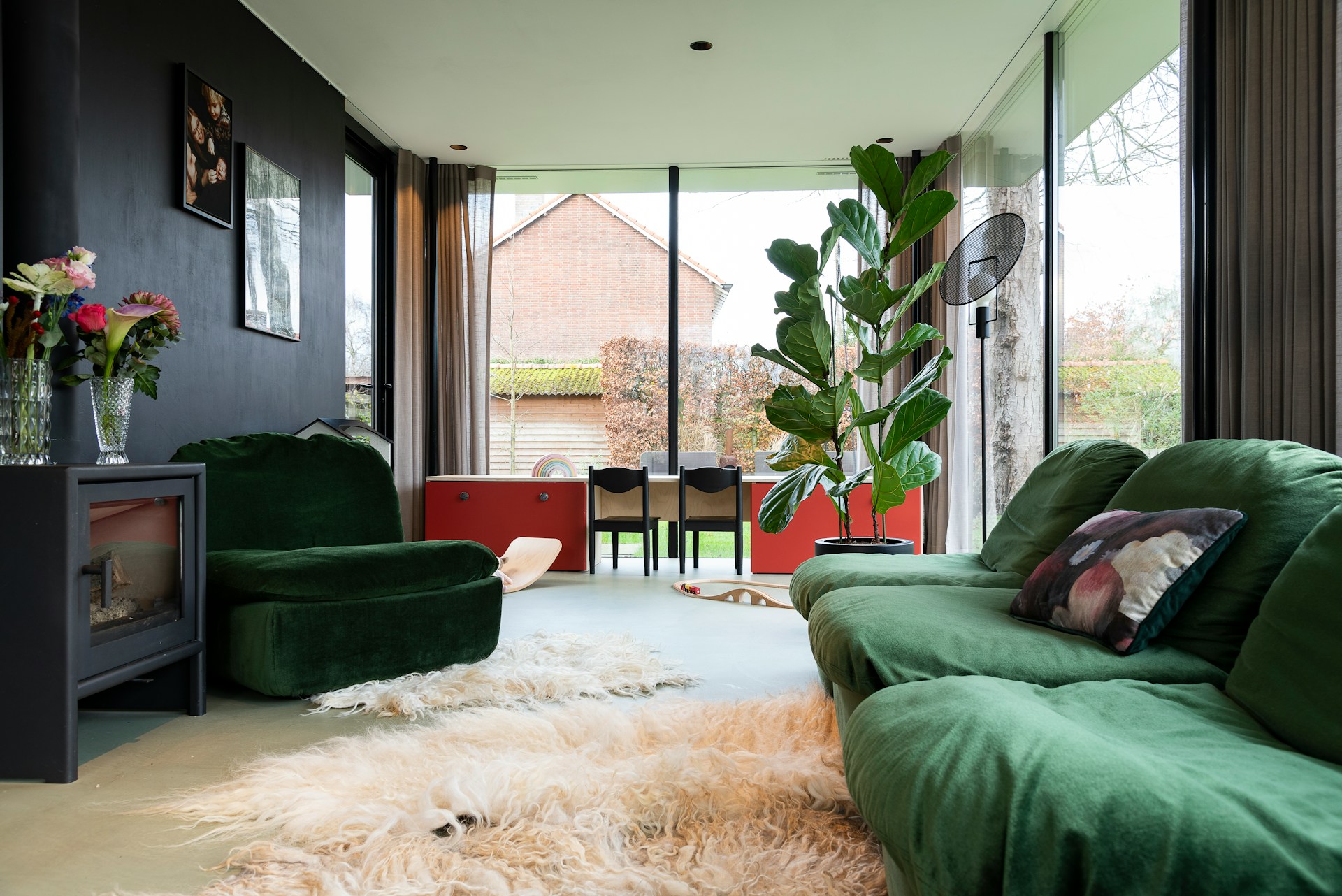
Heating and cooling play a massive role in year-round comfort. Still, many households rely on outdated systems or only think about climate control when extreme weather hits.
Getting ahead of seasonal shifts makes a real difference. Regular servicing of heating and cooling systems keeps energy bills lower and airflow consistent. Working with a trusted residential air conditioning company can also help ensure your setup matches your home’s layout and your family’s needs — especially if rooms vary in size or sun exposure.
Beyond mechanical systems, simple habits go a long way:
- Close blinds during peak sun hours in summer to reduce indoor heat
- Use ceiling fans in reverse mode during winter to push warm air downward
- Seal gaps around windows and doors with weatherstripping to prevent drafts
These steps cost very little but deliver noticeable results within days.
Choose Materials That Work With Every Season
Fabrics, flooring, and even wall finishes affect how warm or cool a space feels. Swapping out heavy bedding for breathable linen in spring creates instant relief. Adding layered throws and wool rugs when temperatures drop brings warmth without cranking up a heater.
Natural materials tend to regulate temperature better than synthetic options. Cotton, bamboo, and linen breathe well in heat while still offering softness during cooler nights. Timber floors stay cooler underfoot in summer, and pairing them with plush rugs in winter adds insulation right where you need it.
Colour also plays a surprising role. Lighter walls reflect more light and feel airier in warm weather.
Deeper tones absorb warmth and create cosy atmospheres when days get shorter. If you’re curious about how colour choices influence rest and relaxation, this guide on choosing calming bedroom colours offers some excellent starting points.
Think About Airflow and Ventilation
Stale air makes any room feel uncomfortable, regardless of temperature. Good ventilation keeps spaces fresh and prevents moisture buildup that leads to mold or musty smells.
Cross-ventilation works best when you open windows on opposite sides of a room. Even cracking two windows slightly creates enough movement to refresh stagnant air. In bathrooms and kitchens, exhaust fans pull out humidity before condensation settles on walls or ceilings.
For rooms without many windows, consider these options:
- Portable air purifiers improve quality while circulating air gently
- Indoor plants like peace lilies and snake plants naturally filter toxins
- Strategic placement of standing fans directs airflow where you need movement most
Ventilation often gets overlooked, yet fixing airflow problems can transform how a space feels almost overnight.
Create Zones for Different Activities
Comfort means something different depending on what you’re doing. Cooking dinner calls for good ventilation and bright task lighting. Winding down before bed calls for softer light, quieter surroundings, and cosy textures.
Designing distinct zones within your home helps each activity feel supported. Living areas benefit from adjustable lighting — dimmers let you shift from energetic brightness to mellow warmth as evening rolls in. Bedrooms work best when kept slightly cooler than living spaces, since lower temperatures support deeper sleep.
Even small apartments can benefit from zoning. A folding screen, different rug textures, or varied lighting setups create psychological boundaries between work, rest, and play. Making a space truly feel like yours — in every season — often comes down to these intentional details.
For more on building that sense of belonging in your surroundings, tips for making a new house feel like home are well worth exploring.
Don’t Forget About Humidity
Temperature gets all the attention, but humidity quietly shapes how comfortable we feel. High moisture levels make warm days feel sticky and oppressive. Low humidity dries out skin, irritates airways, and makes cold rooms feel even harsher.
Keeping indoor humidity between 30% and 50% hits a sweet spot for most people. Dehumidifiers help in damp climates or during rainy seasons. Humidifiers add moisture back during dry winters when heaters strip air of its natural balance.
Houseplants also contribute to steadier moisture levels. Grouping a few together near living areas adds greenery while gently releasing water vapour into surrounding air.
Wrap It Up With Routine Check-Ins
Homes change with the seasons — and so do our needs. What felt perfect in autumn might need tweaking once summer arrives. Setting a reminder each season to reassess curtains, bedding, ventilation, and climate systems keeps comfort consistent without last-minute scrambles.
Walk through each room, notice what feels off, and adjust. Swap out throws, open different windows, change fan directions, or book a professional system check. Small seasonal updates prevent bigger problems and keep your living environment tuned to how life actually unfolds.
Comfort at home isn’t about perfection. Focus on steady, thoughtful improvements, and your space will reward you with calm, restful energy all year long.