
I’ve spent enough Christmas Eves staring at the ceiling to know this isn’t just a kid problem anymore. My racing thoughts about tomorrow collide with children whisper-giggling through the wall at 11 PM every single year.
Learning how to fall asleep on Christmas Eve feels impossible when excitement and disrupted routines override every normal signal.
This guide breaks down why this particular night sabotages sleep for everyone in the house, regardless of age. It walks through proven strategies to help kids wind down by age group and practical techniques for adults battling racing thoughts.
The goal isn’t perfection but workable rest, the kind that actually happens when everything feels anything but restful.
Why Christmas Eve Sleep is Uniquely Difficult
Christmas Eve creates a perfect storm of sleep sabotage that regular insomnia advice can’t touch. Anticipation floods the brain with dopamine, the same neurochemical that makes scrolling feel addictive, except now it’s focused entirely on tomorrow.
This keeps thoughts looping: Did I wrap everything? Will they love it? What time should we start? Compound that with disrupted routines, late dinners, lingering guests, frantic last-minute prep, screens glowing past normal limits, and the body’s internal clock loses all anchor points.
It’s not just excitement. It’s excitement layered over exhaustion, routine collapse, and the pressure to make tomorrow flawless.
The combination makes falling asleep on Christmas Eve genuinely harder than any other night of the year.
How to Get Your Kids to Sleep on Christmas Eve?
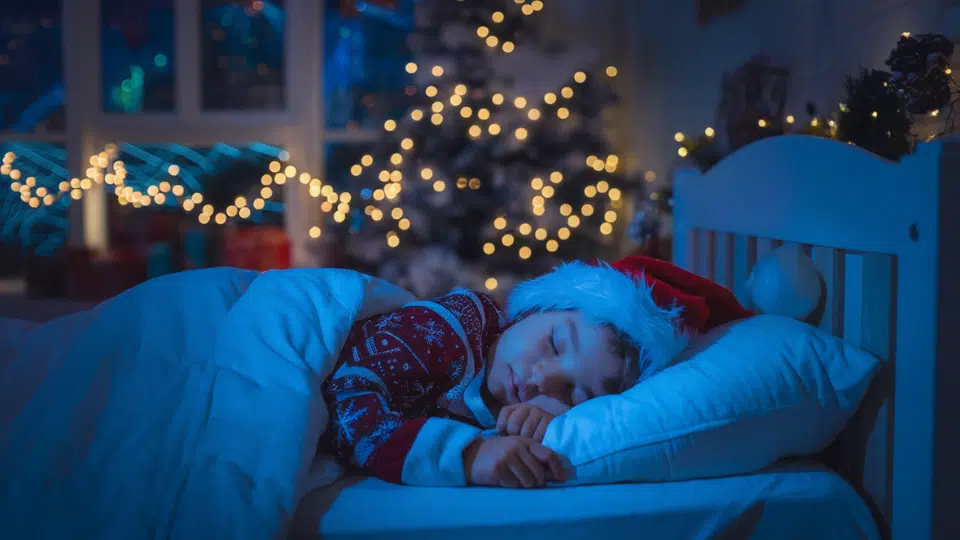
Kids don’t need more rules on Christmas Eve, they need structure that feels familiar even when everything else feels electric.
Toddlers & Young Kids (Ages 3-7)
- Keep the bedtime routine identical. Same bath time, same songs, same order. The predictability becomes the anchor when excitement threatens to derail everything. Don’t add special Christmas stories or elaborate rituals, save those for earlier in the evening.
- Move major excitement earlier in the day. Let them open one gift at 4 PM, bake cookies before dinner, or watch a holiday movie right after lunch. By bedtime, the peak has passed and energy curves downward naturally.
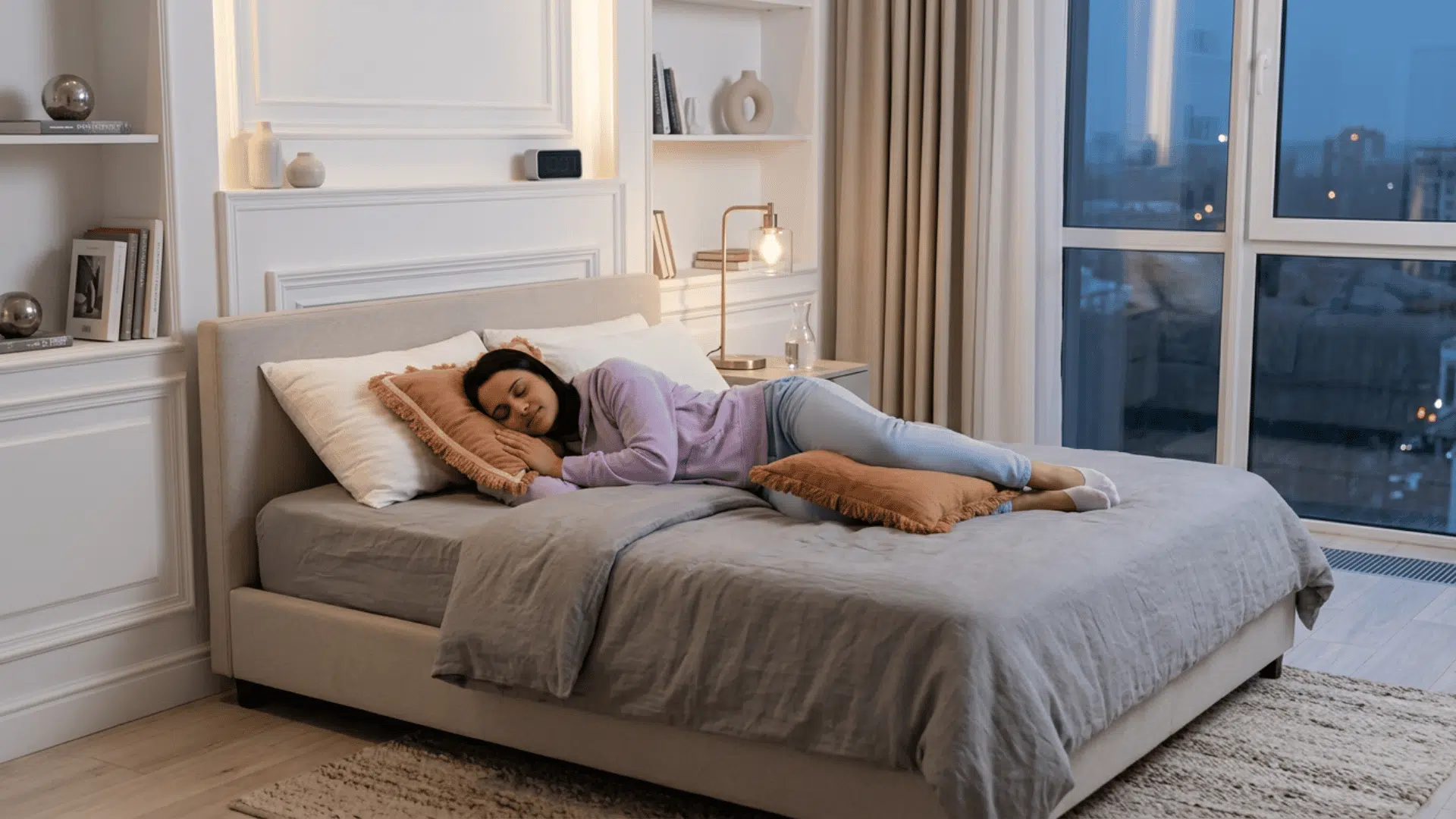
- Allow quiet wakefulness instead of demanding sleep. Tell them lying still with eyes closed counts as rest. This removes performance anxiety and often leads to actual sleep faster than “you MUST sleep now” pressure.
School Age (Ages 8-12)
- Focus on emotional regulation, not rule enforcement. Acknowledge their excitement as valid instead of dismissing it. “I know your brain feels buzzy, mine does too.” This normalizes the feeling and reduces the shame spiral that keeps them wired.
- Stick to one predictable Christmas Eve tradition. One story, one song, one holiday snack. More than that becomes stimulation disguised as tradition. Simplicity helps their nervous system settle.
- Reassure instead of rushing. Sit with them for an extra five minutes if needed. The investment in calm pays off faster than threats or bargaining about Santa watching.
Teens (Ages 13+)
- Acknowledge they know the truth. If they’re staying up to help wrap gifts or finish their own shopping, work with their autonomy instead of pretending they’re seven. Set a reasonable cutoff time together.
- Offer boundaries without control battles. “Phone down by midnight” feels collaborative. “Give me your phone NOW” invites rebellion. Teens sleep better when they feel respected, even on high-energy nights like this.
What Does NOT Work
- Using Santa as leverage. “Santa won’t come if you’re awake” creates anxiety, not sleepiness. Kids lie there terrified they’ll accidentally ruin Christmas, which activates their nervous system instead of calming it.
- Forcing sleep with pressure or threats. “If you don’t sleep RIGHT NOW…” makes sleep feel like a test they’re failing. The stress keeps them awake longer.
- Overstimulating bedtime routines. Adding extra books, special songs, or elaborate tucking-in ceremonies backfires. The novelty signals “something big is happening,” which re-energizes instead of soothing.
How to Fall Asleep on Christmas Eve as an Adult
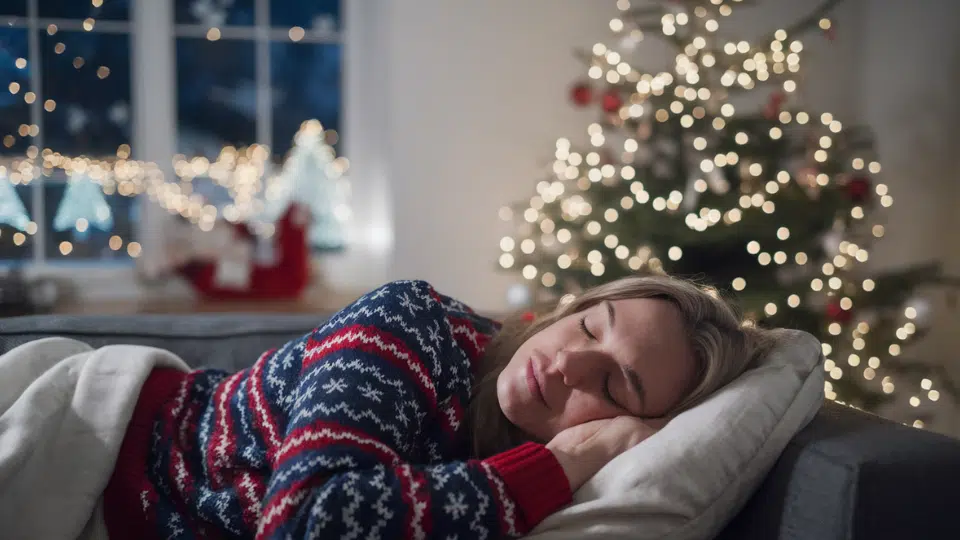
Adults need permission to stop performing and permission to rest imperfectly when Christmas Eve stretches late and tomorrow looms early.
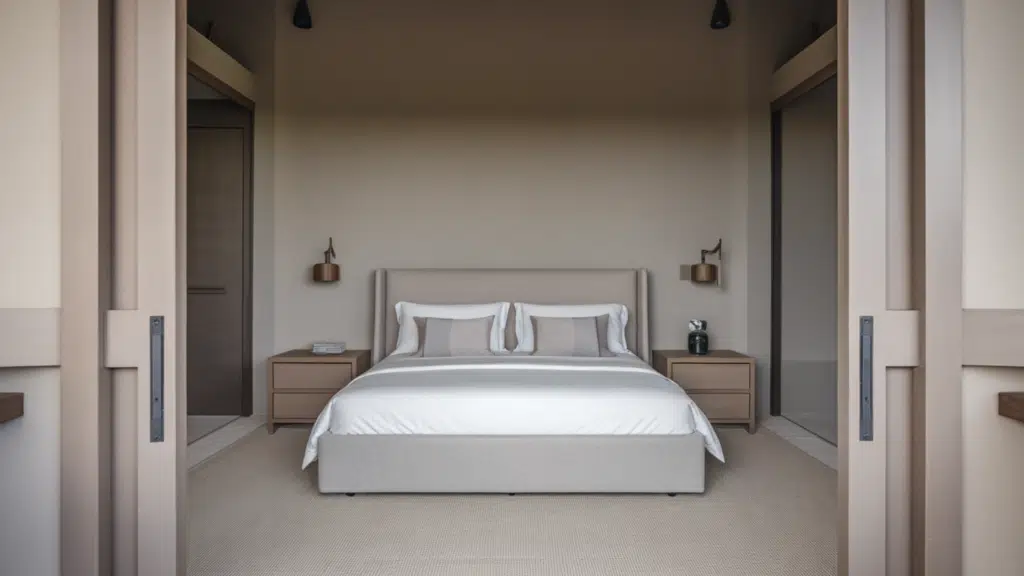
- Drop bedroom temperature to 65-68°F and block light from decorations with blackout curtains or an eye mask
- Start winding down 2-3 hours before bed with dimmed lights, not 20 minutes before, transition matters more than duration
- Use gentle mental distraction like audiobooks or sleep podcasts instead of silence, gives the brain something neutral instead of looping logistics
- Skip late-night screens and heavy food, both spike cortisol and fragment sleep quality hours later
Note: If still awake at 2 AM, get out of bed and do something boring in dim light for 15 minutes, then try again
One imperfect night won’t ruin Christmas morning. Tired still works, and tomorrow’s joy doesn’t require perfect rest to feel meaningful and present.
What If Nobody Sleeps?
When sleep plans fail completely, damage control matters more than disappointment. Here’s how to salvage Christmas Day on zero rest.
| If This Happens | Try This Instead |
|---|---|
| Kids wake at 4 AM won’t return to sleep | “Stay in room until 6 AM” rule with quiet coloring or audiobook. Dim light only, no screens. |
| You got 3 hours maximum | Skip big breakfast. Use paper plates, lean on coffee, let go of hosting perfection. |
| Everyone’s cranky by 10 AM | Call 30-minute quiet time in separate spaces. Not punishment—reset. Adults rest, kids read. |
| Toddler melts down from exhaustion | Move dinner earlier, allow late nap. Protecting their nervous system beats sticking to plans. |
| Running on fumes but need presence | Accept temporary fatigue. Hydrate hard, step outside twice for cold air, crash tonight. |
Tired Christmas still works. Managing the fallout beats pretending everyone got eight hours when nobody actually did at all.
The Bottom Line
Figuring out how to fall asleep on Christmas Eve isn’t about perfect rest, it’s about managing a challenging night with realistic strategies for kids and adults.
That might involve adjusting routines earlier, allowing quiet wakefulness instead of forced sleep, or accepting that tired still works.
The goal is workable rest when excitement and disruption collide. I’ve covered what makes this night hard, age-specific tips for helping kids wind down, practical techniques for adults dealing with overstimulation and routine collapse, and what to do when nobody sleeps well.
Take what fits, skip what doesn’t, and permit yourself to rest imperfectly.
What’s worked for you on Christmas Eve, or what disaster are you trying to avoid this year? Drop a comment below.