
When you notice ants on your kitchen counter or spiders in a quiet corner in your home, you feel like you no longer have complete control over your home. It usually begins small, but in no time at all, a handful of insects can turn into a nuisance you can’t stop noticing. During such times, most individuals want to attempt something simple and secure rather than go straight to strong treatments.
That is where natural pest control methods can be helpful. They provide a way to act quickly and deal with light pest levels with items you might already have around the house. Although they are not a complete solution for all problems, they can be a good initial step when you need to do something in an easy and practical manner.
Here are five simple remedies to try, and what you should know about each.
1. Use White Vinegar to Discourage Ants and Crawling Pests
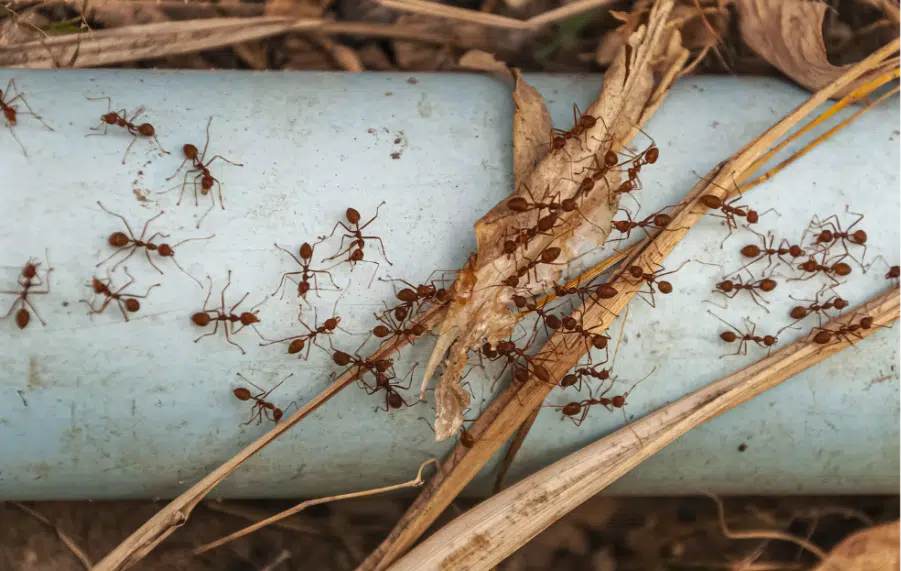
If you spot a line of ants heading toward your kitchen, white vinegar is one of the easiest remedies to try. A simple vinegar solution may help reduce light ant activity for a short time when the problem is still small. Mix equal parts white vinegar and water, then wipe the areas where you see ants traveling.
Why can this help? Ants leave scent trails to direct other ants along the same route as they walk, and wiping them down can disrupt this signal. Meanwhile, remove any crumbs, spills, and sticky surfaces, as food is the leading cause of ants coming back into the same location.
Keep in mind that vinegar only works as a temporary deterrent and does not remove an ant colony. If the ants continue to show up, inspect the possible entryways or look for hidden nests, or reach out to the experts such as Guardian Termite & Pest Control for a long-term solution. Their trained experts can accurately identify the source of the problem and treat it effectively.
2. Sprinkle Diatomaceous Earth Around Pest Entry Points
Diatomaceous earth is a simple powder you can use when you notice crawling insects around cracks, gaps, or corners. It can damage an insect’s outer layer, causing it to lose moisture over time. Apply a very thin layer around dry entry points and places where pests regularly travel.
Choose a product labeled for pest control and follow its directions carefully before applying it. Avoid breathing the dust while using it, and keep it away from areas where children or pets may come into contact with it. Because moisture reduces its effectiveness, check treated areas after cleaning or rain.
This remedy works best for occasional crawling pest activity in dry, undisturbed areas, and may not reach insects hiding inside walls or other hard-to-access spaces. If pests continue appearing, look for what is attracting them instead of simply adding more powder.
3. Try Peppermint Spray as a Short-Term Spider Deterrent
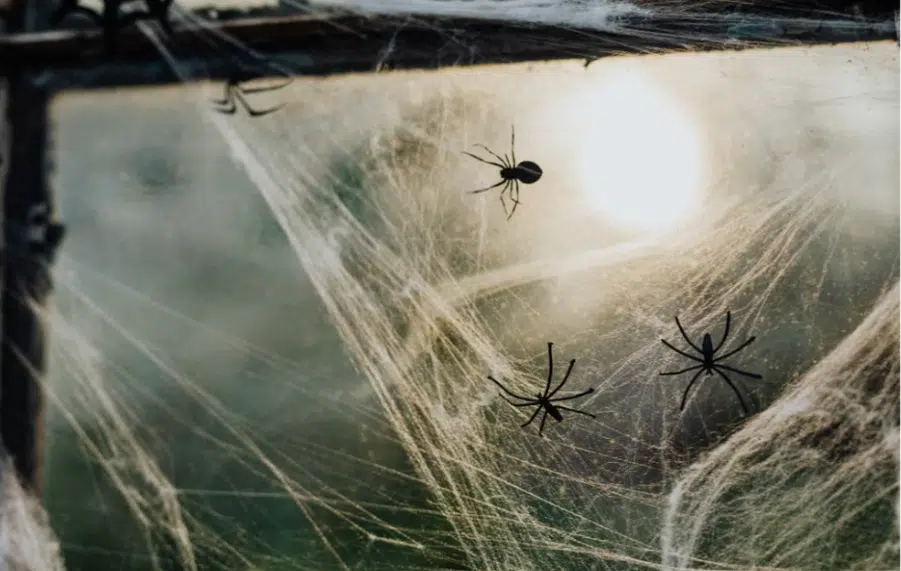
If spiders keep appearing around windows, corners, or storage areas, peppermint spray is a simple option you can try. Mix a few drops of peppermint oil with water in a spray bottle, shake it well, and lightly mist areas where spiders often appear. The strong scent may make these spaces less appealing to them.
Remember that peppermint spray is a deterrent, not a treatment for an established spider problem. Test a small area first, since essential oils can affect some surfaces, and avoid spraying the mixture directly on spiders. Keep the spray away from children and pets as well.
Make this approach more effective by removing webs and reducing places where spiders can hide. Clear clutter, organize storage areas, and seal small openings around windows and doors. If spiders keep returning, there may be insects or entry points nearby that need attention.
4. Remove Standing Water to Reduce Mosquitoes
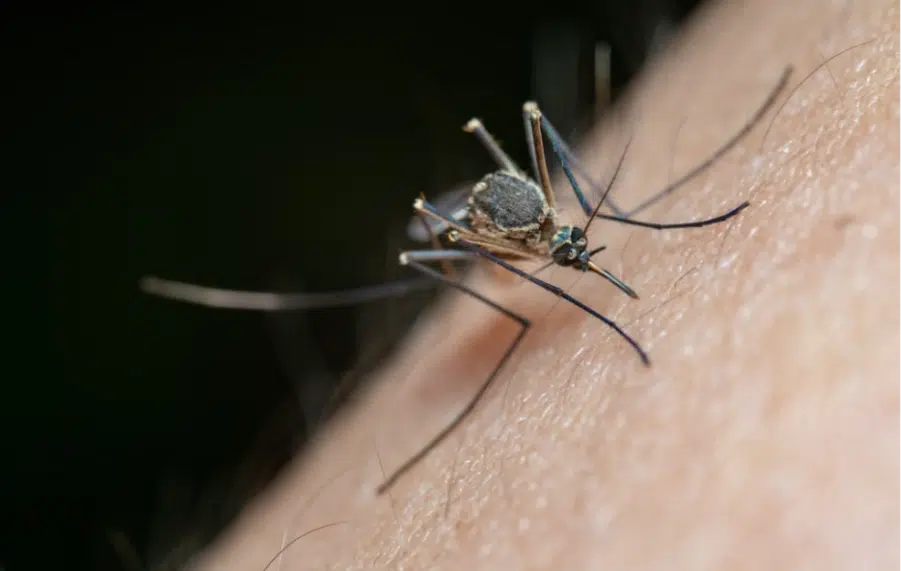
When mosquitoes are bothering you outside, start by checking your yard for standing water. Empty buckets, flowerpot saucers, toys, birdbaths, and other containers after rainfall, since even small amounts can give mosquitoes a place to lay eggs. Check these areas regularly, as water can collect again quickly.
Then look at less obvious spots, including clogged gutters, drains, old tires, and low areas in the yard. Keep containers covered when possible, change birdbath water regularly, and improve drainage where water tends to collect, removing some of the places mosquitoes need to reproduce.
Removing standing water will not stop every mosquito, especially when nearby properties have breeding areas, but it can reduce mosquito activity around your property. Window screens and protective clothing can also help make time outdoors more comfortable.
5. Keep Your Home Clean and Sealed to Discourage Rodents

For mice and rats, prevention starts with making your home harder to enter and less attractive once they get inside. Store food in sealed containers, clean crumbs quickly, cover trash, and avoid leaving pet food out overnight. Then inspect doors, pipes, vents, windows, and foundations for small openings.
Once you find a gap, seal it with a material suitable for rodent exclusion. Keep firewood, clutter, and thick plants away from exterior walls where possible, since these areas can give rodents shelter. These simple changes can make your property less inviting.
Cleaning and sealing help with prevention, but they may not be enough once rodents have already settled inside. Droppings, scratching sounds, gnaw marks, or repeated sightings can point to an active problem. In that case, finding how rodents are getting inside is an important step toward a lasting solution.
Conclusion
Natural pest control remedies can help when you are dealing with a few pests and want to start with simple steps at home. They work best when combined with good cleaning, proper storage, moisture control, and regular checks around your property.
Still, a remedy that works as a short-term deterrent may not solve a growing infestation. If pests keep returning or you notice signs of a larger problem, focus on finding the source rather than treating the visible pests alone. That approach can help you protect your home and decide when professional pest control is the right next step.