
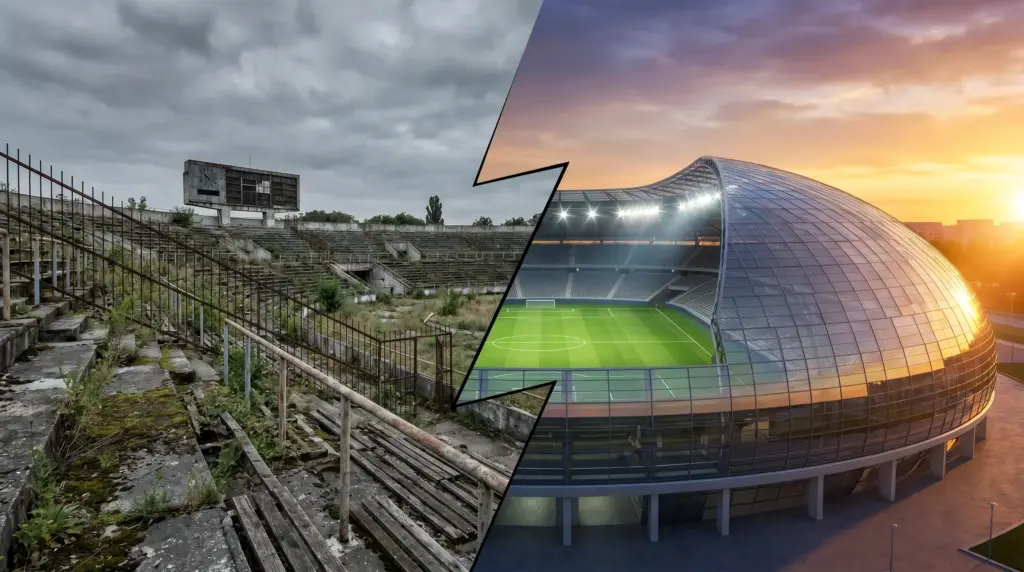
Newer arenas were built for international tournaments. These newer arenas are beginning to develop leaky roofs, old seats, inadequate transportation options, and decreasing interest. In contrast, many countries (Saudi Arabia & Qatar) are investing tens of billions of dollars in new arenas, training complexes, and sports districts. This disparity in old vs. new infrastructure is developing rapidly. Fans can tell right away by looking at poor playing conditions, bad facilities, and a lack of services around the stadium.
Aging Stadiums Reduce Matchday Quality
The stadiums that were once a source of pride are now often too old to provide the same level of quality that fans have come to expect from their sports experience. Supporters can now get updates on all the latest happenings at their favorite team(s) by accessing their phones and/or tablets with the download Melbet (Arabic: Melbet تحميل) because it allows them to view live scores, make bets, and review game stats while also eliminating the need for fans to deal with subpar venue conditions. All of this is made worse when compared to other modern stadiums built for Premier League or Champions League games.
The issue also affects finances. Sponsors prefer modern stadiums with advanced technology, hospitality zones, and premium advertising spaces. Clubs using outdated venues struggle to attract bigger crowds or host international events. Over time, declining infrastructure damages fan engagement, commercial revenue, and long-term league development.
Limited Investment Slows Facility Development
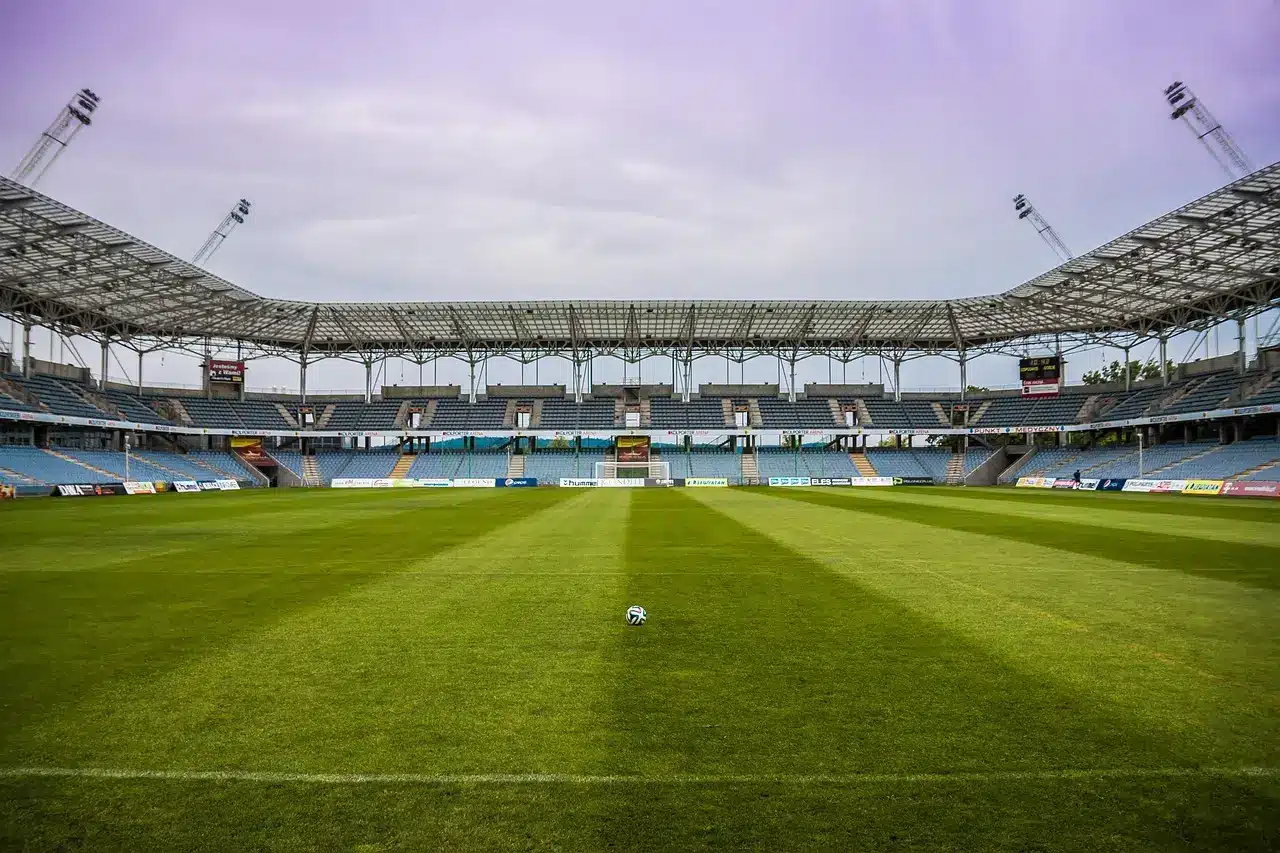
There are several reasons why many countries are unable to upgrade/replace their sports infrastructure. First, there is a lack of consistency in funding. Secondly, the funds that are allocated tend to be used for short-term projects rather than long-term sports development plans. Therefore, clubs and academies continue to operate with outdated facilities that limit athlete preparation and fan experience:
- Training grounds typically don’t have up-to-date recovery equipment.
- Smaller clubs cannot afford to renovate/up-grade their stadiums.
- Academy teams play on poor-quality pitches and in older gyms.
- Public sports facilities receive little/mostly no long-term maintenance funding.
This funding gap grows more apparent each year. Weaker countries continue to construct high-tech sports complexes, while others struggle properly to maintain existing infrastructure. In the end, this affects how young players develop as athletes and how competitive those countries are internationally, as well as how attractive they appear to host major sporting events and secure sponsorships.
Long-Term Planning Problems Hurt Infrastructure Growth
Infrastructure development in the world of sports does not occur solely based on one-time projects. Stadiums, academies, public transportation systems, and training complexes all take years if not decades to develop. Countries without long-term sports planning can spend billions on facilities that quickly become outdated because maintenance, technology upgrades, and youth development are often neglected. Long-term planning also affects how clubs prepare young athletes for competition abroad, attract sponsors, and compete against other clubs domestically/internationally. If a country does not invest continuously in its infrastructure and does not have an organized system for developing its infrastructure, then reversing the trend of declining infrastructure will be extremely difficult.
Youth Academies Frequently Lack Modern Equipment
Most youth academies still operate with outdated equipment that limits player development from an early age. Football communities on pages like MelBet Instagram Jordan often discuss modern training methods, match analysis, and youth talent development, showing how much attention advanced football systems now receive online. Many academies still lack recovery rooms, performance-tracking systems, nutrition facilities, and indoor training spaces. Young players may have natural talent, but many continue training in conditions far behind elite academies in Europe and the Gulf region.
Young players will clearly recognize this as they move from youth to professional status. Elite clubs have invested heavily in the latest technology (GPS tracking, recovery tools), video analysis software, and individualized fitness programs. Many smaller clubs utilize outdated facilities (older gyms), damaged pitch surfaces, minimal medical support, etc. The gaps in the type of equipment available will affect not only the overall quality of the stadium, but also the long-term development of the young athletes competing professionally.
Maintenance Costs Continue Rising Every Year
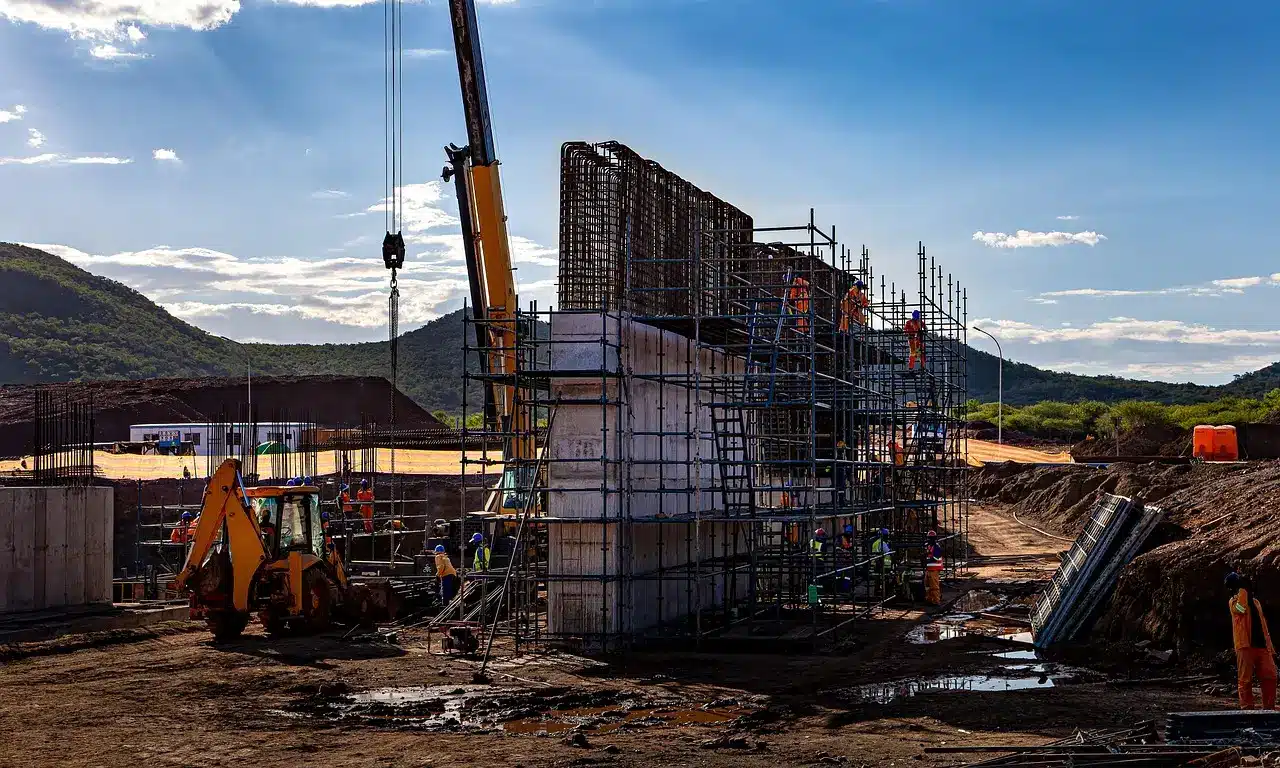
Maintenance expenses associated with maintaining a sports venue continue to rise for all types of entities involved (clubs/cities/governments). Older venues require ongoing repair work, updating technology, and operational expenses related to keeping the venue functional and safe for fans/athletes:
- Repairs/storm damage typically includes replacing roofs, repairing/sealing areas, and updating lighting systems.
- Costs associated with energy consumption and employee wages continue to increase for large sports venues.
- Modern recovery and medical equipment are required at training complexes.
- On going security system and broadcast technology updates are required.
Countries experiencing economic uncertainty/instability often put off making these necessary upgrades because their maintenance budget is limited. Over time, minor issues turn into major structural issues, negatively impacting attendance numbers, potential sponsorship revenue, and opportunities for hosting international events. Modern sports venues now require continued investment instead of simply performing periodic renovations.
Political Instability Delays Sports Projects
Economic/political instability often stops sports infrastructure developments before they are completed. Typically, construction/renovation of stadiums, improvement of transportation systems, and investments in youth academies all depend upon continued funding/support from governments. Once governments begin reducing budget allocations, experiencing inflation, or undergoing internal political upheaval, the funding streams needed to complete these projects are disrupted. Several countries delayed or cancelled significant sports developments due to budget reductions/inflation/internal politics disrupting funding plans:
Problem | Impact on Sports Infrastructure |
Economic crisis | Construction delays |
Government changes | Funding interruptions |
Political conflict | Reduced foreign investment |
These disruptions affect more than stadium construction alone. Clubs, athletes, and local communities lose access to better facilities, while international investors become less willing to support future projects in unstable environments.
Wealthier Nations Attract Major Sporting Events
Modern infrastructure gives wealthy nations an edge in global sports. Nations like Qatar, Saudi Arabia, and the UAE are securing their places as global sports players by acquiring the rights to host Formula 1 races, boxing, and football tournaments, and investing in stadiums, hotels, transportation, and entertainment. Event organizers prefer hosting in places that allow optimal comfort and ease of access for all involved, including the athletes, broadcasters, sponsors, and event attendees.
Major sporting events can boost tourism, sponsorships, and long-term economic growth for host countries. They also allow nations to showcase modern infrastructure, premium hospitality, and advanced broadcasting facilities to international audiences. Countries that are reluctant to modernize their infrastructure for major events tend to lose their ability to host sports.
Poor Transport Systems Affect Stadium Access
Match attendance and tourism are affected, even by the best modern stadiums, if the transport systems are not improved. If the transport systems, including the roads and public transport, are not working as they should, people would not be able to attend the matches. People would also not be able to enjoy games, even with improved stadiums, as they would be too frustrated to attend the matches. People remember the frustration they feel when going to events and would choose places that do provide the right transport systems if they can.
Transport issues impact sponsors, broadcasters, and foreign spectators of sporting events. Congestion near stadium precincts limits business and harms the image of local leagues or tournaments. Successful sporting environments expand beyond the venue and include the efficient use of Roads, Airports, Rail, and Public Transport.
Modern Infrastructure Shapes Future Sports Growth
Countries building modern sporting infrastructure today are preserving and building a competitive advantage for the long-term. State-of-the-art stadiums, academies, transport infrastructure, and training centers are all aimed at improving the development of athletes, the experience of fans, and the visibility of the market to the world. Strong infrastructure sustains the interest of sponsors, investors, and major sporting events, with all the associated economic and tourism benefits. Modern sporting growth is reliant on the development of facilities and proper planning as much as on the development of sporting talent.