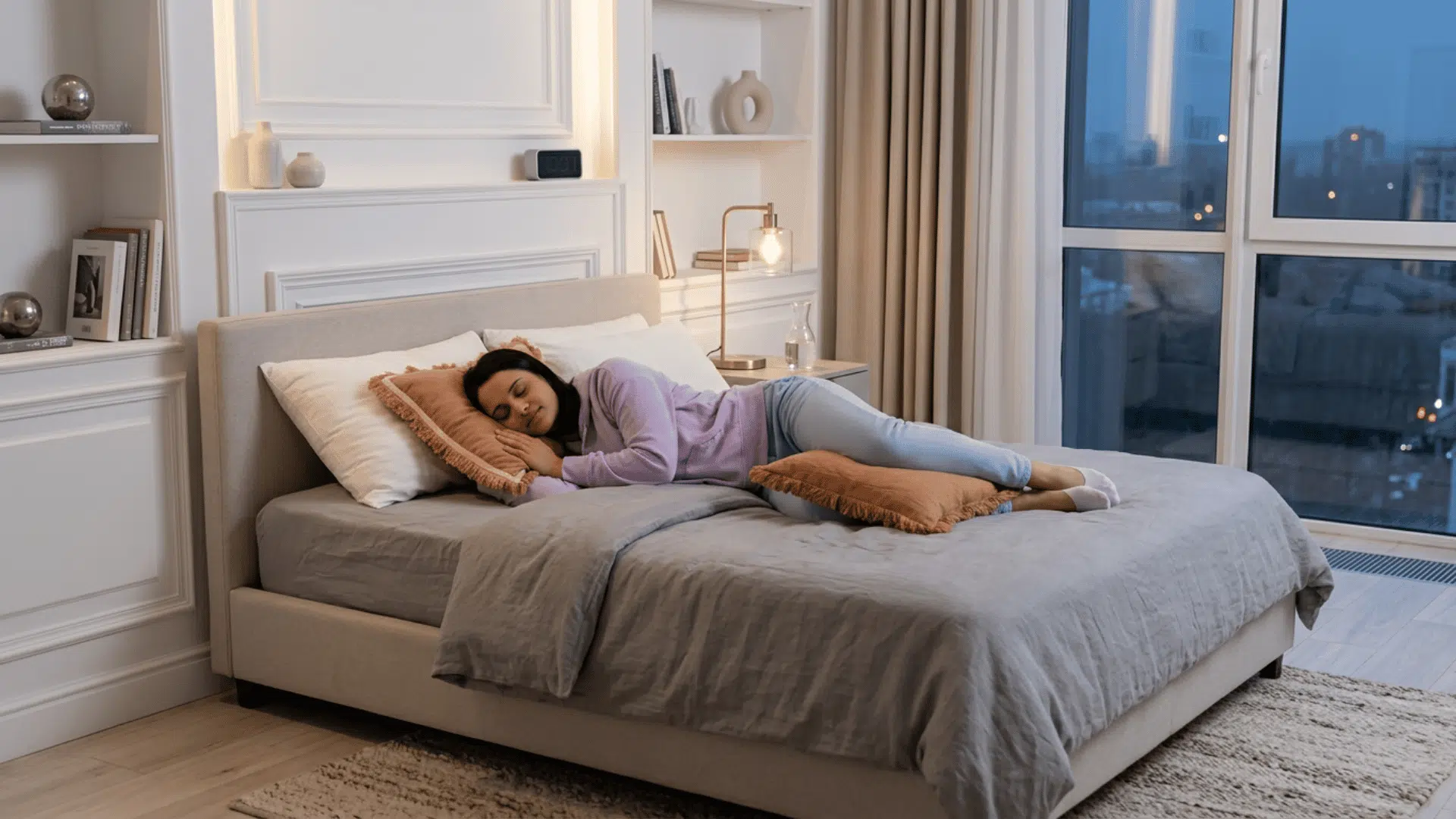
Sleep researchers consistently identify bedroom temperature as one of the strongest controllable factors in sleep quality. The body cools naturally as it transitions toward sleep, and a bedroom that supports that cooling produces deeper rest than one that fights it.
Service providers like Handy Bros note that bedroom comfort depends on more than just thermostat settings. The HVAC system’s ability to maintain steady temperatures, manage humidity, and deliver clean air through the night shapes how rested occupants feel each morning.
What Bedroom Temperature Actually Supports Sleep?
Most adults sleep best with bedroom temperatures between 60 and 67 degrees Fahrenheit (15 to 19 degrees Celsius). According to the National Sleep Foundation, this range supports the natural drop in core body temperature that initiates and maintains deep sleep.
Temperatures above this range disrupt the cooling process and produce fragmented sleep with more wake periods. Temperatures below this range can cause shivering and sleep disruption, particularly for people who keep light bedding.
Personal preference matters. Some people sleep better at the warmer end of the range, others at the cooler end. The reliable rule is that consistency matters more than exact temperature. A bedroom that holds steady at 65 degrees Fahrenheit through the night supports better sleep than one that fluctuates between 60 and 70.
How Should HVAC Schedule Around Sleep?
Smart thermostats let homeowners optimise temperature schedules around sleep without manually adjusting each night.
- Begin lowering bedroom temperature about 90 minutes before bedtime to support the body’s natural cooling process.
- Hold the cooler temperature through the deep-sleep hours, typically 11 PM to 5 AM for most adults.
- Begin warming the bedroom about 30 minutes before the desired wake time to ease the transition.
- Return to comfortable daytime temperatures during waking hours, but avoid running the bedroom warmer than the rest of the home.
- Maintain humidity in the 40 to 50 percent range to prevent dry-air discomfort and respiratory irritation.
- Run continuous low-speed ventilation if possible to maintain fresh air without disruptive cycling.
A schedule that mirrors these principles costs nothing to set up and produces measurably better sleep within the first week.
Why Does Air Quality Matter for Sleep?
Indoor air quality affects sleep in ways most people do not consciously notice. Allergens trigger night-time congestion that disrupts breathing. Dry air dehydrates respiratory passages and causes morning headaches. Stale air with elevated CO2 levels reduces sleep quality even at otherwise comfortable temperatures.
According to the Environmental Protection Agency, indoor air can be two to five times more polluted than outdoor air, and concentrations build up most in spaces where occupants spend continuous hours such as bedrooms.
A well-maintained HVAC system addresses these issues through filtration, ventilation, and humidity control. MERV 11 to 13 filters trap most allergens. Energy recovery ventilators bring fresh outdoor air into the home overnight without losing energy. Humidifiers prevent the dry-air symptoms that disrupt sleep in winter.
What Bedroom HVAC Upgrades Pay Back Fastest?
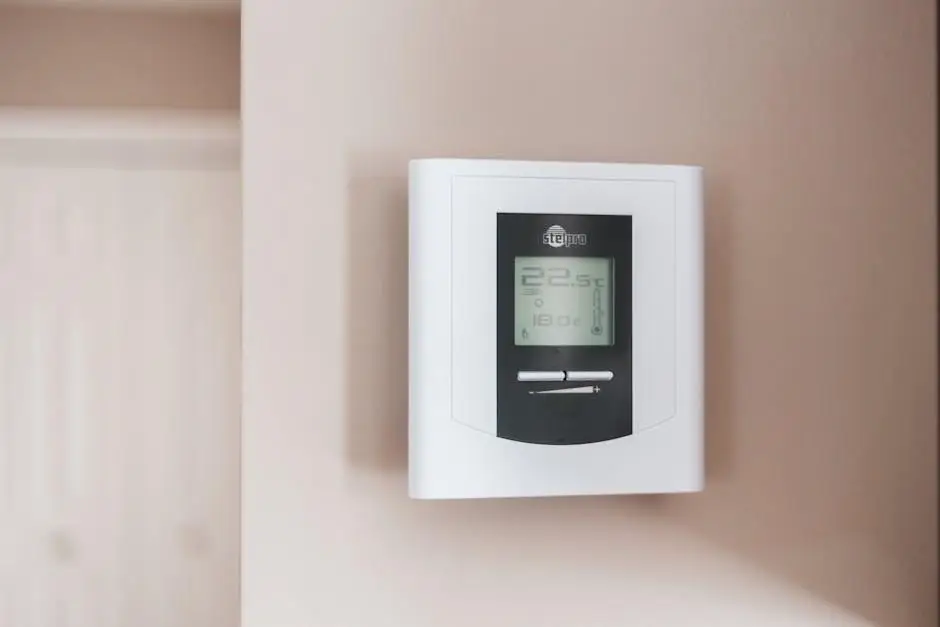
Several focused upgrades produce noticeable sleep improvements without major renovation.
- Smart thermostat with sleep schedule. The most accessible upgrade. Programs the temperature changes automatically each night.
- Bedroom zone control. Separate temperature management for bedrooms versus living areas matches how families actually use spaces.
- Quality air filtration. MERV 11 to 13 filters in central HVAC remove the allergens that cause night-time congestion.
- Whole-home humidifier. Maintains 40 to 50 percent humidity through dry winter months.
- HEPA-filter air purifier. Supplements central filtration in bedrooms where air quality matters most.
These upgrades work together. Each addresses a specific sleep disruptor, and the combined effect produces consistently better rest.
How Should Households Approach Bedroom HVAC?
The bedroom deserves more HVAC attention than other rooms because occupants spend continuous hours there with their bodies in their most vulnerable state.
Start with a sleep audit. Note temperatures and humidity using a basic monitor for a week. Identify whether the bedroom actually holds the right conditions through the night. Most homes find the bedroom drifts warmer than the thermostat setting suggests because the master thermostat is in a hallway or living area.
Address the largest gap first. If the bedroom runs too warm, prioritise temperature management. If air feels stale, prioritise ventilation. If allergies disrupt sleep, prioritise filtration. Trying to fix everything at once produces less impact than addressing the most significant problem decisively.
When the fix involves replacing a filter, fan motor, or other worn component, suppliers like Technical Hot & Cold Parts make it easy to find the right match for your system without waiting on a technician callout.
Schedule changes to align with the household’s actual sleep pattern. People who go to bed at 11 PM and wake at 7 AM should program HVAC to support that schedule, not generic templates that may not match.
Bedroom Sleep Comfort Checklist
- Most adults sleep best at 60 to 67 degrees Fahrenheit (15 to 19 Celsius).
- Consistency matters more than exact temperature within that range.
- Begin cooling the bedroom 90 minutes before bedtime and warming 30 minutes before wake time.
- Maintain humidity in the 40 to 50 percent range year-round.
- MERV 11 to 13 filters and adequate ventilation address the air quality factors that disrupt sleep.
- Bedroom zone control and smart thermostats deliver outsized returns for sleep quality.
Better Sleep Starts at the Thermostat
The conditions in a bedroom shape sleep quality more than mattress choice or sleep hygiene routines for most people. HVAC infrastructure and smart scheduling working together produce the consistent, comfortable, clean-air environment that the human body needs to rest fully. Get the foundation right and everything else about your sleep improves.
FAQ
What Is the Ideal Bedroom Temperature for Adults?
60 to 67 degrees Fahrenheit (15 to 19 degrees Celsius) for most adults. Personal preference within this range matters less than holding the temperature consistent through the night.
Should Bedroom Temperatures Be Cooler than The Rest of The Home?
Yes, generally. The body temperature drop that initiates sleep happens more easily in cooler bedrooms. Zone control or programmable thermostats let bedrooms run cooler than living areas overnight.
Does Hvac Noise Affect Sleep?
Yes. Cycling on and off, rattles, or vibrations disrupt sleep. Modern variable-speed equipment runs quietly and continuously, eliminating the cycling noise that interrupts older system operation.
How Can I Improve Bedroom Air Quality?
Use MERV 11 to 13 filters in central HVAC, run continuous low-speed ventilation, maintain 40 to 50 percent humidity, and consider a HEPA-filter air purifier as a supplement.