
When it comes to crafting the perfect bedroom oasis, comfort doesn’t have to come with a hefty price tag. With a bit of creativity and savvy shopping, you can design a serene sleep space that suits your budget. Don’t miss out on savings by exploring Latest Deals discount vouchers for cost-effective upgrades.
Choosing the Right Bedding
Bedding is where the “comfortable bedroom” idea either works… or falls apart. You can have fancy lamps and cute wall art, but if your sheets feel scratchy or your duvet makes you sweat, sleep quality takes the hit. The good news: you don’t need luxury labels to get it right.
Affordable Bedding Options (That Still Feels Good)
Start with sheets, because that’s what touches your skin.
Forget chasing the highest thread count like it’s a status symbol. A well-made, mid-range set can feel better than “cheap 1000 thread count” marketing.
- Cotton percale: Crisp, cool, breathable. Great if you run warm at night. Often cheaper than sateen and lasts well.
- Cotton sateen: Smoother, slightly warmer, a bit more “hotel-like.” Nice for colder sleepers.
- Brushed microfibre (done right): Usually the most budget-friendly. Soft immediately, easy care, but can trap heat—so not ideal if you overheat.
- Linen blends: Pure linen can be pricey, but blends show up in sales. Airy and relaxed-looking, good for temperature control.
Duvet/comforter: pick one that matches your climate, not your aesthetic.
If you can only upgrade one thing, upgrade what covers you.
- All-season duvet is often the best value—usable year-round with smart layering.
- Two-part “3-in-1” duvets (snap together) can be a budget win: light duvet for summer, thicker for winter, combined for cold snaps.
- Down alternative fill tends to be cheaper and allergy-friendly. Look for “hypoallergenic” or “microfibre fill” and avoid the super-flat ones that clump quickly.
Pillows are sneaky important (and you don’t need a pile of them).
Two good pillows beat six decorative ones every time.
- If you’re on your side, go firmer/higher loft to support your neck.
- If you’re a back sleeper, go medium so your head isn’t pushed forward.
- If you sleep on your front, keep it soft/low (or try no pillow) to avoid neck strain.
Budget tip: a washable pillow protector extends pillow life massively and costs very little.
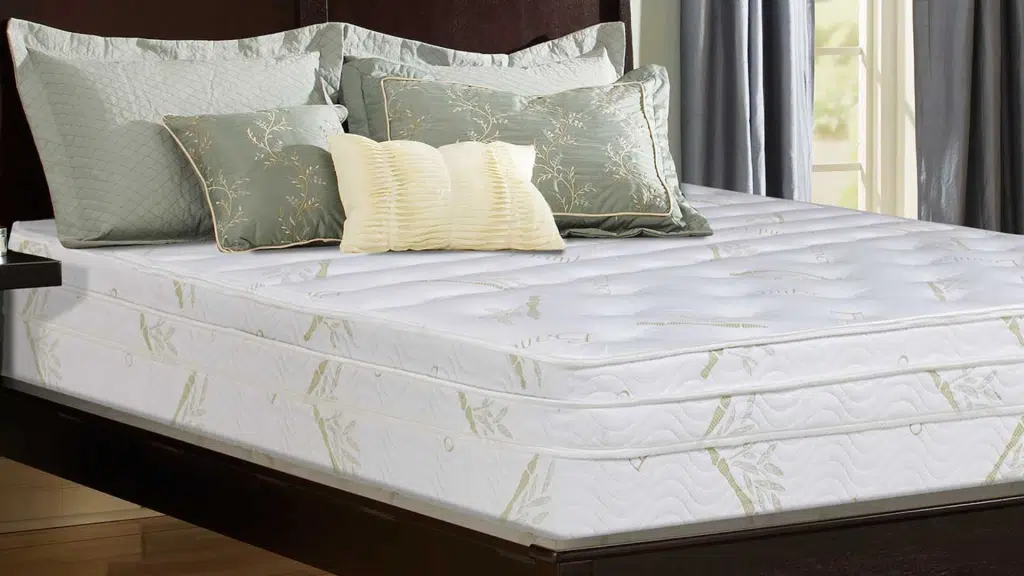
One cheap upgrade that feels expensive: add a mattress topper.
If your mattress is too firm, a topper can change everything without buying a new bed. Memory foam can sleep hot; a fibre-fill topper is usually cooler and cheaper.
Prioritizing Sleep Quality (What Matters More Than “Pretty”)
Comfort bedding isn’t just about softness—it’s about temperature, support, and consistency.
- Temperature regulation = deeper sleep. Breathable sheets and the right duvet tog/weight help you stop waking up sweaty or freezing at 3 a.m.
- Support prevents micro-wakeups. The wrong pillow can keep your neck tense all night, even if you don’t fully wake up.
- Clean bedding helps sleep feel effortless. Fresh sheets reduce irritation, allergens, and that “I can’t settle” feeling.
A simple budget rule: spend the most on what you touch and rely on:
- pillow (support) → 2) duvet/comforter (temperature) → 3) sheets (feel) → everything else.
You don’t need a showroom bed setup. You need bedding that suits how you sleep—cool or warm, firm or soft—and that’s where real comfort comes from.
Lighting: Set the Mood
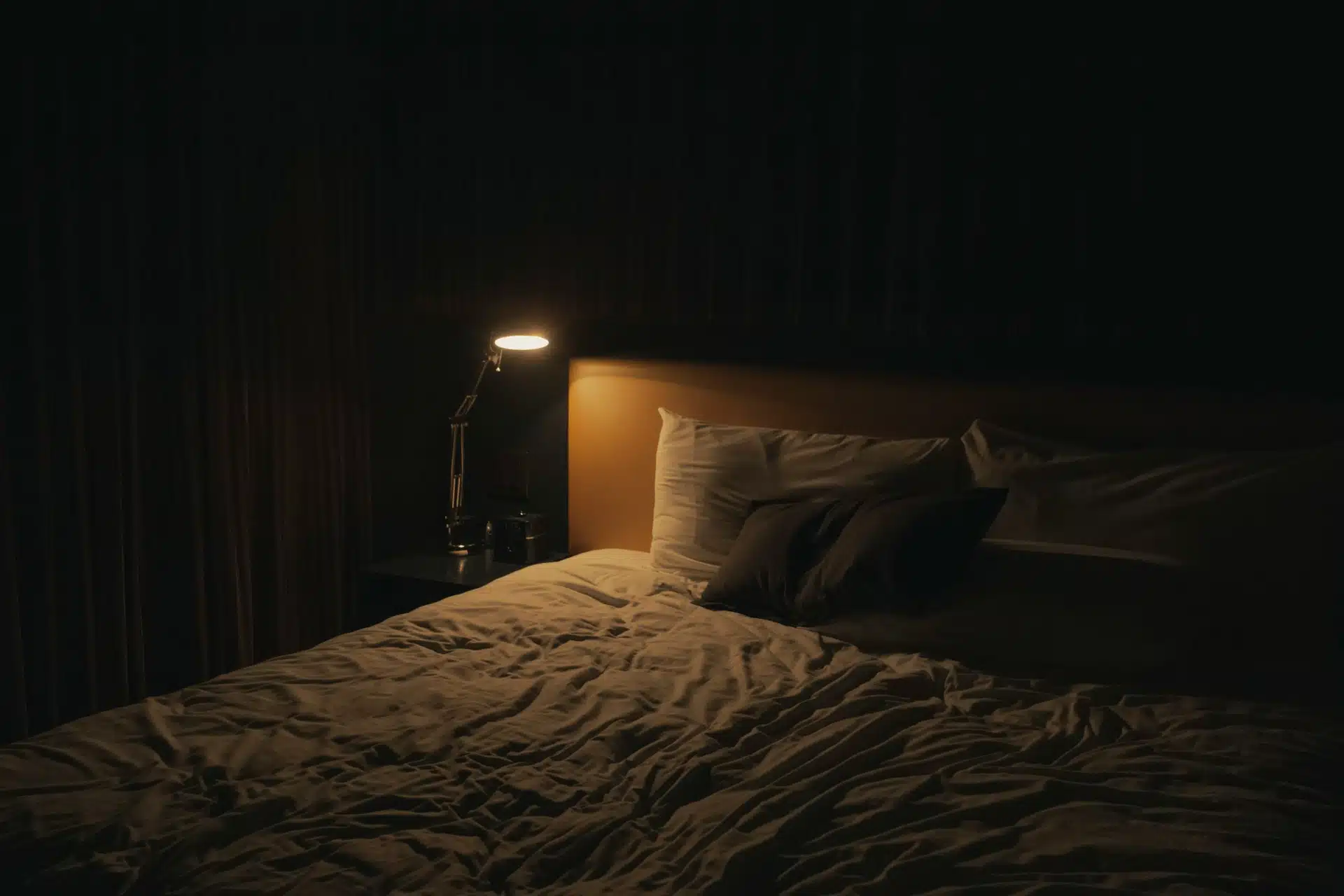
Lighting is the fastest way to make a bedroom feel either calm and cosy—or like a sad office. The goal is simple: soft, warm, and flexible. You want light you can dial down as your brain powers off.
As Tom Church, Co-Founder of LatestDeals.co.uk (a discount code platform), puts it: “Small lighting upgrades—like swapping to warm bulbs or adding a second lamp—can completely change how a room feels without costing much.”
Budget-Friendly Lighting Solutions
- Switch to warm bulbs (cheap, big impact).
Look for warm white bulbs (around 2700K–3000K). They’re easier on your eyes at night and make everything look more relaxing. If you can, grab dimmable bulbs—instant mood control without changing fixtures.
- Layer your lighting (without buying fancy stuff).
Don’t rely on one harsh ceiling light. Aim for two or three smaller light sources:
- A bedside lamp for reading/winding down
- A floor lamp in a corner to soften the room
- Optional: a small desk lamp on a dresser for gentle background light
Even budget lamps feel “designer” when they’re doing a specific job.
- Use plug-in wall lights or clip lamps.
If you’re short on space (or don’t want to buy matching bedside tables), clip-on lamps or plug-in sconces give you that hotel vibe for less.
- Add fairy lights sparingly, like seasoning.
A short string behind a headboard, along a shelf, or around a mirror can add warmth. Keep it subtle—this is a bedroom, not a festival tent.
- Don’t ignore the shade.
Light bouncing through a fabric shade is softer than a bare bulb. If your lamp looks too bright, a cheap shade (or even a warmer bulb) fixes it fast.
Natural Light Enhancement
- Use curtains strategically.
If you need darkness for sleep, go for blackout curtains—but you can still keep the room bright in the day by hanging them wide so the window is fully exposed when open. No new window treatments required, just smarter placement.
- Sheers = daytime calm.
Pairing sheer curtains with heavier ones gives privacy while still letting daylight in. If you can’t do both, even just sheers can make a room feel lighter and more “finished.”
- Mirror placement is a free brightness hack.
Put a mirror opposite or near the window to bounce daylight deeper into the room. It’s basically natural lighting amplification.
- Clean the glass and clear the sill.
Not glamorous, but it works. A clean window and an uncluttered windowsill can noticeably increase daylight and make the room feel less cramped.
Bottom line: warm bulbs, multiple soft light sources, and smarter use of daylight. Cheap changes, instant comfort, better wind-down.
Furniture: Functionality Meets Frugality
Good bedroom furniture isn’t about matching sets or fancy finishes. It comes down to two things:
- Helping you sleep
- Keeping the room easy to live in
If a piece doesn’t do one of those jobs, it’s probably an “extra.”
Essential Pieces vs. Extras
Start with the basics, and buy in this order.
1) The Non-Negotiables
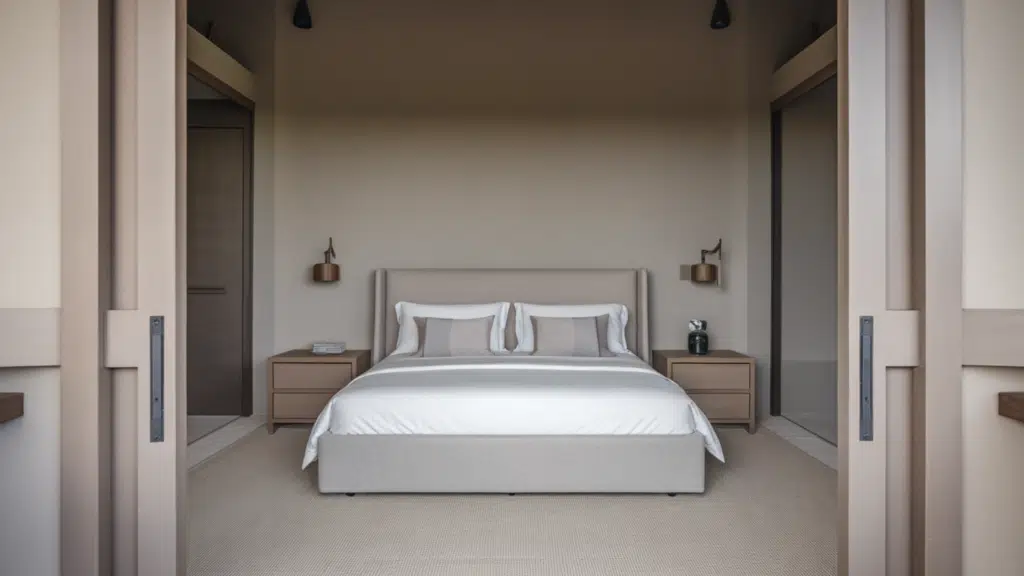
- A solid bed frame (or base)
If your mattress is on the floor, airflow is worse and the room can feel cramped fast. You don’t need luxury—just sturdy support that doesn’t squeak or wobble.
- Best value: simple platform frames or basic slatted bases
- A nightstand alternative
You really just need a surface for the real bedtime essentials:
- Water
- Phone/charger
- Lamp
- Book
If a proper nightstand isn’t in the budget, use:
- A small stool
- A floating shelf
- A stack of sturdy books
- A slim side table
- A clothes solution
Ideally a dresser or wardrobe, but don’t force it. If your closet already does the heavy lifting, consider:
- A cheap rail
- Wall hooks
- Under-bed bins
- Closet organizers (instead of bulky furniture)
2) The “Nice-to-Have” Trap
Everything below is optional—and it’s where budgets go to die:
- Bench at the end of the bed
Nice, not necessary. A simple basket for throws does the same job.
- Accent chair
Only worth it if you’ll actually use it (and it won’t become the “clean laundry chair”).
- Vanity / extra cabinets
Add these only after you’ve lived in the space long enough to know what storage you truly need.
Quick Rule of Thumb
If it does any of the following, it’s not helping your sleep:
- Adds clutter
- Blocks walking space
- Collects random stuff
Second-Hand and Upcycled Finds
Second-hand is the cheat code for bedroom furniture. You can often get better materials (real wood, sturdier joints) for the price of flimsy new flat-pack.
Where to Look
- Local marketplace apps
- Charity shops
- Car-boot sales
- Neighborhood “free” groups
Also watch for end-of-month moving periods—people practically give things away.
What to Hunt For
- Dressers and nightstands in real wood
Cosmetic scratches are easy. Structural issues aren’t.
- Older bed frames
Often stronger than budget new ones—just confirm all parts are included.
60-Second Inspection Checklist
Before you buy, check:
- Does it wobble when you push it?
- Do drawers slide without sticking or sagging?
- Any signs of woodworm, mold, or a musty smell?
- Are there missing screws/rails that would be a pain to replace?
What Not to Buy Second-Hand (Usually)
- Mattresses (hygiene + unknown wear)
- Upholstered headboards (unless you’re confident you can deep-clean them)
Low-Cost Upgrades That Look Intentional
Small changes can make thrifted pieces look “done,” not temporary.
- Swap the hardware
New knobs/handles can modernize a tired dresser in minutes.
- Paint or stain strategically
One clean coat in a calm neutral (or a deep, moody tone) is enough. Don’t overthink it.
- Use peel-and-stick liner inside drawers
Cheap, clean, and makes the piece feel “new.”
- Add felt pads to legs and drawer bottoms
Less noise, fewer floor scratches—small comfort win.
Bottom Line
Buy fewer pieces, buy sturdier pieces, and don’t be afraid of “ugly but solid.” With a little cleaning and one small upgrade, second-hand furniture can look high-end and feel better to live with—without eating your budget.
Declutter and Organize on a Dime
A comfortable bedroom isn’t just about what you add—it’s what you remove. Clutter steals space, collects dust, and quietly keeps your brain “on.” The good news: getting organized can be cheap, fast, and weirdly satisfying.
Creative Storage Solutions (Low-Cost, High-Impact)
Start With What You Already Have
Before buying bins, “shop” your home for:
- Spare shoeboxes
- Gift boxes
- Tote bags
- Old baskets
Matching containers are nice, but functional wins.
Use the Space You’re Not Using: Under the Bed
Under-bed storage is basically free real estate. Try:
- Flat plastic tubs (often the cheapest option)
- Vacuum bags for bulky bedding and out-of-season clothes
- An old suitcase (looks intentional and holds a lot)
Go Vertical With Hooks
Command hooks or simple wall hooks can hold:
- Robes
- Bags
- Headphones
- Even tomorrow’s outfit
This keeps things off the chair (you know the one). Removable adhesive hooks are renter-friendly.
Contain the Tiny Chaos With One Catch-All
Put a small dish or tray on your bedside table for:
- Keys
- Lip balm
- Chargers
- Earbuds
Containing small items prevents them from spreading across every surface.
Closet Upgrades That Cost Almost Nothing
Cheap tweaks can make a closet feel twice as usable:
- Double your hanging space
- Add a second tension rod
- Or use sturdy hooks/links to create a second row
- Switch to slim hangers
Multipacks are usually inexpensive and create instant room.
- Fold bulky knits
Sweaters do better folded than hung—less stretching, less mess.
Budget-Friendly “Nightstand” Options
If you don’t have a nightstand, you don’t need to buy furniture. Use:
- A small stool
- A crate
- A wall-mounted shelf
Same function, lower cost.
Label Like a Minimalist (Efficient > Aesthetic)
Keep it simple:
- Masking tape + a marker
- Labels like “cables,” “sleep stuff,” “winter,” etc.
It doesn’t have to look perfect—it just has to make finding things easy.
Benefits of a Clutter-Free Environment (Yes, It Helps Sleep)
Less Visual Noise = Less Mental Noise
Your brain reads mess as “unfinished business.” Clearer surfaces make the room feel calmer, even if nothing else changes.
Cleaner Air, Fewer Allergens
Dust loves piles. Fewer piles means easier cleaning—helpful if you wake up stuffy or sneezy.
A Smoother Bedtime Routine
When your space is organized, you waste less time hunting for:
- Your charger
- Eye mask
- Book
- Meds
Less friction = easier wind-down.
Your Room Feels Bigger
Even a small bedroom feels more breathable when:
- The floor is mostly clear
- Storage is contained
- Surfaces aren’t overloaded
Quick Rule to Keep It All Together
Aim for clear surfaces where you sleep:
- Bedside table
- Top of dresser
- Floor around the bed
You don’t need perfection—just a room that stops shouting at you when you’re trying to power down.
DIY Decor: Personal Touches for Less
You don’t need “designer” anything to make a bedroom feel warm and intentional. A few small DIY touches can make the space look pulled together, and—more importantly—feel like yours.
Simple DIY Projects
- Upgrade your pillows with envelope covers: Grab a couple metres of linen-look fabric (or repurpose an old duvet cover) and do a no-fuss envelope-style pillow cover. If you don’t sew, fabric tape or iron-on hemming web works surprisingly well.
- Paint a thrifted frame set: Mismatched frames look chaotic until they’re one colour. A single tester pot or bargain spray can turns a random bundle into a “gallery set.”
- Make a soft headboard substitute: No headboard? Fake it. Hang a large cushion panel, a folded quilt, or even a thick throw behind the bed using a curtain rod or removable hooks. It adds softness and stops the wall looking bare.
- DIY a bedside “tray moment”: A small tray (thrifted, charity shop, or even a nice plate) corrals essentials—book, lip balm, charger—so your bedside doesn’t become a clutter pit.
- Swap hardware for instant change: If you’ve got a plain chest of drawers, new knobs are the cheapest glow-up going. Check clearance bins, online multipacks, or even leather strap pulls you can make from an old belt.
Wall Decor on a Budget
- Print your own calm art: Search free public-domain artwork or minimalist line drawings, print them at home, and pop them in cheap frames. Keep it simple: two or three pieces beats a busy wall of random stuff.
- Photo wall, but tidy: Choose a theme (black-and-white, same filter, or all landscapes). Use matching sizes and line them up. Washi tape works if your landlord is allergic to nails.
- One big statement piece: A tapestry, scarf, or large fabric offcut can cover a lot of wall for not much money—and it softens the room acoustically too, which helps it feel more restful.
- Peel-and-stick accents (strategic, not everywhere): A small panel behind the bed or a strip inside a nook gives the “styled” vibe without the full-wall cost.
- Floating shelf as functional decor: A slim shelf with a plant, a candle, and one framed print looks intentional and keeps surfaces clear—good for your brain at bedtime.
Keep the DIY rule simple: pick a tight colour palette and repeat it two or three times around the room. That’s how “budget” starts looking like “planned.”
Scented Ambiance: Affordable Aromatherapy
Using Scents for Relaxation
Scent is a cheap shortcut to “ahh, safe, time to sleep.” You don’t need fancy diffusers or spa-level everything—just one or two small upgrades that you’ll actually use.
- Candles (but keep it simple): Look for soy or beeswax blends on sale, or even supermarket own-brand options. One candle can scent a whole room if you keep the bedroom door closed for 20 minutes before bed. Pro tip: blow it out before you sleep—sleep quality beats vibes.
- Essential oils without the gadget tax: Skip pricey diffusers. Add 2–4 drops to a bowl of hot water on your bedside table, or dab one drop onto a cotton ball tucked near (not on) your pillow.
- Room spray, DIY version: Mix water + a splash of cheap vodka (or witch hazel) + 10–15 drops essential oil in a small spray bottle. Mist curtains or a throw—fabric holds scent longer than air.
- Scented sachets: Dried lavender in a cloth bag (or even a tied-up sock—no judgment) in your drawer or under the bed keeps the room subtly calm without any flames or plugs.
Matching Scents to Mood
Not every “relaxing” scent works for everyone. Keep it low-stakes: buy one small bottle, test it for a week, then decide.
- For winding down (classic sleep mode):Lavender—cheap, widely available, and reliably soothing.
- For stressy, racing-brain nights:Bergamot or chamomile—soft, calming, less “perfume-y” than floral blends.
- For clean, fresh, hotel-sheet energy:Cedarwood or sandalwood-style blends—grounding, warm, not overly sweet.
- If you hate floral scents: Try vanilla (cozy) or a light eucalyptus blend (fresh), but keep eucalyptus subtle—too strong can feel like you’re sleeping in a cough drop.
A final rule that saves money and sleep: go light on intensity. If you can still strongly smell it after you’ve been in bed for 10 minutes, it’s probably too much. Subtle wins.
Flooring: Comfort from the Ground Up
Cold feet and a chilly room vibe can make even good bedding feel less inviting. The fix doesn’t have to be new carpet. A few smart, low-cost choices underfoot can make the whole bedroom feel warmer, quieter, and more “done.”
Rug Selection Tips
- Go for softness where it counts: If you’re buying just one rug, place it where your feet land first—next to the bed, or under the lower two-thirds of it. That’s the comfort payoff zone.
- Size matters more than pattern: A too-small rug looks awkward and doesn’t help much. Rule of thumb: aim for a rug that extends at least 45–60cm beyond the sides of the bed, or use two runners (one on each side) if that’s cheaper.
- Choose practical piles:
- Low-pile rugs are easier to vacuum and trap less dust (good for allergies).
- Medium-pile feels cosier but needs a bit more upkeep.
Avoid super-fluffy rugs if you hate fussing with vacuum settings.
- Don’t skip the rug pad: A cheap anti-slip underlay stops sliding, adds cushioning, and can make a thin rug feel thicker. It’s one of those small upgrades that punches above its price.
- Shop smarter, not pricier: Check clearance sections, end-of-line rolls, and second-hand listings. Many barely-used rugs get sold during moves. If you’re buying used, look for clean backing, no musty smell, and minimal shedding.
Caring for Floors Cheaply
- Vacuum little and often: Dust builds fast in bedrooms. A quick weekly pass helps rugs stay plush and keeps allergens down without needing pricey products.
- Spot-clean with basics: 대부분 stains can be handled with warm water + a small drop of washing-up liquid. Dab, don’t scrub (scrubbing pushes stains deeper and roughs up fibres).
- Deodorise without fancy sprays: Sprinkle bicarbonate of soda on rugs, leave 15–30 minutes, then vacuum. Cheap, effective, and no heavy fragrance.
- Protect high-wear zones: If you roll a chair, use an offcut of vinyl, a cheap mat, or even a flat-weave rug to prevent floor scuffs and carpet dents.
- For hard floors, keep it simple: A microfibre mop and a mild cleaner beats over-polishing. Too much product can leave floors sticky, which just attracts more dust.
- Fix squeaks on a budget: If you’ve got wood floor squeaks near the bed, a light dusting of talc/baby powder worked into the gaps can reduce noise short-term. Not glamorous, but it helps at 2am.
The goal isn’t “perfect flooring.” It’s warm, quiet, and comfortable—without spending like you’re renovating. A well-placed rug and basic upkeep can get you most of the way there.