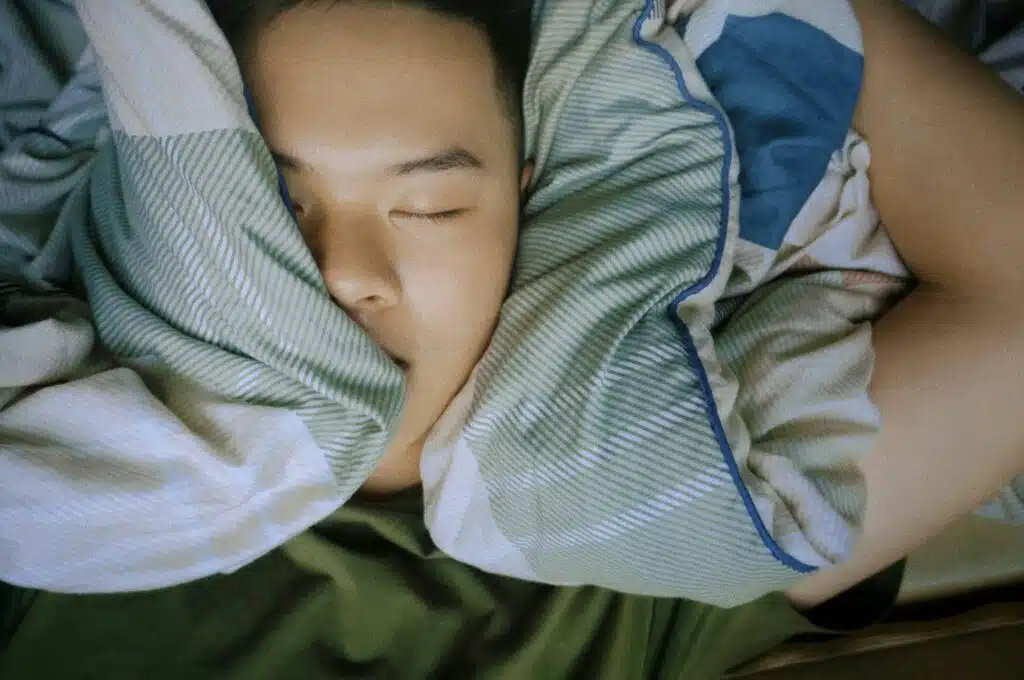
Sleep apnea has a reputation problem. Most people think of it as a condition that only affects overweight middle-aged men who snore loudly and wake up gasping. That narrow picture means millions of people are living with a serious sleep disorder and attributing every symptom to something else entirely. Stress. Aging. A busy schedule. Too much caffeine. Not enough exercise.
The reality is that sleep apnea is one of the most underdiagnosed conditions in modern medicine. Estimates suggest that up to 80 percent of moderate to severe cases in the United States remain undiagnosed. That is not a small gap. That is an epidemic hiding in plain sight, in bedrooms across the country, every single night.
What Is Actually Happening When You Sleep
To understand why sleep apnea is so easy to miss, it helps to understand what is actually happening in the body. In obstructive sleep apnea, the muscles in the throat relax during sleep to the point where the airway partially or completely collapses. Breathing stops. Oxygen levels drop. The brain registers the threat and briefly wakes the body enough to restore normal breathing.
This cycle can repeat dozens or even hundreds of times per night. The sleeper almost never fully wakes up and has no memory of it happening. They simply experience the downstream effects, and those effects are easy to misread.
The Signs That Are Easy to Miss
Waking up with headaches Morning headaches that clear within an hour or two of waking are a classic sign of nocturnal oxygen deprivation. Most people reach for ibuprofen and get on with their day without ever connecting the headache to what happened during the night.
Feeling unrested after a full night of sleep This is perhaps the most commonly dismissed symptom. When the body is repeatedly pulled out of deep sleep to restore breathing, it never completes the restorative cycles it needs. Eight hours in bed does not equal eight hours of quality sleep. The result is a persistent, unexplained fatigue that does not respond to earlier bedtimes or longer sleep durations.
Waking up with a dry mouth or sore throat When nasal breathing becomes obstructed during sleep, the body defaults to mouth breathing. A consistently dry mouth or scratchy throat upon waking is a direct signal that the airway is not functioning properly through the night.
Difficulty concentrating or memory problems Chronic sleep fragmentation impairs cognitive function in ways that are easy to attribute to stress or age. Brain fog, difficulty retaining information, and reduced focus are all consistent with the oxygen deprivation and sleep disruption that sleep apnea causes night after night.
Mood changes and increased irritability The emotional regulation centers of the brain are highly sensitive to sleep quality. People with undiagnosed sleep apnea frequently experience increased irritability, low mood, and heightened anxiety without understanding why their emotional baseline has shifted.
Waking up frequently to use the bathroom Nocturia, which means waking multiple times overnight to urinate, is associated with sleep apnea far more commonly than most people realize. The repeated awakenings and the physiological response to airway obstruction both contribute to this pattern.
You do not snore loudly This is the one that catches people most off guard. Not all sleep apnea involves dramatic snoring. Some people experience what is called silent sleep apnea, where the airway obstruction occurs without producing significant noise. Partners notice pauses in breathing rather than loud snores. Some people who sleep alone have no external signal at all.
Why the Gap Between Having It and Knowing It Is So Wide
Sleep apnea does not hurt. It does not produce obvious external symptoms during waking hours. It operates entirely in the background, during the hours when the conscious mind is offline. That invisibility is exactly what makes it so easy to live with unknowingly for years.
Add to that the fact that many primary care physicians are not specifically trained in sleep medicine and the diagnostic pathway is not always straightforward. Patients describe fatigue and mood changes at routine appointments and walk away with advice to reduce stress or improve sleep hygiene, without anyone exploring whether a structural airway issue is driving the symptoms.
When to Stop Guessing and Seek an Evaluation
If several of the signs above resonate with you, the most important step is getting an actual evaluation rather than continuing to manage symptoms in isolation. Modern sleep testing has become significantly more accessible. Home sleep studies can be conducted in your own bed without an overnight clinic stay, and results can guide a treatment plan without the invasive process people often imagine.
Searching for a sleep doctor near me is the starting point most people never take because they are not sure their symptoms are serious enough to warrant it. They almost always are. The threshold for evaluation is much lower than most people assume, and catching sleep apnea early has meaningful long-term consequences for cardiovascular health, cognitive function, and overall quality of life.
Treatment Has Changed Dramatically
For anyone who has avoided pursuing an evaluation because of concerns about CPAP therapy, it is worth knowing that treatment options have expanded significantly. Oral appliances, laser therapy, nasal breathing techniques, and airway-focused dental interventions are now established alternatives that many patients find far more sustainable than traditional CPAP.
The conversation about what treatment looks like is worth having before assuming the outcome. The signs your body has been sending you every morning are not random. They are consistent, they are specific, and they are worth taking seriously. The gap between having a problem and knowing you have it should not be as wide as it currently is.