
A restless night often stems from more than just a poor mattress or a busy mind. Small, uninvited guests like crumbs and moisture can attract pests that disrupt your bedroom sanctuary and create unnecessary stress before bed.
By building a few simple, research-based habits into your nightly routine, you can secure your home and protect your sleep environment from these common disturbances. Learning how to manage entry points and food sources allows you to focus on what matters most, which is achieving the deep and restorative rest you deserve.
Read on to discover how these five straightforward habits can help you reclaim your peace of mind and improve your sleep quality tonight.
1. The Nightly Crumb Sweep
Across the country, housing units frequently face pest issues that are especially common in households with lower incomes or those experiencing water leaks and structural damage.
A sixty-second kitchen and dining wipe-down before bed clears counters, stovetops, and floors of visible crumbs. Ants and rodents are most active after dark, meaning even a light dusting of food residue draws scouts inside. Knowing your kitchen is clean before you close your eyes removes a quiet layer of nighttime worry.
Salem’s wet climate drives moisture-seeking pests indoors throughout fall and winter. For residents managing seasonal shifts, consulting Salem pest control experts from Bug Zapper Pest Control provides insight into regional patterns. However, daily prevention starts with a clean kitchen that removes secondary attractants.
- Wipe counters and the stovetop with a damp cloth.
- Sweep or spot-mop any crumbs from the floor.
- Rinse pet dishes and store dry food in sealed containers.
- Take out food waste if a full trash bag is sitting overnight.
2. The One-Minute Moisture Check
A brief nightly scan of sinks, visible pipes, and under-sink cabinets checks for standing water or unexpected condensation. Moisture is a highly powerful attractant for common home invaders like spiders, silverfish, and ants.
Eliminating standing moisture shrinks their reason to stay considerably, preventing larger structural issues over time. The National Pest Management Association reports that termites are responsible for more than $5 billion in annual property damage throughout the United States.
The rainy season runs roughly from October through March, keeping regional humidity levels consistently high. Condensation under kitchen sinks, slow drips in bathroom cabinets, and damp basement corners are year-round concerns. Taking a moment to wipe sink basins dry after the last use of the evening goes a long way.
- Wipe sink basins dry after the last use of the evening.
- Open under-sink cabinet doors briefly and check for drips or pooling.
- Empty any decorative trays or plant saucers collecting water.
- Note any persistent drips on a weekend repair list rather than ignoring them.
3. The Set-It-and-Forget-It Entry Seal
Installing or checking door sweeps, weatherstripping, and window screen seals the home’s primary entry points. Gaps under exterior doors and torn window screens are entry corridors for spiders, stinging insects, and rodents. Once those gaps are sealed, the protection works passively every single night without any further effort.
Older homes are especially prone to gaps that widen with seasonal temperature changes. Wood swells and contracts, weatherstripping compresses over time, and screen mesh can tear without anyone noticing. A quick fall walkthrough before the rainy season is a smart home comfort investment.
- Walk each exterior door and look for visible light gaps at the base and sides.
- Test window screens by pressing gently to identify tears or loose frames.
- Check vent covers and crawl space screens for damage.
- Address small gaps with foam sealant or adhesive weatherstrip tape.
4. The 5-Item Declutter Rule
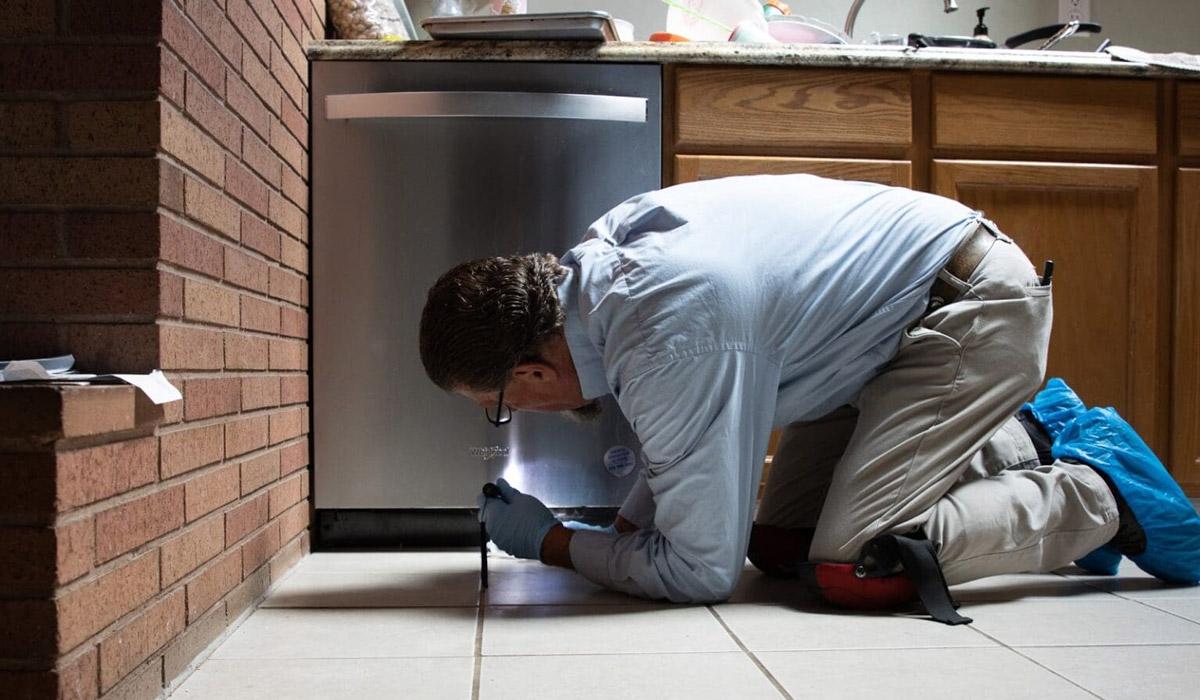
Photo from Bug Zapper Pest Control
Removing five unnecessary items from garages, sheds, or basement storage areas is a gradual way to reduce clutter. Clutter is not just a storage problem; it creates undisturbed harborage that rodents and spiders actively seek out. Reducing it gradually removes nesting opportunities and the low-level anxiety of unknown hiding spots.
Homeowners tend to lean heavily on garages and sheds for year-round storage. As temperatures drop in fall, rodents actively seek indoor shelter within these spaces. A cluttered garage with accessible wall gaps becomes a preferred destination for wintering pests.
- Choose one storage area per week.
- Remove five items to donate, recycle, or discard.
- Keep a clear floor zone of at least one foot along walls to eliminate hiding spots.
- Stack stored boxes on shelves rather than directly on the floor.
5. The Yard Boundary Blitz
Trimming vegetation touching the home’s exterior and clearing leaf accumulation disrupts pest pathways. Overgrown shrubs and debris piles directly against a home’s exterior act as both harborage sites and access bridges.
Insects and rodents move along vegetation lines to find entry points at the foundation. Disrupting those pathways reduces nighttime intrusions significantly. Lush greenery is beautiful, but moisture-retaining mulch pressed against foundations creates consistent vulnerabilities.
This habit is especially valuable heading into fall when pressure from rodents and spiders peaks. Simple landscaping adjustments ensure your home’s exterior remains secure.
- Pull mulch and soil back several inches from the foundation edge.
- Trim shrubs and tree branches so nothing touches the exterior walls or roof.
- Move woodpiles at least two feet away from the home.
- Clear gutters of organic debris monthly during the fall and winter seasons.
Calling in the Pros for Pest Control
These five habits are highly effective for keeping a sleep-friendly home comfortable through the seasons. However, there are times when an infestation has moved past the prevention stage. Recognizing early warning signs is a critical part of good home stewardship.
Consider reaching out to a professional when you notice ant trails that reappear consistently despite cleaning and moisture control. Scratching sounds in walls, stinging insect activity near vents, or increasing spider populations also warrant expert attention.
Evidence of rodent activity, such as droppings or disturbed insulation, requires immediate intervention.
- Ant trails that reappear consistently despite cleaning and moisture control.
- Scratching or rustling sounds in walls or ceilings, particularly at night.
- Stinging insect activity near eaves, vents, or entry points heading into summer.
- Spider populations are increasing despite exterior maintenance.
- Evidence of rodent activity, such as droppings, gnaw marks, or disturbed insulation.
For families requiring advanced intervention, selecting a service that prioritizes home safety is essential. Modern pest management approaches utilize targeted perimeter treatments to resolve persistent issues efficiently. Access to reliable expertise allows homeowners to restore home comfort without unnecessary stress.
The Bottom Line
A sleep-friendly home is not a luxury, but the baseline most families are quietly working toward every single night. These five habits do not require advanced expertise or a weekend’s worth of strenuous effort. They are small, consistent actions that compound over time, removing the conditions that invite pests in.
Taking proactive steps gives you one less thing to think about when the lights go off. Start with one habit tonight, build the rest gradually, and rely on certified local professionals when necessary. A calmer home and a restful night are entirely within your reach.
|
Author Profile: Bug Zapper Pest Control is the leading pest control provider of comprehensive pest management solutions for residential and commercial customers throughout Oregon. |
|---|