
Building a calming backyard sanctuary requires setting up comfortable seating, incorporating gentle natural soundscapes, and arranging privacy greenery using large planters. These elements instantly signal the nervous system to shift from a high-stress state into rest and recovery.
Adding warm ambient lighting and a consistent decaf evening routine further reinforces this space as a daily tool for sleep preparation. Your outdoor space is one of the most powerful wind-down tools available.
Nature Heals the Mind
The human nervous system pays close attention to its environment, responding faster than the conscious mind does. When stepping outside into cooler air and watching the light shift at dusk, the body begins moving from sympathetic mode into parasympathetic mode. That physiological shift is the foundation of stress reduction. Natural environments trigger it automatically without the need for rigid meditation protocols.
Research supports what many feel instinctively about natural environments. A study published by the NIH observed a statistically significant positive effect of urban green exercise on mental health.
Separately, consistent evening routines signal to the brain that the day is genuinely over. Fresh air, reduced screen exposure, and visible greenery provide the cues the nervous system needs to initiate rest.
Read on to discover how these easy changes can help you finally achieve the peaceful rest you deserve.
1. Adopt a 10-Minute Decaf Evening Routine
The process of making a warm drink provides a powerful transition from daytime productivity to evening rest. Brewing, holding, and sipping a warm beverage signals the body that the workday is complete.
Choosing a batch of decaf coffee from Bones Coffee Company ensures this ritual provides comfort without introducing sleep-disrupting stimulants. By selecting flavorful options, the evening drink becomes a genuine treat that you can look forward to every night.
This routine requires no special setup and can be implemented immediately. Leave digital devices inside and step outside to your prepared seat. Take slow breaths, notice the air temperature, and warm the mug in both hands before taking the first sip. Maintain no agenda and simply allow the sounds of your environment to replace mental chatter.
Ten minutes is generally enough to shift mental states safely. A consistent bedtime routine results in significant reductions in problematic sleep behaviors. For maintenance, water large containers when the top inch of soil feels dry and keep water features topped up. Real maintenance is surprisingly minimal when you establish these simple habits.
2. Create Seating and Privacy With Large Outdoor Planters

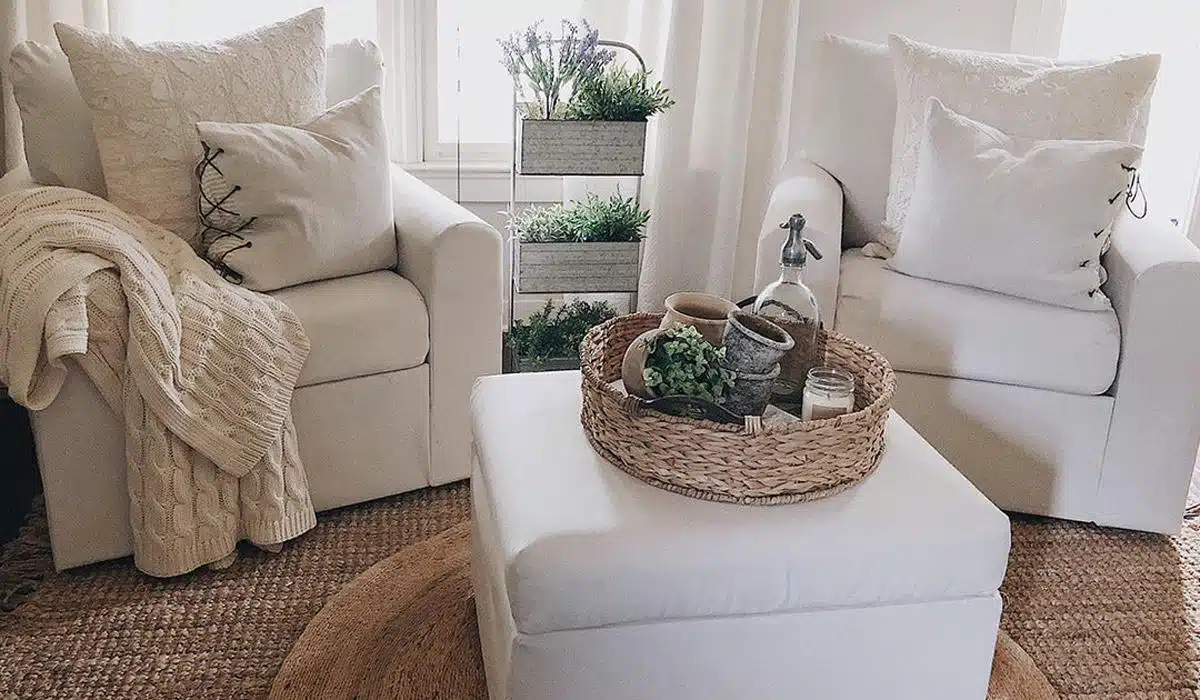
Photo from The Blissful Place
Before anything else, a sanctuary requires one good seat to serve as your foundation. Whether it is a cushioned Adirondack chair or a simple daybed, the seating choice tells the body that the space is for rest.
Adding a side table to hold a mug or draping a soft outdoor blanket over the arm transforms a basic chair into a personal nook. These tactile layers make the space feel highly intentional.
Privacy is psychological before it is physical. Even partial screening creates a sense of enclosure that makes outdoor relaxation feel intimate and safe. Strategic placement and proper containers eliminate the need for heavy construction or tall fences. Exposure to green spaces significantly and negatively predicts perceived stress, making greenery essential.
Grouping The Blissful Place’s large outdoor planters frames a seating nook perfectly while creating a natural boundary for your retreat. Low-maintenance plants thrive in these durable containers and provide immediate texture to your sanctuary.
- Dwarf bamboo for visual privacy
- Evergreen boxwood for classic appeal
- Lavender for calming scents
- Snake plant for a sculptural aesthetic
- Trailing ivy to soften hard container edges
3. Layer Gentle Sound and Ambient Lighting
Sound reaches the nervous system incredibly quickly, making it a highly effective tool for shifting mental states. Moving water has a particularly measurable effect on reducing stress and masking neighborhood noise. Position the sound source close enough to hear clearly, but not so loud that it becomes competing background noise.
The goal is to create sensory texture rather than high volume. Practical options for adding sensory layers are easy to implement. These choices require minimal setup and maintenance.
- Tabletop fountain for gentle water sounds
- Wind chimes near a doorway
- Solar string lights draped along a fence
- LED lanterns placed at ground level
- Pillar candles in hurricane holders
Bright overhead lighting and blue-spectrum LEDs tell the brain it is still midday. Warm, dim, low-placed light sends the opposite message, signaling the body to prepare for rest. In an evening sanctuary, the goal is always ambiance over heavy illumination.
The Bottom Line
Creating a calming space does not require a sprawling garden or a professional landscaping plan. A single comfortable chair, a container filled with greenery, and warm light strung along a fence are entirely sufficient. Pairing these with a comforting evening beverage builds a highly effective retreat.
The most important part of the process is simply taking the first step outside. Allowing the nervous system to respond to the natural environment is incredibly powerful. By curating sensory elements like sound and privacy, any patio becomes a reliable tool for stress reduction. Better sleep and deeper relaxation often begin just a few steps out the back door.