
For a lot of people, beauty is starting to look less like a collection of quick fixes and more like a system they want to live with comfortably. Instead of signing up for endless upkeep, many are looking at options like bikini laser hair removal and other treatments that can reduce how often they have to repeat the same task over and over again.
That shift is not just about appearance. It is also about time, routine fatigue, comfort, and the desire to feel put together without giving half the week to maintenance. People are not necessarily doing more in the name of beauty. In many cases, they are trying to do less but get better, longer-lasting results.
Convenience Is No Longer a Small Perk
There was a time when beauty maintenance was treated as something you just accepted, and that still works for some people. But for others, it now feels inefficient in the same way an overcomplicated morning routine feels inefficient. It takes energy before the day has even properly started.
Most people are juggling work, errands, family responsibilities, social plans, and the low-level admin of being an adult. Anything that removes friction from the routine starts to feel valuable.
Beauty Is Being Folded into a Bigger Routine
Another reason these options are gaining traction is that beauty is increasingly being treated as part of a broader personal care system rather than a separate category.

[Source: Euromonitor International]
That helps explain why people are thinking differently about maintenance. If a routine affects how calm, confident, or prepared someone feels, then the routine itself starts to matter almost as much as the visible result. A low-friction routine can feel more sustainable and kinder to your day.
This is where beauty overlaps naturally with wellness and lifestyle. A person who wants simpler mornings or less irritation from constant shaving or heavy product layering is not simply being vain.
Think about the difference between a routine that needs daily correction and one that mostly holds its shape. The second option tends to create mental relief. You do not have to remember or fix as much.
Different choices suit different people, but the underlying motivation is often the same: less maintenance, more payoff.
People Are Prioritizing Results Over Novelty
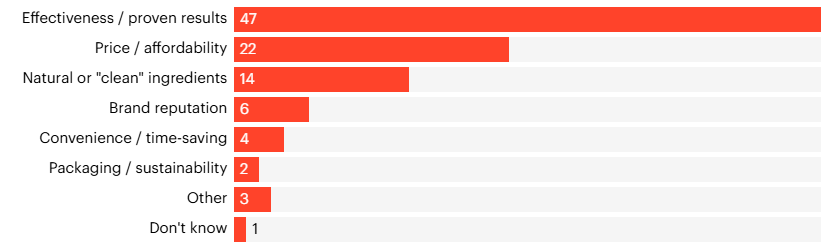
Consumers also seem to be getting more selective. They are less interested in hype for its own sake and more interested in whether something actually works. In a recent skincare survey, 47% of buyers said effectiveness or proven results was their top consideration, ahead of price, natural ingredients, convenience, and packaging.
[Source: YouGov]
That number says a lot. People may still enjoy trends, but when it comes to spending money on beauty, lasting performance clearly matters. If a product or procedure can meaningfully reduce upkeep or solve a recurring annoyance, it starts to look more worthwhile than something cheaper that only works for a day or two.
This is also why people are searching for practical guides before booking anything. They want to know how long results may last, what maintenance actually looks like, whether downtime is manageable, and whether the cost makes sense over time.
Long-Lasting Does Not Mean Permanent or Effortless
That said, one reason smarter consumers are leaning into these options is that the conversation around them has matured. People are more likely now to understand that long-lasting is not the same as one-and-done. A good service may reduce maintenance significantly without eliminating it completely. That is a healthier expectation, and it usually leads to better choices.
In many cases, that is still a huge win. Going from constant upkeep to occasional maintenance can change how a routine feels. It can also make beauty decisions feel more intentional, because the person choosing them is thinking in months instead of days.
Simpler Routines After Treatment Are Part of the Appeal
One especially telling shift is what happens after a person gets a procedure. NIQ reported that 35% of US consumers say they will change their skincare routine after a procedure, often simplifying or trading down.
That is a useful clue. It suggests many people do not see longer-lasting services as something to pile on top of an already complicated routine. Sometimes the point is needing fewer corrective products or fewer last-minute fixes afterward.
This also explains why long-lasting beauty options appeal to people who are not especially trend-obsessed. You do not need to love beauty culture to appreciate convenience. You just need to be tired of repeating the same maintenance cycle all the time.
There Is a Comfort Factor People Do Not Talk About Enough
A lot of beauty writing focuses on confidence, but comfort deserves equal attention. Some people are choosing longer-lasting options because they are tired of irritation and rushed grooming. Others simply feel better when they know one small part of life is already handled.
A more predictable routine can make mornings calmer and reduce how much time you spend checking mirrors or squeezing one more task into a packed schedule. It can even support better boundaries around rest, because you are not always trying to catch up on maintenance late at night or cram it into an already rushed morning.
Feeling more settled in your routine is how you get calmer days and more manageable evenings.
The Real Reason More People Are Making the Switch
In the end, the rise of long-lasting beauty options makes sense because modern routines are under pressure. People want choices that are effective and easier to live with. They want to spend less time repeating the same maintenance steps and more time feeling comfortable and ready.
That does not mean short-term beauty products and quick fixes are going away. They still have their place. But more people are now looking beyond the immediate result and asking what will make their life easier a week or three months from now.
That is why these options are resonating. They promise less friction, not just better appearance. And for many people, that is the most appealing beauty benefit of all.