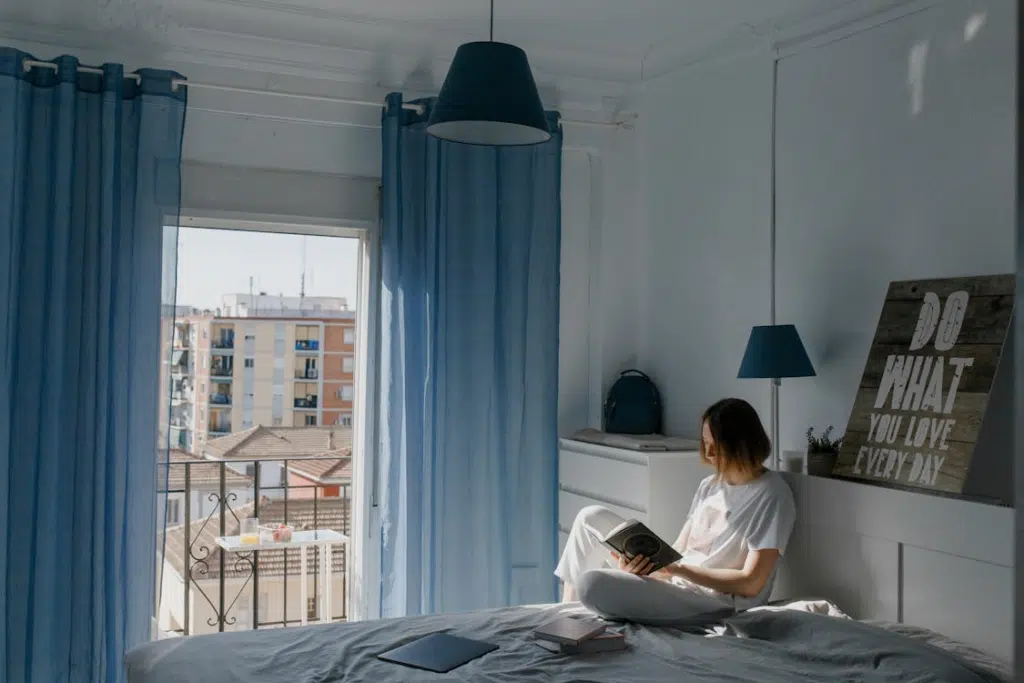
College sleep deprivation isn’t just about staying up late. It’s a pattern that builds over weeks and quietly affects everything – focus, mood, memory, and physical health. Most students know they’re not sleeping enough. The harder question is why the pattern is so difficult to break.
The answer isn’t laziness. It’s a combination of biology, environment, and habits that all push in the same direction – away from consistent sleep.
The Biology Behind College Insomnia
Adolescent and young adult brains naturally shift toward a later sleep schedule. This is a real biological change, not a lifestyle choice. The circadian rhythm of a 19-year-old genuinely pushes toward sleeping later and waking later. When early morning classes force an earlier wake time, the mismatch between biology and schedule creates chronic sleep debt.
College student insomnia is often less about the inability to sleep and more about the inability to sleep at the right time. The body wants to sleep at midnight or later. The alarm goes off at 7. That gap, repeated daily, compounds into significant sleep deprivation.
When Academic Pressure Eats Into the Night
The mental load of college doesn’t stop when classes end. Study sessions stretch into the evening, reading piles up, and the pressure to stay on top of everything makes it hard to wind down. That pressure is real – and it directly affects when and how well students sleep.
When the workload gets heavy, finding ways to manage it matters as much as any sleep hygiene tip. Students who find ways to reduce their cognitive load before bed – whether by planning ahead, delegating where possible, or getting support from EduBirdie for written work that’s piling up, tends to approach the night with less mental noise. A quieter mind at bedtime isn’t a small thing. It shortens the time it takes to fall asleep and improves sleep quality. Managing what’s on your plate is one of the most underrated parts of sleeping well.
That connection between daytime mental load and nighttime sleep quality runs through everything else in this article.
Revenge Bedtime Procrastination
This is one of the most common patterns in college sleep deprivation – and one of the least talked about. When the entire day is taken up by obligations, the night becomes the only time that feels personal. So students stay up scrolling, watching shows, or just existing without an agenda. It feels like free time. Biologically, it’s stealing from tomorrow.
The fix isn’t to eliminate evening leisure. It’s to build it into the earlier part of the night deliberately, so it doesn’t bleed into sleep time by default. Two hours of genuinely free time at 9pm is far more restorative than the same two hours at 1am.
Social Jet Lag and the Weekend Problem
Lack of sleep in college isn’t just a weeknight issue. Many students sleep at completely different times on weekends – staying up until 3am on Friday and Saturday, then sleeping until noon. That pattern shifts the circadian rhythm more than a transatlantic flight.
This is called social jet lag, and it makes consistent sleep nearly impossible. The body can’t settle into a rhythm when the schedule swings by five or six hours every weekend. The solution isn’t to stop having a social life – it’s to compress the swing. Waking within one hour of your weekday time, even after a late night, keeps the rhythm stable enough to actually function.
Here’s a practical checklist – the 10-3-2-1-0 rule – that works for most students:
- 10 hours before bed – no more caffeine
- 3 hours before bed – no large meals
- 2 hours before bed – no more work or studying
- 1 hour before bed – no screens with active use
- 0 – the number of times you hit snooze
Fixing the Environment
Where you sleep affects how you sleep. Most students focus entirely on habits and timing, but the physical environment is just as important – and often easier to fix than you’d think.
The Dorm Room Problem
Your sleep environment matters more than most students realize. Small changes to light, noise, and temperature can make a measurable difference in how fast you fall asleep and how well you stay asleep.
Most dorm rooms are not built for sleep. Shared spaces mean different schedules, different noise levels, and no control over light. These aren’t minor inconveniences – they’re genuine obstacles to consistent sleep. Addressing them directly makes more difference than most students expect.
Practical fixes that work in any student living situation:
- A sleep mask eliminates light from phones, hallway gaps, and windows
- Earplugs or a white noise app handles noise that’s outside your control
- A weighted blanket (around 10% of body weight) reduces nighttime restlessness
- Cooling pillowcases help regulate temperature in warm rooms without AC
EasyRest covers most of these specifically – the product range is built around exactly the kind of sleep obstacles students face in shared or rented spaces.
Blue Light From Screens Used for Study
Students aren’t just passively scrolling at night – many are actively studying from tablets and laptops until late. Active screen, according to research, is worse for sleep than passive use because it keeps the brain in an alert, problem-solving state. The blue light suppresses melatonin, but the cognitive engagement does just as much damage.
The practical split: active screen use (reading, writing, studying) should stop at least 90 minutes before bed. Screens off entirely is the ideal. If that’s not realistic, passive content – something familiar and low-stimulation – is a significantly better option than anything that keeps your brain actively engaged.
Building a Wind-Down Routine
The brain doesn’t switch off on command. It needs a transition. A consistent 20 to 30 minute wind-down routine – the same sequence of low-stimulation activities each night – signals to the nervous system that sleep is coming. Over time, the routine itself triggers drowsiness.
It doesn’t need to be elaborate. Dim the lights, stay off active screens, do something low-effort you enjoy. Consistency matters more than the specific activities.
Final Thoughts
Sleep consistency in college is hard for real reasons – biology, environment, social schedules, and mental load all push against it. But the pattern is breakable. Start with one thing: pick a wake time and hold it, even on weekends. Everything else becomes easier once the rhythm starts to stabilize.