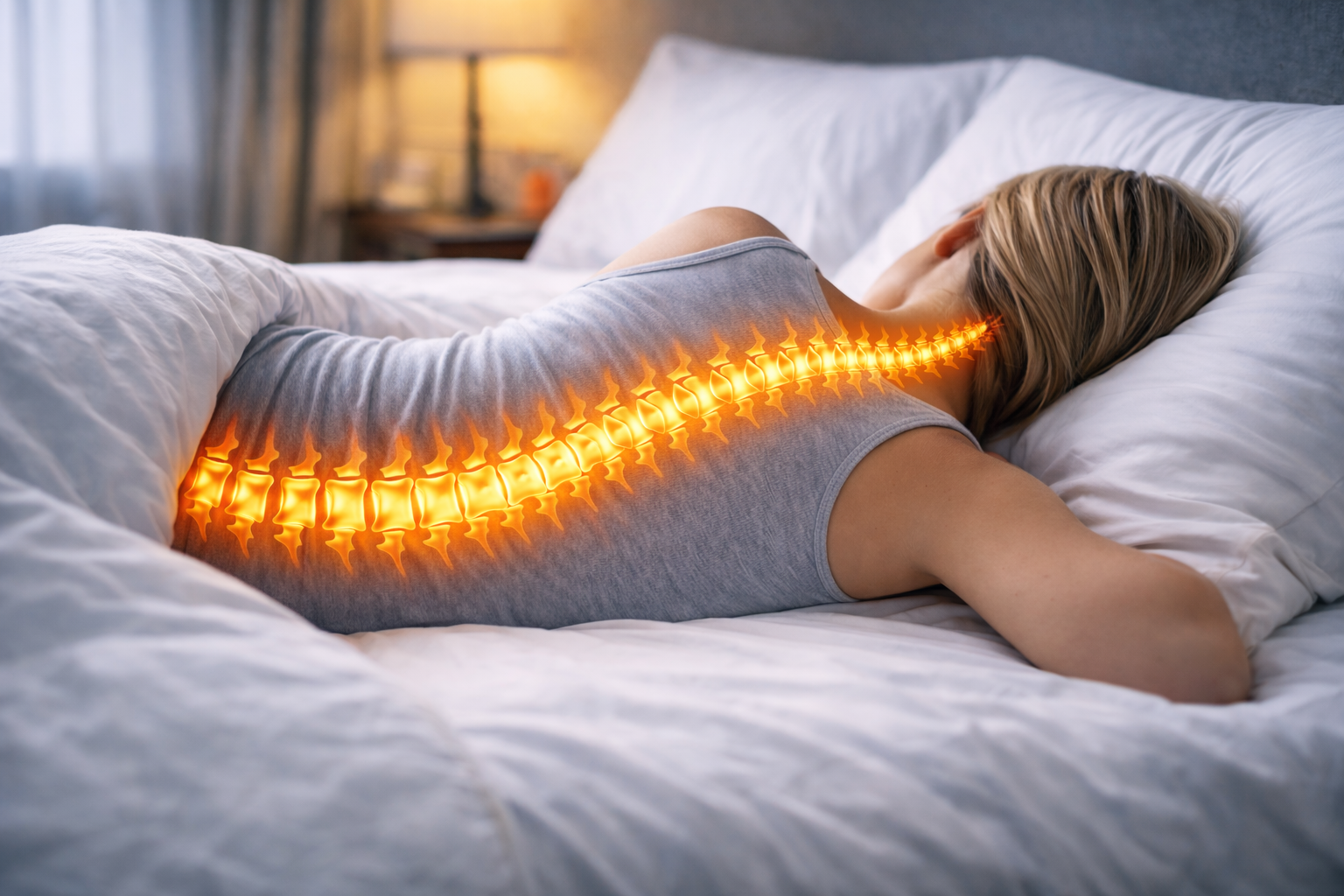

I’ve always been curious about those little oxygen readings on my fitness tracker, especially the ones it logs while I sleep.
Blood oxygen saturation, or SpO₂, measures how well oxygen hitches a ride on your red blood cells, and nighttime is when things can get surprisingly revealing.
Your body’s supposed to maintain steady levels even while you’re knocked out, but dips can hint at breathing issues you’d never notice awake.
I wanted to understand what’s actually normal during sleep, when those drops become red flags, and what to do if my numbers look off. Let me walk you through what I’ve learned.
Understanding Blood Oxygen Saturation & Why It Matters
Blood oxygen saturation, or SpO₂, tells you the percentage of your red blood cells carrying oxygen. Think of it as a fuel gauge for your body.
Most people measure it with a fingertip pulse oximeter, a smartwatch, or during a formal sleep study.
While you sleep, oxygen keeps your organs humming, repairs tissues, and powers brain functions like memory consolidation. When levels dip too low, your heart and brain work overtime to compensate, creating unnecessary stress.
For reference, a healthy person awake typically clocks 95–100% SpO₂. That’s your baseline, the number against which everything else gets compared.
What Happens to Oxygen Levels While You Sleep?
Your oxygen levels naturally shift during sleep because your breathing slows and becomes shallower as your body enters rest mode. This isn’t a malfunction; it’s how your nervous system conserves energy overnight.
During deep sleep and REM cycles, your breathing becomes even more irregular, with longer pauses between breaths or quicker, shallower patterns that cause small dips in SpO₂.
These fluctuations are your body’s way of prioritizing different restoration tasks, like muscle repair in deep sleep or memory processing during REM.
Occasional brief desaturations, maybe dropping one or two percentage points for a few seconds, happen to most people and usually resolve on their own.
Your cardiovascular system is designed to handle these minor shifts without compromising organ function.
Typical Oxygen Saturation Ranges During Sleep
Here’s what different SpO₂ readings actually mean while you’re asleep. These ranges help distinguish between normal nighttime fluctuations and levels that warrant a closer look.
| SpO₂ Range | Status | Common Triggers | Symptoms You Might Notice |
|---|---|---|---|
| 95–100% | Normal | Healthy breathing, clear airways | None. Restful sleep, normal energy |
| 91–95% | Borderline | Deep sleep, back sleeping, mild congestion | Possible morning grogginess, occasional snoring |
| 88–91% | Low (hypoxemia) | Sleep apnea, lung disease, and obesity | Frequent waking, headaches, daytime fatigue, gasping |
| Below 88% | Critical | Severe apnea, respiratory failure, heart issues | Chest pain, extreme fatigue, cognitive fog, blue lips/fingers |
Supporting Research: An NIH-supported study published in the Journal of Clinical Sleep Medicine examined COPD patients and found that those spending more than 5% of sleep time with oxygen saturation below 88% showed increased cardiovascular risk markers.
Remember, occasional short dips of a percent or two happen to almost everyone and usually aren’t harmful. What raises red flags is when your oxygen levels consistently hover in the lower range or drop frequently throughout the night.
People with chronic lung conditions like COPD may have slightly different “normal” thresholds, so always interpret your numbers in the context of your overall health picture.
Meaning of Oxygen Level 81% or Oxygen Level 87% While Sleeping
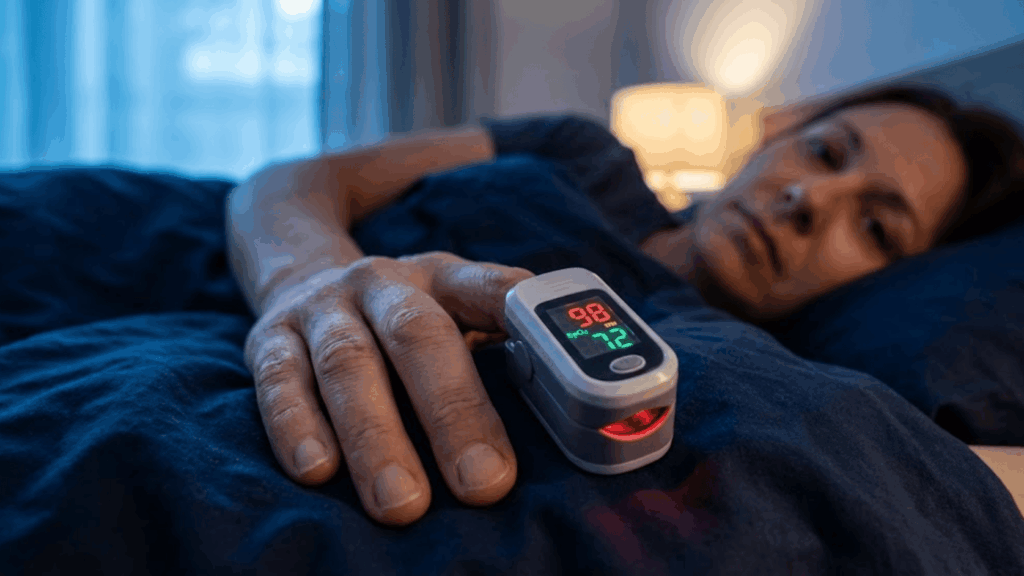
If your monitor shows 87% oxygen during sleep, that’s below the healthy range and signals mild to moderate desaturation worth investigating. At 81%, you’re in dangerous territory.
Sustained levels this low can starve your organs of oxygen and typically point to conditions like obstructive sleep apnea, respiratory disease, or heart problems.
However, before panicking, know that wrist wearables and finger sensors sometimes give false readings due to poor positioning, movement, or cold fingers.
A single low number doesn’t automatically mean disaster. If you’re seeing repeated dips into these ranges, skip the guesswork and get a proper clinical sleep study for an accurate diagnosis.
Common Causes of Low Overnight Oxygen Saturation
Some triggers are straightforward lifestyle factors you can address yourself, while others point to underlying medical conditions that need professional attention.
Here’s a breakdown of the most common culprits behind low nocturnal oxygen levels:
| Cause | Examples | Why Oxygen Drops | Next Steps |
|---|---|---|---|
| Breathing Disorders | OSA, Central Sleep Apnea | Airway blockages or pauses stop oxygen flow | Sleep study, CPAP therapy |
| Lung Conditions | COPD, asthma, pulmonary fibrosis | Damaged airways can’t absorb oxygen well | Pulmonologist, medications, oxygen therapy |
| Physical Factors | Obesity, back-sleeping, and narrow airways | Tissue or gravity collapses airways | Side-sleeping, weight loss, surgery |
| Environmental | High altitude, smoking, poor air quality | Less available oxygen or irritated airways | Quit smoking, improve ventilation |
| Temporary Illness | Pneumonia, bronchitis, severe cold | Congestion blocks normal breathing | Treat infection, monitor closely |
| Device Error | Poor sensor fit, cold hands, movement | Wearables give false readings | Reposition the sensor, and verify with a clinical test |
If you’re consistently seeing low readings across multiple nights, especially with symptoms like gasping, headaches, or extreme fatigue, don’t rely on your smartwatch alone.
A clinical sleep study uses medical-grade equipment to provide definitive answers about your sleep.
Health Implications of Repeated Low Oxygen During Sleep
Your body can tolerate brief oxygen dips, but when desaturation happens repeatedly or lasts too long, the consequences stack up fast.
Here’s what chronic nighttime hypoxemia does to your health over time.
1. Cardiovascular Strain and Heart Disease Risk
Oxygen Level: Frequent drops below 88%
When your SpO₂ repeatedly falls into this range during sleep, your heart works overtime trying to pump harder and faster to compensate for the oxygen deficit.
This chronic strain increases blood pressure, thickens the heart muscle, and accelerates plaque buildup in arteries.
Over months and years, repeated desaturation significantly raises your risk of hypertension, arrhythmias, heart attack, stroke, and heart failure, especially if you already have cardiovascular risk factors.
Read more: https://pmc.ncbi.nlm.nih.gov/articles/PMC7850139/
2. Brain Fog and Cognitive Decline
Oxygen Level: Dips into the 85–90% range throughout the night
These levels starve your brain of the fuel it needs for memory consolidation and cellular repair.
You’ll notice this as morning brain fog, difficulty concentrating, slower reaction times, and memory problems during the day.
Long-term nocturnal hypoxemia has been linked to accelerated cognitive decline, increased dementia risk, and structural brain changes visible on imaging studies.
Read more: https://pmc.ncbi.nlm.nih.gov/articles/PMC5015271/
3. Chronic Fatigue and Poor Daytime Function
Oxygen Level: Persistent overnight drops below 90%
When your oxygen consistently falls below this threshold, it fragments your sleep architecture and prevents you from reaching restorative deep sleep stages.
Even if you spend eight hours in bed, you wake up exhausted because your body spent the night in survival mode rather than recovery mode.
This translates to debilitating daytime sleepiness, reduced work performance, mood disturbances, and significantly higher accident risk.
Read more: https://jcsm.aasm.org/doi/10.5664/jcsm.10838
4. Worsening of Underlying Medical Conditions
Oxygen Level: Consistently falling to 88% or below
For people with COPD, heart failure, or diabetes, these levels create a vicious cycle.
Nocturnal hypoxemia worsens pulmonary hypertension, destabilizes blood sugar control, and accelerates disease progression.
Regular nighttime oxygen monitoring becomes medically critical in these populations, and supplemental oxygen therapy may be necessary to prevent life-threatening complications.
Read more: https://pmc.ncbi.nlm.nih.gov/articles/PMC6585441/
What to Do If Your SpO₂ Drops to 87% or 81% While Sleeping?
Seeing oxygen levels drop to 87% or 81% during sleep can be alarming, but the right response depends on context, consistency, and symptoms.
Here’s your action plan for handling low nocturnal oxygen readings:
- Don’t Panic Over a Single Reading: Check for consistency across multiple nights, verify device accuracy, and note whether you’re experiencing symptoms like gasping, snoring, headaches, or extreme fatigue.
- Get a Clinical Sleep Study: If low readings persist or you have symptoms, schedule polysomnography for an accurate diagnosis rather than relying solely on wearable devices.
- Optimize Your Sleep Environment: Try side-sleeping instead of back-sleeping, improve room ventilation, avoid alcohol and sedatives before bed, quit smoking, and manage weight.
- Explore Medical Treatments for Diagnosed Conditions: CPAP or BiPAP therapy for sleep apnea, supplemental oxygen for respiratory conditions (under medical supervision only), and long-term disease management strategies.
- Use Medical-Grade Monitoring Equipment: Invest in FDA-approved pulse oximeters rather than relying exclusively on fitness trackers, but remember that all home readings are preliminary, not diagnostic.
If your numbers are consistently concerning or you’re experiencing symptoms, work with a sleep specialist or pulmonologist to identify the root cause and develop an appropriate treatment plan.
How to Monitor SpO₂ Properly: Best Practices
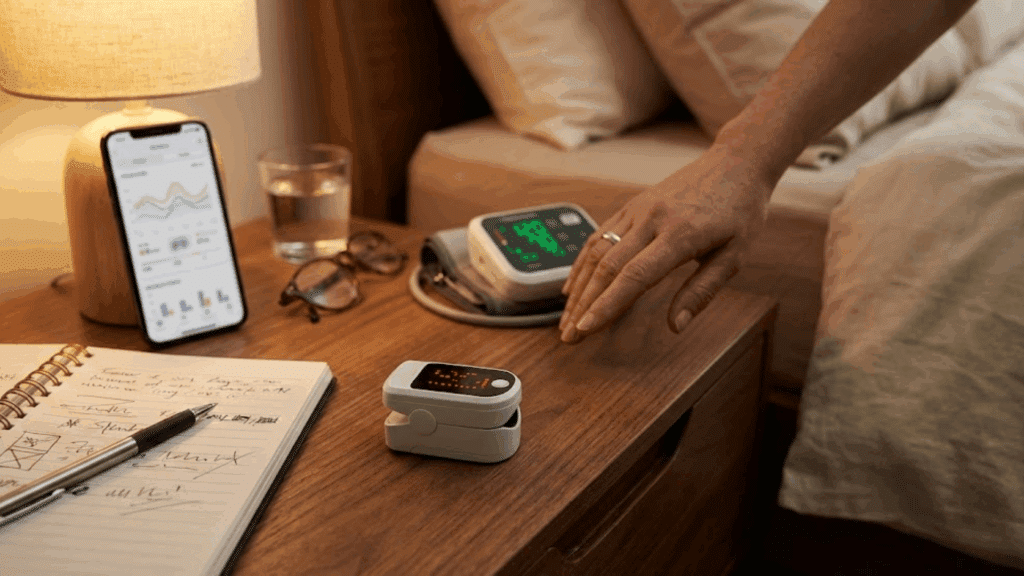
Accurate oxygen monitoring requires the right equipment and methodology.
Random readings from a smartwatch won’t give you the full picture, especially if you’re trying to catch nighttime dips that only happen during certain sleep stages.
- Use Medical-Grade Equipment: FDA-approved pulse oximeters ensure accuracy; proper finger placement, minimal movement, and stable positioning are essential for reliable readings.
- Track Continuous Overnight Patterns: Monitor SpO₂ throughout the night, not just spot-checks; keep a sleep log documenting readings, symptoms, sleep position, and lifestyle factors.
- Share Data With Your Doctor: Healthcare providers interpret results in the context of your medical history, symptoms, and comorbidities rather than isolated numbers alone.
When to Consult a Doctor?
Don’t wait to seek medical help if you’re seeing persistent warning signs. Consult a doctor immediately if your SpO₂ consistently falls below 90% during sleep, especially readings at 88% or lower.
Red flags include loud snoring with gasping or choking episodes, waking up breathless, morning headaches, extreme daytime sleepiness, or brain fog.
If you have existing conditions like COPD, asthma, heart disease, or obesity, nighttime oxygen monitoring becomes even more critical.
Your doctor may order a formal sleep study and, if needed, prescribe treatments like CPAP, BiPAP, or supplemental oxygen therapy for proper management.
Final Thoughts
I used to ignore my fitness tracker’s overnight oxygen readings, thinking they were just another data point to scroll past. Now I understand that maintaining normal blood oxygen during sleep matters more than I realized.
Persistent desaturation isn’t just a number on a screen; it’s your body waving red flags about potential sleep apnea, respiratory issues, or cardiovascular strain that demand attention.
If you’re seeing concerning patterns or experiencing symptoms like gasping, morning headaches, or constant fatigue, don’t brush them off. Get a proper sleep study and take control of your health before minor dips turn into major problems.
Have you noticed unusual oxygen patterns while sleeping? Share your experience in the comments below.