Starting Pilates can feel deceptively simple. The classes look calm, the movements seem controlled, and everyone on the mat appears to know exactly what they’re doing. Then you try it and realize your core is shaking, your brain is working overtime, and muscles you forgot existed are suddenly very loud.
The good news is that you don’t need much. You just need the right expectations and a few basics that make learning feel doable instead of intimidating.
The Right Mindset Matters First
Pilates is about precision, not performance. It rewards attention, breath, and control rather than speed or intensity. Coming in with the goal of “doing it perfectly” usually backfires.
Progress in Pilates looks quiet. Small adjustments create big changes, and strength builds gradually. Giving yourself permission to be new makes the experience far more effective. If you treat Pilates like something to master rather than something to explore, it can feel frustrating fast.
A Mat That Supports You
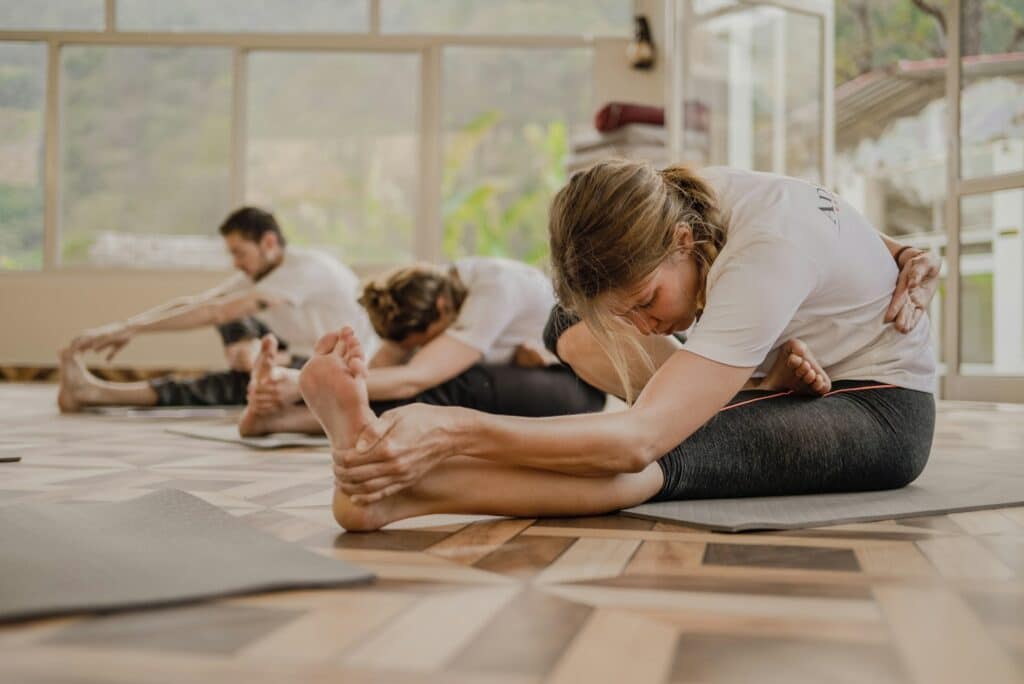
A proper Pilates mat is thicker than a standard yoga mat. Many exercises involve rolling, spinal articulation, and time on your back or sides, which can feel uncomfortable on thin padding.
Extra cushioning protects your spine and joints, allowing you to focus on movement rather than discomfort. If your studio provides mats, they’re usually designed with this in mind. At home, choosing a mat with support can make the difference between consistency and dread.
Comfortable, Flexible Clothing
Pilates is easiest in clothes that move with you and let instructors see your alignment. Tight enough to stay in place, flexible enough to stretch and bend without restriction.
High-waisted leggings and a fitted top work well for most people. Layers can help if you tend to get cold at the beginning and warm up slowly. Shoes aren’t needed. Grippy socks are optional but helpful if you prefer extra stability.
An Understanding Of Breath
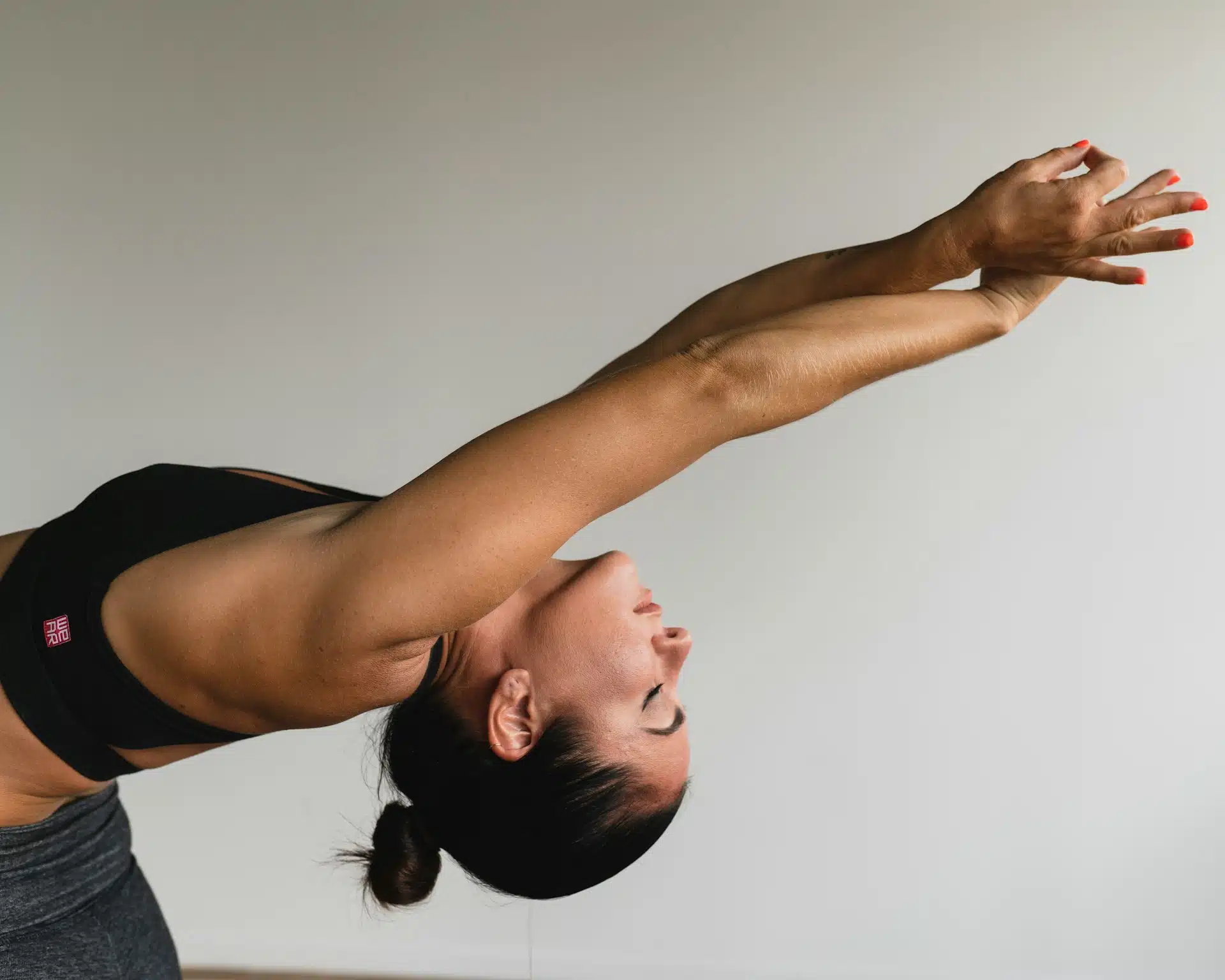
Breath is central to Pilates, and it’s different from how many people are used to breathing during exercise. You’ll often hear cues about rib expansion and controlled exhalations. This can feel awkward at first. That’s normal. Learning how to coordinate breath with movement takes time. The more you allow breath to guide the work, the less tension you’ll carry into your neck, shoulders, and jaw.
Core Engagement Without Bracing
Pilates focuses on deep core muscles, not the kind of bracing you might use in heavy lifting. The goal is support, not rigidity.
At first, this can feel subtle or confusing. You might wonder if you’re doing anything at all. Then the soreness hits the next day and answers that question. Trust the process. Over-engaging often leads to strain, while gentle activation builds lasting strength.
Patience With Your Body
Pilates often exposes imbalances. One side may feel stronger. Certain movements may feel surprisingly difficult. This isn’t a failure. It’s information.
Your body is learning new patterns. That takes repetition and patience. Comparing yourself to others in class rarely helps. Progress shows up in posture, stability, and how you move outside the studio long before it shows up as visible strength.
Hydration And Recovery Still Count
Pilates may look gentle, but it’s demanding in a different way. Muscles work under tension for long periods, which can feel intense afterward.
Staying hydrated and allowing recovery days matters, especially if you’re pairing Pilates with other workouts. Listening to fatigue signals helps prevent burnout. Supplements like URO Probiotics can also help if increased activity, sweat, or tight workout clothing has been affecting your intimate health.
Rest supports consistency. Consistency is where results come from.
Why Pilates Can Feel Especially Helpful Right Now
Many people turn to Pilates during times of transition. It emphasizes balance, control, and body awareness over pushing harder.
That makes it appealing when joints feel sensitive, recovery feels slower, or strength needs rebuilding. Pilates meets you where you are and grows with you.
This adaptability is part of why it has such staying power.
What You Don’t Need To Start
You don’t need to be flexible, coordinated, or strong. You don’t need fancy equipment or prior experience.
You don’t need to “earn” your place in class by being good at it. Pilates is designed to teach your body how to move better over time.
Showing up curious and consistent is enough.