

Waking up with a sore tongue can make your morning feel harder than it should be.
If you’ve experienced biting your tongue in sleep, you’re not alone. It’s a common issue caused by factors like teeth grinding, jaw clenching, or sleep disorders.
While it may seem random, these habits typically occur during sleep, leading to discomfort when you wake up. Understanding why biting your tongue in sleep happens is key to preventing it from recurring.
In this blog, I’ll guide you through the main causes of biting your tongue in sleep, how to identify the problem, and practical tips to stop it.
With the right steps, you can enjoy peaceful nights and wake up without soreness. Keep reading for solutions that can help.
What Does Biting Tongue in Sleep Feel Like?
Waking up with tongue pain can feel confusing, but the symptoms are usually pretty clear.
Waking up with a sore, swollen, or tender tongue, especially along the sides or tip, is common. You may notice cuts, ulcers, or blood on your pillow, or see a scalloped edge where the tongue pressed against your teeth.
Tongue biting in sleep may also be accompanied by jaw tightness, jaw pain, or morning headaches, as the jaw muscles work overtime during the night.
Eating can be uncomfortable too, especially spicy, salty, or acidic foods that sting irritated spots. If these signs keep appearing, it’s worth investigating the cause.
Where You Bite Your Tongue Matters

Where you bite your tongue can give a big clue about what’s causing it.
Biting the sides of the tongue is most often linked to teeth grinding or jaw clenching (bruxism), especially if you also wake up with jaw tightness, headaches, or notice tooth wear.
Biting the tip of the tongue is less common and can be more concerning, since it may happen with certain sleep disorders or, in rare cases, seizures: watch for signs like confusion on waking, unexplained injuries, or bedwetting.
If you’re biting both your tongue and cheeks , that often points to a bite alignment problem or irritation from dental work like a new filling or crown.
A scalloped, wavy tongue edge usually comes from long-term pressure against the teeth, often tied to stress-related clenching.
Why Do I Bite My Tongue in My Sleep?
Tongue biting during sleep is often caused by factors like teeth grinding, jaw clenching, sleep position, or dental issues. Understanding the causes can help prevent this painful and disruptive habit.
Teeth Grinding and Jaw Clenching (Bruxism)
Bruxism, or teeth grinding and jaw clenching, is one of the most common reasons people bite their tongue in sleep.
When the jaw tightens or grinds, the tongue can slip between the teeth, causing injury. This often happens during lighter sleep stages or during brief awakenings you might not remember.
Stress, anxiety, and poor sleep quality can exacerbate bruxism, leading to repeated tongue injuries over time. Many people with bruxism also wake up with jaw pain, stiffness, headaches, or worn-down teeth.
The jaw muscles stay active overnight, which can cause the tongue to press against the teeth and lead to soreness or cuts by morning.
Sleep Position and Mouth Breathing
Your sleep position plays a crucial role in whether or not you bite your tongue while you sleep. Sleeping on your stomach or side can shift the jaw forward or sideways, increasing the chance of trapping your tongue between your teeth.
Additionally, mouth breathing can expose the tongue, making it more likely to rest in an unsafe position. This is particularly common in people with nasal congestion, allergies, or enlarged tonsils.
Symptoms like dry mouth, snoring, and waking up thirsty can indicate mouth breathing. Over time, this combination of factors can lead to repeated tongue irritation and biting episodes.
Misaligned Bite or Dental Issues
Problems with your bite, such as crooked teeth, overbites, or crossbites, can also increase the risk of biting your tongue during sleep. These bite issues can create narrow spaces where the tongue gets trapped between the teeth during jaw movement.
Worn-down teeth, chipped teeth, or poorly fitted dental work can further aggravate the problem. Even small misalignments in your bite can trigger repeated tongue or cheek biting while you sleep.
If you’ve recently had dental changes, such as new fillings, crowns, or braces, you may notice the symptoms of tongue biting worsening as your jaw alignment shifts.
Tongue Biting, Cheek Biting, and Bruxism
After explaining the symptoms once, refer directly to the table. Remove detailed repetition from the previous paragraphs. This quick table shows the key differences, common clues, and the most helpful next step.
| Issue | What it is | The most common cause | Typical clues | Best next step |
|---|---|---|---|---|
| Tongue biting in sleep | The tongue gets caught between teeth during sleep | Bruxism, bite issues, and sleep disruption | Sore/cut tongue, scalloped edges, blood spots, pain with spicy foods | Dentist for bite/guard; doctor if snoring or confusion |
| Cheek biting in sleep | Cheek tissue gets pinched or chewed | Misaligned bite, clenching, and sharp tooth edges | Sores on the inner cheek, rough patches, swelling, and pain when chewing | Dentist to check alignment, sharp edges, and high fillings |
| Bruxism (grinding/clenching) | Jaw muscles tighten, or teeth grind, overnight | Stress, sleep apnea, caffeine, meds | Jaw tightness, headaches, worn teeth, cracked fillings, TMJ pain | Night guard + trigger control; screen for sleep apnea |
If you mostly notice jaw pain and tooth wear, bruxism is usually the main issue. If you also snore, gasp, or wake up unrested, it’s smart to check for sleep-related causes too.
How to Stop Biting Your Tongue in Sleep
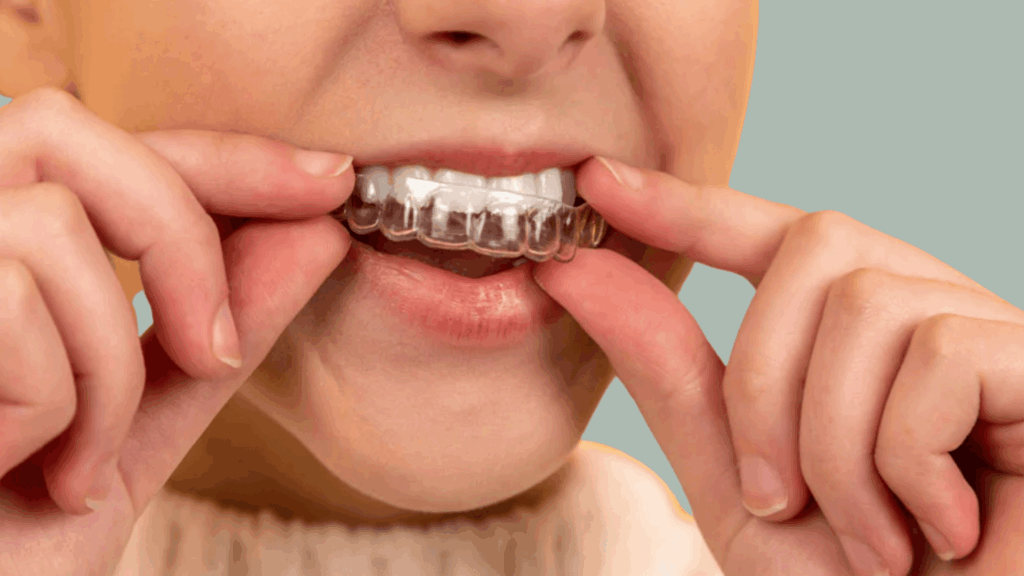
If bruxism is the cause, your dentist can help by providing a custom night guard. If your issue involves snoring or sleep apnea, consult a doctor about a possible sleep study.
For many people, the main issue is teeth grinding or jaw clenching (bruxism), which a dentist can confirm and treat with a custom night guard that keeps teeth from crushing the tongue.
If tongue biting began after a filling, crown, braces, or a new retainer, a simple bite adjustment may solve it.
Sleep habits matter too: avoid sleeping on your stomach, cut caffeine or alcohol close to bedtime, and treat nasal congestion so you’re not mouth breathing.
If you snore, wake up gasping, or feel tired all day, ask about a sleep study, since sleep apnea can drive clenching and repeated tongue injuries.
Protecting Your Tongue While Healing
When your tongue is already sore or cut, small daily choices can make a big difference. The goal is to reduce irritation, prevent infection, and help it heal faster.
- Rinse gently 2–3 times daily: Warm saltwater can soothe pain, reduce swelling, and keep the area clean without harsh chemicals.
- Choose soft, mild foods: Yogurt, eggs, oatmeal, and soups help you eat comfortably without scraping or stinging the injured spots.
- Avoid spicy, acidic, and crunchy foods: Chips, citrus, soda, and spicy sauces can reopen cuts and make swelling and pain worse.
- Use a night guard if recommended: If clenching is the cause, a guard protects the tongue from getting trapped again overnight.
- Keep your mouth moist: Drink water and consider a humidifier if you wake up dry, since dryness can slow healing.
Most minor tongue bites heal within a few days, but repeated injuries can keep restarting the damage. If swelling, pus, fever, worsening pain, or nonstop bleeding happen, get medical help.
When to See a Doctor
If your tongue biting is accompanied by snoring, gasping during sleep, or extreme daytime sleepiness, it might be related to sleep apnea.
Consult a doctor or sleep specialist for a diagnosis, since these signs often point to grinding, clenching, or dental alignment problems. Dentists can check your bite, smooth sharp edges, and fit a night guard if needed.
A doctor or sleep specialist is more appropriate if tongue biting comes with loud snoring, gasping during sleep, extreme daytime sleepiness, or frequent awakenings, as these may signal a sleep disorder like sleep apnea.
You should seek medical care right away if tongue injuries are severe, keep bleeding, or are paired with confusion, unexplained injuries, or possible seizure activity.
The Bottom Line
Biting your tongue in sleep can be more than just an annoyance. Whether it’s caused by teeth grinding, jaw clenching, or sleep disorders, understanding the cause is key to stopping the problem for good.
From using a night guard to adjusting your sleep habits, there are simple steps you can take to prevent further discomfort.
Remember, if your tongue biting is paired with symptoms like jaw pain or snoring, it’s important to consult a dentist or doctor for a proper diagnosis.
Take action now, and you can protect both your tongue and teeth. Don’t forget to check out other blogs for more tips on improving your sleep health!