You sit near a window in winter and still feel a cold draft on your arm, even though everything is shut tight. It is one of those small things that gets ignored at first, then slowly becomes part of daily life, even though it should not be.
In many homes across Rochester, NY, comfort is often close but not quite there. Rooms feel uneven, some areas stay colder or warmer than others, and small inefficiencies build up over time. Homeowners tend to upgrade in steps, not all at once, focusing on what actually changes how the home feels day to day rather than what simply looks new.
Rethinking What “Smart” Really Means in a Home
The idea of a smart home often gets tied to gadgets, screens, and apps, but in practice, the upgrades that matter most are the ones you stop noticing after a while. Comfort is usually the first thing people notice. Drafts, uneven temperatures, or rooms that never feel quite right are often signs that the home is not performing as it should. Efficiency comes next, especially when energy bills start creeping up without a clear reason.
A smart upgrade is not always about adding something new. Sometimes it is about replacing or improving what is already there so the home functions more evenly. That shift, from adding features to fixing performance, tends to make a bigger difference over time.
Windows and Why They Matter More Than Expected
Most homeowners do not think about their windows until something feels off. It might be a slight draft, outside noise coming through more clearly, or just a general sense that the room never holds temperature the way it should. If you notice any of these signs, you may need to call a window company in Rochester, NY.
Windows affect more than just light and view. They influence insulation, airflow, and even how heating and cooling systems perform. When windows are outdated or poorly sealed, the entire system of the home works harder to maintain comfort. For those trying to understand what improvements actually make sense, it helps to look at how windows are designed and installed today. Working with professionals can give a clearer picture of how modern materials and installation methods improve both comfort and efficiency without changing how the home feels visually.
Small Efficiency Changes That Add Up
Not every upgrade needs to be large to have an impact. In fact, many smaller changes, when combined, can noticeably improve how a home functions. Sealing gaps around doors and windows, improving insulation in key areas, and adjusting how air moves through the house can all reduce energy loss.
These changes are often overlooked because they are not visible, but they affect daily comfort more than most surface-level upgrades. Lighting is another area where small changes matter. Switching to more efficient fixtures or adjusting placement can improve how spaces are used without major renovation. It is not dramatic, but it is practical.
The Role of Bathrooms and Daily Use Spaces
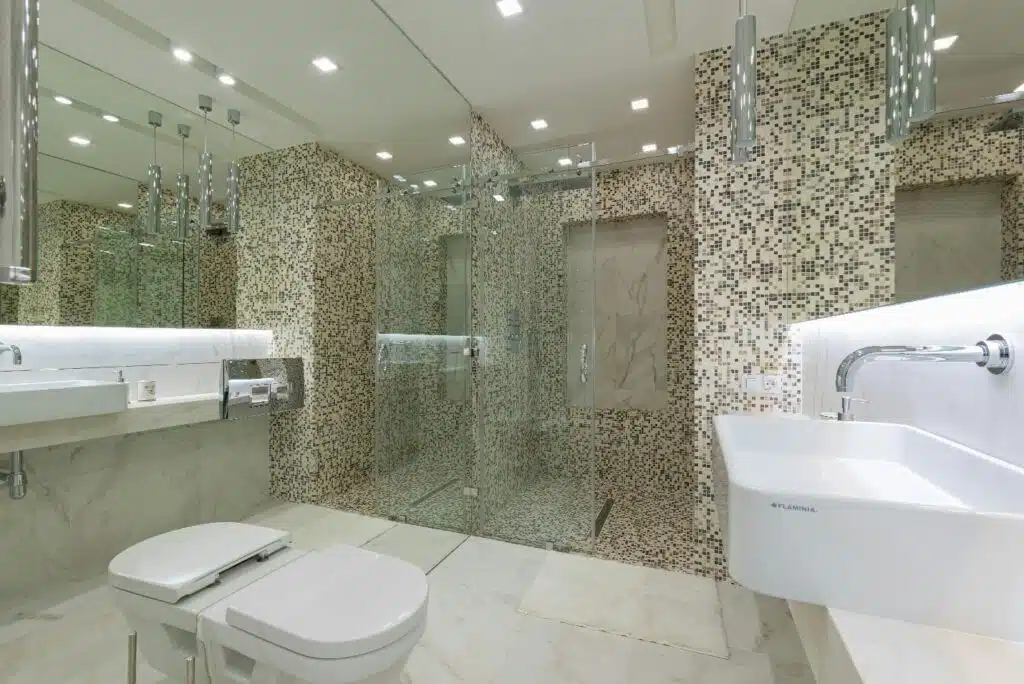
Bathrooms are used every day, often multiple times, but they are not always updated with comfort in mind. Fixtures wear down, layouts become less practical, and small inefficiencies build up over time. Upgrading a bathroom does not always mean a full remodel. Replacing older fixtures, improving ventilation, or updating water flow systems can make the space more functional without changing its structure.
There is also the matter of consistency. When one part of the home is updated and others are not, the difference becomes noticeable. Bringing frequently used spaces up to the same level of comfort creates a more balanced experience throughout the home.
Siding and the Outer Layer of the Home
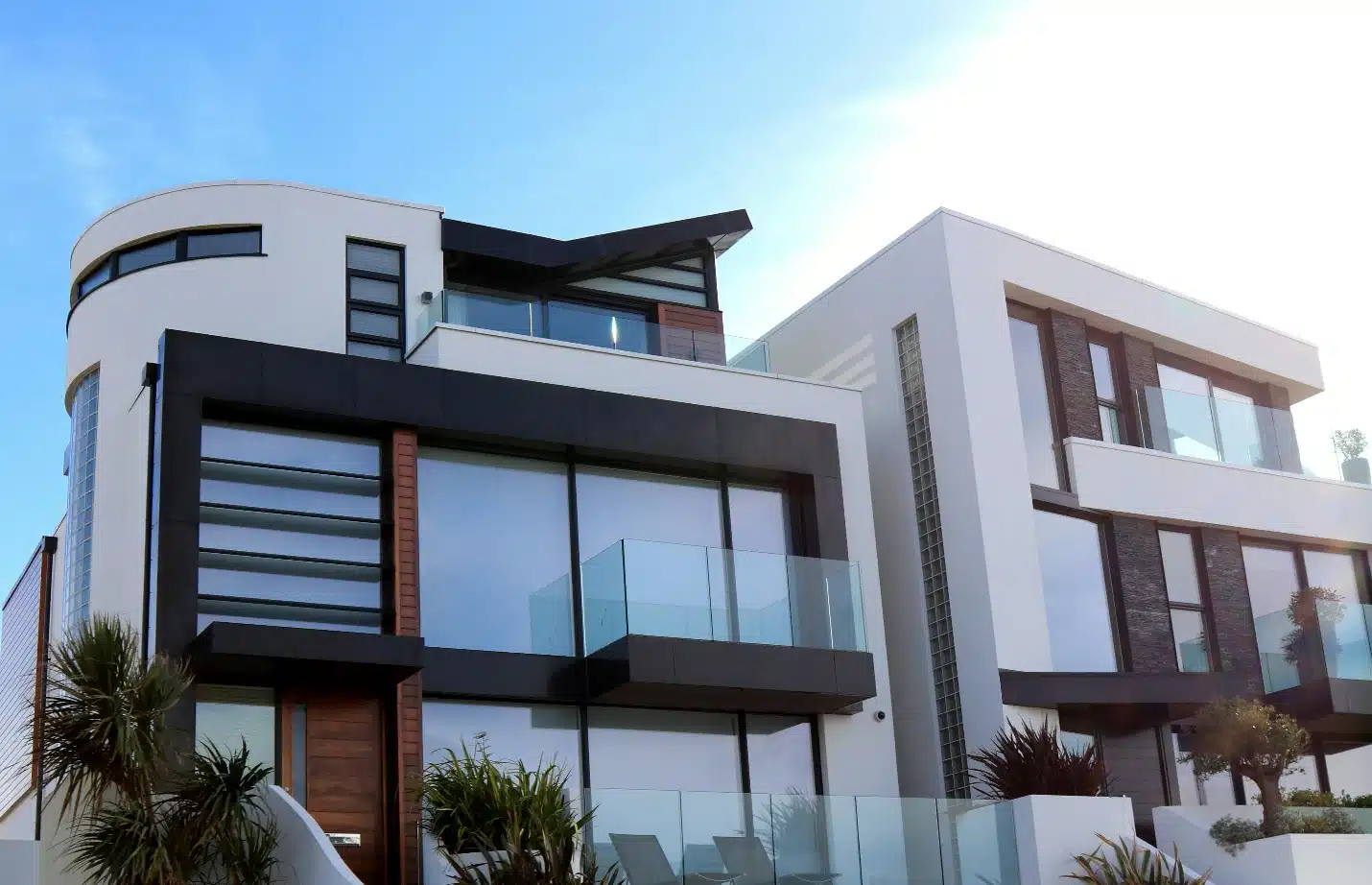
Siding is often seen as a visual element, but it plays a larger role than appearance alone. It protects the structure, helps with insulation, and contributes to how the home handles weather changes. When siding begins to wear down, small gaps or weaknesses can form. These may not be visible right away, but they can allow moisture or air to pass through, affecting both comfort and durability.
Replacing or repairing siding is not always urgent, but it becomes important when signs of wear begin to show. Like many upgrades, it works best when done before the problem becomes obvious.
How Comfort and Cost Are Connected
There is a tendency to separate comfort and cost, as if improving one always increases the other. In reality, many upgrades that improve comfort also reduce long-term expenses. Better insulation, improved windows, and more efficient systems reduce the strain on heating and cooling. This leads to more stable energy use, which shows up over time rather than immediately.
It is not always easy to measure right away, and that can make these upgrades feel less urgent. But the difference becomes clear when the home maintains temperature more easily, and systems do not have to work as hard.
Avoiding Upgrades That Do Not Add Value
Not every upgrade improves how a home functions. Some changes are made for appearance or trend, and while they may look good, they do not address underlying issues. It is easy to focus on visible changes because they are easier to understand.
New finishes, colors, or layouts can make a space feel different, but they do not always improve performance. A more useful approach is to ask what problem is being solved. If an upgrade does not address comfort, efficiency, or durability, its impact may be limited.
Letting Improvements Build Over Time
Most homes are not upgraded all at once. Changes happen gradually, often based on need rather than plan. This can feel unstructured, but it is usually how real improvements take place. Starting with the areas that affect daily comfort tends to have the most noticeable impact. Once those are addressed, other upgrades can follow more naturally.
Over time, these changes begin to connect. The home feels more consistent, systems work more smoothly, and the small frustrations that once seemed normal start to fade. That is usually when the difference becomes clear. Not in a single moment, but in the absence of problems that used to be part of everyday life.