
I remember dragging myself through a morning after a short night, rubbing my eyes, and wondering why everything looked slightly off.
You’ve probably had days like that, too, where your vision feels rough before you even start working. It’s easy to blame stress or a long week, but many of those early signs come from sleep-deprived eyes.
When your eyes don’t get the rest they need, simple tasks feel hard, and your vision loses its usual steadiness. That’s why understanding this problem matters, especially if your days already feel packed.
I’ll walk you through what’s happening and how to ease the strain so your eyes feel more steady again. So, let’s start with the basics.
What Happens to Your Eyes When You Don’t Sleep
When you don’t sleep well, your eyes feel the effects right away. Your tear film becomes thin, which makes your vision blur and your eyes feel rough or irritated.
The muscles that help you focus also get tired, so it becomes harder to read, work on screens, or keep your vision steady. Dryness adds to the problem by scattering light, which can make everything look hazy.
You may also notice a burning or gritty feeling because your eyes didn’t get the moisture they normally collect overnight. Bright light can bother you more than usual, and simple tasks may feel harder.
On top of that, stress and exhaustion can lead to twitching in the eyelid area, which can be distracting during the day. All these changes come from the lack of rest your eyes need to recover.
The Science Behind Sleep and Eye Function
Research from the American Academy of Sleep Medicine shows that your eyes fix and replace surface cells while you sleep. This repair cycle keeps your cornea smooth so light reaches the back of your eye the way it should.
When you miss sleep, this repair work slows down, which can make your eyes feel dry and cause blurred vision when you wake up.
The National Eye Institute notes that your tear film is rebuilt during the night. This thin layer keeps your eyes moist and clear. Poor sleep disrupts tear production, leaving your eyes feeling dry or irritated when you wake up.
A 2016 study in Ophthalmic Physiological Optics found that the muscles responsible for focus need steady rest to work well. Without enough sleep, these muscles tire quickly, and your vision becomes unstable.
Sleep also keeps your natural daily rhythm steady, which supports healthy eye pressure and comfortable vision during daytime tasks.
Short-Term & Long-Term Effects of Sleep Deprivation on Vision
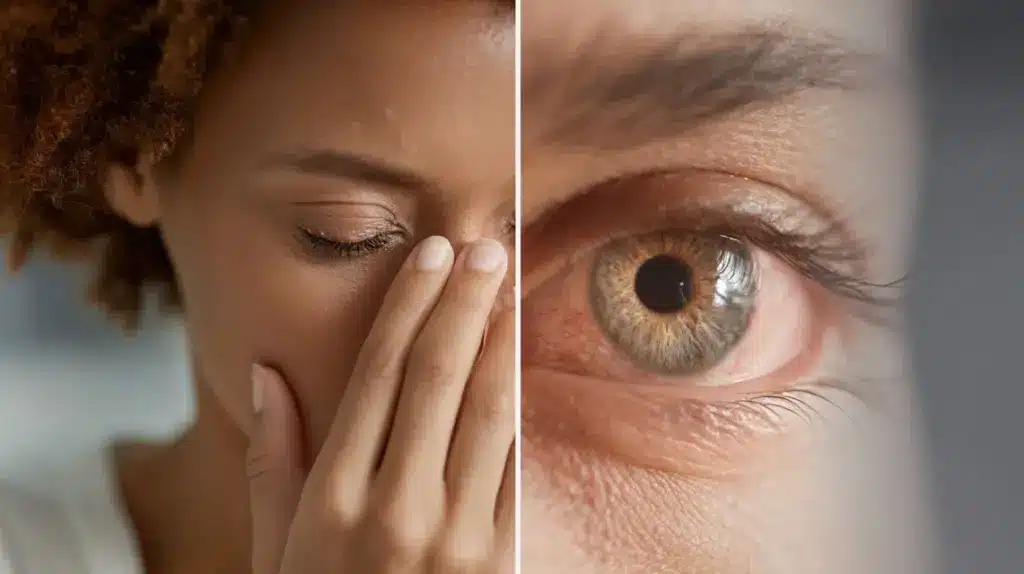
Missing sleep affects your eyes in different ways depending on how long the problem continues, with early changes shifting into bigger issues.
Short-Term Changes (24–72 Hours)
Early effects appear fast and often fade with rest, but they can still disrupt daily tasks and make your eyes uncomfortable.
- Fluctuating blur: Vision shifts because your eyes cannot keep steady moisture after poor sleep.
- Difficulty focusing: Tired eye muscles struggle to hold a clear view during reading or screen work.
- Redness and dryness: Low moisture causes rough, irritated eyes that feel sore during the day.
Many of these changes also appear during early sleep deprivation stages, when your eyes react quickly to missed rest, and small vision shifts begin.
Long-Term Risks (Weeks–Years)
Ongoing sleep problems can slowly damage eye health and raise the chance of lasting issues that need medical attention.
These deeper changes often show up along with signs you might recognize in a long term sleep deprivation face, such as dullness and swelling around the eyes.
- Persistent dryness: Long periods of poor sleep weaken moisture levels and irritate the eye surface.
- Worsening light sensitivity: Your eyes react more strongly to bright light due to ongoing strain.
- Higher risk of glaucoma: Studies link long-term poor sleep to increased pressure in the eye.
- Increased chance of eye infections: Weak moisture and low immune support make your eyes easier to infect.
These long-lasting changes often appear alongside other issues linked to long-term sleep deprivation, such as dryness and puffiness.
When Sleep Problems Lead to Serious Eye Conditions
Long-lasting sleep issues can place steady strain on your eyes and raise the chance of conditions that need early medical care.
1. Glaucoma and Increased Eye Pressure
Poor sleep has been linked to changes in pressure inside the eye, and several studies support this connection.
A large study published in Ophthalmology in 2016, using data from the UK Biobank, found that adults who slept too little had a higher chance of developing glaucoma over time. The study showed that short sleep can disrupt your natural daily rhythm, which plays a role in eye pressure control.
Research also supports the link between sleep apnea and glaucoma. A 2013 review in the Journal of Glaucoma reported that people with sleep apnea were more likely to develop glaucoma compared to those without the condition.
Sleep apnea reduces oxygen levels during the night, which affects pressure inside the eye and can place stress on the optic nerve. If pressure stays high for years, it can slowly harm the nerve and affect vision.
2. Chronic Dry Eye Disease Worsening
People with long-term sleep trouble often notice that dryness becomes more frequent and more uncomfortable. Your eyes need steady moisture to stay clear and comfortable, and missing sleep reduces that moisture.
Over time, the surface of the eye becomes more irritated, which can lead to ongoing burning, redness, and trouble keeping your vision steady. If dryness continues without improvement, daily tasks like reading or screen work can feel harder and more tiring than usual.
3. Inflammation and Oxidative Stress Effects
Poor sleep can raise inflammation in the body, and your eyes are not protected from this change. When inflammation increases, the surface of your eye becomes easier to irritate, leading to redness and soreness.
A lack of rest can also raise oxidative stress, which affects the small blood vessels that support your eye tissue. Over time, these changes can make your eyes feel more sensitive and slow down normal recovery from daily strain.
4. Sleep Apnea and Its Impact on Vision
Sleep apnea affects breathing during sleep, which lowers the oxygen your eyes receive at night. This can raise pressure inside the eye and increase the chance of glaucoma.
Many people with sleep apnea also wake up with dryness, soreness, or morning blur because airflow changes can irritate the eye surface.
Treating sleep apnea can improve these symptoms and help your eyes recover better each night, which supports clearer and more comfortable vision.
When Eye Problems Start Disrupting Your Sleep
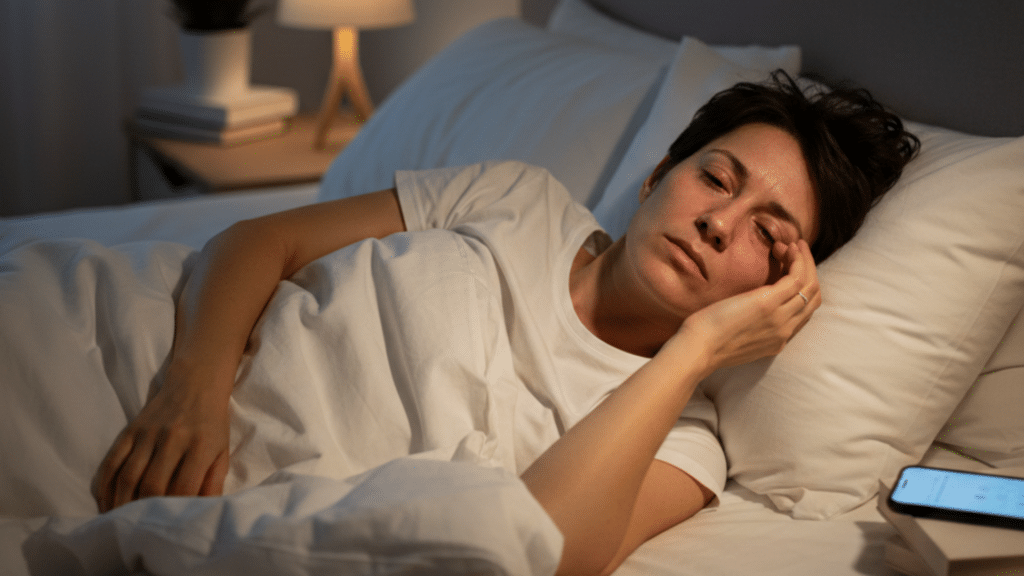
Eye discomfort at night can interrupt your rest and create a cycle where poor sleep makes your eyes feel worse the next day.
Nighttime Dry Eye Symptoms
Dryness often feels stronger at night because moisture drops as the day ends. When you close your eyes, the rough, gritty feeling can intensify, making it harder to fall asleep.
Some people wake up during the night because of burning or irritation around the eye surface. Without steady moisture, your eyes struggle to stay comfortable long enough for you to rest well.
Pain or Pressure From Existing Eye Issues
Some eye conditions cause pressure or discomfort that becomes more noticeable at night. When you lie down, pressure inside the eye can shift, making certain symptoms harder to ignore.
This can lead to waking up during the night or struggling to stay asleep. Ongoing discomfort also makes it harder for your eyes to relax, which prevents them from getting the recovery they need.
Screens and Blue Light Delaying Melatonin
Using phones, tablets, or computers before bed can make your eyes feel tense and prevent your body from preparing for sleep.
Screens give off strong blue light, which slows the release of melatonin, a hormone that helps you fall asleep. This delay keeps your mind alert as you try to wind down. The extra strain on your eyes also adds to dryness and discomfort, making rest even harder.
Quick Relief for Sleep-Deprived Eyes
Your eyes can feel rough, tired, or unfocused after poor sleep, but simple steps can bring fast comfort and reduce irritation.
- Use lubricating drops to restore moisture and ease dryness: Lubricating drops add needed moisture, calm irritation, and help your eyes feel smoother when dryness becomes worse after poor sleep.
- Place a cool or warm compress on your eyes for comfort: A cool compress reduces swelling, while a warm one relaxes tight areas, helping your eyes settle when they feel strained or sore.
- Follow the 20–20–20 rule to reduce strain during screen use: Looking away every twenty minutes lowers muscle tension, gives your eyes a short break, and helps maintain steadier comfort through the day.
- Drink enough water to support natural moisture levels: Staying hydrated helps your tear film stay stable, lowering irritation and keeping your eyes more comfortable after a night of poor sleep.
- Increase room humidity to help protect the eye surface: A humidifier adds moisture to the air, helping prevent dryness around the eye surface and easing the rough feeling caused by poor sleep.
These small changes help your eyes settle, reduce daytime discomfort, and support clearer vision until you can get proper rest again.
Red Flags: When Sleep-Deprived Eyes Need Medical Attention
Some symptoms should never be ignored because they may signal a deeper issue that needs fast attention from an eye care professional.
1. Vision Loss or Persistent Blur
Sudden vision changes or blurred vision that stays for hours can signal a deeper eye problem that needs quick medical attention.
If blur continues even after resting your eyes, you should get checked. Long-lasting blur may be linked to pressure problems, swelling, or tear film issues that need treatment.
When sleep loss triggers ongoing vision trouble, it can also reveal early signs of a serious eye condition. Getting examined early helps protect the optic nerve and prevents problems from getting worse over time.
2. Eye Pain or Pressure
Ongoing pain or pressure inside or around your eyes can indicate a condition that must be checked without delay.
Pain is not a normal effect of simple tiredness.
Pressure that gets stronger when you lie down or bend forward may point to problems with fluid buildup inside the eye. This can be connected to certain eye diseases that become worse without care.
If the discomfort returns often or becomes stronger over time, you should schedule an exam to rule out more serious causes.
3. Severe Light Sensitivity
Extreme discomfort in bright light may signal irritation or inflammation that needs professional care beyond basic eye drops.
Light sensitivity becomes a concern when it affects your normal routine or makes it hard to open your eyes outdoors or near screens. This reaction can come from dryness, infection, swelling, or other conditions that need early treatment.
If brightness causes sharp discomfort or continues for several days, an exam can help find the cause and prevent lasting irritation or strain on the eye surface.
4. Signs of Sleep Apnea Affecting Vision
Morning blur, soreness, and dryness linked with loud snoring or frequent waking can point toward sleep apnea affecting your eyes.
Sleep apnea reduces oxygen levels during the night, which can place stress on your eyes and raise pressure over time.
People with this condition often notice dryness, red eyes, or vision trouble after waking. These symptoms can become worse if the apnea is not treated.
If you notice these changes along with poor sleep, talk with a doctor because managing the apnea can also help protect your vision.
Conclusion
As you can see, a short night can affect your eyes faster than you expect. Dryness, blur, and irritation build up when your eyes don’t get the right recovery time.
Once you understand why this happens, it becomes easier to take small steps that help your eyes settle and stay comfortable. The goal is simple: support your vision so your days feel easier, even when rest feels limited.
If sleep deprived eyes are becoming a pattern, try a few changes from this guide and notice how your eyes respond.
Before you go, take a moment to check out other helpful blogs so you can keep learning more ways to support your daily comfort.