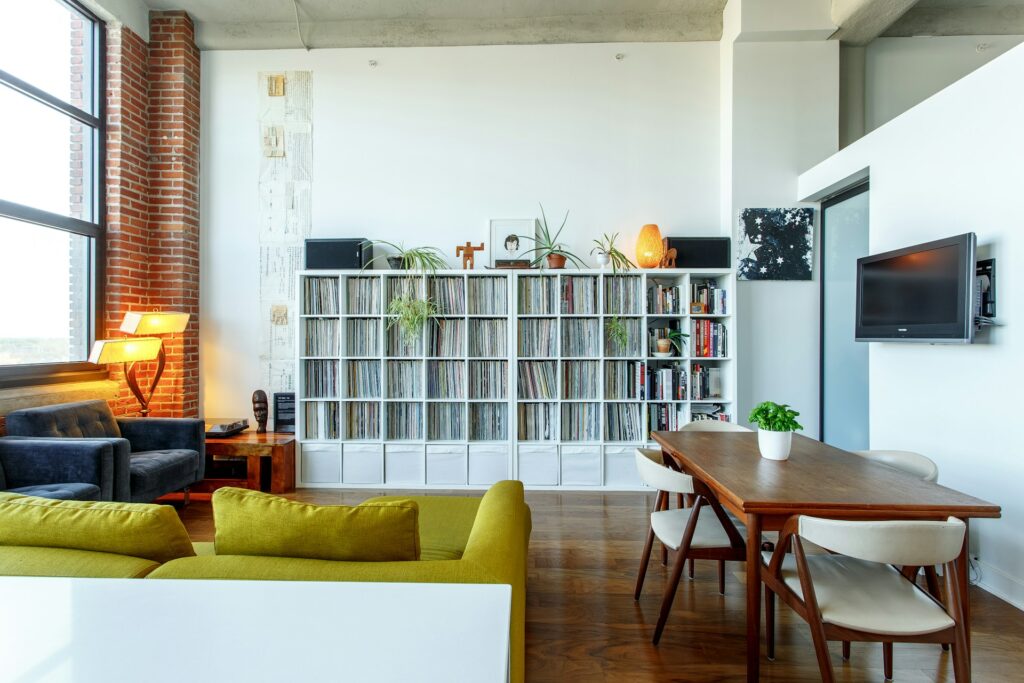
A cluttered home doesn’t just look untidy—it affects how you feel when you walk through the door. When belongings pile up on counters, spill out of cupboards, or take over the garage, even simple tasks become harder. Finding your keys takes longer. Choosing an outfit feels overwhelming. The space that should help you unwind starts adding to your stress instead.
Good storage isn’t about buying more boxes or cramming everything into cupboards. It’s about creating systems that actually work for how you live. When your home has a place for everything, daily routines flow more smoothly. You spend less time searching and more time enjoying your space.
Start with What You Already Have
Before investing in new storage solutions, take stock of what’s currently in your home. Walk through each room and notice where clutter tends to gather. Is it the hallway where shoes and coats pile up? The kitchen counter that collects post and shopping bags? The bedroom chair buried under clothes?
These problem spots reveal how you naturally use your space. Once you understand your habits, you can design storage that fits your lifestyle rather than fighting against it.
Sort through your belongings and separate items into three groups: things you use regularly, things you need occasionally, and things you haven’t touched in months. This simple exercise helps you see what truly deserves prime storage space and what might be taking up room unnecessarily.
Make the Most of Vertical Space
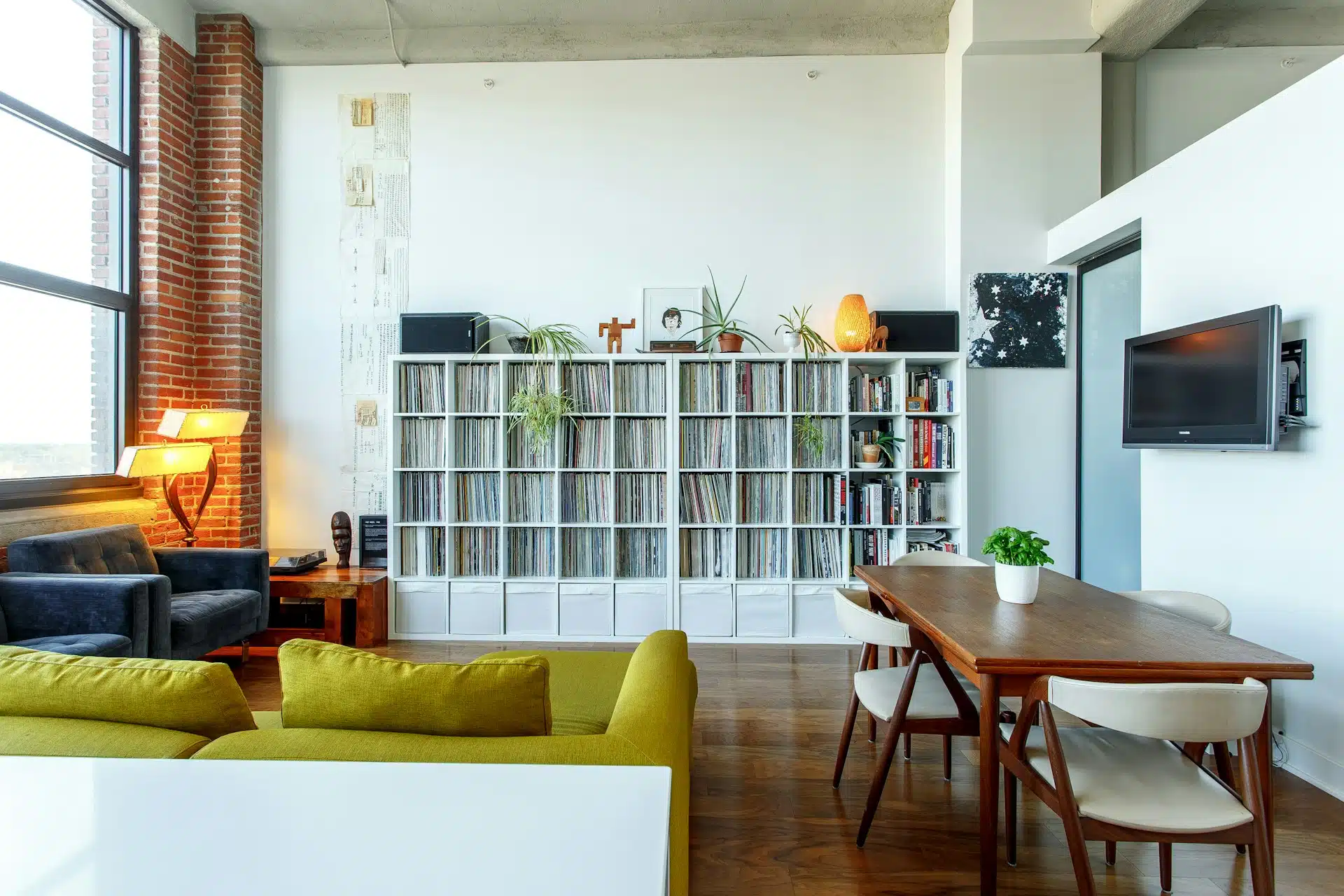
Most homes have plenty of unused vertical space just waiting to be put to work. A wall-mounted shelving unit transforms empty walls into practical storage whilst keeping floor space clear. This approach works particularly well in smaller homes where every square metre counts.
In the kitchen, floating shelves can hold frequently used dishes and glasses, making them easy to reach whilst creating an open, airy feel. Bedroom walls benefit from shelves that display books, plants, or decorative items alongside practical storage baskets.
Don’t overlook the space above doorways or in hallway corners. These often-forgotten areas can accommodate slim shelves for items you need but don’t use daily.
Create Order in The Garage
Garages often become catch-all spaces where everything from garden tools to sports equipment ends up in chaotic piles. Transforming this space with proper garage storage makes a remarkable difference to both function and appearance.
Install sturdy wall-mounted systems that keep tools, ladders, and seasonal items off the floor. Overhead racks provide excellent storage for bulky items you only need occasionally, such as camping gear or holiday decorations. Clear plastic boxes help you see what’s inside without digging through everything.
Group similar items together. Keep all gardening supplies in one zone, car care products in another, and DIY tools in a third. This zoning approach means you’ll always know where to find what you need and where to put it back.
Choose Furniture that Works Harder
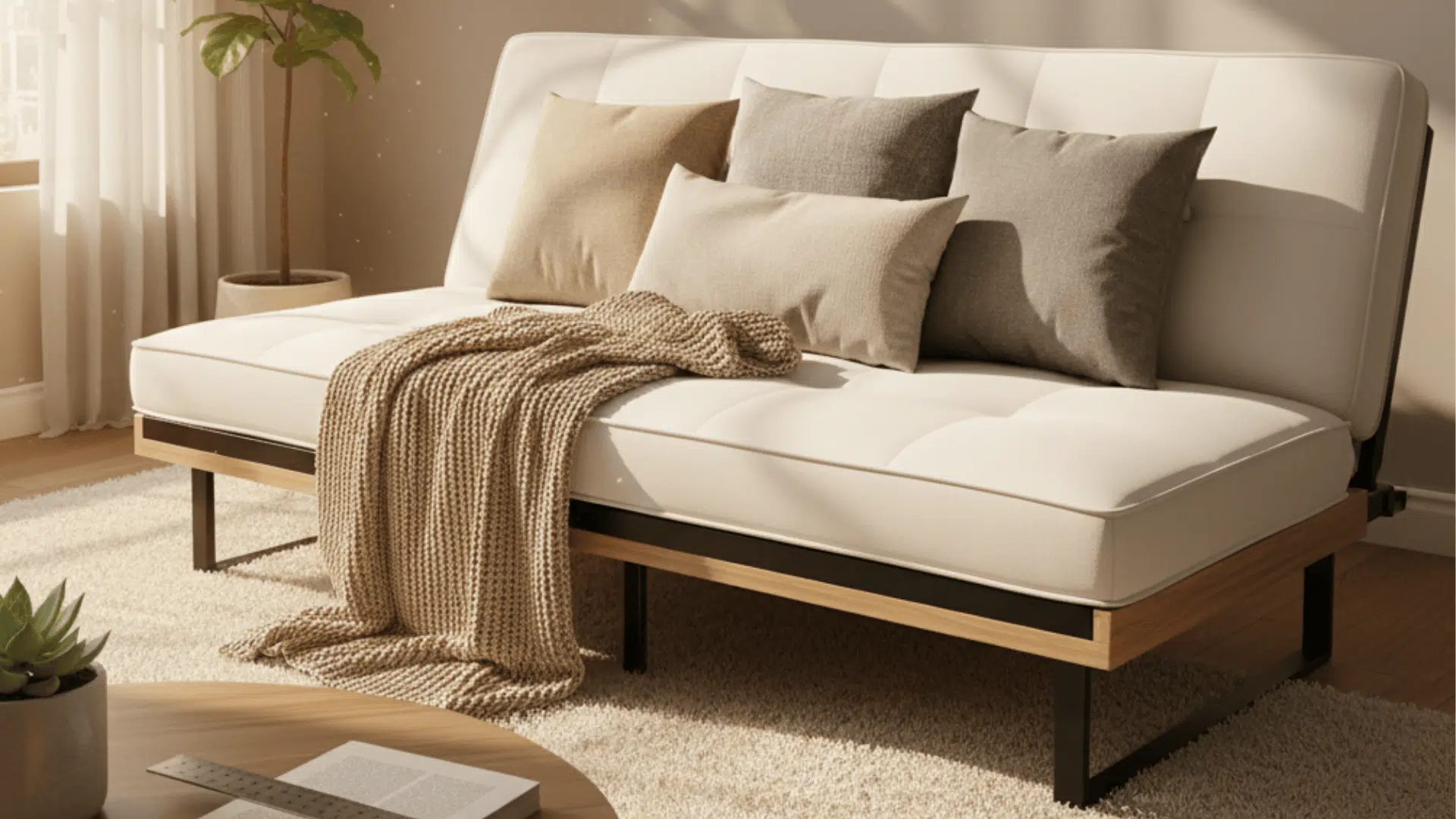
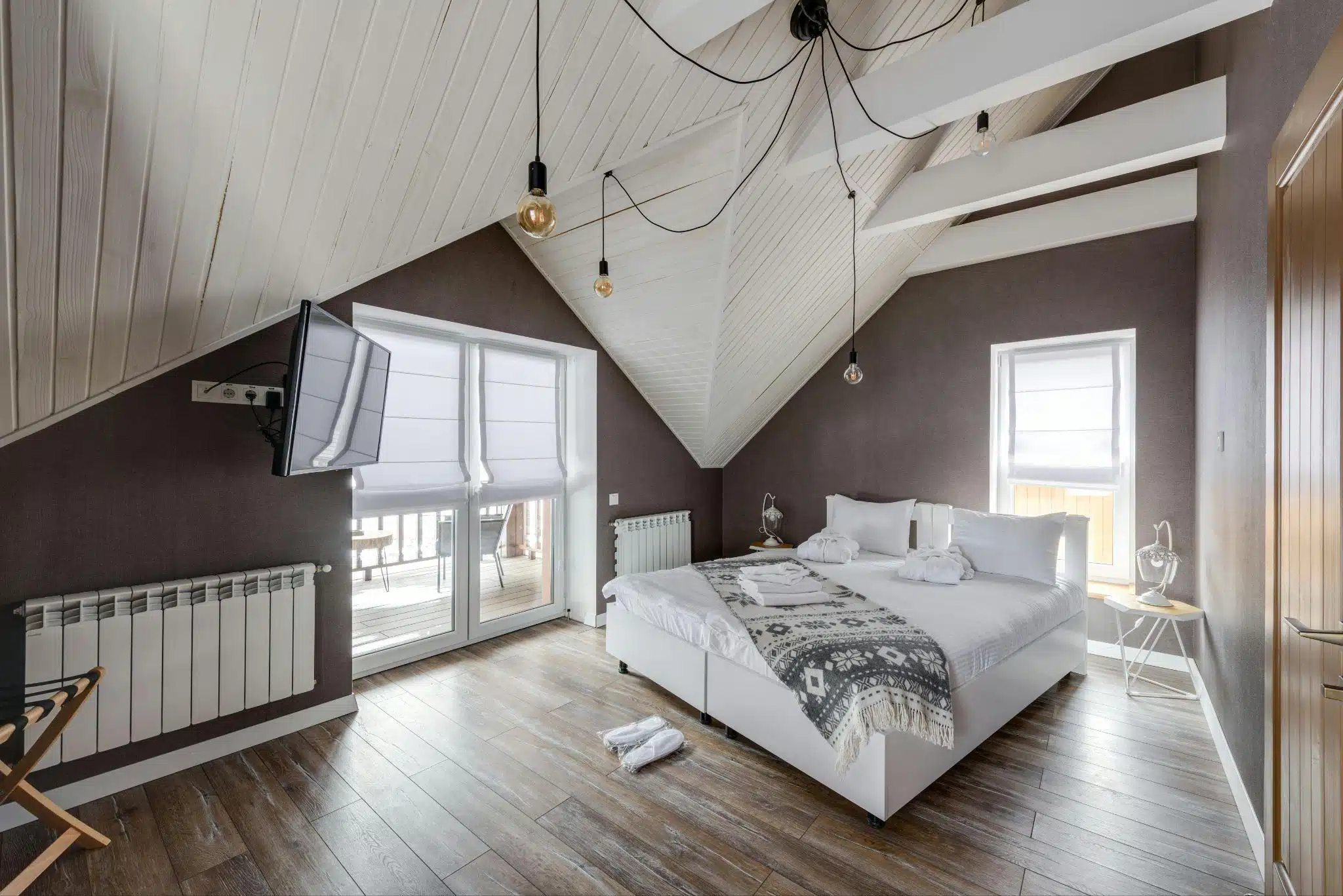
Storage doesn’t have to mean adding more pieces to your home. Multi-functional furniture does double duty whilst maintaining a clean look. Ottoman benches hide blankets and magazines inside whilst providing extra seating. Bed frames with built-in drawers eliminate the need for additional bedroom furniture.
Coffee tables with lower shelves keep books and remote controls tidy but accessible. Console tables with baskets underneath provide hallway storage that looks intentional rather than cluttered.
When selecting new furniture, think beyond its primary purpose and consider what storage problems it might solve.
Maintain Your Systems
Even the best storage solutions only work if you use them consistently. Set aside a few minutes each day to put things back where they belong. This small habit prevents clutter from building up again.
Review your systems every few months. If you notice items regularly ending up in the wrong place, your storage might not be as intuitive as it could be. Adjust as needed rather than forcing a system that doesn’t suit how you actually live.
Label boxes and baskets so everyone in the household knows where things go. This simple step makes it easier for the whole family to maintain order together.
Transform Your Space Gradually
You don’t need to reorganise your entire home in one weekend. Start with the area that causes the most daily frustration. Once that space feels calmer and more functional, move on to the next.
Small improvements add up. A shelving unit in the right spot can transform how a room feels and functions. Proper garage storage can reclaim valuable space and make finding tools effortless. Each organised area creates momentum for the next.
The goal isn’t perfection—it’s creating a home that supports your daily life rather than complicating it. When everything has a proper place, your space becomes calmer, more comfortable, and genuinely yours.