
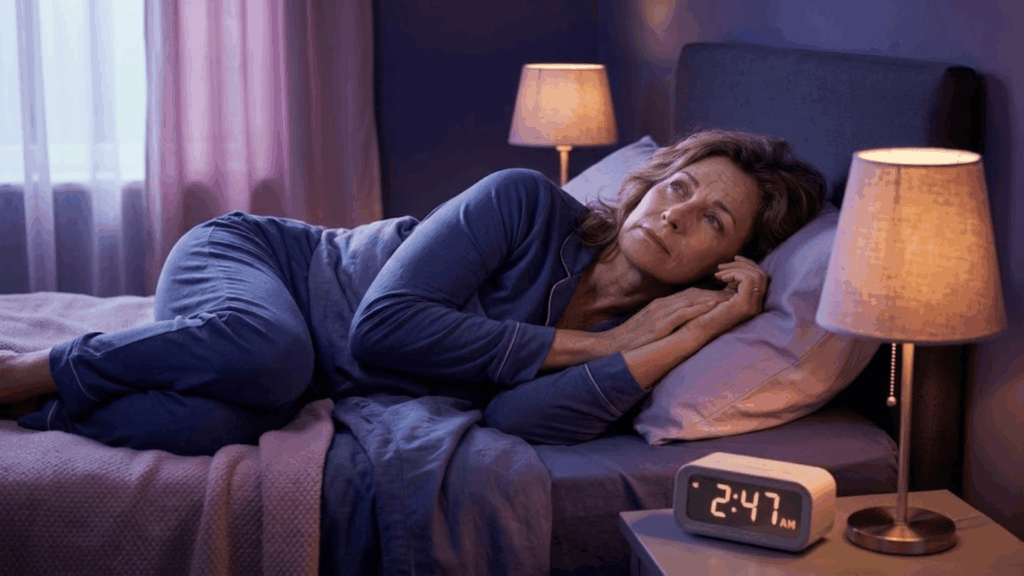
If you’ve ever wondered why women sometimes lie awake in bed during their period, you’re not the only one. It’s not just about feeling “emotional” as movies often suggest, it’s about real, physical discomfort.
For many, periodic insomnia is a monthly struggle. Whether it’s due to cramps, bloating, or racing thoughts, getting quality sleep can feel nearly impossible.
In this blog, I’ll break down why period insomnia happens and how it affects the body, from hormonal shifts to physical discomforts.
I’ll also share practical tips to help manage sleepless nights so you or the women in your life can finally get some rest during that time of the month.
Let’s dig into the details and find some relief together.
What is Period Insomnia?
Period insomnia refers to trouble falling asleep, staying asleep, or getting quality rest in the days leading up to and during menstruation. This isn’t just feeling a little tired; it’s a genuine disruption to your sleep patterns that repeats month after month.
Most people notice these sleep problems about 7-10 days before their period begins, during the luteal phase.
Insomnia on period often peaks just before the start of your period, and common complaints include tossing and turning for hours, waking up multiple times during the night, and feeling exhausted despite spending enough time in bed.
Why Does Insomnia Occur During Menstruation?

Insomnia during periods isn’t random; it’s driven by predictable hormonal shifts that directly affect your ability to sleep. Understanding these changes can help you manage them better.
Hormonal Changes that Disrupt Sleep
The main culprits are estrogen and progesterone. After ovulation, progesterone rises sharply and then drops right before your period. Since progesterone has a calming effect on the brain, losing it removes a natural relaxation aid.
Estrogen fluctuations also affect serotonin and other brain chemicals that regulate sleep. This hormonal rollercoaster doesn’t just affect your mood; it fundamentally changes how your brain transitions into sleep.
The sudden withdrawal of progesterone is similar to what happens when someone stops taking a sedative medication.
Physical and Nervous System Effects
During the luteal phase, several factors can affect your sleep. From hormonal fluctuations to physical discomfort, your body enters a heightened state that makes it difficult to relax and rest.
- Increased Body Temperature: During the luteal phase, your body temperature rises slightly, making it harder to fall asleep, as your body cools to rest.
- Nervous System Reactivity: Your nervous system becomes more sensitive, leading to racing thoughts and increased anxiety, which can prevent relaxation before bed.
- Physical Discomfort: Cramps, bloating, and breast tenderness make it difficult to find a comfortable sleeping position, interfering with your rest.
- Overdrive Mode: Your body is in overdrive during this phase, when it should be winding down for sleep, leaving you restless and exhausted.
How PMS and PMDD Affect Sleep
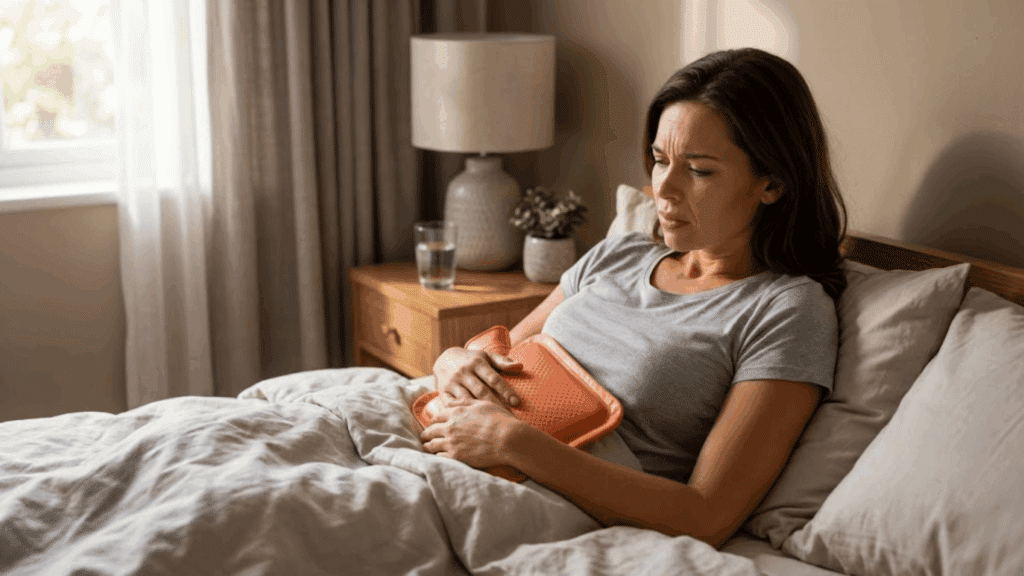
Both PMS and PMDD disrupt sleep, but the severity differs significantly. Understanding these differences can help you recognize what you’re experiencing.
PMS-Related Sleep Issues
With standard PMS, you might have a few rough nights and feel more tired than usual. Sleep disruption is noticeable but manageable for most people.
You may struggle to fall asleep or wake up more frequently, but these issues don’t typically interfere with your ability to function during the day.
Symptoms usually improve once your period starts. Most people can still go to work, socialize, and handle their responsibilities without major disruption.
PMDD and Severe Insomnia
PMDD affects about 5-8% of menstruating people and causes debilitating insomnia. It’s often accompanied by severe anxiety, depression, and irritability that interfere with work, relationships, and daily life.
Key signs include intense mood symptoms like hopelessness, panic attacks, or uncontrollable anger paired with sleeplessness.
If your sleep problems are so severe that you’re calling in sick, canceling plans, or feeling like you can’t cope, it’s time to talk to a healthcare provider about PMDD.
Physical and Emotional Symptoms that Disrupt Sleep
Beyond hormones, several symptoms directly interfere with sleep. Cramps and pelvic pain worsen when lying down. Bloating, headaches, and breast tenderness make any position uncomfortable.
Anxiety and racing thoughts keep your mind spinning when you need to be calm the most. These symptoms often overlap and intensify, creating a perfect storm of sleepless nights.
Which Part of Your Cycle Affects Sleep the Most
The luteal phase, roughly the two weeks between ovulation and your period, is when sleep problems hit hardest. This is when progesterone rises and then crashes, and estrogen fluctuates unpredictably.
The worst nights typically happen in the 3-5 days immediately before bleeding begins. This is when the hormonal drop is steepest, body temperature is highest, and physical symptoms peak.
Many people notice dramatic improvement once their period actually starts. As bleeding begins, hormone levels stabilize, physical symptoms ease, and the body temperature changes that interfered with sleep normalize.
The PMS–Insomnia Cycle andHow Long It Lasts
Here’s where things get frustrating: poor sleep makes PMS symptoms worse, and worse PMS symptoms make sleep even harder. It’s a self-feeding loop that can feel impossible to break.
| Aspect | What Happens |
| The Cycle | Poor sleep worsens pain, moods, and stress → harder to sleep → cycle continues |
| Typical Duration | 3-7 days (before period to 1-3 days into bleeding) |
| Extended Cases | Up to two weeks (entire luteal phase) |
| Warning Signs | Lasts entire cycle, continues after period, or worsens over time—may indicate other conditions |
If your insomnia extends beyond the typical pre-period window or worsens over several months, it’s worth talking to a healthcare provider to rule out other underlying conditions.
How to Sleep Better Before and During Your Period
The right combination of sleep habits, pain management, and relaxation techniques can make a real difference in managing period-related insomnia. Here are six practical strategies to try:
- Consistent sleep times: Same bedtime and wake time daily, even on weekends
- Limit screen time: Put devices away an hour before bed to avoid melatonin suppression
- Heat for pain: Apply a heating pad to the abdomen or back for cramp relief
- Comfortable positions: Side-sleep with a pillow between knees or back-sleep with support
- Calming techniques: Try 4-7-8 breathing, gentle yoga, or journaling about anxious thoughts
- Wind-down routine: 20-30 minutes of dimmed lights, reading, or calm music
Small, consistent changes can significantly improve your sleep quality during your cycle. Start with one or two strategies that feel manageable, then build from there as you discover what works best for your body.
Supplements and Medical Support
Sometimes lifestyle changes aren’t enough on their own. Supplements and medical treatments can provide additional support for period-related insomnia, especially when symptoms are severe or persistent.
| Option | How It Helps | Dosage/Notes |
| Magnesium | Relaxes muscles, improves sleep | 200-400mg before bed; try magnesium glycinate |
| Melatonin | Regulates the sleep-wake cycle | 0.5-1mg an hour before bed |
| Herbal Options | Chamomile, valerian, passionflower | Generally safe; ritual can be calming |
| Birth Control | Evens out hormonal swings | Can reduce PMS and improve sleep |
| Antidepressants (SSRIs) | Treats severe PMDD | Highly effective; may be luteal-phase only |
If lifestyle changes and supplements aren’t helping, talk to a doctor about medical options. For PMDD specifically, treatment can make a significant difference in both mood and sleep quality.
Reddit Community Discussions on Period Insomnia
Many discussions in the PMDD Reddit describe a clear pattern: feeling exhausted during the day but unable to sleep at night before a period.
Common experiences include difficulty falling or staying asleep, feeling mentally wired despite physical tiredness, and racing thoughts that intensify around bedtime. One user said, “I haven’t slept in like 24hrs and it’s 3days before my period”.
Relief typically comes once menstruation starts. People share coping strategies like hot baths, heating pads, weighted blankets, magnesium supplements, and reducing evening stimulation.
One recurring theme is the emotional relief of finding others who have had the same experience.
One user noted that reading similar posts helped them realize their insomnia followed a predictable cycle and wasn’t a personal failure.
These communities offer something medical articles can’t: validation from people living the same monthly struggle.
When to See a Doctor for Insomnia on Period
Don’t hesitate to reach out for professional help if your sleep problems are affecting your quality of life. See a doctor when you see the following symptoms:
- Daily functioning impaired: Missing work, canceling plans, or struggling to get through the day due to exhaustion
- Severe mood changes: Experiencing thoughts of self-harm, uncontrollable rage, or feeling hopeless (seek immediate attention)
- Suspected PMDD: Track symptoms for 2-3 months before your appointment to help your doctor diagnose accurately
- Persistent sleep problems: Insomnia continues throughout your cycle or gets progressively worse over time
Period-related insomnia is treatable, and you deserve support. A healthcare provider can help identify whether hormonal issues, PMDD, or another underlying condition is disrupting your sleep and recommend appropriate treatment options.
Wrapping It Up
Now that you have a clearer picture of what causes period insomnia, it’s easier to empathize and offer support.
By recognizing the hormonal and physical reasons behind the sleepless nights, you can understand how to help someone manage them better.
Simple changes like maintaining a sleep routine, using heat for cramps, and trying relaxation techniques can make a real difference.
Remember, insomnia during periods isn’t something to ignore; it’s worth addressing.
If you found this helpful, leave a comment, and feel free to check out more related posts to learn even more about supporting loved ones.