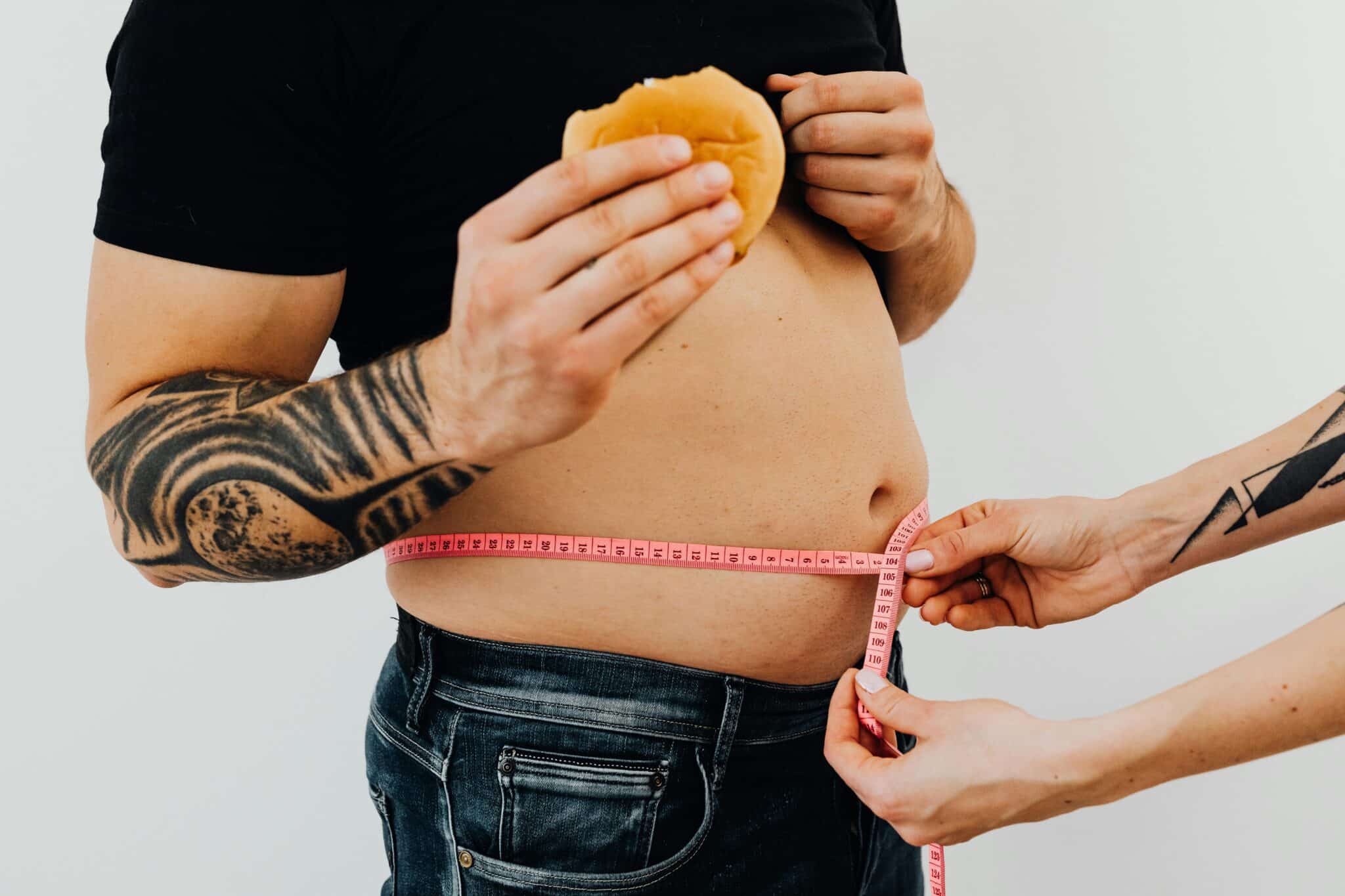

Most conversations about weight loss focus solely on diet and exercise, but sleep also plays an important role in reaching your weight goals. Unhealthy nighttime habits can influence everything from your appetite and metabolism to the way your body stores fat. If you’ve been struggling to lose weight even though you follow a healthy diet and exercise plan, the culprit could be your nighttime routine.
Nighttime Habits That Can Sabotage Weight Goals
Before you set weight loss goals, it is important to know what your daily calorie intake should be in order to lose weight. Your age, height, weight, and physical activity levels have a significant impact on your caloric needs. On average, women need between 1,600 to 2,400 calories per day while men need 2,000 to 3,000 calories. This is quite a broad range, which is why a weight loss calculator is invaluable. This calculator will be able to give you a more accurate idea of how many calories you need per day to maintain healthy weight loss and reach your weight goals.
Understanding your calorie needs is only one part of the equation. The truth is, your nighttime routine can quietly undo the progress you’ve worked hard to achieve. Even if your daytime choices are on track, seemingly harmless nighttime habits can stall your weight loss or even cause weight gain. Taking a closer look at your evening behaviors may reveal why the scale isn’t moving as expected and what simple changes you can make to stay aligned with your weight goals.
Eating Too Early or Too Late
Your meal timings matter more than you realize. Some people are used to eating an early dinner but this can make you feel hungry right before bed, which then leads to a “light” bedtime snack. On the other hand, if you eat a late dinner, it will interfere with your sleep, which in turn can increase fat storage over time. Aim to eat dinner 2-3 hours before bedtime, and if you must have a small snack, choose one that contains protein and fiber as this will prevent hunger pangs closer to bedtime.
Indulging in Screen Time Before Bed
Blue light from smartphones, tablets, and TVs suppresses the secretion of melatonin, the hormone that regulates sleep. Studies show that blue light decreases sleep quality and duration, which means that if you use any of your devices just before bed, it’s affecting your sleep, which in turn impacts your weight.
The main reason why poor sleep is linked to weight gain is because it impacts the production of two main hormones that are directly connected to weight. Poor sleep increases the level of the hunger hormone ghrelin while simultaneously decreasing the production of leptin, which is the hormone that signals to your brain that you’re full. This combination means that you are more likely to put on weight without ever realizing that your screen time is the reason you are not meeting your weight goals.
Working right before Bedtime
Many people choose to complete small work tasks, such as answering emails just before going to bed, as they believe that this will help to make the next day less stressful. However, this nighttime habit can severely impact your sleep as it doesn’t give you sufficient time to wind down from your day. Even minor work-related tasks require decision making and problem solving, which means that you are mentally “switched on” and in an alert and active state, rather than “relaxed mode”, which makes it easier to transition to sleep. It is better to complete all work-related tasks before dinner so that you are able to get deep and restorative sleep, which will help to prevent unnecessary weight gain.
Drinking Alcohol before Bed
A drink in the evening may feel relaxing and even make you feel sleepy but it impacts your sleep quality and weight management efforts. This is because alcohol disrupts deeper sleep stages, which are vital for tissue repair and hormone regulation. If you get used to having a drink every evening to wind down, you are more likely to crave high-calorie snacks during the day.
In addition, alcoholic drinks often contain hidden calories that can quickly add up. Even mild to moderate drinking can lower your inhibitions and affect your decision-making process, which often leads to mindless snacking. Avoid drinking on a daily basis to improve your sleep and achieve healthy weight control.
Not Prioritizing Relaxation before Sleep
Going to bed feeling stressed or mentally overwhelmed can affect more than just your sleep quality, as it can also influence your eating habits and weight goals. When stress levels remain high at night, the body releases more cortisol, a hormone linked to increased appetite and fat storage, particularly around the abdominal area.
Create a calming bedtime routine based on activities you like, which can be anything from reading or journaling to meditation or deep breathing exercises. Relaxing before bed will help improve your sleep quality and make it easier for you to meet your weight goals.