Key takeaways
- Integrated solar energy can reduce operation costs and elevate property value for modern communities which have shared amenities and mixed use commercial properties.
- Smart design, incentives and metering (factors that matter more than adding more solar panels capacity on every rooftop or carport)
- Investors and tenants have begun looking at sustainability and clean energy and predictable utility costs as integral to commercial real estate inquiries.
- A clear plan for commercial solar installation helps you manage risk, timelines, and long term returns on your solar project.
Why Solar is Important in the Livability of modern homes communities
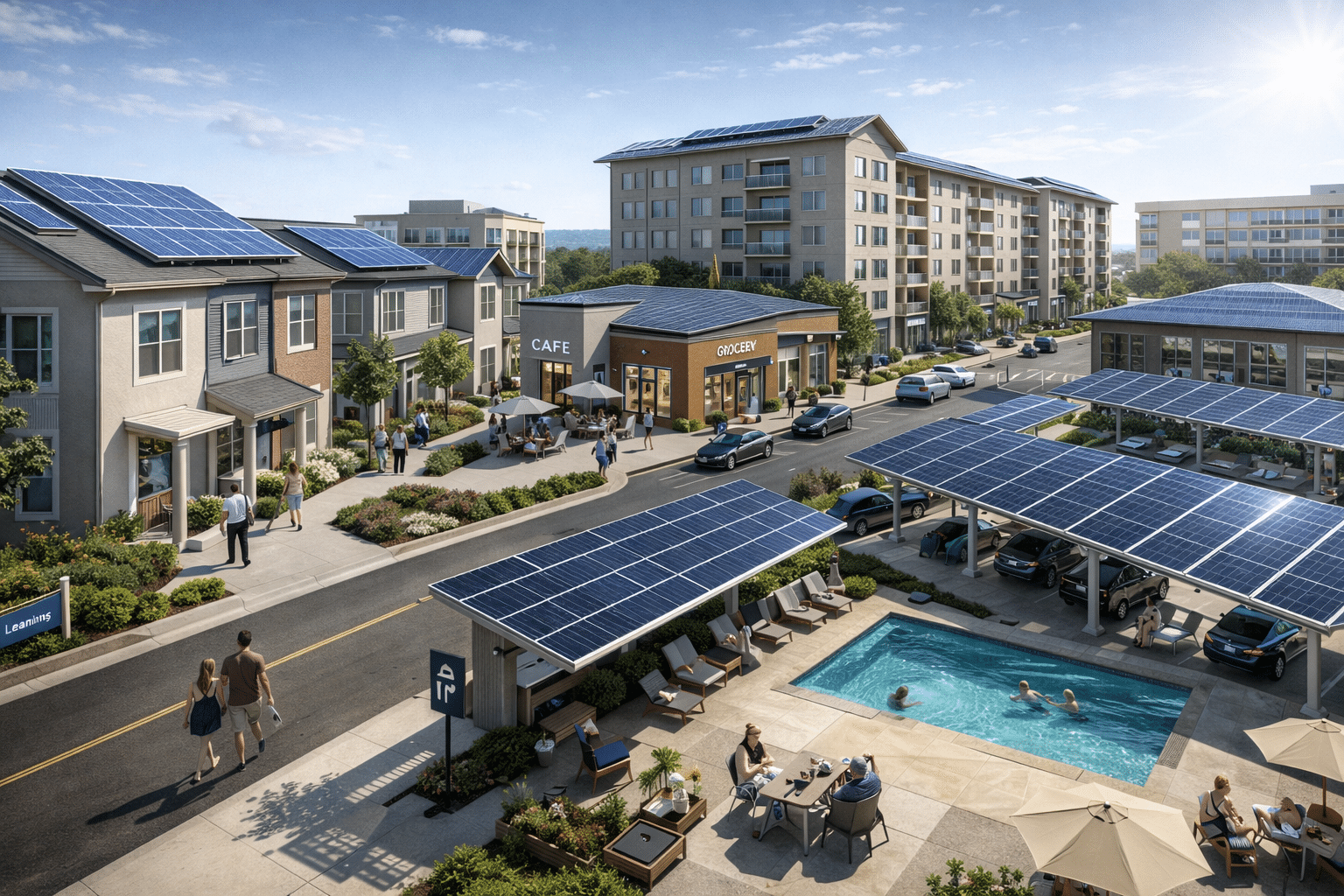
My conversation with a property owner of modern home living communities is typically referring to mixed use or build-to-rent type properties. Think 200 to 400 units, a clubhouse, pool, fitness center, possibly some ground floor retail/sized car parking.
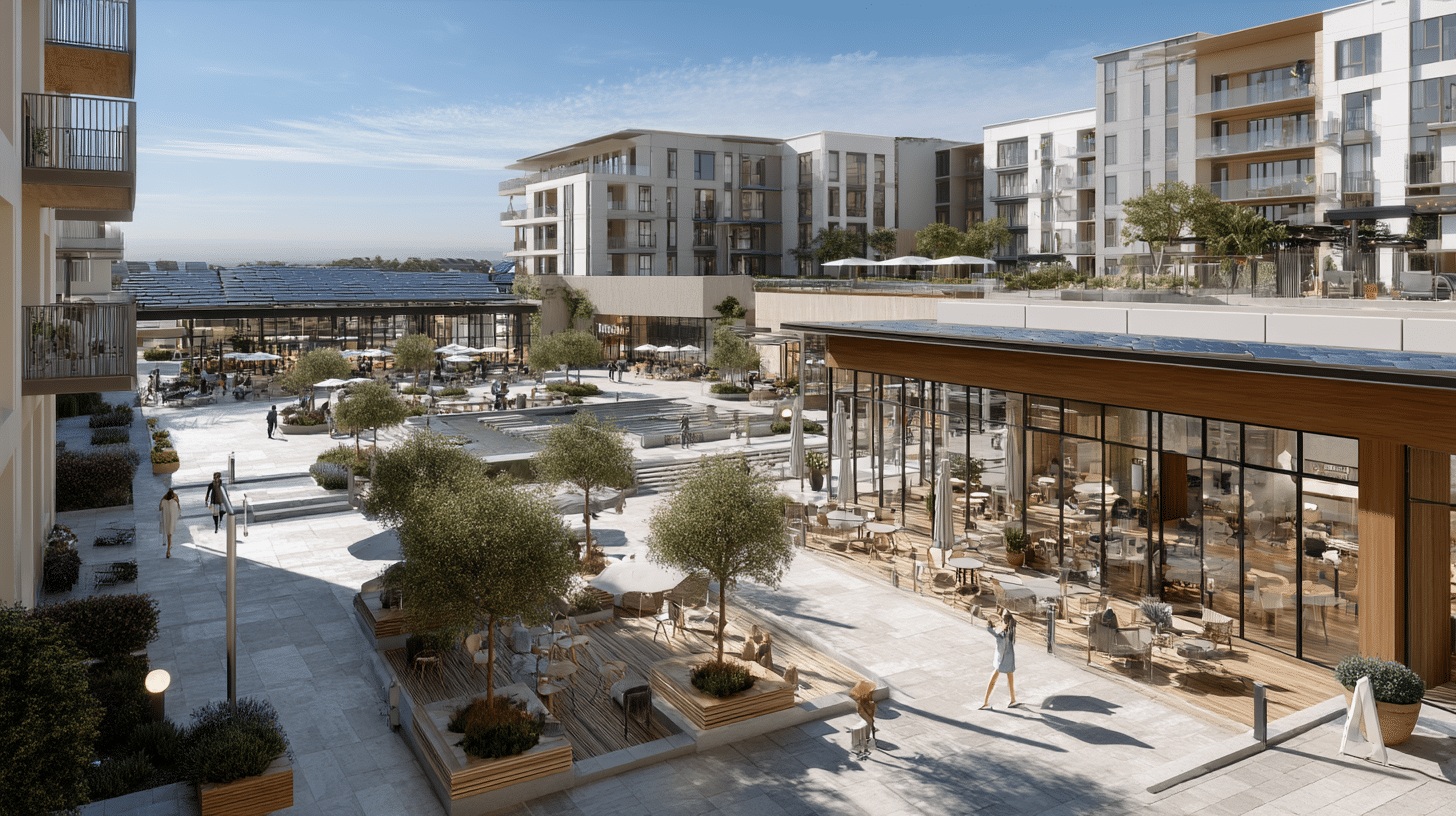
All those shared spaces require a lot of power. Lighting, HV, CAP, EV Charger, Pool Pumps, However, if you only look at rent, then you miss a big lever.
Solar Energy allows you to convert those Common Loads into an Asset. At the same time, you reduce utility bills, reduce electricity bills, and support the containment of sustainable development.
I worked with one community which approached solar as a marketing feature. They branded the clubhouse “powered by green energy” and experienced faster lease up than their last project. Coincidence maybe but the numbers looked real.
How To Integrated Solar Affects Commercial Property Value
Let’s keep valuation simple. Your commercial properties are worth a multiple of their net operating income. If you increase NOI by reducing costs of utilities, you increase property value.
Say you are saving $50,000 in electricity bills for common areas every year. At 6 percent cap rate that can correspond to about $800,000 added value. That is before you get to speaking of rent premiums or better tenant retention.
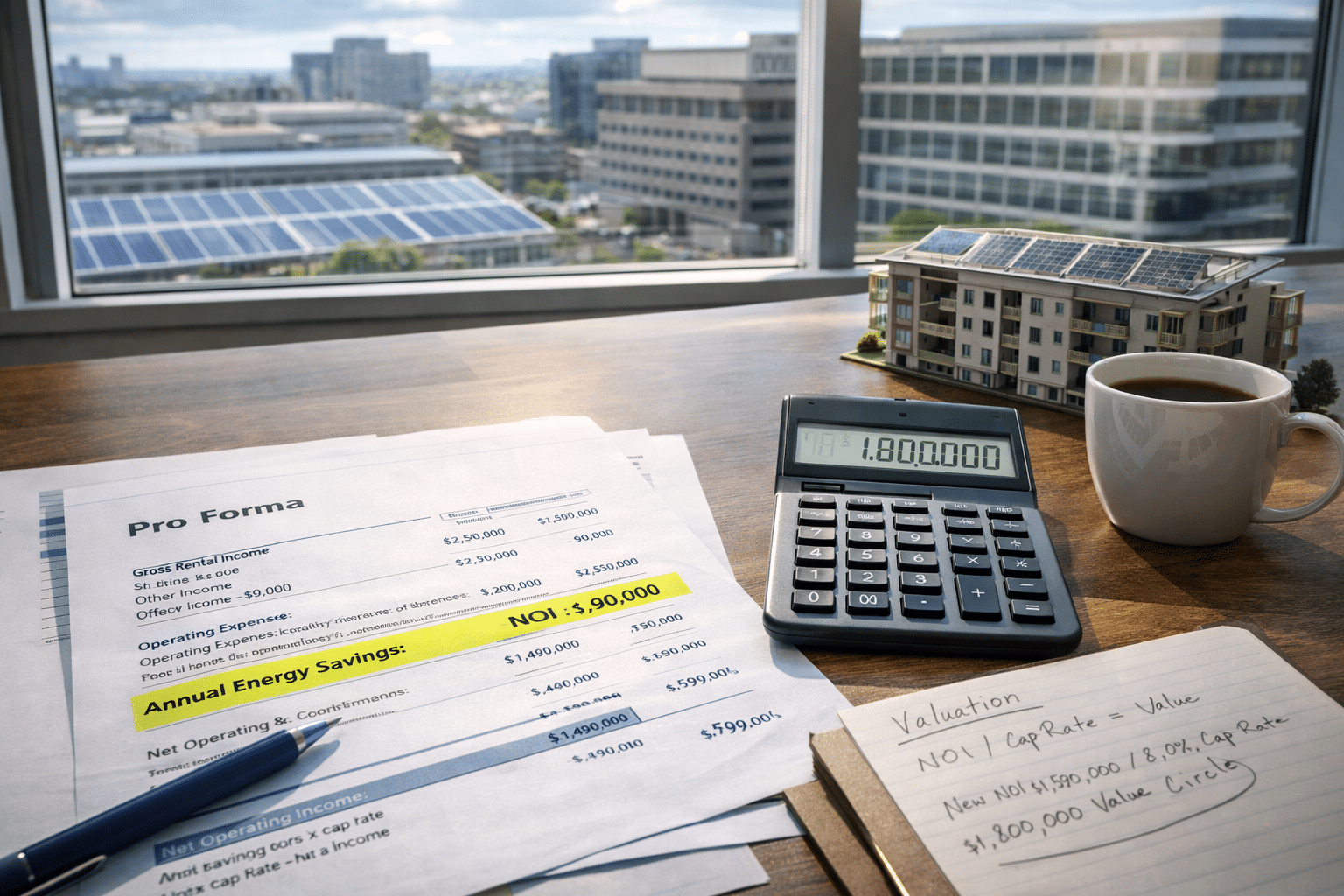
Research from the National Renewable Energy Laboratory’s Solar and Real Estate report documents how solar installations can be used to increase property value both through enhanced net operating income and by lowering perceived risk to the investor. Their analysis of commercial and multifamily assets confirms buyers often recognize on-site solar as a long-lasting income enhancing attribute rather than simply an environmental upgrade.
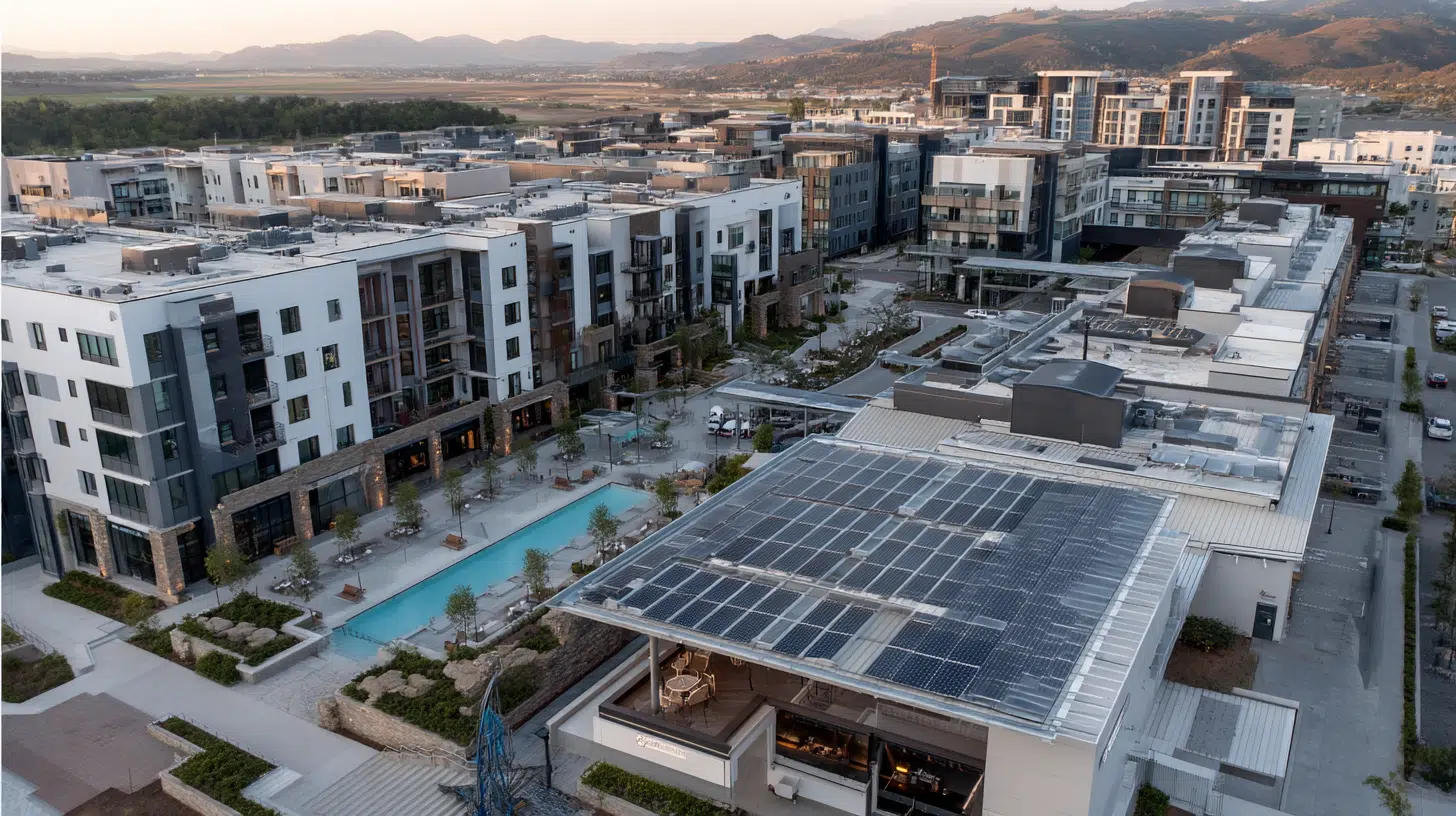
I have seen a mid sized community in the Southwest put a solar energy system on carports and on the top of the clubhouse. They declined common area utility costs by approximately 40-percent. When they refinanced, the solar installation was specifically called out by the appraiser in the appraisal report.
You also get softer gains. Tenants are fond of predictability of costs and sustainability of features. That usually manifests itself in reduced vacancy and fewer concessions, which is a tacit wave in favor of higher property value over time.
Solar Design Strategies That Fortify Property Value
The biggest mistake that I see is using solar as an afterthought. Someone gets the commercial building done and then says, ‘Where can we stick a panel or two in?’ That approach tends to waste roof space, as well as complicate maintenance.
If you plan for solar energy from the ground up you can anticipate structural loads, conduit paths and places for the equipment. A clubhouse having a clean unobstructed rooftop is much easier to work with than one filled with random vents.
Carport solar solution trading parking places These carport solar solutions reduce parking lots by applying and pulling them over simultaneously. Shade for cars, power for Common Another load. One client installed solar panel canopies over guest parking and transformed a hot, vacant lot to be a selling point on the tours.
You can also make room for future expansion. Extra conduit, excess breaker capacity, and easy access paths have a minimal up-front cost and save a great deal when you expand the solar system in the future.
Financial Mechanics: How Does Solar Add Measurable Value
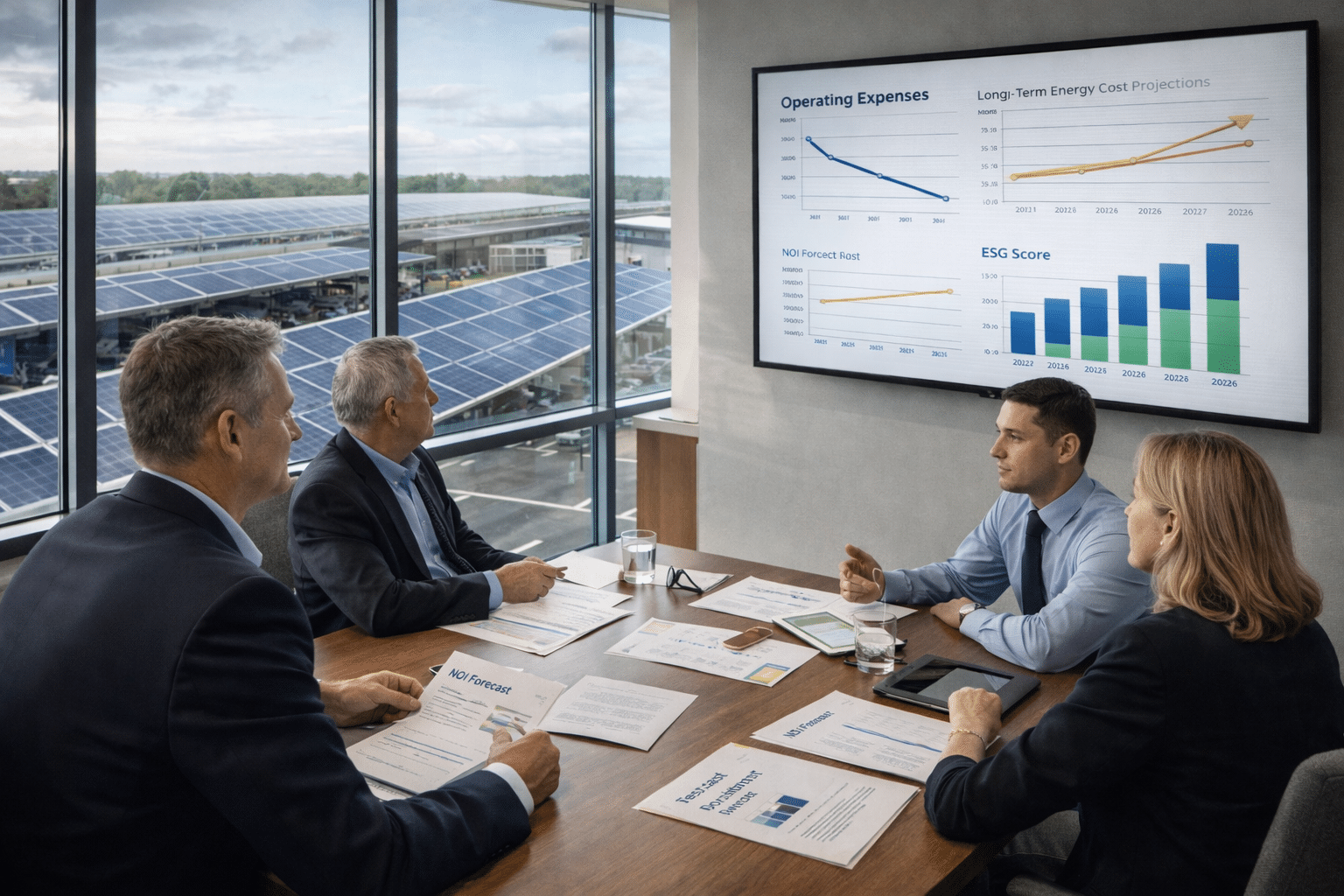
From the viewpoint of finance, however, solar energy is a solar investment which throws off predictable savings in place of rent. You pay a one-time price now then lower utility cost for 20+ years.
Right now, many commercial property owners can claim a federal tax credit of a big share of project cost. Stack that with accelerated depreciation and accelerated local incentive programs and it’s quite a bit. I was involved with a group that got an estimated reduction in net cost of nearly 40 percent after incentives and tax credit benefits.
You can buy the system outright, have a finance structure or have a PPA structure. Each choice has the impact of cash flow and the way the lenders perceive the asset. Direct ownership will usually give you the most obvious boost in commercial property value, as you retain all the savings made.
When we do our modeling of projects we do simple payback, internal rate of return, and impact on the exit price. Even conservative assumptions often win out over other low risk uses of capital in commercial real estate.
Energy Management, Metering and Billing Structures
Where the power flow is is important. Some communities utilize solar energy only for common areas. Others are sharing benefits with each tenant by using virtual net metering or similar programs.
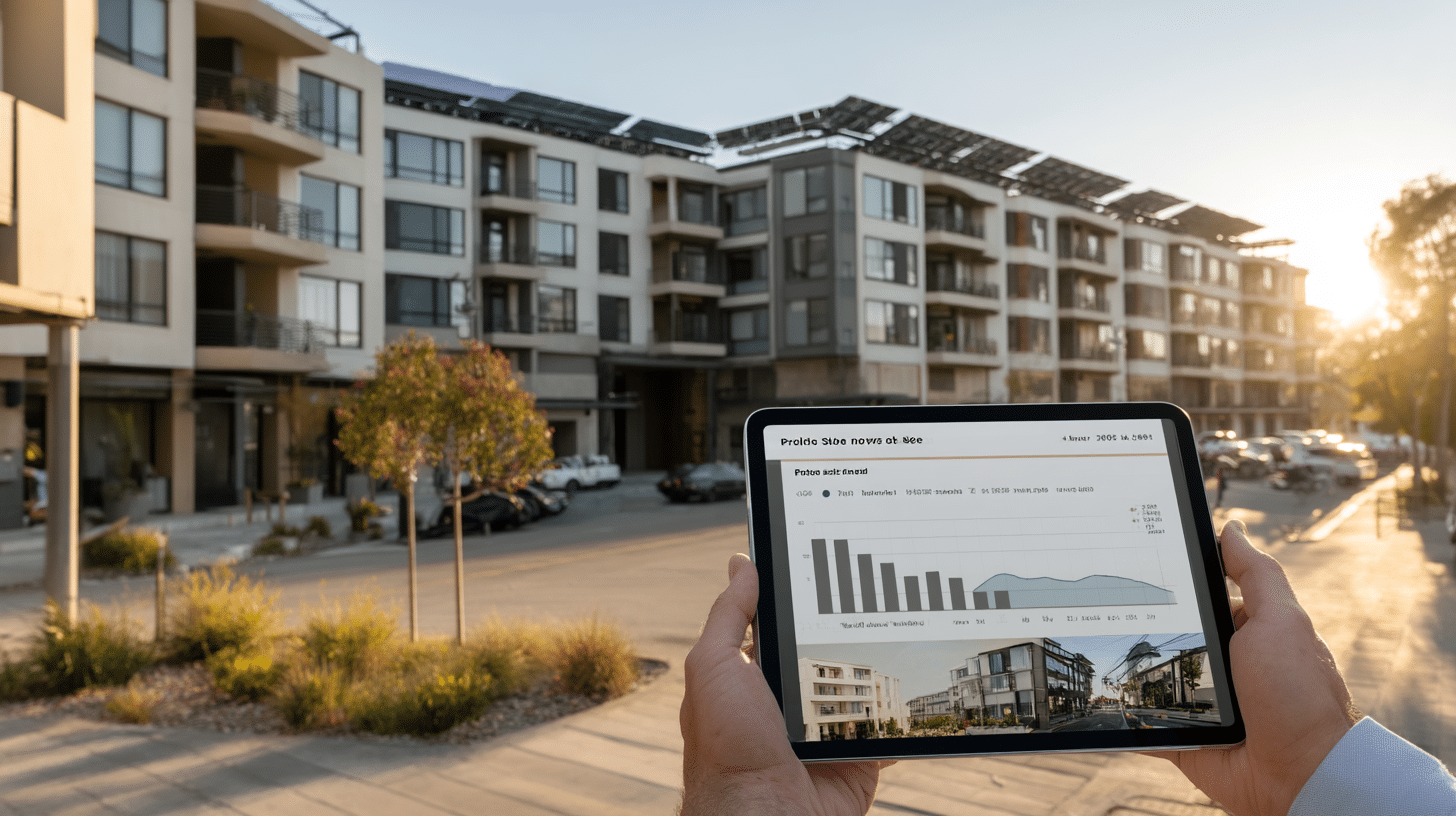
Common area offset is less complicated. You connect the solar installation to the house meter to corridors/amenities/site lighting. Savings are immediately reflected in lower utility bills to the property owner.
If you want people who live nearby your project(s) to be able to see the visual benefits, you can explore community solar or credit sharing. That creates complexity without necessarily impeding marketing and retention. One operator that I’m aware of marketed their site as “resident solar ready” and they used a portal to demonstrate to each tenant how much energy they were generating as clean energy.
The U.S. Department of Energy’s Guide to Community Solar provides you a good source you can reference to explain this point. This allows your reader to verify the claim using a document s/he can check.
Whatever your choice, be transparent in your billing. Confusing charges or vague green fees will backfire, even if the math is right.
Design and Engineering Factors for Long Term Value
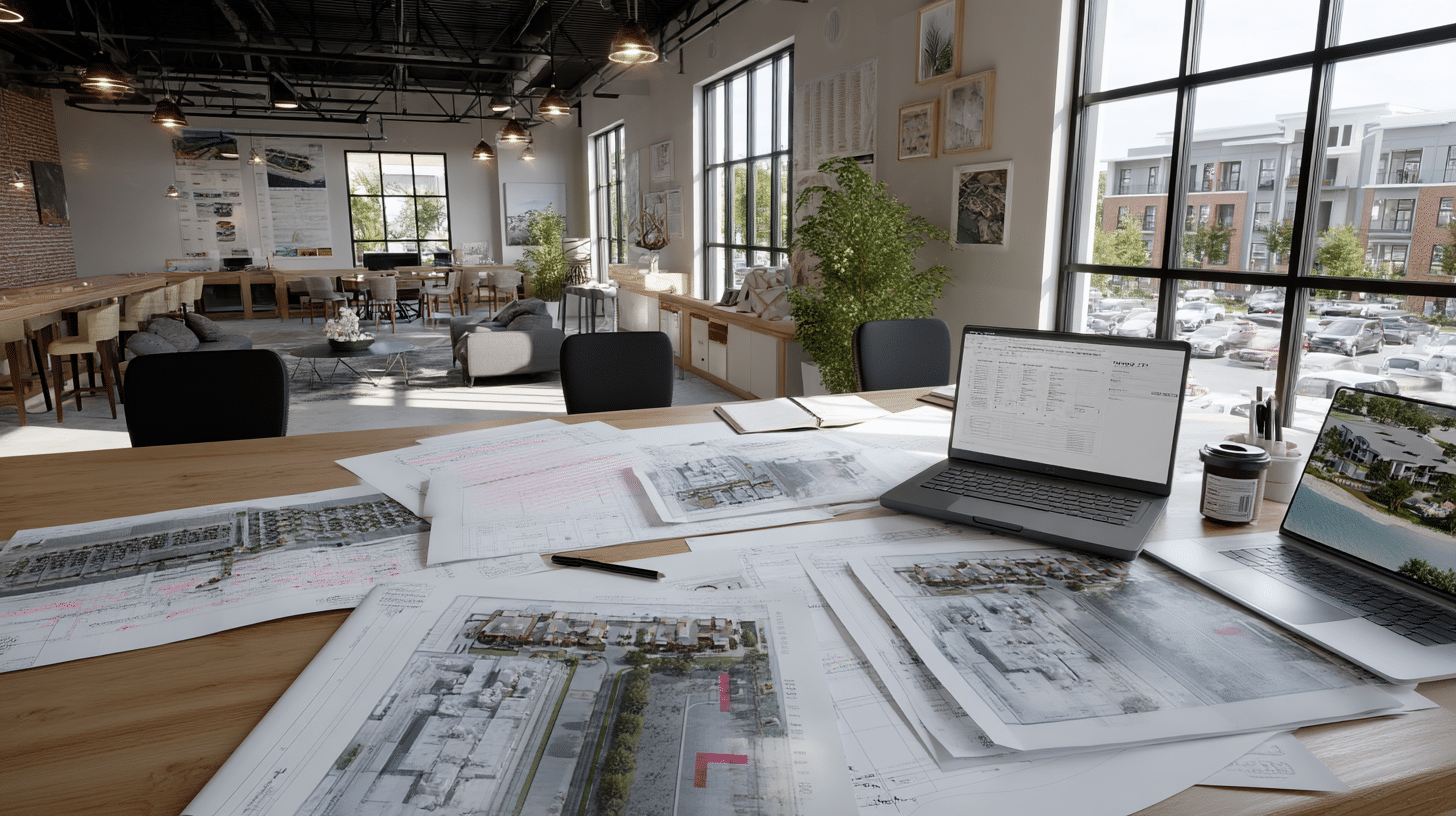
Before you install solar panels, have a hard look at your roofs. Age, condition and remaining life I have seen owners do a big solar project on a 15 year old roof, then they pay twice when they have to tear it off five years later.
Matching roof work and solar installations, when possible. That way, you touch that roof once and you design attachments accordingly and you have no headache afterward.
It is local code and fire rules which influence where you can put a solar panel, how much of a set back is required and where walkways are found. Utilities also control interconnection to the grid which can take months if you are late to start.
Think about operations and maintenance from the very beginning. Monitoring, periodic cleaning, and accessibility ensure production stays close to projections. Buyers and lenders feel more comfortable when they can see a documented O&M plan for your solar energy system.
ESG, Branding and Positioning in the Market
Like it or not, the term ESG is something that capital markets are paying attention to. Many investors are now screening commercial properties for sustainability performance and renewable energy use.
Solar power is visible. Panels on carports and rooftops send a message about your sustainability goals. Pair that with efficient equipment and smart controls, and you have a story which marketing and capital partners can both use.
One of the communities I visited had a Lobby display of live solar production, amount of CO2 saved, and trees planted as outlined above. Residents stopped to look. Kids pointed at the numbers. Small detail, but it really made the place seem current and cared for.
That type of branding can help you stand out in crowded submarkets where every brochure is the same.
Planning Your Commercial Solar Installation Strategy
If you are serious about a solar project, get your partner early and Concept design or due diligence is perfect. Waiting until the construction documents are complete usually occurs, as change orders and lost opportunity on roof space.
Start with questions. What do your current utility bills come to on common areas? What is your holding period for the asset? Are there any tariffs and incentive programs that apply to your utility territory?
When you evaluate a commercial solar installation partner, look for experience with multifamily and mixed use commercial properties, not just warehouses. Ask for performance information from systems that have been in use for at least five years.
I used to work with a team that redesigned their carport layout based on early solar input. They liberated the budget by keeping it simple with respect to steel, and they put these savings back into additional panels. That type of back and forth only happens when you talk early.
Risk Management and some Common Pitfalls
Solar energy is not risk free. Poor design can place excessive loads on old roofs and prevent future HVAC work or create shading conditions from nearby structures. I walked through a site where panels were sitting right behind a tall parapet and they were losing a big chunk of production every morning.
Financial risk appears in the situation when the owners misunderstand the rules of incentives or sign long PPAs with awkward terms. I have seen buyers refuse commercial properties because they did not like to inherit a 20 year contract with above market power/pricing.
You protect yourself with a third party, engineering review, careful contract language and clear documentation. Keep drawings, warranties, production reports, and interconnection approvals grouped.
That way when you refinance or sell, you will be able to show that the solar solutions are an asset to you and not a mystery on the roof.
Step by Step Planning for How to Add Solar to Your Community
Here is one of these simple paths that I take with the majority of commercial property owners.
First, organize utility bills for common meters by gathering between 12 and 24 months of bills and looking at the roof condition and site plans. If the numbers look promising, work your way into concept layouts and production estimates related to your actual grid tariffs.
Next, select a method of ownership, choose design and apply for interconnections. As permits are in motion you set contracts and construction timetables.
Construction on a typical community will take a few weeks per building or carport section. After inspections and approval by utilities, you commission the system and begin the monitoring process.
From there, you track performance, adjust maintenance and use the story of increased property and increased property value in your marketing and investor materials.
Frequently Asked Questions
But how much can solar increase the value of a modern home living community?
This is dependent on size, rates and design, however often I have meaningful bumps in both NOI and perceived quality of assets.
Is it a good idea to go solar if my utility charges are still relatively low?
Maybe. If rates underlie are stable, then payback is stretched out but you still get a hedge against future rates rising, and a sustainability story.
Is it possible to add solar to an existing community, or do you need to build it?
You can do both. Retrofits require more roof and electrical scrutiny, but there are still plenty of locations on older sites with great solar projects on them.
How long does a commercial solar installation usually take from idea to operation?
About 9 to 18 months depending on the complexity of the design, permitting, and utilities timing. Early planning generally leads to a shorter schedule.
What if I sell the property after I go solar?
Owned systems generally transfer on the sale. With contracts, people look at the terms, so having written documentation that is clean, and having economics that are clean and understandable really help.