

Some nights, sleep feels impossible when hip pain keeps pulling you awake. I’ve seen how frustrating it can be when every position makes things worse.
If you are searching for how to sleep with piriformis syndrome, you are likely dealing with soreness, nerve pain, or leg discomfort that shows up after the lights go out.
That confusion matters because the wrong position or support can keep the muscle irritated all night.
The good news is that small changes often help more than expected. This guide focuses on clear sleep positions, simple support tips, and habits that ease pressure so rest feels more within reach.
By the end, how to sleep with piriformis syndrome should feel far less overwhelming.
Why Piriformis Pain Often Feels Worse at Night?
Piriformis pain often feels stronger at night because the body shifts into long, still positions for many hours. During the day, regular movement keeps muscles warm and flexible. At night, that movement stops.
The piriformis muscle can tighten, which increases pressure on the nearby sciatic nerve. When this pressure builds, pain may travel into the hip, buttock, or leg.
Sleep positions also play a role. Staying in one position for too long can compress the nerve, especially if the hips twist or sink unevenly. Daytime habits matter too.
Long sitting periods, poor posture, or uneven weight placement can strain the muscle earlier in the day. That strain often shows up once the body slows down.
With less movement at night, the nervous system becomes more sensitive, making discomfort feel sharper and harder to ignore.
Best Sleeping Positions for Piriformis Syndrome
Choosing the right piriformis syndrome sleeping position helps reduce pressure on the piriformis muscle and nearby nerve.
Proper support keeps hips aligned, limits strain, and lowers the chance of pain building during the night.
1. Side Sleeping With a Pillow Between Your Knees
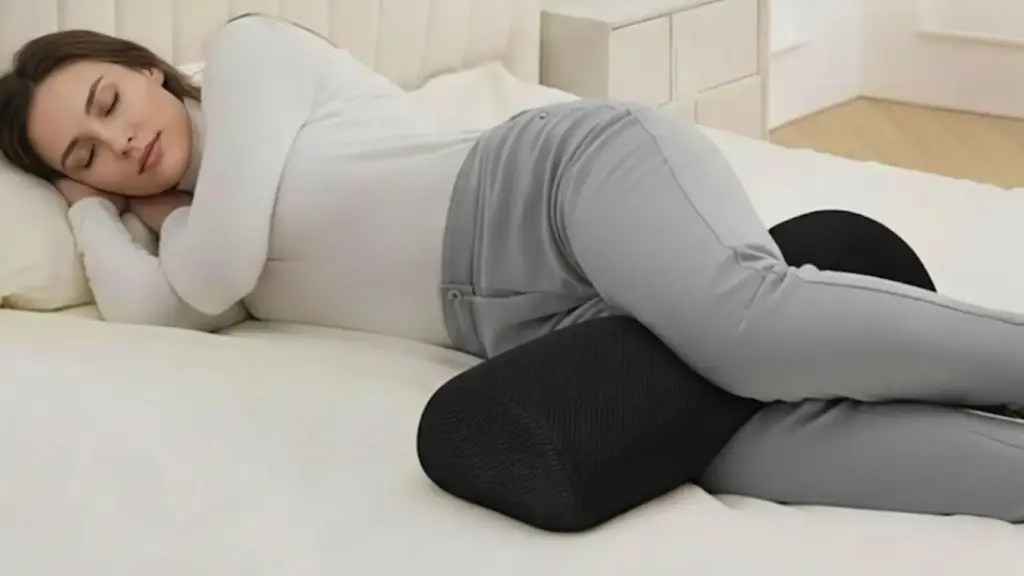
Side sleeping, also called lateral sleeping, is often helpful for piriformis pain because it keeps the spine more balanced when done correctly. Lying on the non-painful side usually works best.
Placing a pillow between the knees stops the top leg from pulling the pelvis forward. This reduces twisting through the hips and limits pressure on the sciatic nerve.
Knee support also keeps both hips level, which reduces muscle strain overnight. Keep the legs slightly bent and the back straight. Avoid curling tightly, since that can tighten the hip muscles and increase discomfort in the morning.
2. Back Sleeping With a Pillow Under Your Knees
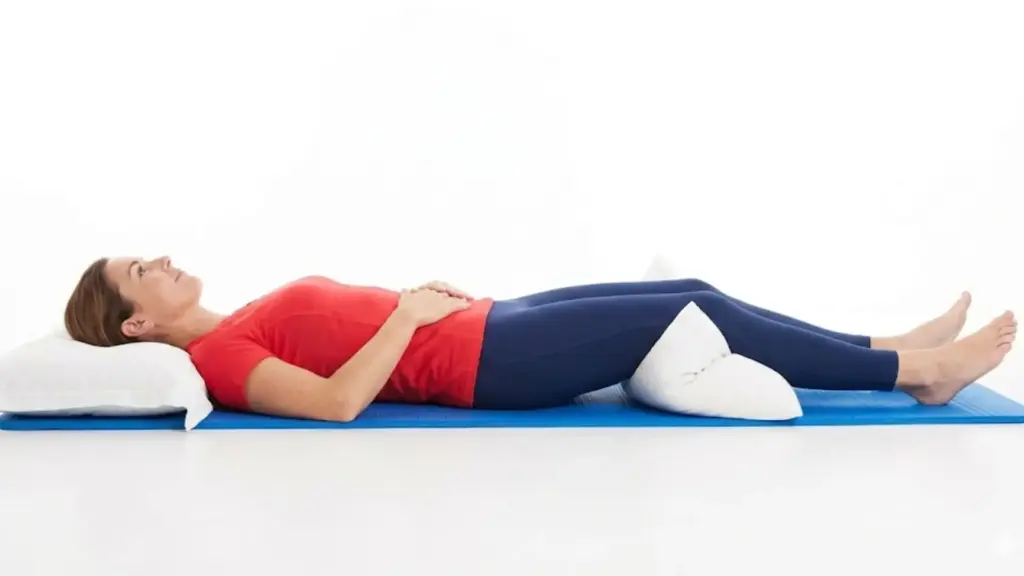
Back sleeping, known as the supine position, can reduce piriformis strain by spreading body weight evenly.
Placing a pillow under the knees keeps them slightly bent, which relaxes the lower back and hips. This position works best when the mattress offers steady support and does not sink under the hips.
Small adjustments help prevent stiffness, such as using a thin pillow under the head and keeping arms relaxed at the sides. If the lower back arches too much, adding light support under the knees can ease tension and reduce nerve pressure overnight.
3. Reclined or Slightly Elevated Position

A reclined or slightly elevated position can help reduce pressure on the body and improve overall comfort. By supporting the back and raising the upper body slightly, this position may help ease strain on muscles and joints.
It is often recommended during rest or recovery because it promotes better posture, improves circulation, and can make breathing and relaxation easier.
Sleeping Positions That Often Make Piriformis Pain Worse
Certain sleeping positions can increase pressure on the piriformis muscle and irritate the nearby sciatic nerve. The table below shows common positions that may worsen symptoms and why they create additional strain.
| Sleeping Position | Why It Can Worsen Piriformis Pain |
|---|---|
| Stomach sleeping (prone) | Rotates the hips and lower spine, tightening the piriformis muscle and increasing nerve pressure. |
| Twisted sleeping posture | Positions where one knee is pulled up, or the body is half-turned, can overstretch or compress the muscle. |
| Unsupported side sleeping | Lack of knee or hip support can cause the pelvis to rotate and strain the piriformis area. |
If you wake up in one of these positions, adjust slowly and return to a more neutral posture. Using pillows to support the hips or knees can help reduce strain and prevent nighttime flare-ups.
How to Sleep with Piriformis Syndrome Based on Where You Feel Pain
Adjusting your sleep position based on where you feel pain can help you get better rest. Here’s how to make it more manageable:
- If Pain is on One Side of the buttocks, sleep on the opposite side to reduce direct pressure on the sore area. Add firm support between your knees to keep your hips aligned and reduce strain.
- If Pain Travels Down the Leg: Sleep on your back or side with a neutral spine position. Avoid twisting or curling your body, as it can irritate the sciatic nerve and worsen symptoms.
- For Deep Hip Pain: Place steady, even support under your legs or knees to alleviate pressure and keep your hips stable.
- General Tip: Pay attention to where pain starts and how it spreads. This can help you adjust pillow placement and position for better comfort.
By making these small adjustments, you can reduce overnight pressure and make your sleep more comfortable.
Pillow and Mattress Setup That Supports Better Sleep
The right mattress and pillow setup keeps hips steady, limits nerve pressure, and reduces strain that often builds during long, still sleep hours.
A mattress that is too soft often lets the hips sink lower than the shoulders, which twists the pelvis and strains the piriformis muscle. You may notice hip pain, lower back soreness, or frequent position changes overnight.
A mattress that is too firm can cause pressure points at the hips and buttocks, leading to stiffness and soreness in the morning.
Medium support works best for many people because it keeps the spine straight while still cushioning the hips. This balance helps spread body weight evenly and reduces pressure on the sciatic nerve during sleep.
What Helps Tonight vs. What Helps Over Time
Some steps focus on short-term comfort, while others explain the best way to sleep with piriformis syndrome over time. Seeing both side by side helps set clear and realistic expectations.
| Helps Tonight | Helps Over Time |
|---|---|
| Adjusting sleep position to reduce hip pressure | Regular stretching to keep the piriformis muscle flexible |
| Using pillows to support knees or hips | Strength exercises for hips and glutes |
| Applying heat or cold before bed | Improving sitting and standing posture |
| Gentle movement to ease tightness | Physical therapy for alignment and muscle balance |
| Avoiding stomach sleeping | Building consistent daily movement habits |
Looking at both time frames together helps guide better choices and reduces frustration when relief does not feel instant.
What to Do If Piriformis Pain Wakes You Upat Night?
Waking up with piriformis pain can feel frustrating, but small, calm steps often help reduce irritation. When changing position, move slowly and keep the knees together to avoid sudden hip twisting.
Rolling onto the back or side with pillow support usually reduces strain. If pain does not ease after a few minutes, getting out of bed briefly can help. Standing, walking for a short moment, or gently shifting weight can relax tight muscles.
One helpful movement is a light knee-to-chest motion while lying on the back, held for a few slow breaths.
Avoid force or deep stretching at night. Heat often works better for muscle tightness, while ice may help if soreness feels sharp or inflamed. Choosing one based on comfort can calm pain enough to return to sleep.
Stretches That Can Reduce Night Pain
Gentle stretching and light strength work help relax tight muscles, lower nerve pressure, and make sleep positions feel more comfortable overnight.
Seated Piriformis Stretch
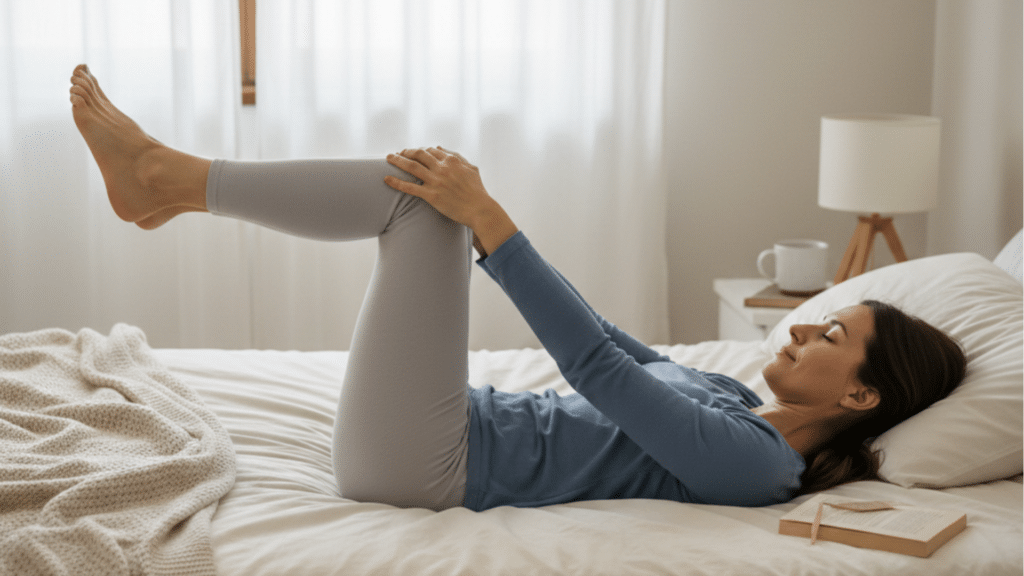
This stretch helps release tension in the piriformis muscle without forcing the body into deep movement.
Lie on your back with both knees bent and feet resting on the bed.
Cross the ankle of the painful side over the opposite knee. Slowly pull the uncrossed leg toward the chest until a mild stretch is felt in the buttock.
Hold the position without bouncing or pushing through pain. This stretch works best when muscles are warm and relaxed, such as after a shower or just before sleep.
Avoid holding the breath during the stretch, since slow breathing helps muscles release.
Bridge Exercise for Glutes and Hips
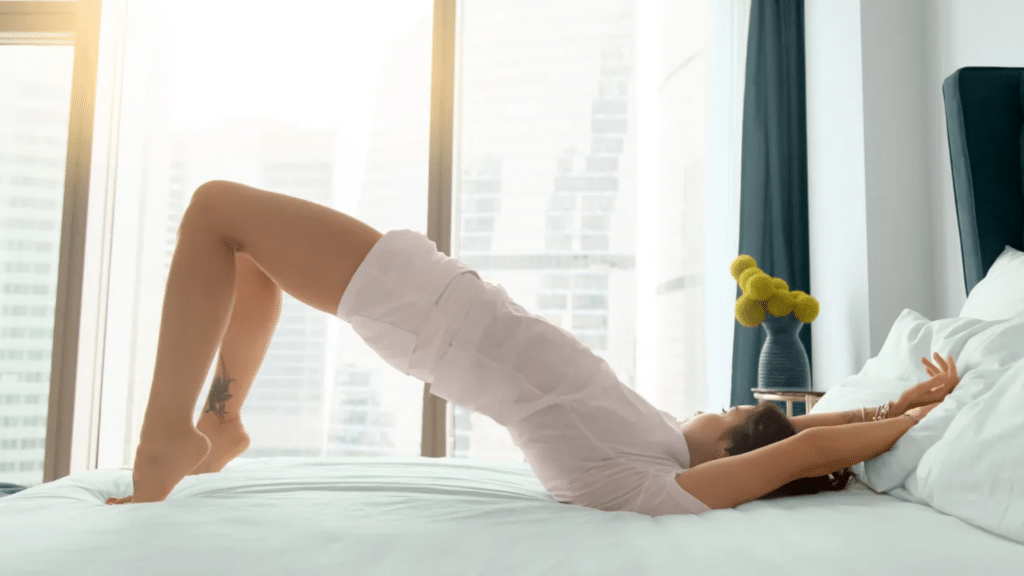
Hip and glute strength helps reduce strain on the piriformis muscle during long sleep hours. When nearby muscles are weak, the piriformis often works harder and tightens at night.
Simple exercises done earlier in the day help support better alignment. Two to three sessions per week are usually enough for most people. These exercises should feel controlled, not exhausting.
Avoid heavy strength work close to bedtime, since it can increase muscle tension and make it harder to relax. Finishing exercises several hours before sleep gives the body time to calm down and settle.
Daytime Habits That Affect How You Sleep at Night
Small daytime habits place steady pressure on the hips and lower back, which often builds silently and shows up as severe pain during sleep.
- Sitting too long: Long sitting tightens hip muscles and reduces blood flow, making the piriformis more likely to stiffen once the body rests.
- Crossing legs: This shifts the pelvis unevenly and strains one side of the hip, which can increase muscle tension at night.
- Wallet in back pocket: Sitting on a wallet tilts the hips and irritates deep muscles, adding pressure that often feels worse when lying down.
- Long drives: Prolonged driving keeps hips fixed in one position, which can tighten muscles and increase nerve sensitivity later.
- Poor desk posture: Slouching or leaning unevenly strains the lower back and hips, setting the stage for discomfort once movement stops.
Noticing and adjusting these habits during the day can reduce built-up strain and help night pain feel more manageable.
When Night Pain Means You Should See a Provider
Night pain from piriformis issues can sometimes improve with position changes and daily care. However, there are certain signs that should not be ignored:
- Worsening Pain: If pain worsens instead of easing, it could indicate nerve irritation that requires professional attention.
- Numbness, Tingling, or Weakness: Numbness, tingling, or weakness in the leg or foot may signal increased nerve involvement and should be evaluated by a provider.
- Pain Spreading Down the Leg: If pain spreads farther down the leg over time, rather than staying in the hip or buttock, it warrants medical attention.
- Ongoing Sleep Loss: Chronic sleep loss can affect your focus, mood, and physical recovery, making it important to address the root cause of the pain.
- Pain Disrupting Daily Life: When pain disrupts daily tasks, work, or movement, it’s time to seek guidance. Early intervention can prevent symptoms from becoming more difficult to manage.
If any of these symptoms apply, seeing a provider can help identify the cause and guide you toward proper care.
Final Thoughts
Night pain tied to the piriformis muscle often comes down to position, support, and daily habits. I covered which sleep positions usually help, which ones often increase strain, and how pillows and mattress support affect comfort.
You also saw how small daytime changes and gentle movement can reduce night discomfort over time.
One useful reminder is to stay consistent. Small adjustments done regularly often work better than big changes done once. If pain keeps interrupting rest, paying attention to early warning signs matters.
Try one or two tips that stood out and give them time to work. If you want more practical guidance like this, keep reading my other blogs on how to sleep with piriformis syndrome and related topics.